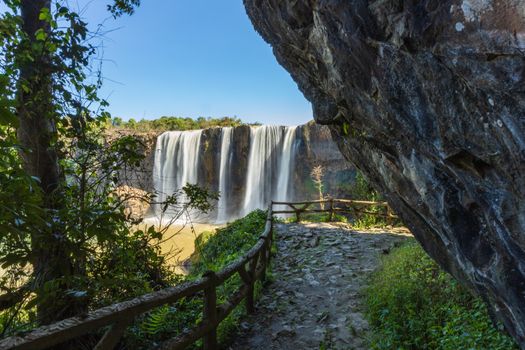
Some of the most rewarding nature visits are the ones that take only an hour or two to reach. Waterfalls often sit within reach of cities, in river gorges, forest parks and hillside reserves that feel far removed from urban life. For visitors with limited time, a waterfall day trip can offer fresh air, a short walk and the sound of moving water without a long journey. This guide explains how to find waterfalls within easy reach of urban areas, how to plan a safe visit and what to check before setting out.
Finding waterfalls near a city
Start with regional and national park information, which often lists nearby waterfalls with access details. Visitor centres, municipal websites and local walking groups can also suggest routes. Maps and trail apps help you see distances and elevation, though it is wise to confirm that information against official sources. Public transport is often the easiest way to reach urban-edge waterfalls, but services may be infrequent, so check timetables and plan return journeys before you leave.
Look for falls in parks that are well maintained. Waterfalls in remote or unmanaged areas may be more difficult to reach and less likely to have signage, facilities or reliable information.
Understanding water levels and seasons
Waterfall appearance depends heavily on water flow. After heavy rain or snowmelt, falls can be powerful and dramatic, but water can also be fast and cold. In dry periods, some falls reduce to a trickle or dry up entirely. Seasonal conditions also affect trails, which may be muddy, icy or slippery on rocks. Check recent reports from park authorities or local visitor information before you travel, particularly after unusually wet or dry weather.
Many falls are most impressive in spring, when flows tend to be higher, though this varies by region and climate. Consider visiting after a few dry days if you want safer footing, and avoid viewpoints that are likely to be flooded.
Trail conditions and access
Urban-edge trails range from paved paths suitable for pushchairs to rocky tracks with steps and uneven ground. Check the trail description, including distance, elevation and surface, before you set out. Some falls require short scrambles or descents to reach the base, and these can be hazardous when wet. Keep to marked paths, and avoid climbing on rocks near the water's edge.
Some waterfalls have restricted access for conservation reasons. Respect signage, closures and fencing, which often protect fragile habitats and reduce erosion.
Staying safe near water
Water can be deceptively dangerous. Currents, slippery rocks and cold temperatures can cause falls or drowning, even in shallow pools. Do not swim in areas where it is prohibited, and be careful near the base of falls where water can be turbulent. Supervise children closely and keep them away from the edge of viewpoints. Wear footwear with good grip, and carry a fully charged phone and a small first aid kit.
Let someone know your plans, particularly if you are visiting alone. Check the weather forecast, since storms can cause sudden rises in water levels and make paths hazardous.
What to bring and how to leave the place
Pack water, snacks, a layer for changing temperatures and insect repellent in warmer months. A small rubbish bag helps you carry out litter. Stay on paths to protect vegetation and wildlife, and keep dogs under control where they are permitted. Photographs are easy to take at waterfalls, but avoid disturbing wildlife or standing in dangerous positions for a shot.
Practical tips
- Confirm access, trail conditions and opening arrangements through park or municipal sources before you travel.
- Check recent water levels and weather, as flows change quickly after rain or during dry spells.
- Choose a trail that matches your fitness and the time you have available.
- Wear sturdy footwear with good grip, and keep to marked paths.
- Stay away from slippery rocks and the turbulent water at the base of falls.
- Plan public transport return times in advance, and carry water and snacks.
Common mistakes to avoid
A frequent error is relying on an old photograph or a single report to judge a waterfall. Water levels can change dramatically within a few days, so a fall that looked gentle last month may now be dangerous. Another mistake is leaving the marked path to reach a better view. Edges near falls are often unstable, and wet rock can be extremely slippery even where the ground looks firm. Stay on the route and accept that some viewpoints are simply unavailable on certain days.
Visitors also sometimes overlook the time needed for the return. Trips planned around a single bus or train can become stressful if the service is delayed or cancelled. Keep a backup option, such as a taxi number or a second timetable, in case plans change. Finally, do not assume that a short walk means a low-risk outing. Changes in weather, fatigue and dark evenings can all affect safety, even on routes that are close to town.
Frequently asked questions
Are waterfalls near cities always accessible by public transport?
Not always. Some are served by regular buses, while others require a taxi, a car or a walk from a station. Check the timetable for your return journey before you set out.
Is it safe to swim at urban waterfalls?
It depends on the site. Many have signs prohibiting swimming because of currents, hidden rocks or cold water. Respect those signs, and be cautious even where water looks calm.
What should I do if the path is muddy?
Slow down, wear footwear with good grip and use handrails where they are provided. If conditions are very wet or the path is closed, choose a different outing rather than risking a fall.
Waterfalls within easy reach of cities offer a practical way to add a natural break to a busy schedule. The best visits balance curiosity with caution, check conditions before setting out and respect the landscape and the rules that protect it. With a little planning, a short trip to a waterfall can feel like a complete escape from the urban day.