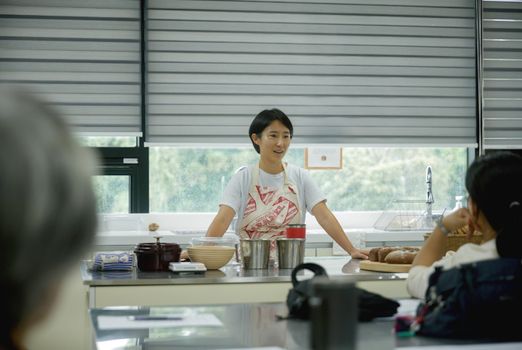
Beyond the Plate: How Market-to-Kitchen Cooking Classes Will Blow Your Mind
I'll never forget my first time in Marrakech. The labyrinthine souks, the snake charmers in Jemaa el-Fna, the sheer sensory overload. But amidst the vibrant chaos, I felt a disconnect. I was seeing Morocco, but I wasn’t feeling it in my bones. The food, while delicious, was often a mystery. How did they get those tagines so tender? What were those intoxicating spices?
That’s when a friend suggested a cooking class, but not just any class – one that started with a market tour. Skeptical but intrigued, I signed up. What followed was a revelation. Walking through the spice stalls with a local chef, learning to identify saffron by its aroma, understanding the difference between various types of preserved lemons – it wasn't just a lesson in cooking; it was a deep dive into Moroccan culture, history, and community. By the time we sat down to eat the tagine we had prepared, infused with stories and laughter, I knew I had unlocked a new dimension of travel.
This, my fellow adventurers, is the magic of market-to-kitchen cooking classes. They are not just about learning a recipe; they are an immersive, authentic, and utterly mind-blowing way to connect with a destination. Forget tourist traps and bland restaurant meals. Get ready to roll up your sleeves, tantalize your taste buds, and truly live the local cuisine.
Why Market-to-Table Classes Are a Game-Changer for Travelers
You might think a cooking class is just a cooking class. But when you add a market tour to the equation, you elevate the experience from a fun activity to a profound cultural immersion. Here’s why:
- Unveiling the "Why": A recipe is just a set of instructions. A market tour provides the context. You learn why certain ingredients are seasonal, why particular spices are paramount to a dish, and how locals interact with their food sources. It’s a living textbook of gastronomy.
- Sensory Overload (in the Best Way!): Picture this: the vibrant hues of exotic fruits, the earthy aroma of fresh herbs, the cacophony of vendors calling out their wares, the subtle texture of a perfectly ripe avocado. A market tour ignites all your senses, creating memories far more vivid than any postcard.
- Connecting with Locals: Your chef isn't just a teacher; they're your guide into the heart of local life. They introduce you to their favorite vendors, share stories about their childhood meals, and offer insights you’d never get from a guidebook. You become part of their world, even if just for a few hours.
- Ingredient Education: Ever wondered what kaffir lime leaves look like, or how to choose the freshest fish? The market is your classroom. You learn to select the best produce, understand regional specialties, and appreciate the journey of food from farm (or sea) to table. This knowledge empowers you to cook authentically long after your trip ends.
- Sustainability & Authenticity: These classes often champion local, seasonal ingredients, supporting small farmers and traditional practices. You’re not just learning to cook; you’re participating in a sustainable food ecosystem, ensuring authentic flavors and supporting the local economy.
It's this holistic approach that truly sets these experiences apart, transforming you from a passive observer into an active participant in the culinary narrative of a place.
The Magic Unfolds: A Global Culinary Journey
Ready to spice up your travels? Here are some of the most incredible destinations where market-to-kitchen cooking classes will absolutely blow your mind, complete with personal anecdotes and what to expect:
1. Florence, Italy: Mastering the Art of Pasta & Tuscan Flavors
My first cooking class in Florence began not in a kitchen, but in the bustling Sant'Ambrogio Market. The air was thick with the scent of cured meats, aged cheeses, and freshly baked bread. Our chef, Anna, a fiery Tuscan nonna with a twinkle in her eye, led us through stalls overflowing with seasonal vegetables. She taught us how to spot the sweetest tomatoes, choose the best pecorino, and even haggle (politely!) for the freshest basil.
Back in her charming, sun-drenched kitchen in the Oltrarno district, we transformed those ingredients into a feast: handmade tagliatelle with a rich ragu, a vibrant pappa al pomodoro, and a creamy tiramisu. Rolling the pasta dough by hand, feeling it transform under my fingertips, felt like unlocking an ancient secret. It wasn't just cooking; it was a dance with tradition.
- What to Expect: A deep dive into classic Italian cuisine. You'll learn to make fresh pasta from scratch, regional sauces, bruschetta, and often a traditional dessert like tiramisu or panna cotta. The market tour focuses on seasonal produce, local cheeses, cured meats, and olive oil.
- Typical Dishes: Tagliatelle al ragù, ravioli, pappa al pomodoro, cacio e pepe, tiramisu.
- Price Range: $90-$180 USD per person.
- Tripsora Tip: Look for classes that include wine pairings and a communal meal where you enjoy the fruits of your labor with your fellow foodies.
2. Chiang Mai, Thailand: A Symphony of Spices and Herbs
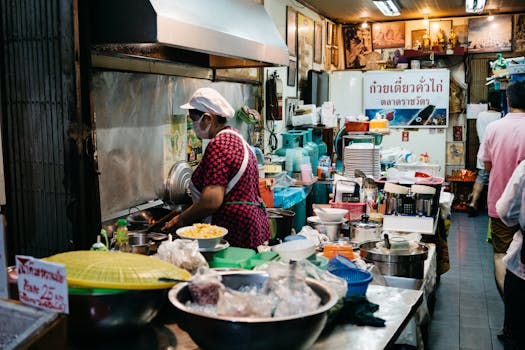
The first time I stepped into a Thai market, the explosion of colors, sounds, and smells almost overwhelmed me. In Chiang Mai, my chef, a jovial local named Lek, navigated the organized chaos with ease. He introduced me to galangal, lemongrass, and kaffir lime leaves – ingredients I’d only vaguely known from restaurant menus. He even showed me how to choose the perfect jasmine rice and the freshest coconut for milk.
Our cooking school was a charming open-air kitchen nestled amidst rice paddies just outside the city. Under Lek’s patient guidance, we pounded curry paste from scratch, stir-fried vibrant pad Thai, and simmered fragrant tom yum soup. The intensity of flavor from freshly ground spices was unlike anything I’d ever tasted. It was a revelation in balancing sweet, sour, salty, and spicy.
- What to Expect: An exploration of Thai herbs and spices. You'll learn to make your own curry paste, stir-fries, soups, and perhaps even a traditional Thai dessert like mango sticky rice. Many classes offer a choice of several dishes.
- Typical Dishes: Green Curry, Pad Thai, Tom Yum Goong, Spring Rolls, Mango Sticky Rice.
- Price Range: $30-$70 USD per person (often includes transportation).
- Tripsora Tip: Many schools offer vegetarian and vegan options, so don't hesitate to ask! Some even provide a recipe book to take home.
3. Hoi An, Vietnam: Culinary Delights by the Thu Bon River
Hoi An’s Ancient Town is magical, especially at dawn. My cooking adventure started with a pre-dawn trip to the bustling Hoi An Central Market, where vendors were already setting up their stalls under the glow of lanterns. Our guide, a passionate cook named Linh, helped us navigate the crowds, pointing out exotic fruits, fresh seafood, and mountains of aromatic herbs. We even took a short boat ride to collect some specific greens.
Back at a charming riverside kitchen, we learned to make fresh spring rolls that were light as air, the iconic Cao Lau noodles, and a rich fish in clay pot. Linh’s stories about her grandmother’s cooking and the history behind each dish made the experience incredibly personal. The highlight? Devouring our creations while overlooking the tranquil river.
- What to Expect: Focus on fresh herbs, light flavors, and traditional Vietnamese techniques. You'll likely learn to make spring rolls, pho or a noodle dish like Cao Lau, and perhaps a savory crepe or a fish dish.
- Typical Dishes: Fresh Spring Rolls, Cao Lau, Banh Xeo, Pho, Fish in Clay Pot.
- Price Range: $35-$80 USD per person.
- Tripsora Tip: Many classes in Hoi An include a boat trip as part of the market tour, adding an extra layer of charm to the experience.
4. Oaxaca, Mexico: The Soul of Mexican Cuisine
Oaxaca, a UNESCO World Heritage site, is often called the culinary capital of Mexico, and for good reason. My market tour started in Mercado Benito Juárez, a sensory explosion of vibrant chiles, exotic insects (yes, chapulines!), and the rich aroma of chocolate and mole. Our chef, Mateo, a proud Zapotec chef, explained the nuances of different chiles and introduced us to the ancient art of nixtamalization for tortillas.
In his family's traditional kitchen, we ground spices by hand, toasted chiles for a complex mole negro, and pressed fresh tortillas that puffed up perfectly on the comal. Learning to make mole, a dish with dozens of ingredients and hours of preparation, felt like participating in a sacred ritual. The depth of flavor was astounding, a true testament to the region's culinary heritage.
- What to Expect: A deep dive into pre-Hispanic and traditional Oaxacan cuisine, focusing on corn, chiles, and complex sauces like mole. You'll learn tortilla making, salsa preparation, and often a main dish like Tlayudas or tamales.
- Typical Dishes: Mole Negro, Tlayudas, Tamales, Salsas, Fresh Tortillas.
- Price Range: $70-$150 USD per person.
- Tripsora Tip: Look for classes that also include a chocolate-making demonstration or tasting, as Oaxaca is famous for its artisanal chocolate.
5. Marrakech, Morocco: Spices, Tagines, and Mint Tea
As I mentioned, my Marrakech market tour was my first, and it set the standard. Navigating the vibrant souks with Chef Fatima, we gathered an array of spices: cumin, turmeric, ginger, paprika, and the star, Ras el Hanout. She taught me to identify argan oil, choose the freshest vegetables, and even the subtle art of tasting olives from different regions.
Her kitchen, a cool, tiled oasis away from the heat of the souk, was where the real magic happened. We prepared a chicken tagine with preserved lemons and olives, a vibrant zaalouk (eggplant salad), and, of course, the ubiquitous mint tea. The communal act of chopping, stirring, and sharing stories over steaming tagines was truly unforgettable. It wasn't just food; it was hospitality, tradition, and connection.
- What to Expect: An immersion into Moroccan spices and slow-cooked dishes. You'll prepare a tagine (chicken, lamb, or vegetarian), a variety of fresh salads, and often learn the ritual of making mint tea.
- Typical Dishes: Chicken Tagine with Preserved Lemon & Olives, Lamb Tagine with Prunes, Zaalouk, Harira Soup, Moroccan Mint Tea.
- Price Range: $60-$120 USD per person.
- Tripsora Tip: Many classes are held in traditional riads or guesthouses, offering a beautiful and authentic setting.
What to Expect: Your Market-to-Kitchen Adventure
While each class is unique, here's a general roadmap of what your market-to-kitchen culinary adventure will look like:
- The Meet-Up: You'll typically meet your chef/instructor at a designated spot, often near the local market. Expect a warm welcome and a brief introduction to the day's plan.
- Market Exploration: This is the heart of the experience! Your chef will guide you through the bustling market, introducing you to local vendors, explaining different ingredients, and demonstrating how to select the freshest produce, spices, and meats. It’s an educational and sensory feast.
- Ingredient Gathering: Together, you'll purchase the ingredients needed for your meal. This hands-on selection process is crucial for understanding the local food ecosystem.
- Journey to the Kitchen: Depending on the location, you might take a short walk, a tuk-tuk, or even a boat ride to the cooking school or a local home kitchen.
- Hands-On Cooking: This is where the fun really begins! Under the guidance of your chef, you'll learn traditional techniques, chop, stir, sauté, and create your chosen dishes from scratch. Don't be afraid to get messy!
- Communal Feast: The best part! Sit down with your fellow participants and the chef to enjoy the delicious meal you've prepared. This is often accompanied by local drinks, lively conversation, and a sense of shared accomplishment.
- Recipes & Memories: You'll almost always leave with a recipe booklet to recreate the magic at home, along with unforgettable memories and perhaps even new friends.
Insider Tips for Booking Your Dream Culinary Experience
To ensure your market-to-kitchen cooking class is truly mind-blowing, keep these tips in mind:
- Research, Research, Research: Use reputable sites like TripAdvisor, local travel blogs, and even ask your hotel for recommendations. Look for classes with consistently high reviews that specifically mention market tours.
- Check Group Size: Do you prefer an intimate, private lesson or a lively small group? Class sizes can range from 2 to 15+ people.
- Dietary Restrictions: Always inform the school of any allergies or dietary preferences (vegetarian, vegan, gluten-free) before booking. Most reputable schools are very accommodating.
- What's Included? Confirm what the price covers: market tour, ingredients, cooking lesson, meal, drinks (alcoholic/non-alcoholic), recipes, and transportation to/from the market/school.
- Language Barrier: While many chefs speak excellent English, it's worth checking if a translator is available if you're concerned. Often, the universal language of food transcends words.
- Book in Advance: Especially for popular destinations and highly-rated schools, classes can fill up quickly, particularly during peak season.
- Wear Comfortable Shoes: You'll be doing a fair bit of walking in the market, so ditch the fancy footwear.
- Bring Your Camera (and an Empty Stomach!): Markets are incredibly photogenic, and you'll want to capture your culinary creations. And trust me, you'll want to savor every bite!
- Budget Wisely: Prices vary significantly by country and the exclusivity of the class. Factor this into your travel budget. While some might seem pricey, consider it an investment in a skill, a meal, and a profound cultural experience.
Beyond the Plate: The Lasting Impact
The beauty of a market-to-kitchen cooking class extends far beyond the delicious meal you'll enjoy that day.
You'll return home not just with recipes, but with a deeper understanding of a culture, a newfound appreciation for fresh ingredients, and the confidence to recreate authentic dishes in your own kitchen. I still make my Florentine tagliatelle and Thai green curry, and each time, the aromas transport me back to those bustling markets and warm kitchens.
These experiences foster connections – with locals, with fellow travelers, and with the very essence of a destination. They transform a trip into a journey of discovery, leaving you with skills, stories, and a full heart (and stomach!).
So, the next time you plan a trip, consider stepping out of your comfort zone and into a local market. Let a chef guide you through the wonders of their cuisine, and I promise, your mind (and your taste buds) will be utterly blown.
---
What's your most memorable culinary travel experience? Share your stories and photos with us using #TripsoraFoodie and tag @Tripsora on Instagram! We can't wait to see your delicious adventures!