The Secret Ingredient to Unforgettable Travel: Market-to-Table Magic
I still remember the first time I truly understood a place through its food. It wasn't in a Michelin-starred restaurant, nor a bustling street food stall, but amidst the organized chaos of a spice merchant's stand in Marrakech. The air was thick with cumin, turmeric, and something else – an intoxicating, earthy aroma I couldn't quite place. Our guide, a charismatic local chef named Fatima, scooped a handful of vibrant saffron threads into my palm, explaining their journey from distant fields to her tagine. That moment, holding the fragrant threads, was more profound than any museum visit. It was the genesis of my obsession: cooking classes that don't just teach you a recipe, but immerse you in the full journey from market to table.
For years, I’d been a traveler who ate to experience culture. But it wasn't until I started cooking that I truly began to understand it. There’s a profound difference between tasting a dish and understanding the hands that prepared it, the soil that nurtured its ingredients, and the cultural narrative woven into every bite. If you're ready to ditch the predictable tourist traps and dive headfirst into the authentic heart of a destination, then a market-to-table cooking class isn't just an activity – it's an absolute necessity. It's an experience that will blow your mind, transform your palate, and arm you with skills and stories to last a lifetime.
Why Market-to-Table is the Ultimate Culinary Immersion
So, what makes these combined experiences so utterly transformative? It's simple: you get the full story.
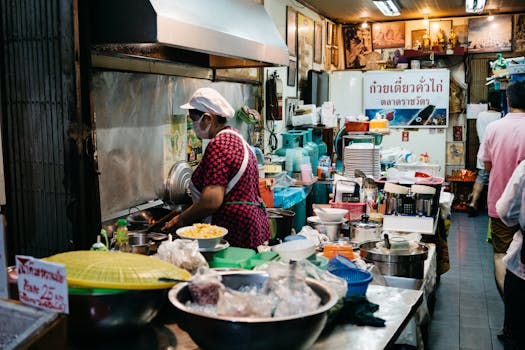
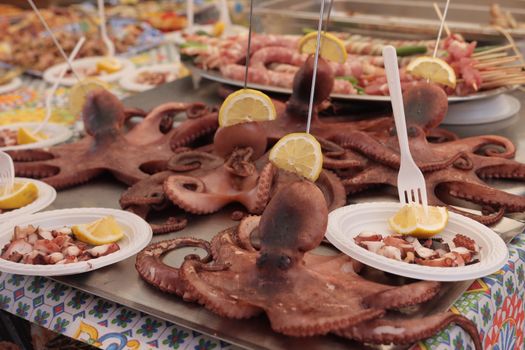
- The Sensory Overload of the Market: Before you even step into the kitchen, you're plunged into the vibrant, beating heart of local life. Imagine the cacophony of vendors calling out their wares, the rainbow of fresh produce, the exotic spices, the glistening fish. It's a feast for all five senses, a place where you learn about ingredients you never knew existed and witness the daily rhythm of a community. Your chef acts as your personal translator, guiding you through the labyrinth, explaining local customs, and teaching you how to select the freshest produce, the best cuts of meat, or the most fragrant herbs. This isn't just shopping; it's a cultural education.
- Ingredient Storytelling: You don't just cook with ingredients; you learn their stories. Where did this heirloom tomato come from? How is this specific chili traditionally used? What’s the secret to perfectly ripe avocado? Understanding the provenance and characteristics of each component elevates your cooking from mere instruction following to an intuitive art form.
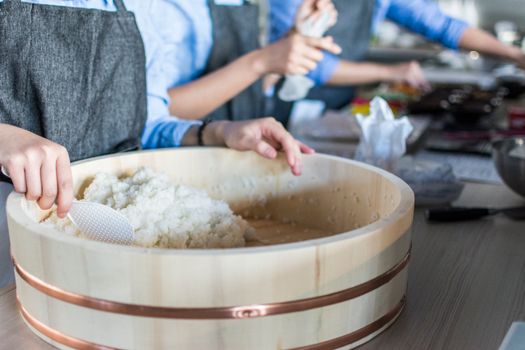
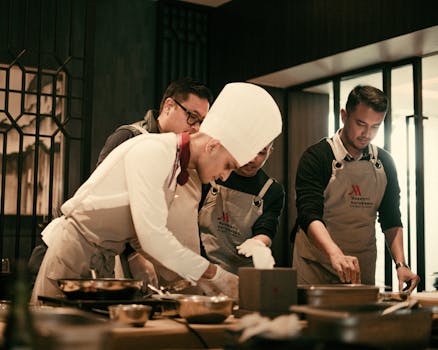
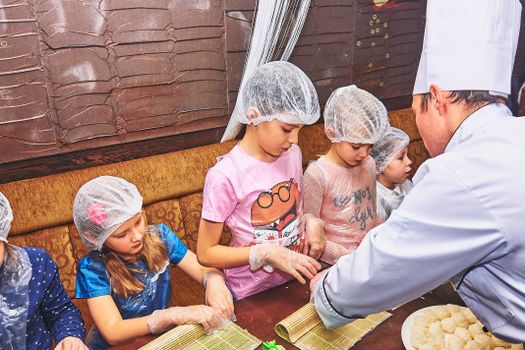
- Hands-On Cultural Exchange: In the kitchen, the real magic happens. You're not just watching; you're doing. You're kneading pasta dough with an Italian nonna, pounding curry paste with a Thai chef, or perfectly wrapping a Vietnamese spring roll with expert guidance. These are often small, intimate groups, fostering genuine connection with your instructor and fellow travelers. You'll hear personal anecdotes, learn family secrets passed down through generations, and gain insights into local life that no guidebook could ever provide.
- Beyond the Recipe – The Philosophy: These classes often delve deeper than just ingredients and techniques. They explore the philosophy behind the cuisine – the importance of communal eating in Italy, the balance of flavors in Thai food, the concept of freshness in Vietnamese dishes. You learn not just how to cook, but why certain dishes are prepared a certain way, and their significance in the local culture.
- Sustainable & Ethical Travel: By supporting local chefs, markets, and small businesses, you're contributing directly to the local economy. You're choosing an experience that values authenticity and community over mass tourism, often using ingredients sourced sustainably from local farmers.
My Top Picks: Mind-Blowing Market & Kitchen Adventures
Having scoured markets and kitchens across the globe, here are some of my all-time favorite market-to-table experiences that truly blew my mind, complete with details to help you plan your own:
1. Florence, Italy: Mastering Pasta with a Tuscan Soul
My first true market-to-table experience was in Florence, a city already steeped in culinary romance. We met our chef, Isabella, a vivacious woman whose family had run a small trattoria for generations, right outside the bustling Mercato Centrale.
- The Market Immersion: Isabella led us through the vibrant stalls, introducing us to local farmers, explaining the difference between various Pecorino cheeses, and showing us how to pick the perfect San Marzano tomatoes. I remember the rich, earthy smell of porcini mushrooms and the sight of freshly made pasta hanging like golden ribbons. We gathered fresh basil, garlic, and the ripest seasonal vegetables. It felt less like shopping and more like an initiation into Italian culinary secrets.
- The Kitchen Magic: Back in her cozy, sun-drenched kitchen, we learned to make fresh tagliatelle from scratch – the rhythmic kneading of the dough, the delicate rolling until it was almost translucent, and the precise cutting. We crafted a rich ragù, a vibrant pesto, and a decadent tiramisu. Isabella’s stories about her nonna, her childhood, and the importance of food in Italian family life made every step feel deeply personal.
- What You'll Learn: Fresh pasta (usually 2-3 types), classic sauces (ragù, pesto, cacio e pepe), a traditional dessert (tiramisu or panna cotta).
- Typical Cost & Duration: €100-€150 (approx. $110-$165 USD) for a 4-5 hour class, including market tour, cooking, and a full meal with wine.
- Why it Blew My Mind: It wasn't just the delicious food; it was the intimate connection to Italian family traditions and the sheer joy of creating something so beautiful and authentic with my own hands. The pasta, still warm from the pot, tasted like pure love.
2. Chiang Mai, Thailand: A Symphony of Spice and Fragrance
Thailand is a sensory explosion, and its food reflects that. My cooking class in Chiang Mai was a whirlwind of vibrant colors, pungent aromas, and exhilarating flavors.
- The Market Immersion: Our chef, Lek, met us at a local fresh market away from the tourist crowds. She pointed out exotic fruits like rambutan and mangosteen, explained the different varieties of Thai basil, and showed us how to identify the freshest galangal and lemongrass. We learned about the key components of curry paste, grinding fresh chilis and herbs with a mortar and pestle right there at the stall. The air was thick with the scent of jasmine rice and fish sauce – a quintessentially Thai perfume.
- The Kitchen Magic: At her open-air kitchen, surrounded by lush greenery, we each had our own wok station. Lek guided us through making green curry paste from scratch, a fragrant pad Thai, a spicy Tom Yum soup, and a creamy mango sticky rice. The speed and precision with which she taught us to chop, stir-fry, and balance flavors was incredible. The heat from the wok, the sizzle of ingredients, and the constant aroma of garlic and chili created an unforgettable atmosphere.
- What You'll Learn: Usually 4-5 dishes, including a curry (green, red, or Massaman), a stir-fry (Pad Thai or Pad See Ew), a soup (Tom Yum or Tom Kha Gai), and a dessert (mango sticky rice).
- Typical Cost & Duration: ฿1,000-฿1,500 (approx. $30-$45 USD) for a 4-6 hour class, including market tour, all ingredients, and a recipe booklet.
- Why it Blew My Mind: The sheer explosion of flavors and the satisfaction of creating complex dishes from simple, fresh ingredients. I learned to balance sweet, sour, salty, and spicy – a true revelation. Plus, eating my own perfectly wok-fried Pad Thai was a moment of pure bliss.
3. Hoi An, Vietnam: The Art of Balance and Freshness
Hoi An, with its lantern-lit streets and ancient charm, offers a culinary journey centered on freshness and delicate flavors. My experience there was all about understanding the balance that defines Vietnamese cuisine.
- The Market Immersion: We started at Hoi An's bustling central market, a kaleidoscope of fresh produce, live seafood, and aromatic herbs. Our chef, a gentle woman named Linh, taught us how to select the freshest rice paper for spring rolls, explained the different types of noodles, and introduced us to unique Vietnamese herbs like perilla and mint. I was fascinated by the sheer variety of greens and the vibrant colors of the fresh produce.
- The Kitchen Magic: We took a short boat ride down the Thu Bon River to a serene cooking school nestled by the rice paddies. Here, we learned to make fresh spring rolls (gỏi cuốn), crispy fried spring rolls (nem rán), the iconic Vietnamese pho (phở), and a delicious mango salad. Linh emphasized the importance of fresh ingredients and the art of dipping sauces. Rolling the delicate spring rolls perfectly was a challenge, but incredibly rewarding.
- What You'll Learn: Typically 3-4 dishes, including fresh and fried spring rolls, a noodle dish (Pho or Cao Lau), and a salad or pancake (Banh Xeo).
- Typical Cost & Duration: ₫500,000-₫800,000 (approx. $20-$35 USD) for a 3-4 hour class, often including a boat trip, market tour, and meal.
- Why it Blew My Mind: The emphasis on fresh herbs and vegetables, and the incredible balance of flavors in every dish. I discovered a newfound appreciation for the simplicity and elegance of Vietnamese cuisine. Learning to make authentic pho broth was a game-changer!
4. Oaxaca, Mexico: A Deep Dive into Mole and Maize
Oaxaca, often called the culinary capital of Mexico, is a place where food is intertwined with history and identity. My market-to-table experience here was a deep dive into ancient traditions, particularly the art of mole.
- The Market Immersion: Our chef, Ricardo, met us at Mercado de Abastos, one of the largest and most vibrant markets in Mexico. The sheer scale was overwhelming, but Ricardo navigated it with ease, introducing us to vendors selling mountains of dried chiles, exotic fruits, and freshly ground masa. He explained the cultural significance of corn, the different types of Oaxaca cheese, and the complex flavor profiles of various chiles. The smell of roasting corn and simmering stews was intoxicating.
- The Kitchen Magic: In a beautifully rustic kitchen, we embarked on the monumental task of making Mole Negro – a dish with dozens of ingredients and hours of patient cooking. We toasted chiles, ground spices on a metate (traditional grinding stone), and slowly simmered the rich, complex sauce. We also learned to press fresh corn tortillas by hand and prepare a vibrant salsa. The process was meditative, and the result, a deep, dark, incredibly flavorful mole, was nothing short of miraculous.
- What You'll Learn: Often focuses on a complex mole (Negro, Rojo, or Amarillo), fresh tortillas, a salsa, and perhaps a traditional soup or appetizer.
- Typical Cost & Duration: MXN 1,500-MXN 2,500 (approx. $80-$130 USD) for a 5-6 hour class, including market tour, all ingredients, and a full meal.
- Why it Blew My Mind: The sheer dedication and complexity involved in traditional Oaxacan cooking, especially mole. It taught me patience and a profound respect for the generations of culinary knowledge passed down. Eating that mole, knowing every ingredient that went into it, was an almost spiritual experience.
Beyond the Recipe: What You'll Truly Gain
While you'll leave these classes with new recipes and cooking skills, the true gains are far more profound:
- A Deeper Cultural Understanding: You'll connect with locals on a personal level, gaining insights into their daily lives, traditions, and values. Food is a universal language, and these experiences offer a unique form of dialogue.
- Confidence in the Kitchen: Even if you're a novice, you'll gain confidence in handling new ingredients, mastering techniques, and experimenting with flavors.
- A More Adventurous Palate: You'll discover new flavors, textures, and ingredient combinations, expanding your culinary horizons and making you a more adventurous eater.
- Unforgettable Memories & Stories: These aren't just classes; they're adventures. You'll have incredible stories to share, complete with vivid details and personal triumphs.
- Support for Local Communities: By choosing small, locally run cooking schools and purchasing ingredients from local markets, you're directly contributing to the economic well-being of the communities you visit.
Practical Tips for Your Market & Kitchen Adventure
Ready to book your own mind-blowing culinary journey? Here’s some actionable advice to make the most of it:
- Book in Advance: Especially for popular destinations or highly-rated schools, classes fill up quickly. Research and book several weeks or even months ahead.
- Read Reviews: Look for classes with small group sizes, experienced local chefs, and positive feedback on the market tour component.
- Check the Menu: Ensure the dishes taught align with your interests and dietary preferences (many offer vegetarian/vegan options, but confirm ahead).
- Come Hungry (and Hydrated!): Most classes culminate in feasting on your creations, so arrive with an empty stomach. The market tours can also be long, so bring water.
- Wear Comfortable Shoes: You'll be doing a lot of walking in the market, often on uneven terrain.
- Bring a Camera (and an Empty Phone): These experiences are incredibly Instagram-worthy, from the vibrant market stalls to your beautifully plated dishes. Make sure your phone has plenty of storage!
- Ask Questions! Your chef is a treasure trove of knowledge. Don't be shy – ask about techniques, ingredients, local customs, and family stories.
- Be Open-Minded: Embrace new flavors, smells, and even cooking methods. This is your chance to step outside your comfort zone.
- Pack a Small Bag: You might want to buy a few spices or ingredients from the market to take home, if customs allow.
- Tip Your Instructor: If you had a fantastic experience, a gratuity is always appreciated, especially in cultures where tipping is customary.
The Taste of True Travel
Forget the postcards. Forget the generic tourist menus. The true essence of a destination isn't just seen; it's tasted, touched, smelled, and created. A cooking class that includes a market tour isn't just a lesson; it's an immersive cultural exchange, a vibrant sensory journey, and a delicious adventure that will connect you to a place on a deeper, more personal level than you ever thought possible.
So, on your next trip, swap the predictable for the profoundly authentic. Get your hands dirty, ignite your senses, and let the magic of market-to-table cooking blow your mind. Your taste buds, and your soul, will thank you.
Ready to swap tourist traps for authentic tastes? Dive into a market-to-table adventure on your next trip! Share your favorite culinary destinations in the comments below!
---