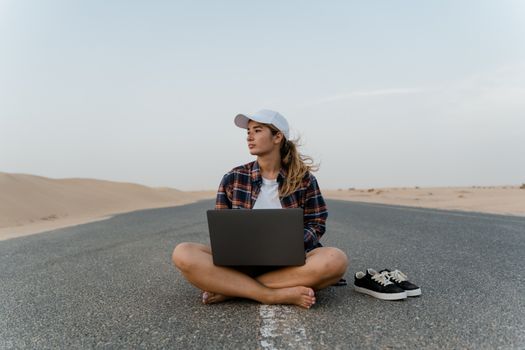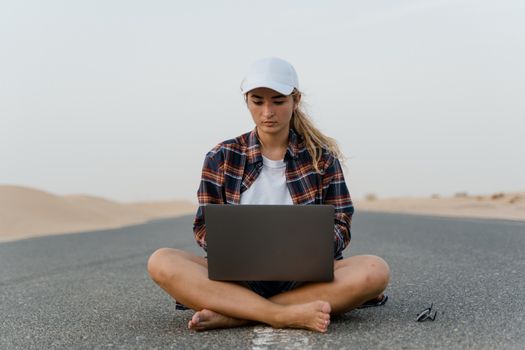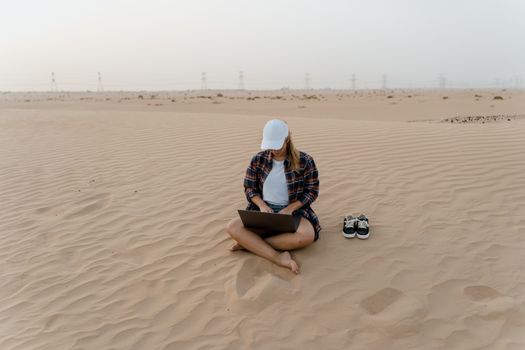
Remember that moment you first realized you could work from anywhere? For me, it was a dreary Tuesday morning, staring out my office window at the same grey sky I’d seen for years. I was scrolling through Instagram, seeing friends posting from Bali, Lisbon, and Tulum, all while still hitting their deadlines. The seed was planted: I could do this. I had to do this.
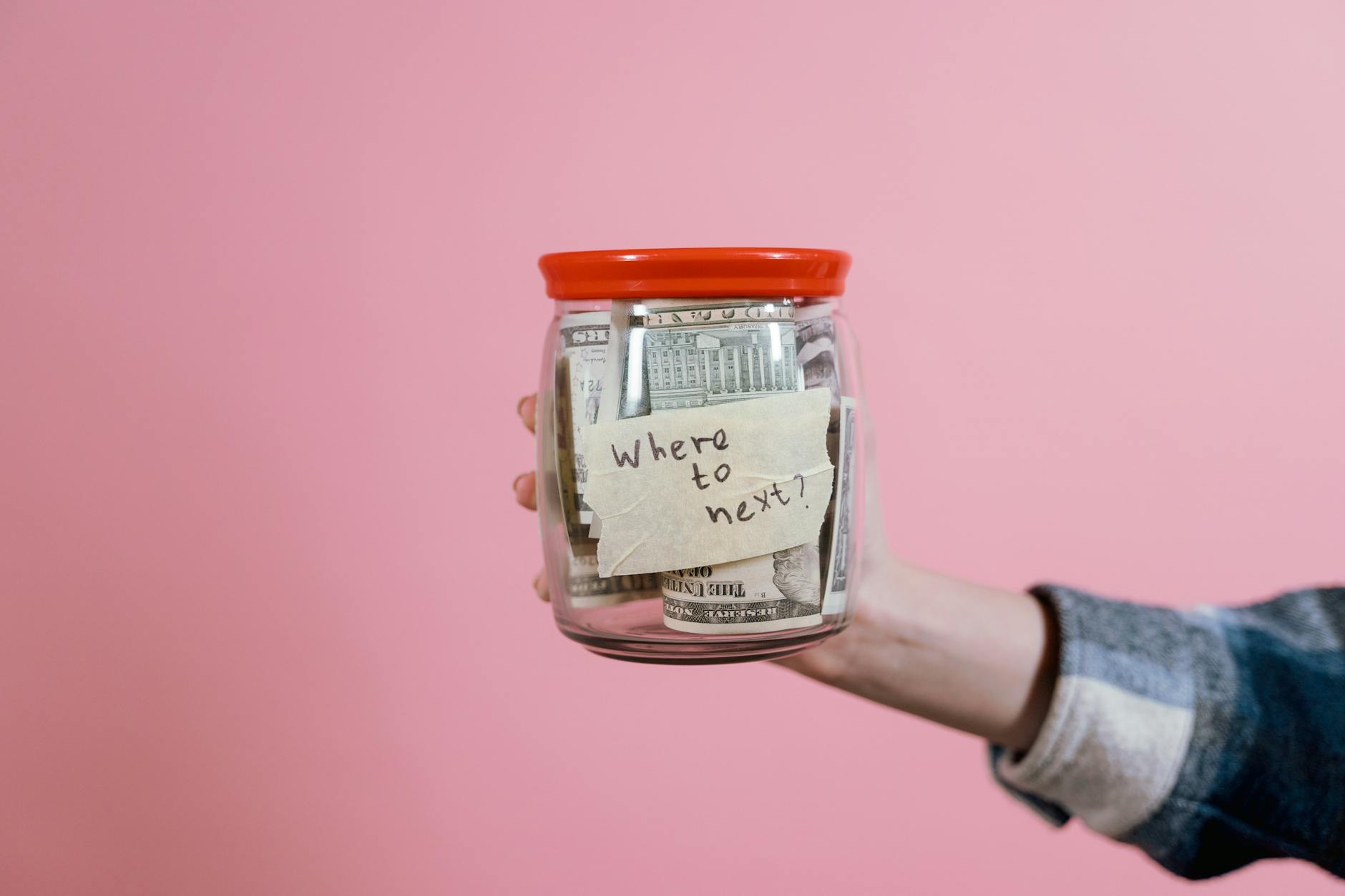
But then came the inevitable question: how the heck do I afford it? Flights, accommodation, food, experiences – it all adds up. For a while, I thought "free travel" was just a myth, a clickbait headline. Then, I met seasoned nomads who weren't just surviving, but thriving by leveraging ingenious, often overlooked strategies to eliminate their biggest expenses. They weren’t just saving money; they were unlocking deeper, more authentic travel experiences.
The world of digital nomadism has evolved, and with it, the ways to make travel incredibly affordable – sometimes even free. These aren't just obscure hacks; these are trending, community-driven methods that are more accessible than ever. Forget couch-surfing with strangers (unless you want to!), and say hello to genuine, enriching experiences that cover your costs. Ready to ditch the hefty travel budget and embrace true freedom? Let’s dive into the top ways digital nomads are traveling for free right now.
1. The House Sitting Revolution: Your Home Away From Home (with Furry Friends!)
This isn't just a trend; it's a lifestyle for many savvy nomads, and it's booming! House sitting involves caring for someone's home and often their pets while they're away, in exchange for free accommodation. Think about it: your biggest travel expense, housing, completely eliminated. And the best part? You get to live like a local, often in beautiful, comfortable homes you'd never afford otherwise.
My first house sit was in a gorgeous apartment in Barcelona, overlooking a bustling square. My "job" was to look after a mischievous tabby named Luna and water a few plants. For two weeks, I lived rent-free, explored the Gothic Quarter by day, and enjoyed evenings on a sun-drenched balcony. It felt less like a job and more like a privileged cultural immersion.
Why it's trending:
The pandemic made people more comfortable with remote work, but also highlighted the need for reliable pet and home care for those who travel. Platforms have become more user-friendly, and the community has grown exponentially.
How to get started:
* Create a stellar profile: Treat it like a job application. Highlight your reliability, previous pet care experience (even if it's just your childhood dog!), and any unique skills (gardening, basic maintenance). Include clear, friendly photos.
* Get references: Ask friends, former landlords, or even past pet owners to vouch for you. Even a character reference goes a long way.
* Be proactive: Search regularly and apply quickly. Personalize your applications – mention the pets by name, highlight why you're a good fit for their home.
* Start small: Your first few sits might be shorter or in less "glamorous" locations, but they build your profile and reviews.
Top Platforms:
* TrustedHousesitters: The biggest and most popular, with opportunities worldwide. (Annual membership fee, but worth it for the volume of listings).
* HouseCarers: Another global option, often with slightly fewer listings but competitive.
* Nomador: Focuses on European sits, with a great community feel.
Instagram-worthy moment:
Snuggling with a fluffy golden retriever on a sofa overlooking the Swiss Alps, or a panoramic view from your temporary villa in Tuscany. #HousesittingAdventures #FreeAccommodation #PetSittingLife
2. Work Exchange & Voluntourism: Trade Skills for Stays
This is where your time and skills become currency. Work exchange programs allow you to trade a few hours of work a day for free accommodation, and sometimes even meals. It’s a fantastic way to immerse yourself in local culture, learn new skills, and make genuine connections, all while keeping your travel budget in check.
I once spent a month in a small coastal town in Portugal, working a few hours a day at a vibrant surf hostel. My tasks varied from helping with check-ins and social media to organizing evening events. In return, I had a free bed in a staff dorm, breakfast, and access to surf lessons. I met incredible people from all over the world, improved my Portuguese, and explored hidden beaches. It wasn't just free; it was profoundly enriching.
Why it's trending:
Post-pandemic, many local businesses, hostels, and eco-projects are eager for help, and travelers are seeking more meaningful, sustainable experiences beyond typical tourism. The desire for community and connection is strong.
Types of work:
* Hostel work: Reception, cleaning, bartending, social media, event organizing.
* Farm work: Gardening, animal care, harvesting (e.g., WWOOFing).
* Eco-projects: Conservation, sustainable building, permaculture.
* Language exchange: Teaching English or another language to locals.
* Creative tasks: Photography, videography, web design for small businesses.
Top Platforms:
* Worldpackers: Great for beginners, with excellent support and a wide variety of roles, often focused on social impact. (Membership fee)
* Workaway: Massive database of hosts worldwide, covering almost any type of exchange imaginable. (Membership fee)
* WWOOF: (World Wide Opportunities on Organic Farms) Specifically for farm-based exchanges, focusing on organic and sustainable living. (Membership fee per country/region)
Practical Tips:
* Read reviews carefully: Understand the host’s expectations and previous volunteers' experiences.
* Communicate clearly: Discuss hours, tasks, and what's included (food, private room, etc.) before you commit.
* Be open-minded: Some of the best experiences come from stepping outside your comfort zone.
Instagram-worthy moment:
Harvesting grapes in a sunny Italian vineyard, teaching English to enthusiastic kids in Southeast Asia, or building an eco-lodge in the Costa Rican jungle. #WorkExchange #VolunteerTravel #SustainableNomad
3. Skill-Based Bartering & Creative Collaborations: Your Talent is Your Ticket
As a digital nomad, you have skills! Whether you're a writer, photographer, videographer, social media manager, web designer, or even a yoga instructor, your professional expertise can be traded for free accommodation, tours, meals, or other services. This isn't charity; it's a mutually beneficial exchange where you provide value that a business needs.
I once knew a photographer who funded a month-long trip through Southeast Asia by offering hotels and guesthouses stunning promotional photos for their websites and social media. He stayed in beautiful places, ate delicious food, and built an incredible portfolio, all without spending a dime on accommodation. Another friend, a social media consultant, managed the Instagram for a boutique hotel in Bali in exchange for a free stay in their most luxurious suite.
Why it's trending:
Small businesses, particularly in tourism, often lack the budget for professional marketing and content creation. They are increasingly open to collaborations with skilled nomads who can deliver high-quality work in exchange for services.
How to make it happen:
* Identify your marketable skills: What can you offer that a small business, hostel, or tour operator might need?
* Build a strong portfolio: Showcase your best work. If you're a writer, have compelling samples. If you're a photographer, a stunning online gallery.
* Research and pitch: Identify businesses in your desired location that could benefit from your skills. Craft a personalized, professional pitch that clearly outlines what you can offer and what you expect in return.
* Define deliverables: Be clear about the scope of work, deadlines, and what you're getting. Put it in writing.
Potential collaborators:
* Boutique hotels, hostels, guesthouses
* Local tour operators
* Restaurants or cafes
* Yoga studios, wellness centers
* Local artisans or businesses needing online presence
Instagram-worthy moment:
A behind-the-scenes shot of you filming a drone video over a stunning resort, a professional headshot taken at a picturesque location you got for free, or a flat lay of your creative work in a beautiful cafe. #SkillExchange #TravelForTalent #ContentCreatorLife
4. Travel Hacking & Credit Card Rewards: The Savvy Nomad's Secret Weapon
This isn't about getting free travel through sheer luck; it's about strategic planning and leveraging financial systems to your advantage. Travel hacking involves using credit card sign-up bonuses, loyalty programs, and smart spending to earn points and miles that can be redeemed for free flights, hotel stays, and even upgrades. It's a game of strategy, and when played well, it can cover significant travel costs.
My most epic travel hack? A free business class flight to Japan. I had accumulated points through a combination of a sign-up bonus on a travel rewards credit card and by putting all my regular business expenses on it. The feeling of sipping champagne at 30,000 feet, knowing I hadn't paid a penny for the ticket, was exhilarating. It wasn't just free travel; it was luxury free travel.
Why it's trending:
As more people work remotely and have flexible schedules, they're more incentivized to maximize their travel opportunities. The digital tools and communities for travel hacking have also become more sophisticated and accessible.
How to become a travel hacker:
* Educate yourself: Understand how different points systems work (airline miles, hotel points, flexible points).
* Choose the right cards: Research credit cards with generous sign-up bonuses for travel, focusing on categories where you spend most (e.g., dining, groceries).
* Meet minimum spending requirements: This is crucial for unlocking sign-up bonuses. Plan your purchases strategically.
* Pay off your balance immediately: This isn't about going into debt. Responsible credit card use is paramount. Never carry a balance.
* Be flexible: The best deals often come with flexibility on dates and destinations.
* Leverage loyalty programs: Sign up for every airline and hotel loyalty program, even if you don't fly/stay often. Points add up!
Practical Tips:
* Start small: Aim for a free domestic flight or a few hotel nights before tackling international business class.
* Track your points: Use apps or spreadsheets to keep tabs on your balances and expiration dates.
* Focus on a goal: Want a free flight to Thailand? Research which cards and programs will get you there fastest.
Instagram-worthy moment:
Lounging in a luxurious airport lounge with free food and drinks, a selfie from your business class seat, or a photo of a stunning hotel room you got for free. #TravelHacking #PointsAndMiles #FreeFlights
5. Destination Marketing & Content Creation Residencies: Get Paid to Explore!
This is the holy grail for many digital nomads with a strong online presence. Tourism boards, hotels, and even entire regions are increasingly collaborating with content creators (bloggers, YouTubers, Instagrammers, TikTokers) to showcase their destinations. In exchange for creating engaging content, you can receive free flights, accommodation, meals, tours, and sometimes even a stipend.
I know a travel blogger who landed a fully funded trip to explore the lesser-known regions of Portugal. She spent two weeks hiking, exploring vineyards, and discovering hidden villages, all while creating stunning photos and videos for the regional tourism board. It was a dream assignment: getting paid to do what she loved in a beautiful country. These aren't just press trips for traditional media anymore; they're open to independent creators who can demonstrate reach and engagement.
Why it's trending:
Authentic, user-generated content is gold for destinations. Influencer marketing offers a direct, relatable way to reach target audiences, making these collaborations a cost-effective alternative to traditional advertising.
How to position yourself:
* Build a strong platform: Whether it's a blog, YouTube channel, Instagram, or TikTok, cultivate an engaged audience relevant to travel.
* Define your niche: Are you an adventure traveler, a luxury seeker, a budget backpacker, or a foodie? A clear niche makes you attractive to specific destinations.
* Create a professional media kit: This should include your audience demographics, engagement rates, past collaborations, and what services you offer (photography, video, blog posts, social media takeovers).
* Network: Connect with other travel creators, attend industry events (online or in-person), and follow destination marketing organizations.
* Craft compelling pitches: Research the destination/brand, explain how your unique voice and audience can help them achieve their marketing goals.
Practical Tips:
* Quality over quantity: A smaller, highly engaged audience is often more valuable than a massive, disengaged one.
* Be professional: Treat these opportunities like a business partnership. Deliver on your promises.
* Be transparent: Always disclose sponsored content as per ethical guidelines.
Instagram-worthy moment:
A candid shot exploring a unique local market, a drone shot of an untouched landscape, or a selfie with local artisans while on a sponsored trip. #TravelContentCreator #DestinationMarketing #SponsoredTravel
6. Grant & Scholarship Opportunities: Funding Your Impact
While not as common for pure leisure travel, if your digital nomad lifestyle intertwines with a project that has a social, environmental, or cultural impact, there are grants and scholarships available. These opportunities are often geared towards researchers, artists, educators, or individuals working on specific community development projects.
Imagine a digital nomad who is also a documentary filmmaker, traveling to remote areas to tell stories of environmental conservation. Or a freelance journalist receiving a grant to report on sustainable tourism practices in Latin America. These aren't just free trips; they're fully funded projects that allow you to travel, work, and make a difference.
Why it's trending:
There's a growing global awareness of pressing issues, and organizations are actively seeking individuals with skills and passion to contribute. The remote work revolution means these projects can be undertaken by location-independent professionals.
How to find and apply:
* Identify your niche: What unique skills or passions do you have that could contribute to a larger cause?
* Research funding bodies: Look for foundations, non-profits, government programs, and even corporate social responsibility initiatives that align with your project idea.
* Develop a strong proposal: Clearly articulate your project's goals, methodology, expected impact, and budget. Highlight your digital nomad flexibility as an asset.
* Showcase your expertise: Provide a portfolio or resume that demonstrates your ability to execute the project.
Resources:
* Idealist.org: Often lists volunteer, grant, and fellowship opportunities.
* Specific foundations: e.g., National Geographic Society (for explorers/storytellers), Fulbright (for cultural exchange/research), environmental grants.
* University programs: Many universities offer grants for alumni or researchers.
Instagram-worthy moment:
Working on a community project with locals, documenting wildlife in a protected reserve, or presenting your findings at an international conference. #ImpactTravel #GrantsForGood #PurposefulNomad
7. Micro-Communities & Co-Living Spaces: A Hybrid Approach
While not strictly "free," this trending model significantly reduces living costs and offers an incredible support system. Many co-living spaces and nomadic communities offer discounted rates or even free stays in exchange for specific skills or contributions to the community (e.g., managing social media, organizing events, providing photography, or even cooking for the group). It's a blend of work exchange and community building.
I spent a month at a co-living space in Medellín, Colombia. While I paid a reduced rate for my private room, several residents were there completely free, contributing their marketing skills to promote the space, or their culinary talents to organize weekly community dinners. The value wasn't just in the reduced cost; it was in the instant community, the shared knowledge, and the collaborative atmosphere.
Why it's trending:
Digital nomads crave community and often feel isolated. Co-living spaces and micro-communities directly address this, offering a built-in network and opportunities for skill exchange. The focus on shared resources and experiences makes it a cost-effective and enriching choice.
How to find these opportunities:
* Search for "digital nomad co-living + [destination]": Many spaces have specific programs or offer opportunities for residents to contribute skills.
* Join digital nomad Facebook groups: These are goldmines for finding less formal, community-run initiatives.
* Network in person: Once you're in a location, ask around. Word-of-mouth is powerful in these communities.
* Be clear about your contribution: Propose what you can offer to enhance the community or the space.
Practical Tips:
* Research the vibe: Ensure the community aligns with your values and work style.
* Be a good housemate: Your reputation in these close-knit communities is everything.
* Contribute genuinely: The more you put in, the more you'll get out of the experience.
Instagram-worthy moment:
A vibrant group photo at a co-working space, a shared meal with your international housemates, or a candid shot of a skill-share workshop in progress. #CoLiving #DigitalNomadCommunity #SharedAdventures
---
The World is Your Oyster (and it Doesn't Have to Cost a Fortune!)
The dream of traveling the world as a digital nomad, unburdened by crippling expenses, is no longer a distant fantasy. It's a tangible reality, powered by ingenuity, community, and a willingness to step outside the traditional travel paradigm. These trending methods – from cuddling pets in a stranger's home to flying business class on points, or trading your skills for stunning stays – offer not just free travel, but deeper, more authentic, and often more rewarding experiences.
So, what are you waiting for? The world is calling, and your next adventure doesn't have to break the bank. Start researching, start pitching, and start planning. Your journey of free, authentic travel begins now.
Which of these strategies are you most excited to try? Share your thoughts and any free travel tips you have in the comments below! Let's inspire each other to explore more, spend less, and live fully.
---