The Call of the Wild: My First Steps into a Greener Future
I stepped off the battered jeep, the scent of damp earth and something wild – a musky, untamed aroma – filling my lungs. The humid air clung to my skin, a stark contrast to the sterile city I’d left behind. Before me, a sea of emerald green stretched to the horizon, punctuated by the raucous symphony of unseen creatures. This wasn't a manicured botanical garden; this was the real deal, a living, breathing testament to the power of dedicated conservation. I was at the doorstep of a project that promised not just a holiday, but a chance to contribute, to become a temporary guardian of this precious corner of the planet. And let me tell you, the experts are right – these are the experiences that redefine travel.
For too long, conservation has felt like a distant concept, something for scientists and dedicated activists. But the landscape of responsible travel is shifting, and thankfully, many incredible organizations now open their doors to short-term visitors eager to lend a hand. These aren't just volunteer gigs; they're immersive, educational, and profoundly rewarding journeys that connect you directly with the vital work of protecting our natural world. Forget passive sightseeing; this is active participation in something far bigger than yourself.
Why Short-Term Conservation Projects Are the Future of Travel
The beauty of short-term conservation projects lies in their accessibility. You don't need to dedicate months or years to make a tangible impact. A week, two weeks, even just a few days can be enough to contribute meaningfully and gain an unparalleled insight into conservation challenges and triumphs. These projects offer a unique blend of adventure, learning, and ethical engagement that’s increasingly sought after by conscious travelers.
Pro-Tip:
Look for projects that clearly outline the specific tasks visitors will undertake. This ensures you have realistic expectations and can choose a project that aligns with your interests and physical capabilities.
Expert-Recommended Gems: Where Your Hands Can Heal the Earth
I've scoured the globe, spoken to seasoned conservationists, and sifted through countless programs to bring you the crème de la crème – projects that are not only doing vital work but are also exceptionally well-managed and welcoming to short-term visitors.
1. The Rhinos of Lewa Wildlife Conservancy, Kenya: Guardians of the Plains
Imagine the thrill of tracking a white rhino, its immense power palpable even from a distance, knowing your presence is contributing to its protection. Lewa is a world-renowned rhino sanctuary, a beacon of hope for these magnificent creatures. Short-term visitors here can participate in a range of activities, from anti-poaching patrols (yes, you read that right!) to habitat monitoring and community outreach.
- Insider Lingo: "Rhino monitoring" often involves driving or walking designated routes, recording sightings, and noting any signs of distress or poaching activity. It's more than just spotting; it's about being eyes and ears for the rangers.
- The Vibe: Early mornings are crisp, filled with the distant calls of birds. As the sun climbs, the savanna awakens, a golden panorama dotted with acacia trees. The camaraderie among visitors and rangers is palpable, a shared mission creating an instant bond.
Quick Facts: Lewa Wildlife Conservancy
| Aspect | Details |
| :-------------- | :--------------------------------------------------------------------------------------------------------------------------------------------------------------------------------------------------- |
| Estimated Cost | $1,500 - $3,000+ per week (includes accommodation, meals, activities, and a contribution to the conservancy). Varies based on accommodation type and duration. |
| Best Time to Visit | Dry season (June to October) for easier wildlife viewing and tracking. |
| How to Get There | Fly into Jomo Kenyatta International Airport (NBO) in Nairobi, then take a domestic flight to Nanyuki Airstrip, followed by a transfer to Lewa. |
| Accommodation | Comfortable lodges and tented camps within the conservancy. |
| Activities | Rhino tracking, anti-poaching patrols, wildlife monitoring, guided walks, community visits, educational talks. |
Pro-Tip:
Pack high-quality binoculars. The detail you can observe on a rhino from a safe distance is incredible.
2. Coral Reef Restoration in the Maldives: Diving for Diversity
The Maldives, synonymous with turquoise waters and overwater bungalows, is also on the frontline of coral bleaching. Projects here are crucial for rebuilding these vital underwater ecosystems. As a visitor, you can get your hands (or rather, your fins) dirty by participating in coral fragment collection, nursery maintenance, and outplanting.
- Insider Lingo: "Coral gardening" involves growing coral fragments in underwater nurseries before transplanting them to degraded reefs. It's like underwater horticulture!
- The Vibe: The water is impossibly clear, teeming with vibrant fish. The gentle sway of the ocean, the muffled sounds of your breathing through the regulator, and the sheer kaleidoscope of colors beneath the surface create a meditative and awe-inspiring experience.
Quick Facts: Coral Reef Restoration (Various Projects in the Maldives)
| Aspect | Details |
| :-------------- | :--------------------------------------------------------------------------------------------------------------------------------------------------------------------------------------------------- |
| Estimated Cost | $1,000 - $2,500+ per week (often bundled with resort stays or dedicated eco-lodges, includes accommodation, meals, diving, and project fees). |
| Best Time to Visit | Dry season (November to April) for calmer seas and best visibility. |
| How to Get There | Fly into Velana International Airport (MLE) in Malé, then take a seaplane or speedboat transfer to your chosen island resort or dive center. |
| Accommodation | Eco-lodges, guesthouses, or dedicated dive resorts. |
| Activities | Coral fragment collection, coral nursery maintenance, coral outplanting, reef surveys, snorkeling, diving, marine biology presentations. |
Pro-Tip:
Get PADI certified (or equivalent) beforehand if you aren't already. This will maximize your ability to participate in the underwater tasks.
3. Orangutan Rehabilitation in Borneo, Indonesia: A Gentle Giant's Second Chance
The plight of the orangutan is heartbreaking, but organizations in Borneo are fighting tirelessly to give these intelligent primates a future. Short-term volunteers can assist with daily tasks like preparing food, cleaning enclosures, and helping with enrichment activities. This isn't about petting the animals; it's about providing care and support that allows them to eventually return to the wild.
- Insider Lingo: "Enrichment" refers to activities designed to stimulate the animals' natural behaviors and keep them mentally and physically healthy. Think puzzle feeders or new climbing structures.
- The Vibe: The air is thick with the scent of tropical rainforest, a symphony of insect chirps and distant primate calls. The humidity is intense, but the dedication of the staff and the gentle, intelligent gaze of the orangutans make it all worthwhile. You'll feel a profound connection to these amazing beings.
Quick Facts: Orangutan Rehabilitation Centers (e.g., Borneo Orangutan Survival Foundation - BOSF)
| Aspect | Details |
| :-------------- | :--------------------------------------------------------------------------------------------------------------------------------------------------------------------------------------------------- |
| Estimated Cost | $800 - $1,500+ per week (includes accommodation, meals, and a direct contribution to the center's operations). |
| Best Time to Visit | Year-round, though the rainy season (October to April) can mean more mud and rain. The dry season (May to September) offers easier travel. |
| How to Get There | Fly into major Indonesian airports like Balikpapan (BPN) or Palangkaraya (PKY), then arrange transfers to the specific rehabilitation center. |
| Accommodation | Basic but clean shared rooms or dormitories at the center. |
| Activities | Food preparation for orangutans, enclosure cleaning, assisting with enrichment activities, learning about orangutan behavior and conservation, potential forest walks (guided and supervised). |
Pro-Tip:
Bring insect repellent with a high DEET content. The mosquitos are no joke in the rainforest!
4. Reforestation in Costa Rica: Planting the Seeds of Tomorrow
Costa Rica is a pioneer in ecotourism and conservation, and many projects focus on restoring degraded land through reforestation. As a visitor, you'll be involved in planting native tree saplings, maintaining existing trees, and learning about the importance of biodiversity in tropical ecosystems.
- Insider Lingo: "Biodiversity hotspots" are areas with a high concentration of endemic species and significant habitat loss. Protecting and restoring these areas is paramount.
- The Vibe: The air is alive with the buzz of insects and the chatter of monkeys. The lush greenery, the vibrant flowers, and the sheer abundance of life are intoxicating. You'll feel the satisfaction of physically contributing to the regrowth of a vital ecosystem.
Quick Facts: Reforestation Projects (Various in Costa Rica)
| Aspect | Details |
| :-------------- | :--------------------------------------------------------------------------------------------------------------------------------------------------------------------------------------------------- |
| Estimated Cost | $600 - $1,200+ per week (includes accommodation, meals, and project materials). |
| Best Time to Visit | Dry season (December to April) for easier planting conditions. The green season (May to November) is lush but can be wetter. |
| How to Get There | Fly into Juan Santamaría International Airport (SJO) in San José or Daniel Oduber Quirós International Airport (LIR) in Liberia, then arrange transfers to your project location. |
| Accommodation | Eco-lodges, volunteer houses, or homestays. |
| Activities | Planting native tree saplings, tree maintenance, seed collection, learning about local flora and fauna, guided nature walks, environmental education sessions. |
Pro-Tip:
Wear sturdy, closed-toe shoes and long pants for planting. You'll be working in sometimes uneven terrain.
5. Sea Turtle Conservation in Greece: Protecting Ancient Mariners
The Mediterranean is a critical nesting ground for loggerhead sea turtles, and projects in places like Zakynthos are vital for their survival. Visitors can join patrols to protect nests from predators and human disturbance, help with data collection, and educate local communities and tourists.
- Insider Lingo: "Nesting beaches" are the specific sandy areas where female sea turtles come ashore to lay their eggs. Protecting these is paramount.
- The Vibe: The salty air, the gentle lapping of waves, and the starlit sky create a magical atmosphere. The quiet vigilance of the patrols, the hope of witnessing a nest being laid or hatchlings making their journey to the sea, is an unforgettable experience.
Quick Facts: Sea Turtle Conservation (e.g., Archelon in Greece)
| Aspect | Details |
| :-------------- | :--------------------------------------------------------------------------------------------------------------------------------------------------------------------------------------------------- |
| Estimated Cost | $400 - $800+ per week (often focuses on a contribution to the organization and covers basic accommodation and food, or you might arrange your own). |
| Best Time to Visit | Nesting season (May to October), with peak activity in July and August. |
| How to Get There | Fly into Zakynthos International Airport (ZTH) or travel by ferry from mainland Greece. |
| Accommodation | Volunteer houses, basic guesthouses, or camping. |
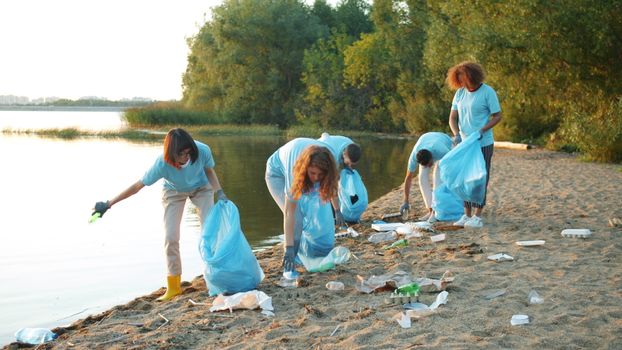
| Activities | Beach patrols to monitor nests, protecting nests from disturbance, data collection on nesting activity, public awareness campaigns, beach clean-ups. |
Pro-Tip:
Be prepared for late nights and early mornings. The turtles are often most active under the cover of darkness.
The Ripple Effect: Your Impact Beyond the Trip
Choosing to participate in a short-term conservation project is more than just a vacation; it's an investment in the planet. Your fees directly support the operational costs of these vital organizations, from ranger salaries and equipment to research and community programs. Beyond the financial contribution, your presence raises awareness, demonstrates global support, and provides valuable manpower.
The Authenticity Factor:
What sets these experiences apart is their raw authenticity. You're not just observing; you're participating. You'll taste local food prepared by the community, learn from passionate individuals who dedicate their lives to conservation, and witness firsthand the challenges and rewards of protecting our natural heritage. You might be helping to build a fence to protect a nesting site, or meticulously measuring the growth of a coral fragment. These are tangible actions with immediate results.
Making Your Conservation Adventure Happen: Practicalities and Preparation
Embarking on a conservation trip requires a little planning, but it's incredibly rewarding.
1. Research is Key:
Don't just pick the first project you see. Read reviews, understand their mission, and assess if their volunteer roles align with your skills and interests. Look for organizations with clear communication and a transparent approach to their work.
2. Health and Safety:
Consult your doctor about necessary vaccinations and malaria precautions for your chosen destination. Always follow the safety guidelines provided by the project organizers.
3. Pack Smart:
Think practical. Lightweight, quick-drying clothing, sturdy walking shoes, a good hat, reef-safe sunscreen, insect repellent, a reusable water bottle, and a headlamp are essential.
4. Embrace the Experience:
Go with an open mind and a willingness to learn. Be prepared for basic accommodation and simple meals. The true luxury here is the experience itself and the knowledge that you're contributing to something meaningful.
5. Be a Responsible Tourist:
Even outside of your volunteer hours, practice sustainable tourism. Minimize your waste, respect local customs, and support local businesses.
The Takeaway: Travel with Purpose
In a world increasingly aware of its environmental challenges, traveling with purpose is no longer a niche interest; it's becoming the norm. Conservation projects accepting short-term visitors offer a powerful way to connect with nature, learn invaluable lessons, and make a genuine difference. So, ditch the predictable itinerary and answer the call of the wild. Your adventure awaits, and the planet will thank you for it.