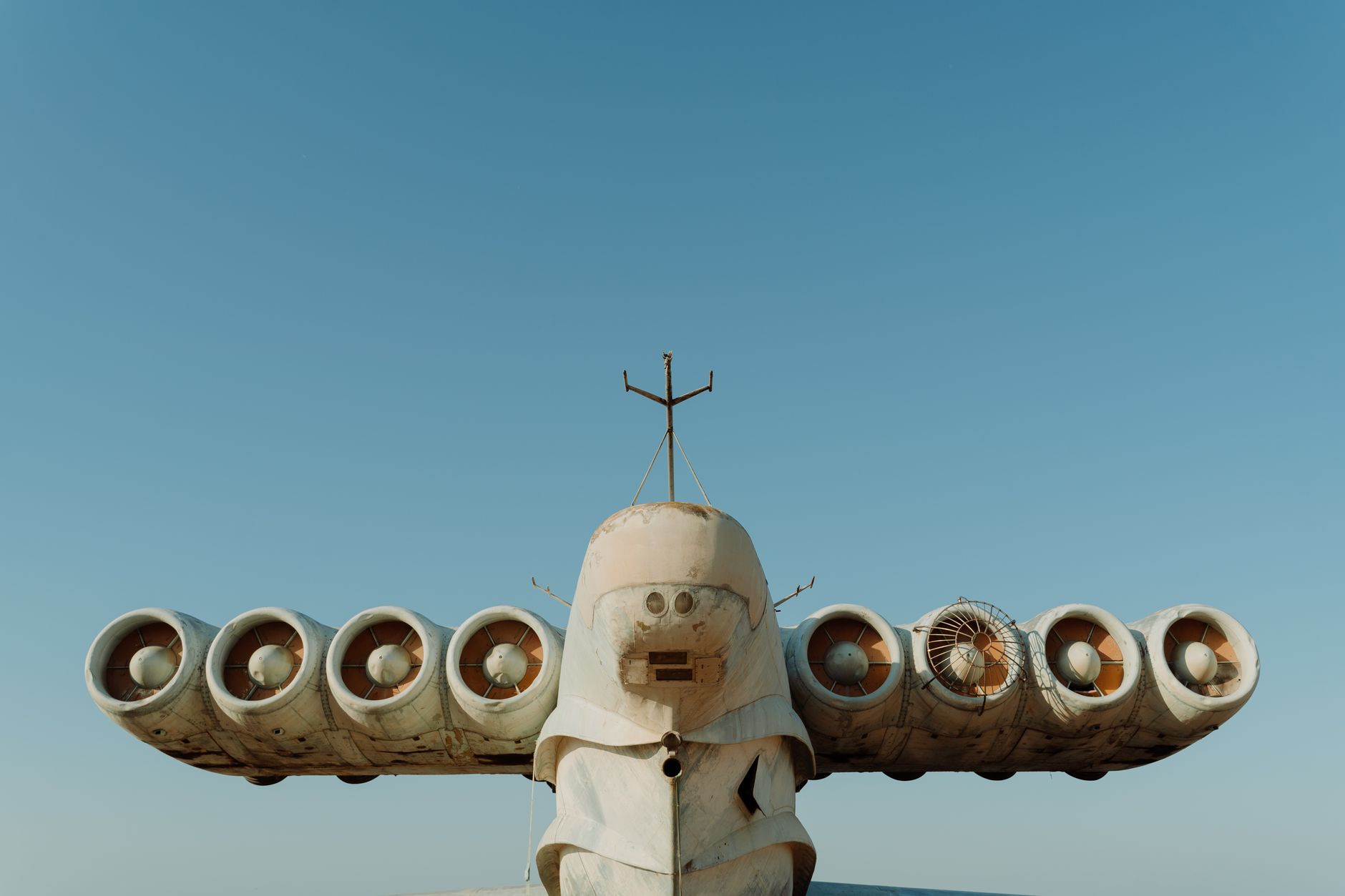
The Unveiling: Why the Former USSR is Your Next Big Adventure
I stepped off the overnight train in Samarkand, and the air itself felt ancient. It was thick with the scent of cumin and coal smoke, a heady perfume that instantly transported me centuries back. The early morning sun, still shy, cast long, dramatic shadows across the Registan Square, illuminating the intricate turquoise mosaics of the madrasahs with an otherworldly glow. The hushed calls of street vendors, the distant clang of a blacksmith's hammer – it wasn't just sightseeing; it was an immersion. For years, these lands, once shrouded by the Iron Curtain, were an enigma. Now, they’re a vibrant, pulsating reality, bursting with history, culture, and an undeniable allure that’s captivating travelers worldwide.
The narrative is shifting. These aren't just "former Soviet countries" anymore; they are distinct nations, each with a unique identity forged through millennia of history, amplified by a complex 20th century, and now, eagerly opening their doors to the world. Forget stale stereotypes; these destinations offer a thrilling blend of the familiar and the utterly exotic, a travel experience that’s both deeply rewarding and refreshingly uncrowded.
1. The Silk Road Revival: Uzbekistan's Unforgettable Embrace
Uzbekistan. The name itself conjures images of legendary caravans laden with spices and silk. And let me tell you, the reality is even more spectacular. Samarkand, Bukhara, and Khiva are not just cities; they are living museums, testaments to the grandeur of the Silk Road.
Samarkand: The Jewel of the East
The Registan Square is the undisputed star. Three magnificent madrasahs – Ulugh Beg, Sher-Dor, and Tilla-Kari – stand in breathtaking harmony. The sheer scale and intricate tilework, in shades of lapis lazuli, emerald, and gold, are simply mind-boggling. I spent hours just gazing, trying to absorb every detail.
- Pro-Tip: Visit the Registan at sunrise. The light is magical, and you'll have the place almost entirely to yourself. Afterward, grab a plov (the national dish of rice, lamb, and carrots) from a local chaihana – it’s an experience in itself.
- Insider’s Secret: Don't miss the Gur-e-Amir mausoleum, the final resting place of Tamerlane. The fluted turquoise dome is iconic, and the interior is a dazzling display of carved marble and gold leaf.
Bukhara: A Sufi Soul
Bukhara feels more intimate, its narrow alleyways winding past ancient mosques, minarets, and bustling bazaars. The Kalyan Minaret is a towering beacon, visible from miles around, and its history of being used as a place of execution is chillingly fascinating.
- Pro-Tip: Get lost in the Lyab-i Hauz complex. This tranquil plaza, centered around a pool, is the perfect spot to relax, sip green tea, and watch local life unfold.
- Authentic Bite: Try shashlik (kebabs) marinated in a secret blend of spices. Ask for it "tandyr" style for an extra smoky flavor.
Khiva: A Fairytale Fortress
Khiva’s Ichon-Qala (inner city) is a UNESCO World Heritage site and feels like stepping onto a movie set. Its sand-colored walls and towering minarets create an atmosphere of timeless wonder.
- Quick Facts: Uzbekistan
- Estimated Costs ($): $40-70 per day (budget traveler), $80-120 per day (mid-range).
- Best Time to Visit: April-May and September-October (pleasant temperatures).
- How to Get There: Direct flights to Tashkent (TAS) from major hubs like Istanbul, Moscow, and Dubai. Internal travel via high-speed trains is excellent.
2. The Caucasus Calling: Georgia's Wine, Mountains, and Ancient Churches
Georgia. Oh, Georgia. This is a country that grabs you by the heart and doesn't let go. Nestled between the Black Sea and the Caucasus Mountains, it boasts a culinary heritage that’s legendary, a wine tradition dating back 8,000 years, and landscapes that will leave you breathless.
Tbilisi: A City of Contrasts
Tbilisi is a vibrant tapestry of old and new. Wander through the charming Old Town with its pastel-colored houses and carved wooden balconies, then ascend via cable car to the Narikala Fortress for panoramic views. The contrast between the ancient sulfur baths and the modern Bridge of Peace is striking.
- Pro-Tip: Take a dip in the Abanotubani sulfur baths. For a truly authentic experience, book a private room with a scrub and massage. The smell is unique, but the feeling afterward is pure rejuvenation.
- Insider’s Secret: Explore the Fabrika district. This former Soviet sewing factory has been transformed into a hip hub with hostels, cafes, bars, and art studios.
Svaneti: The Land of Towers
For the adventurous soul, Svaneti is a must. This remote mountain region is famous for its medieval defensive towers, dotting the landscape of villages like Mestia and Ushguli (Europe’s highest continuously inhabited settlement). The hiking here is world-class, with views of snow-capped peaks that rival the Alps.
- Authentic Bite: You must try Khachapuri, the iconic cheese-filled bread. The Adjarian Khachapuri (boat-shaped with an egg on top) is a personal favorite. And don't even get me started on Khinkali (dumplings).
- Pro-Tip: Hire a local guide for hikes in Svaneti. They know the best routes and can share fascinating insights into the local culture and history.
Kakheti: The Wine Region
Georgia is the birthplace of wine, and Kakheti is its heartland. Visit traditional wineries, learn about the ancient qvevri (clay vessel) winemaking method, and taste some of the most unique wines you’ll ever encounter.
- Quick Facts: Georgia
- Estimated Costs ($): $35-60 per day (budget), $70-100 per day (mid-range).
- Best Time to Visit: May-June and September-October (mild weather, grape harvest in autumn).
- How to Get There: Flights to Tbilisi (TBS) are frequent from Europe and the Middle East.
3. The Baltic Charm: Estonia, Latvia, and Lithuania's Timeless Appeal
The Baltic States – Estonia, Latvia, and Lithuania – offer a sophisticated yet accessible European experience with a distinct post-Soviet flavor. Their capital cities are remarkably well-preserved, each with its own unique character and a surprising depth of history.
Tallinn, Estonia: Medieval Magic
Tallinn’s Old Town is a UNESCO World Heritage site and feels like stepping back in time. Cobblestone streets, towering spires, and ancient city walls create an atmosphere of enchantment.
- Pro-Tip: Climb the St. Olaf's Church tower for the most breathtaking panoramic views of the city.
- Insider’s Secret: Explore the Kalamaja district, a bohemian neighborhood with colorful wooden houses and trendy cafes. It’s a stark contrast to the medieval core and showcases modern Estonian creativity.
Riga, Latvia: Art Nouveau Extravaganza
Riga boasts the largest collection of Art Nouveau architecture in the world. Wandering its streets is like walking through an open-air museum of ornate facades and whimsical details.
- Pro-Tip: Take a guided walking tour focused specifically on Art Nouveau. It’s the best way to appreciate the intricate details and learn the stories behind the buildings.
- Authentic Bite: Try grey peas with bacon (pelēkie zirņi ar speķi) or a hearty bowl of Rye bread soup (maizes zupa).
Vilnius, Lithuania: Baroque Beauty
Vilnius is characterized by its stunning Baroque architecture, particularly in its vast Old Town, another UNESCO site. The city has a youthful energy, thanks to its large student population.
- Pro-Tip: Visit the quirky Republic of Užupis, a self-declared independent republic within Vilnius with its own constitution and president. It’s an artistic and bohemian enclave.
- Quick Facts: Baltic States (Estonia, Latvia, Lithuania)
- Estimated Costs ($): $50-80 per day (budget), $90-130 per day (mid-range).
- Best Time to Visit: May-September (warmest and sunniest months).
- How to Get There: Excellent flight connections to Tallinn (TLL), Riga (RIX), and Vilnius (VNO) from across Europe. Buses between cities are frequent and affordable.
4. The Heart of Asia: Kazakhstan and Kyrgyzstan's Wild Frontiers
For those craving vast, untamed landscapes and a nomadic spirit, Central Asia’s northern giants are calling. Kazakhstan and Kyrgyzstan offer a raw, adventurous travel experience that’s becoming increasingly accessible.
Kazakhstan: Steppe Majesty and Soviet Echoes
Kazakhstan is a land of dramatic contrasts, from futuristic Astana (now Nur-Sultan) to the sweeping steppe and the Tien Shan mountains.
- Nur-Sultan (Astana): A city born from vision. Its futuristic architecture, like the Bayterek Tower and the Palace of Peace and Reconciliation, is a testament to modern ambition.
- Pro-Tip: Visit the Khan Shatyr Entertainment Center, a giant transparent tent that houses shops, restaurants, and even an indoor beach resort.
- Charyn Canyon: Often dubbed the "Grand Canyon of Central Asia," its unique rock formations are a sight to behold.
- Insider’s Secret: Hike down into the "Valley of Castles" for the most dramatic perspectives.
Kyrgyzstan: Nomadic Soul and Alpine Peaks
Kyrgyzstan is a hiker's and nature lover's paradise. Its rugged mountains, crystal-clear alpine lakes, and yurt-dwelling culture offer an unparalleled glimpse into a traditional way of life.
- Issyk-Kul Lake: The world's second-largest alpine lake, a stunning turquoise expanse surrounded by snow-capped mountains.
- Song-Kul Lake: Accessible only in summer, this high-altitude pasture is dotted with yurts and is the epitome of nomadic life.
- Pro-Tip: Stay in a yurt camp for an authentic experience. Riding horses across the meadows is unforgettable.
- Authentic Bite: Try Beshbarmak (five fingers), a traditional dish of boiled meat and noodles, often served during celebrations.
- Quick Facts: Kazakhstan & Kyrgyzstan
- Estimated Costs ($): $40-70 per day (Kazakhstan budget), $30-50 per day (Kyrgyzstan budget). Mid-range: $70-100 (Kazakhstan), $50-80 (Kyrgyzstan).
- Best Time to Visit: May-June and September-October (pleasant temperatures for hiking and exploring). Summers can be hot in Kazakhstan, while winters are harsh.
- How to Get There: Flights to Almaty (ALA) and Nur-Sultan (NQZ) in Kazakhstan, and Bishkek (FRU) in Kyrgyzstan, are available from major hubs in Asia and Europe. Internal travel can involve flights or long-distance buses.
5. The Eastern Frontier: Armenia and Azerbaijan's Ancient Wonders
These two nations, locked in a complex geopolitical dance, offer incredibly rich histories and stunning landscapes, each with a distinct cultural identity.
Armenia: The Oldest Christian Nation
Armenia is a land of ancient monasteries perched precariously on cliff edges, dramatic mountain scenery, and a warm, hospitable people.
- Geghard Monastery: A masterpiece of medieval Armenian architecture, partly carved out of the rock face.
- Pro-Tip: Visit early to experience the incredible acoustics inside the rock-hewn chambers.
- Lake Sevan: The "Pearl of Armenia," a vast, high-altitude lake with crystal-clear waters and ancient churches on its shores.
- Yerevan: A charming capital city known for its pink tuff stone buildings and vibrant cafe culture.
Azerbaijan: Fire, Oil, and Ancient History
Azerbaijan, situated on the Caspian Sea, blends ancient traditions with modern oil-fueled wealth.
- Baku: A city of striking contrasts. The UNESCO-listed Old City (Icherisheher) with the Maiden Tower is a UNESCO gem, while the modern Flame Towers pierce the skyline.
- Insider’s Secret: Visit the Yanar Dag (Burning Mountain), a natural gas fire that has been burning continuously for centuries.
- Gobustan National Park: Famous for its ancient petroglyphs and mud volcanoes.
- Quick Facts: Armenia & Azerbaijan
- Estimated Costs ($): $40-70 per day (budget), $70-100 per day (mid-range).
- Best Time to Visit: April-May and September-October (pleasant temperatures).
- How to Get There: Flights to Yerevan (EVN) in Armenia and Baku (GYD) in Azerbaijan are available from various international hubs. Note: Travel between Armenia and Azerbaijan is currently restricted due to political tensions.
The Logistics of Adventure: Navigating the New Frontiers
Traveling through these regions has never been easier, but it still requires a bit of savvy. Visa policies are becoming more liberal, and infrastructure is rapidly improving, especially in the more popular tourist hubs.
- Visas: Many former USSR countries now offer visa-free entry for short stays to citizens of numerous countries. Always check the latest requirements for your nationality well in advance.
- Currency: Each country has its own currency. While USD and Euros are sometimes accepted in tourist areas, it’s best to have local currency. ATMs are widely available in cities, but less so in remote areas.
- Language: Russian is still widely understood in many of these countries, especially among older generations. However, local languages are making a strong comeback, and English proficiency is growing, particularly among younger people in tourist-facing roles. Learning a few basic phrases in the local language will go a long way!
- Getting Around: High-speed trains are excellent in Uzbekistan and parts of Russia. Buses are common and affordable for inter-city travel. In more remote areas, hiring a private driver or joining small group tours can be a good option.
- Connectivity: SIM cards are cheap and readily available, offering affordable data for navigation and communication.
Why Now? The Sweet Spot of Discovery
These former USSR countries are hitting that perfect travel sweet spot. They are accessible enough for independent travelers but haven't been overrun by mass tourism. You can still experience authentic interactions, discover hidden gems, and feel like you're truly exploring uncharted territory, all while enjoying comfortable accommodations and delicious food.
The lingering Soviet architecture provides a fascinating backdrop, a visual reminder of a recent past that contrasts sharply with the vibrant, forward-looking spirit of these nations. It’s a journey through time, a sensory feast, and an adventure that will challenge your perceptions and enrich your soul.
So, pack your bags, embrace the unexpected, and dive headfirst into the captivating world of the former USSR. These destinations are not just becoming hotspots; they are already here, waiting to share their incredible stories with you.
---