The Ultimate Conservation Projects Accepting Short-Term Visitors Worth Considering
I stepped off the tiny prop plane, the humid air thick with the scent of damp earth and exotic blossoms. A chorus of unseen insects buzzed around me, a symphony of the wild. Before me, a vast expanse of emerald green stretched to the horizon, a living, breathing testament to nature's resilience. This wasn't just another postcard view; this was my office for the next two weeks, a place where my hands would help preserve something precious. This, my friends, is the magic of conservation volunteering – a chance to connect, contribute, and truly experience a destination.
Forget the overcrowded beaches and generic souvenir shops. The modern traveler craves authenticity, a deeper connection to the places they visit. And what’s more authentic, more impactful, than lending a hand to protect the very ecosystems and creatures that make our planet so extraordinary? The good news is, you don't need a degree in zoology or a lifetime commitment to participate. Many incredible conservation projects worldwide welcome short-term visitors, offering a unique opportunity to immerse yourself in meaningful work.
1. Protecting Gentle Giants: Sea Turtle Rehabilitation Centers
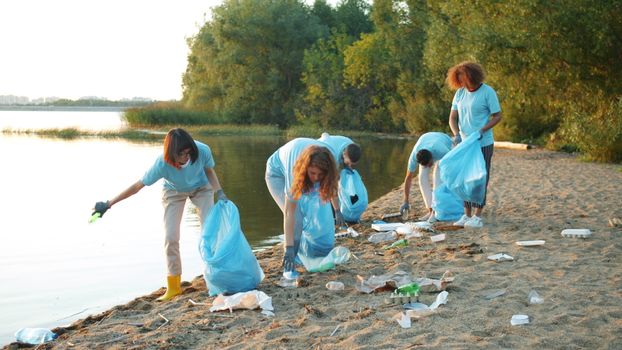
The salty spray kissed my face as I waded into the shallow, turquoise waters. The rhythmic crash of waves was punctuated by the excited chatter of fellow volunteers. My task for the morning? Helping to clean and prepare nesting grounds for endangered sea turtles. Later, I’d be assisting the dedicated staff at a rehabilitation center, carefully tending to injured turtles, feeding them, and ensuring their recovery.
There's a profound quietude that descends when you're face-to-face with these ancient mariners. Watching a rehabilitated turtle, healthy and strong, glide back into the ocean is a moment that stays with you long after the tan fades. It's a tangible reward for your efforts, a silent thank you from the ocean itself.
Pro-Tip:
Many centers offer night patrols to observe nesting or hatching. The thrill of witnessing a natural wonder unfold under the moonlight is unparalleled.
Quick Facts: Sea Turtle Conservation (e.g., Costa Rica, Greece, Mexico)
- Estimated Costs ($): $500 - $1500 per week (includes accommodation, food, and program fees).
- Best Time to Visit: Varies by species and location, but nesting seasons are often between April and October.
- How to Get There: Typically involves flying into a major international airport and then taking a domestic flight or bus to a coastal town.
2. Rebuilding Our Green Lungs: Reforestation Initiatives
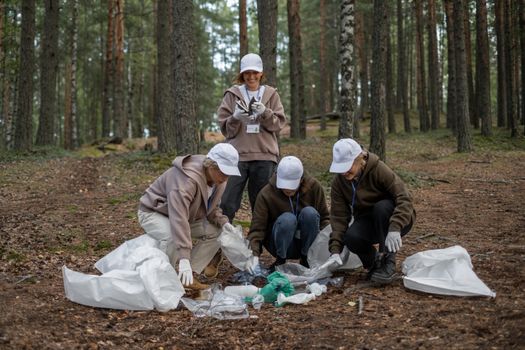
The scent of pine needles and damp soil filled my lungs as I swung the shovel. The ground was firm beneath my boots, a stark contrast to the soft, yielding earth I’d often encountered in urban parks. Here, every sapling planted felt like a tiny victory, a promise of future shade, clean air, and vital habitat.
Reforestation projects are the unsung heroes of environmental conservation. They tackle deforestation, combat climate change, and restore biodiversity. As a short-term visitor, you’ll be involved in everything from preparing seedlings and digging holes to planting, mulching, and even basic trail maintenance within the reforestation site. It’s honest, physical work that leaves you with a deep sense of accomplishment.
Insider Lingo:
Don’t just call them 'trees'; refer to them by their species. Understanding the local flora, like the resilient Dipterocarpus or the fast-growing Acacia, adds another layer to the experience.
Pro-Tip:
Wear sturdy, closed-toe shoes and bring layers. The weather can change quickly in forested areas, and you’ll be working outdoors for extended periods.
Quick Facts: Reforestation Projects (e.g., Ecuador, Nepal, South Africa)
- Estimated Costs ($): $400 - $1200 per week (often includes basic accommodation and meals).
- Best Time to Visit: Generally during the rainy season when planting is most effective, but check with the specific project.
- How to Get There: Varies greatly. Some are accessible via public transport from major cities, while others require a chartered vehicle or a combination of buses and local transport.
3. Guardians of the Wild: Wildlife Sanctuaries and Rescue Centers
The low growl was more of a rumble in my chest, a sound that resonated deep within. I was observing a magnificent jaguar from a safe distance, its powerful muscles rippling beneath its spotted coat. This sanctuary wasn't a zoo; it was a haven for animals rescued from illegal pet trades, abusive situations, or injured in the wild.
Volunteering here means becoming part of the daily care routine. This could involve preparing specialized diets (think buckets of raw meat for carnivores or piles of fresh fruit for primates), cleaning enclosures, assisting with enrichment activities to keep the animals stimulated, or helping with habitat maintenance. It’s often demanding work, but the reward of seeing these animals thrive in a safe environment is immeasurable.
Pro-Tip:
Be prepared for early mornings! Many animal feeding and cleaning routines start at dawn. It's also the best time to spot some of the more elusive creatures.
Authenticity Check:
Learn the specific calls or vocalizations of the animals you're working with. It shows respect and deeper engagement.
Quick Facts: Wildlife Sanctuaries (e.g., Thailand, Kenya, Peru)
- Estimated Costs ($): $700 - $2000 per week (can be higher for specialized wildlife roles, covers accommodation, food, and program support).
- Best Time to Visit: Often year-round, but consider local dry or wet seasons which can affect animal visibility and activity.
- How to Get There: Typically involves flying into a major city and then arranging transport (often coordinated by the sanctuary) to their remote location.
4. Unlocking the Ocean's Secrets: Marine Conservation Programs
The sting of saltwater was a familiar sensation, but this time, it was accompanied by the exhilarating feeling of discovery. Armed with a mask, snorkel, and a keen eye, I was part of a team surveying coral reefs. The vibrant hues of the coral, the darting schools of iridescent fish – it was a kaleidoscope of life beneath the waves.
Marine conservation projects offer a chance to contribute to vital research and protection efforts. Short-term visitors might participate in coral reef monitoring, underwater clean-ups, data collection on marine life, or even assist with educational outreach programs. It’s a chance to get your feet wet (literally!) and understand the fragile beauty of our oceans.
Insider Lingo:
Instead of just 'fish,' learn to identify key species like the 'parrotfish' (crucial for reef health) or the 'anemonefish' (iconic partners to sea anemones).
Pro-Tip:
Invest in a good quality rash guard or wetsuit. It protects you from sun exposure and minor abrasions, allowing you to focus on the task at hand.
Quick Facts: Marine Conservation (e.g., Belize, Australia, Philippines)
- Estimated Costs ($): $800 - $1800 per week (can include dive certifications, accommodation, and research equipment).
- Best Time to Visit: Often depends on visibility and weather patterns. Tropical regions tend to have peak seasons with calmer seas.
- How to Get There: Usually involves flying to a gateway city near the coast, followed by boat transfers to islands or research stations.
5. Empowering Communities Through Eco-Tourism
This wasn't just about nature; it was about people. The laughter of children echoed through the village as I helped clear a path for a new eco-trail. The aroma of local spices wafted from a nearby hut as I learned about sustainable farming techniques from a village elder.
Community-based conservation projects are a powerful way to ensure that conservation efforts benefit local populations directly. As a short-term visitor, you might be involved in building eco-lodges, developing sustainable agriculture practices, creating handicraft workshops, or assisting with educational programs for local youth. It's about mutual learning and empowerment, fostering a symbiotic relationship between people and their environment.
Authenticity Check:
Learn a few basic phrases in the local language. A simple "thank you" or "hello" can open doors and foster genuine connections.
Pro-Tip:
Be open to learning about local customs and traditions. Participating respectfully in community activities is often as valuable as any physical task.
Quick Facts: Community Eco-Tourism (e.g., Guatemala, India, Uganda)
- Estimated Costs ($): $400 - $1000 per week (often includes homestay accommodation, meals, and project contributions).
- Best Time to Visit: Generally during the dry season for easier travel and outdoor activities.
- How to Get There: Can involve a mix of flights, buses, and sometimes local boat or jeep transport to reach more remote villages.
The ‘How-To’ of Finding Your Perfect Project
Embarking on a conservation journey might seem daunting, but it’s more accessible than you think.
- Research Reputable Organizations: Look for established NGOs and volunteer platforms with clear mission statements, transparent operations, and positive testimonials. Websites like Workaway, Worldpackers, and Idealist are good starting points, but always do your due diligence.
- Understand the Commitment: While these are short-term opportunities, they require dedication. Be realistic about your physical capabilities and your willingness to adapt to local conditions.
- Ask Questions: Don't hesitate to contact the project organizers. Inquire about daily tasks, accommodation, safety protocols, and the specific impact your contribution will have.
- Budget Wisely: Factor in program fees, flights, travel insurance, and personal expenses. Remember, many program fees directly support the conservation work.
- Pack Smart: Bring appropriate clothing for the climate and activities, sturdy footwear, insect repellent, sunscreen, and any personal medications.
The world is brimming with incredible places and vital conservation work waiting for your helping hands. By choosing a conservation project that accepts short-term visitors, you’re not just taking a trip; you’re investing in the future of our planet. You’re gaining experiences that will enrich your soul and leave a lasting positive impact. So, are you ready to trade the ordinary for the extraordinary?
---