Beyond the Runway: How Your Wardrobe Can Be Your Passport to Deeper Connections
I still remember the sting of embarrassment, years ago, during my first solo trip through Southeast Asia. I was at a bustling night market in Chiang Mai, Thailand, admiring intricate silks and delicious street food. I felt great in my breezy sundress – perfect for the tropical heat. Then, I decided to visit a small, ornate temple tucked away from the main thoroughfare. As I approached, a kind-faced elderly woman, her hands clasped in a traditional wai, gently gestured towards my uncovered shoulders and knees. My heart sank. I knew about the general "cover up" rule for temples, but in my excitement, I’d completely forgotten to pack a scarf or change. I mumbled apologies, feeling like the quintessential ignorant tourist. It wasn't about judgment; it was about respect, and I had unknowingly failed to show it.
That moment stuck with me. It wasn't just about adhering to a dress code; it was about understanding the unspoken language of culture, a language often spoken loudest through fabric. We all know the basics: cover your shoulders and knees in cathedrals, maybe a headscarf for a mosque. But what about the unwritten rules? The subtle nuances that truly open doors, invite smiles, and transform a fleeting visit into a genuine connection? These are the "before they go mainstream" clothing customs – the ones that show you've done your homework, that you care, and that you respect the fabric of a society more than your own fashion statement.
At Tripsora, we believe travel isn't just about seeing the world; it's about experiencing it, understanding it, and connecting with it. And often, that journey begins with what you choose to wear. Let's delve into the fascinating world of sartorial respect, uncovering customs that will elevate your next adventure from tourist-level to truly transformative.
The Silent Language of Fabric: Why Your Attire Matters More Than You Think
Imagine walking into a friend's home without taking off your shoes, or showing up to a formal event in flip-flops. You wouldn't, right? Because you understand the implicit social contracts. Clothing customs are no different. They are deeply ingrained expressions of cultural values – modesty, reverence, status, mourning, celebration. When we disregard them, even unknowingly, we risk not just offending, but also missing out on the rich tapestry of human interaction.
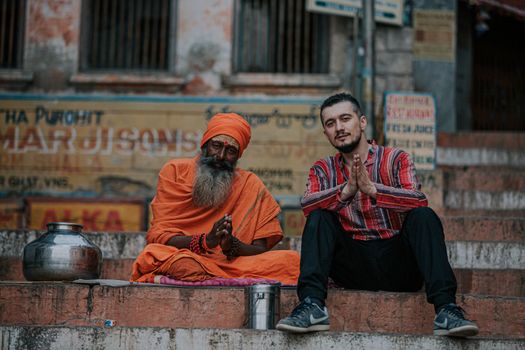
It's more than just "modesty." In many cultures, the way you dress signals your intent, your understanding, and your respect for local traditions. It can be the difference between a polite nod and an invitation for tea, a closed-off interaction and a warm conversation. I once witnessed a fellow traveler in Varanasi, India, attempting to haggle aggressively over a souvenir while wearing a very revealing tank top and shorts. The shopkeeper, usually jovial, seemed visibly uncomfortable and disengaged. Later, I returned, dressed in a simple kurta and loose trousers I'd bought locally, and the same shopkeeper was full of smiles, offering me chai and sharing stories about his family's craft. The difference? My appearance signaled respect for the local environment, fostering an immediate sense of trust and camaraderie.
This isn't about sacrificing your personal style entirely; it's about adapting it thoughtfully. It's about being a chameleon, blending in just enough to show you're not just passing through, but truly engaging. And trust me, the rewards are immeasurable – from spontaneous invitations to authentic experiences you won't find in any guidebook.
Unveiling the Unwritten Rules: Case Studies from Across the Globe
Let's get specific. Here are some incredible, often overlooked, clothing customs that can unlock deeper connections on your travels.
1. Southeast Asian Serenity: The Sarong's Subtle Power (Beyond the Temple Gate)
You might know to cover up at major temples like Angkor Wat or Wat Phra Kaew. They often have sarongs or wraps available for rent (usually $1-2 USD, or sometimes free with a small deposit). But the "sarong rule" extends far beyond the main tourist circuit.
The Deeper Dive:
In many rural villages across Bali, Java, Laos, and even some parts of Thailand, a sarong (or pha sin in Laos, longyi in Myanmar) isn't just for temples; it's a versatile garment that signifies respect in daily life, especially when visiting homes, attending local ceremonies, or even just interacting with elders. It's not always about strict religious observance, but a general code of decorum.
My Anecdote:
During a homestay in a small village near Ubud, Bali, I was invited to help prepare a traditional meal. I was wearing long linen trousers and a t-shirt, thinking I was appropriately covered. My host mother, a gentle woman named Ibu Wayan, handed me a beautiful batik sarong. "For comfort, for respect," she said with a warm smile, gesturing for me to wrap it around my waist over my trousers. It wasn't a demand, but an invitation. Immediately, I felt more integrated, more part of the household. It made kneeling to grind spices or sitting on the floor feel natural, and I noticed the villagers seemed to relax more around me. It wasn't about revealing less; it was about adopting their practical and respectful attire.
Actionable Tip:
Always carry a lightweight sarong or a large scarf in Southeast Asia. Not just for temples, but for spontaneous visits to local homes, village markets, or small community gatherings. It’s a sign that you're willing to adapt and honor local ways, and it often sparks genuine conversations. Look for local designs; buying one supports local artisans and gives you an instant cultural accessory!
2. The Modesty Mantra of the Middle East & North Africa: It's More Than Just a Headscarf
While the requirement for women to wear a headscarf (hijab) in mosques is widely known (and often provided at entrances, like at the stunning Sheikh Zayed Grand Mosque in Abu Dhabi), the broader concept of modesty in daily attire is often misunderstood.
The Deeper Dive:
In countries like Morocco, Jordan, and parts of the UAE, respectful dressing for both men and women in public spaces goes beyond religious sites. It's about projecting an image of dignity and respect for the conservative cultural norms. This means loose-fitting clothing, covering shoulders and knees, and avoiding overly revealing or tight garments. For women, a light scarf is invaluable, not just for mosques, but for feeling more comfortable and less conspicuous in bustling souks or residential areas. For men, shorts might be acceptable in tourist areas, but long trousers are generally preferred, especially when venturing into local communities or more traditional settings.
My Anecdote:
Wandering through the labyrinthine souks of Fes, Morocco, I observed a stark contrast. Tourists in short shorts and tank tops often drew stares, or were approached more aggressively by vendors. I, having learned my lesson, was dressed in a long, flowing jellaba (a traditional Moroccan tunic) that I'd bought on my first day, and a simple headscarf that I wore loosely around my neck, pulling it up when I felt it was appropriate. The difference was palpable. Shopkeepers addressed me with more respect, engaging in genuine conversation rather than just hard selling. One artisan even invited me into his workshop for mint tea, explaining the intricate process of leather tanning, a rare glimpse behind the scenes that I attribute directly to my effort to blend in.
Actionable Tip:
Invest in a few key pieces: lightweight, breathable long-sleeved tops, loose linen trousers or maxi skirts, and a versatile pashmina or large scarf. These pieces will serve you well across many conservative cultures. Remember, dark, heavy fabrics can be uncomfortable; look for cotton, linen, or bamboo blends.
3. Latin American Layers: More Than Just Weather Protection
When thinking of Latin America, vibrant colors and lively festivals often come to mind. While the region is generally more relaxed about dress codes than some, there are specific contexts where your attire speaks volumes, especially regarding indigenous communities and traditional events.
The Deeper Dive:
In the Andean regions of Peru, Bolivia, and Ecuador, or in Mayan communities in Guatemala and Mexico, traditional dress is a source of immense pride and cultural identity. While tourists aren't expected to wear traditional garments, showing up in overly casual or revealing clothing can be perceived as disrespectful, especially when visiting sacred sites, local markets where artisans sell their wares, or participating in a community event. It's about acknowledging the gravitas of the cultural context. Think smart casual over beachwear.
My Anecdote:
During my trip to Peru, I embarked on a multi-day trek around Cusco. One day, we visited a small Quechua village known for its weaving traditions. Many tourists in my group wore activewear – hiking shorts and quick-dry tops. I had packed a pair of dark, comfortable trousers and a simple, long-sleeved cotton shirt, and over it, a hand-woven poncho I'd purchased from a local market earlier in my trip (a practical and culturally appropriate souvenir!). When we were welcomed into a weaver's home, the elderly woman demonstrating her craft smiled broadly at my poncho, patting it gently. She offered me a cup of mate de coca and spent extra time explaining the dyes and patterns to me, even allowing me to try a few weaving techniques. It was a small gesture, but it felt like a silent acknowledgment of my attempt to honor their culture.
Actionable Tip:
When traveling to areas with strong indigenous cultures, opt for comfortable, yet modest clothing. Long trousers, skirts, and blouses are always a safe bet. If attending a festival or community gathering, observe what locals are wearing and try to match the level of formality. Purchasing a local garment like a poncho or a woven shawl can be a wonderful way to show respect and support local artisans.
4. European Elegance & Reverence: Beyond the Cathedral Knees
Europe often feels familiar, but even here, subtle clothing customs can make a huge difference, particularly in religious sites, upscale establishments, and specific regions.
The Deeper Dive:
While the "cover knees and shoulders in churches" rule is fairly well-known (especially in places like the Vatican, St. Peter's Basilica, or Orthodox churches in Eastern Europe), there are other nuances. In Italy, for instance, wearing sportswear (tracksuits, gym shorts) outside of actual sporting activities can be seen as uncouth, especially in cities or nicer restaurants. In some Eastern European countries, a slightly more formal dress code is often appreciated, particularly in evenings or when visiting historical sites. And in parts of Scandinavia, while generally casual, very loud or flashy clothing might be seen as attention-seeking and out of place in their understated culture.
My Anecdote:
I was in Rome, eager to visit the Pantheon, a truly awe-inspiring ancient temple. It was a hot summer day, and I was wearing a cute sundress that, while covering my shoulders, ended a few inches above my knees. As I approached the entrance, a security guard politely but firmly informed me that my dress was "too short." My heart sank again! I watched as other tourists, similarly dressed, were turned away. Luckily, I had a lightweight scarf in my bag, which I quickly wrapped around my waist, extending the length of my dress. The guard nodded, and I was allowed in. That small act of preparedness saved my visit. Later that evening, attempting to get into a relatively upscale trattoria near the Spanish Steps, I noticed the maitre d' subtly scrutinizing patrons. My crisp linen shirt and tailored trousers (rather than the casual shorts I'd worn earlier) seemed to pass muster, while a group in athletic wear were politely informed the restaurant was "fully booked" – a common European euphemism for "you're underdressed."
Actionable Tip:
Always carry a versatile scarf or pashmina in Europe. It can double as a head covering, shoulder wrap, or even a makeshift skirt extension. When planning evening outings, pack a "smart casual" outfit – something a notch above your daytime tourist attire – to avoid being turned away from restaurants or cultural events. Observe locals: if everyone is dressed a certain way, try to mirror that level of formality.
Decoding the Details: What to Look For (and Avoid)
Beyond specific garments, certain details can carry significant cultural weight:
- Colors: In some cultures, white is for mourning (parts of Asia), while in others, it's for celebration. Red can signify luck (China) or aggression. Research specific color meanings for your destination.
- Patterns/Symbols: Be extremely cautious with clothing that features religious symbols, national flags, or indigenous patterns unless you fully understand their context and significance. Cultural appropriation is a real concern. Avoid political slogans or potentially offensive graphics.
- Fit & Fabric: In many conservative cultures, loose-fitting clothing is preferred over tight or clingy garments, as it signals modesty. Breathable natural fabrics like cotton, linen, and rayon are ideal for comfort and cultural appropriateness in warm climates.
- Footwear: Removing shoes before entering homes, temples, or even some shops is common in many parts of Asia and the Middle East. Wear shoes that are easy to slip on and off. Avoid showing the soles of your feet, especially towards people or religious artifacts, as it can be considered disrespectful in some Asian and Middle Eastern cultures.
- Head Coverings: Beyond religious sites, a head covering can be a sign of respect for women in certain rural or conservative communities, even if not strictly required. It can also offer protection from the sun or dust, making it a practical choice.
Your Respectful Travel Wardrobe: Practical Packing Tips
Building a thoughtful travel wardrobe doesn't mean packing your entire closet. It means packing smart.
- The Versatile Scarf/Pashmina: This is your travel MVP. Use it as a head covering, shoulder wrap, skirt extension, blanket on a cold flight, or even a picnic mat. Pack two in different weights and colors.
- Lightweight Layers: Think breathable long-sleeved tops, tunics, and long-line cardigans. These can be layered up or down and provide coverage without being too hot.
- Bottoms that Cover: Pack at least one pair of loose-fitting linen trousers or palazzo pants, and a maxi skirt. These are comfortable, chic, and universally appropriate. Dark wash jeans can also work in many contexts.
- Slip-On Shoes: Loafers, sandals, or comfortable flats that are easy to remove are a godsend when you're frequently taking off your shoes.
- Local Shopping: My favorite tip! Once you arrive, hit a local market. Buy a simple sarong, a local tunic (like a kurta or kaftan), or a traditional shawl. Not only does this immediately give you appropriate attire, but it supports the local economy and serves as a fantastic, authentic souvenir. Plus, locals will appreciate your effort to embrace their style.
- The "Respectful Travel Kit": A small pouch with a foldable, lightweight sarong, a neutral-colored scarf, and maybe a pair of modest leggings to wear under shorter dresses. Keep it accessible in your daypack.
Beyond the Fabric: The Spirit of Intent
Ultimately, these customs aren't just about rules; they're about the spirit of your visit. It’s about showing you care enough to learn, to adapt, and to honor the traditions of your hosts. If you make an honest mistake, a sincere apology and a quick adjustment are usually met with understanding and forgiveness. The intention behind your actions often speaks louder than the action itself.
When you dress with cultural awareness, you're not just avoiding offense; you're opening yourself up to richer, more authentic interactions. You're signaling that you're not just a passive observer, but an engaged participant in the grand human story. This subtle shift can lead to incredible moments – an invitation to a family meal, a deeper conversation with a street vendor, or simply a warmer smile from a stranger. These are the moments that transform a trip into an unforgettable journey.
So, on your next adventure, think about your wardrobe as more than just clothes. Think of it as a key – a key that unlocks hidden doors, fosters genuine connections, and helps you experience the world in a profoundly respectful and meaningful way.
---
What's your most memorable experience with cultural clothing customs? Share your stories and tips in the comments below! And don't forget to share this post with your fellow mindful travelers!
---