The sun beat down on my shoulders, a vibrant, almost aggressive heat that promised a memorable day. I was standing at the entrance of Wat Arun, the Temple of Dawn, in Bangkok, Thailand, utterly thrilled to finally be there. My excitement, however, was quickly tempered by a polite but firm gesture from a local guide. I was wearing a sleeveless top and a pair of chic, but decidedly above-the-knee shorts. My fashion choice, while perfectly acceptable for a casual stroll through a European city, was a glaring faux pas here.
Thankfully, the temple offered sarongs for rent, and within minutes, I was wrapped in a beautiful, flowing fabric that covered my shoulders and knees. As I walked through the intricate, awe-inspiring complex, I noticed a shift. The initial embarrassment faded, replaced by a profound sense of peace and belonging. Locals smiled at me, not with pity, but with warmth. I wasn't just a tourist; I was a visitor, acknowledging and respecting their sacred space.
That moment, years ago, was a powerful lesson. It wasn't just about avoiding an awkward encounter; it was about understanding that clothing is a language. And right now, the most fluent travelers are speaking the language of respect. This isn't about rigid rules or sacrificing your style; it's about a growing, beautiful trend towards conscious travel, where what you wear becomes a bridge, not a barrier.
Welcome, fellow adventurers, to the new travel flex: respectful dressing.
The New Travel Flex: Why Respectful Dressing is Trending
In an age where travel is more accessible than ever, there's a growing desire among wanderlusters to move beyond mere sightseeing. We want to experience, to connect, to understand. This shift has given rise to responsible tourism, sustainable practices, and a deep appreciation for local cultures. And guess what's at the forefront of this movement? How we present ourselves.
Respectful dressing isn't just about modesty; it's about empathy. It's about acknowledging that you are a guest in someone else's home, their country, their sacred space. It's trending because it fosters genuine interaction, opens doors to authentic experiences, and, frankly, makes you a better traveler. When you dress in a way that aligns with local customs, you're not just avoiding offense; you're actively showing humility, interest, and appreciation. This often leads to warmer welcomes, more meaningful conversations, and a deeper immersion into the heart of a destination. It’s a quiet luxury, a subtle nod that says, "I see you, and I respect your way of life."
Decoding Sacred Spaces: Modesty Beyond the Veil
Visiting religious sites is often a highlight of any trip, offering glimpses into spiritual traditions and architectural marvels. However, these are also places of profound significance, and your attire needs to reflect that reverence.
Practical Tips for Sacred Spaces:
- Shoulders and Knees: This is the golden rule almost everywhere. Whether it's the Vatican, a Buddhist temple in Laos, or a mosque in Morocco, bare shoulders and knees are generally considered disrespectful.
- Vatican City, Rome: Forget your mini-skirts and tank tops. Both men and women need shoulders and knees covered to enter St. Peter's Basilica or the Vatican Museums. I once saw a woman turned away from the Sistine Chapel for a short skirt, despite having a scarf. It's best to wear long pants or a maxi skirt and a top with sleeves.
- Buddhist Temples (Southeast Asia): Always remove your shoes before entering. Women should cover their shoulders and knees. Men should also wear long pants and a sleeved shirt. Many temples, like Wat Arun where I had my moment, offer sarongs for rent (usually 50-100 THB, or $1.50-$3 USD), but it’s always better to be prepared.
- Mosques (Middle East, North Africa, parts of Asia): This often requires the most thoughtful preparation. Women almost always need a headscarf, long sleeves, and long pants or a maxi skirt. Men should also wear long pants. The beautiful Blue Mosque in Istanbul, for instance, provides robes and headscarves free of charge at the entrance, but having your own shows extra consideration. I remember feeling incredibly elegant and respectful in a borrowed headscarf there, the soft fabric a comforting weight as I gazed at the intricate tilework.
- Head Coverings: Primarily for women in mosques and some Orthodox churches. A versatile scarf is your best friend here.
- Footwear: Be prepared to remove shoes at the entrance of many temples, mosques, and even some homes. Easy slip-on shoes are a game-changer. Wearing clean socks is also a good idea.
My Anecdote:
During a trip to Istanbul, I’d packed a lightweight, oversized pashmina specifically for mosque visits. As I entered the Süleymaniye Mosque, I saw other women fumbling with provided coverings. Mine, however, was already around my shoulders, and with a quick, practiced flick, I draped it over my head. The ease and confidence I felt, knowing I was already prepared, made the experience even more profound. It wasn't just about covering up; it was about feeling part of the reverence.
Everyday Etiquette: Blending In, Not Standing Out
Beyond religious sites, how you dress in general public spaces can significantly impact your interactions and overall travel experience. In many cultures, particularly outside of major metropolitan areas, overly revealing clothing or flashy attire can draw unwanted attention, signal disrespect, or even put you at risk.
Practical Tips for General Public Spaces:
- Modesty in Motion: Even if you're not visiting a sacred site, consider the general cultural norms. In many parts of Asia, the Middle East, and some conservative areas of Europe and Latin America, modest attire (shoulders and knees covered, not too tight or revealing) is simply the norm.
- Rural Vietnam: I remember traveling through the Mekong Delta. Locals dressed simply, often in practical, loose-fitting clothing. My light linen trousers and a simple T-shirt helped me blend in beautifully, making conversations at local markets feel more natural and less like an outsider gawking.
- Small Towns in Italy/Spain: While major cities are more relaxed, venturing into smaller, traditional towns often calls for slightly more conservative attire than your beachwear. A sundress with a light cardigan or tailored shorts with a tasteful top will serve you better than cut-offs and a bikini top.
- Less is More (Subtlety is Key): Avoid excessively flashy jewelry or designer logos, especially in areas with economic disparities. This isn't about fear; it's about sensitivity and not creating an unnecessary divide. The "quiet luxury" trend in fashion translates perfectly to respectful travel – think quality, understated pieces that speak to timeless elegance rather than overt opulence.
- Observe and Adapt: The best advice is always to observe what locals are wearing. If you see women in headscarves and long dresses, or men in long trousers and collared shirts, take your cues from them. It’s not about imitation, but about showing respect for the local standard.
My Anecdote:
In a bustling market in Marrakech, Morocco, I was wearing a flowing maxi dress and a light cardigan. A local artisan, noticing my thoughtful attire, engaged me in a long, fascinating conversation about his craft, offering me mint tea. He later told me, "Your dress shows you respect our ways. It makes me happy to share with you." That interaction, born from a simple clothing choice, was far more enriching than any souvenir I could have bought.
Climate & Culture: Dressing for Comfort and Courtesy
Often, local dress codes are deeply intertwined with climate, history, and practicality. Embracing these local styles can be both comfortable and a powerful gesture of respect.
Practical Tips for Climate-Conscious & Culturally Appropriate Dressing:
- Embrace Local Fabrics: Linen, cotton, and silk are your best friends in hot climates. Many local garments are designed specifically for comfort in the heat.
- India: Instead of struggling in Western clothes, consider purchasing a lightweight cotton kurti (tunic) and palazzo pants. They are incredibly comfortable in the heat, stylish, and immediately show an appreciation for local fashion. You can find beautiful ones for as little as 300-500 INR ($4-$7 USD) in local markets.
- Southeast Asia: Sarongs, often made of breathable cotton or rayon, are perfect for beach towns and can be dressed up or down. They’re also ideal for temple visits.
- Egypt: A light, flowing galabeya (traditional Egyptian garment) can be incredibly comfortable and respectful, especially when visiting rural areas or historical sites.
- Layer Up: For places with varying temperatures or where you'll transition between sacred and secular spaces, layers are crucial. A light scarf, a cardigan, or a flowy button-down shirt can quickly adapt your outfit.
- Sun Protection: In many cultures, covering up is also a practical way to protect from the sun. Think wide-brimmed hats and lightweight long-sleeved tops.
My Anecdote:
Exploring the ancient ruins of Petra in Jordan, the desert sun was relentless. I saw many tourists struggling in shorts and tank tops. I, however, had invested in a pair of lightweight, breathable hiking pants and a long-sleeved linen shirt. Not only was I protected from the sun, but I noticed the Bedouin guides seemed to appreciate my practical, yet respectful, attire, often engaging me in longer conversations about their history and culture. It wasn't just about comfort; it was about connecting on a shared understanding of the desert environment.
The Power of a Scarf: Your Ultimate Respectful Travel Accessory
If there’s one item that embodies the spirit of respectful travel, it’s the humble scarf. It’s a true multi-tasker, a fashion statement, and a symbol of cultural sensitivity.
Why a Scarf is a Must-Pack:
- Instant Modesty: Draped over shoulders, wrapped around a head, or even tied as an impromptu skirt, a scarf can instantly transform an outfit from inappropriate to respectful.
- Sun Protection: Shields your neck and shoulders from harsh rays.
- Warmth: A lifesaver on chilly planes, air-conditioned buses, or cool evenings.
- Style Statement: Adds a pop of color or pattern to any outfit.
- Multi-purpose: Can be a picnic blanket, a beach towel, a makeshift bag, or even a sling for an injured arm (true story!).
My Anecdote:
I was once caught off guard in a small church in Sicily. While not as strict as the Vatican, it was clear my sleeveless top was out of place. My trusty pashmina, usually reserved for warmth, quickly became a chic shoulder wrap, allowing me to enter and admire the beautiful frescoes without feeling disrespectful. It was a small gesture, but it made a big difference to my experience.
Sustainable Style & Local Support: Shopping with Conscience
The trend of respectful dressing naturally aligns with another powerful movement: sustainable and ethical travel. Choosing to buy local garments not only shows respect but also supports the local economy and traditional craftsmanship.
Practical Tips for Conscious Shopping:
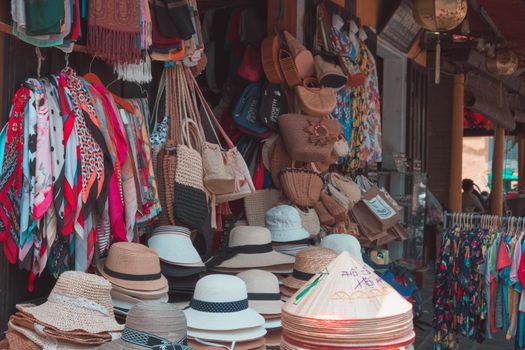
- Seek Out Local Artisans: Instead of buying mass-produced souvenirs, look for clothing made by local artisans. A hand-dyed batik sarong in Indonesia, a beautifully embroidered tunic in Mexico, or a woven scarf in Peru all tell a story and directly support the community.
- Ubud, Bali: Wander through the local markets, and you'll find an array of stunning, hand-printed rayon sarongs for around 100,000 IDR ($7 USD). Not only are they perfect for beach days and temple visits, but they make incredible gifts too.
- Chiang Mai, Thailand: The night bazaar offers exquisite silk and cotton garments, often made with traditional patterns. You can find beautiful dresses or shirts for 500-1000 THB ($15-$30 USD).
- Quality Over Quantity: Invest in a few versatile, high-quality pieces that can be mixed and matched, rather than a suitcase full of disposable fast fashion. This reduces waste and ensures your respectful wardrobe lasts.
- Ask Questions: Learn about the origin of the garment, the materials used, and if the artisans are fairly compensated. This deepens your connection to the piece and the culture.
My Anecdote:
In Rajasthan, India, I stumbled upon a small cooperative of women block-printing fabric. I spent an hour watching them work, learning about the indigo dyes and traditional patterns. I bought a vibrant, hand-block printed cotton dress for about 800 INR ($10 USD). Every time I wear it, I'm transported back to that dusty workshop, remembering the smiles and the stories. It’s more than just a dress; it’s a piece of my journey, imbued with respect and connection.
The Ultimate Travel Accessory? Your Attitude.
Ultimately, while clothing customs are important, the most crucial element of respectful travel is your attitude. A genuine smile, an open mind, and a willingness to learn will always be your best accessories. Dressing thoughtfully is simply an extension of that respect – a visual cue that you are here to engage, to learn, and to appreciate, not just to consume.
This trend of dressing with respect isn't just a fleeting fashion statement; it's a movement towards more meaningful, ethical, and profound travel experiences. It's about becoming a global citizen who understands that a little consideration goes a long way in unlocking the true magic of a destination.
So, next time you pack your bags, think beyond just looking good. Think about being good, doing good, and connecting good. Your wardrobe choices have the power to transform your trip from a vacation into an unforgettable journey of mutual respect and understanding.
---
What's your favorite respectful travel outfit or tip? Share your experiences and inspire fellow travelers! Tag us @Tripsora and use #RespectfulTravelStyle to show off your global kindness!
---