The air was thick with the scent of incense and damp earth, the chant a low hum that vibrated through my chest. I stood, shivering slightly, not from the cool mountain air, but from the raw, undeniable energy of the moment. Around me, people moved with a quiet reverence, their faces etched with a devotion I hadn't seen in years. This wasn't a performance; this was real. This was a direct link to something ancient, something sacred, something that, in that very instant, began to unravel the carefully constructed walls around my own modern, often disconnected, existence.
For years, I’d chased sunsets and ticked off bucket lists, always searching for that elusive 'more.' I’d seen wonders, yes, but often felt like an observer, a tourist skimming the surface. It wasn’t until I started seeking out the world’s ancient rituals – the practices steeped in centuries of belief, community, and connection – that travel truly became a journey of profound self-discovery. These weren't just sights to behold; they were experiences to immerse myself in, moments that peeled back layers of cynicism and replaced them with awe. They changed my life forever, and I believe they can change yours too.
Ready to transcend the ordinary? Here are some of the most powerful ancient rituals you can witness firsthand, and how they might just transform your world.
1. Bali's Melukat: Cleansing the Soul in Sacred Waters
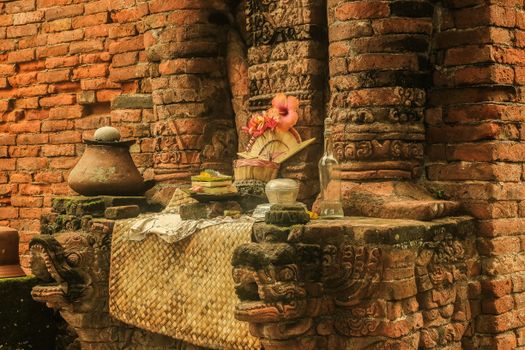
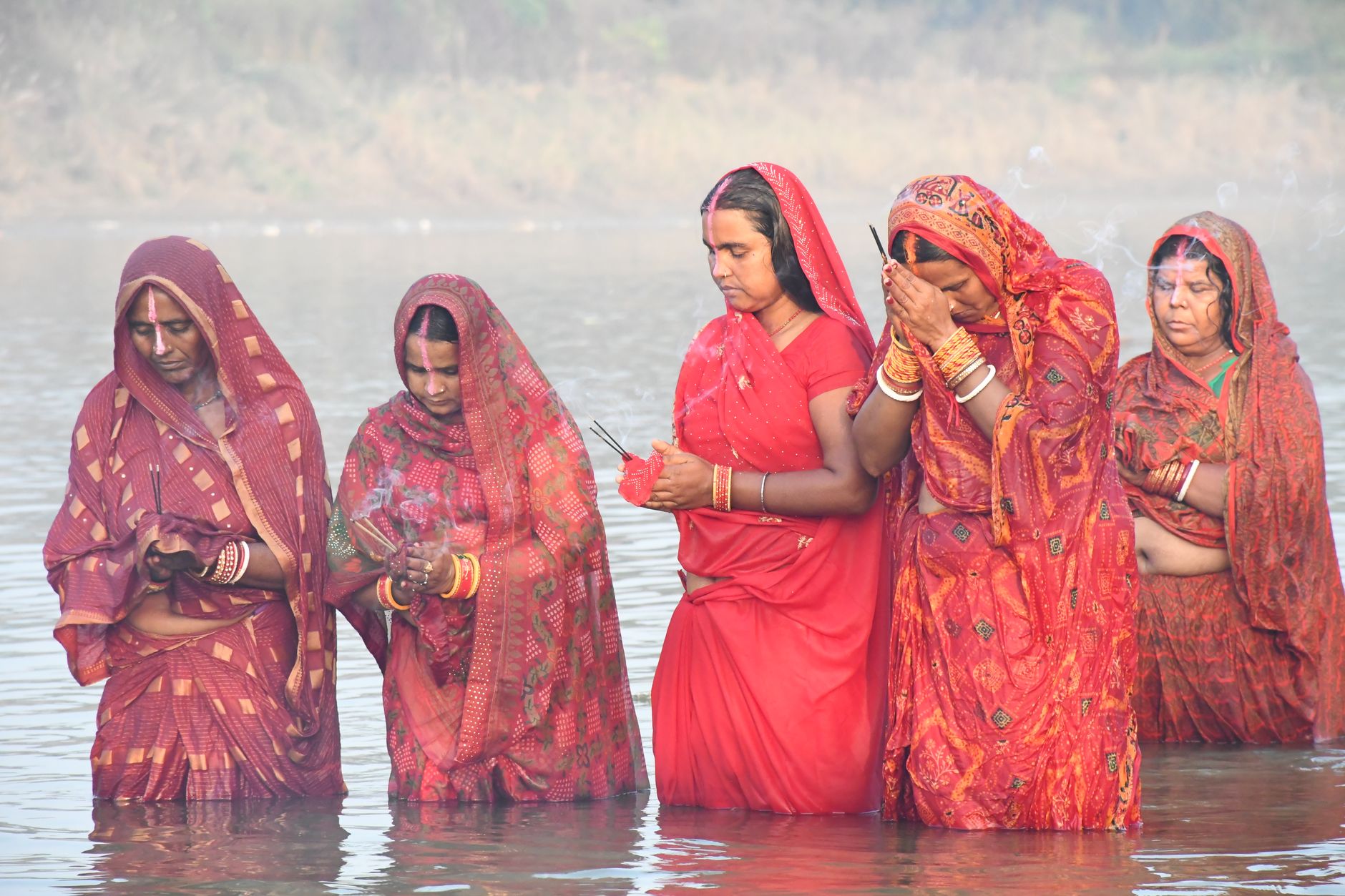
My first truly transformative ritual experience happened in Bali, the "Island of the Gods." I’d heard whispers of the Melukat ceremony, a Balinese Hindu purification ritual performed in holy springs, rivers, or at the ocean. It's believed to cleanse the body, mind, and spirit of negative energy, allowing for spiritual renewal. Skeptical but intrigued, I decided to seek it out.
I chose Tirta Empul Temple, one of Bali's most famous water temples, located near Tampaksiring. Arriving early in the morning, the air was still cool, and the temple grounds were already bustling with locals offering prayers and preparing for their own purification. I hired a local guide, Wayan, who patiently explained the process and the significance of each step. This is crucial for respectful participation – a good guide will ensure you understand the cultural nuances and show proper etiquette.
Dressed in a traditional sarong and sash (rented for a small fee at the temple entrance, around 10,000 IDR or less than $1 USD), I joined the line of devotees. The main spring feeds into two rectangular pools, where 13 fountains pour sacred water. Wayan instructed me to approach each fountain, offer a small prayer, and then immerse my head and body under the flowing water. The water was surprisingly cold, a shock that quickly gave way to a tingling sensation, as if every pore was being awakened. With each drenching, I focused on letting go – of anxieties, grudges, self-doubt.
By the time I reached the final fountain, my skin was goose-pimpled, but my heart felt lighter than it had in years. The experience wasn't just physical; it was deeply emotional. It felt like shedding an old skin, leaving behind burdens I hadn't even realized I was carrying. I emerged feeling refreshed, clear-headed, and profoundly connected to the ancient spiritual energy of the island. It was a baptism of sorts, a moment of profound renewal that set the tone for all my future travels.
Practical Tips for Your Melukat:
* Location: Tirta Empul is popular, but smaller, less crowded options like Pura Mengening or Sebatu offer a more intimate experience.
* Guide: Absolutely hire a local guide. They provide context, ensure respectful participation, and help navigate the process. Expect to pay around 300,000-500,000 IDR ($20-35 USD) for a few hours, depending on the guide and location.
* Attire: You'll need a sarong and sash, which can be rented or purchased near the temple. Bring a change of clothes and a towel.
* Etiquette: Women on their period are generally asked not to enter the sacred pools. Always be respectful, speak softly, and avoid pointing your feet at sacred objects or people.
* Cost: Temple entrance fees are typically around 15,000-50,000 IDR ($1-3 USD) for tourists. Donations are always appreciated.
2. Andean Despacho Ceremony: Offering Gratitude to Pachamama (Peru)
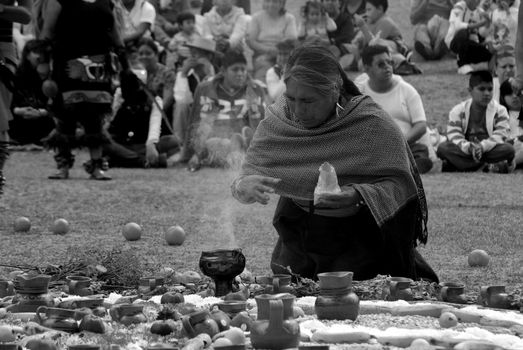
High in the Sacred Valley of Peru, nestled amidst the towering peaks of the Andes, I witnessed a ritual that grounded me in the profound interconnectedness of all life. This wasn't about cleansing; it was about gratitude and reciprocity. The Despacho ceremony, a traditional offering to Pachamama (Mother Earth) and the Apus (mountain spirits), is a cornerstone of Andean spirituality, practiced by Quechua descendants for millennia.
I arranged to participate in a private Despacho ceremony through a reputable local tour operator in Cusco, ensuring I was working with an authentic Q'ero Shaman, a direct descendant of the Inca. We met in a quiet, secluded spot overlooking the Urubamba River, the air crisp and thin. The Shaman, Don Juan, with his weathered face and knowing eyes, began to meticulously arrange a vibrant tapestry of offerings on a cloth. Coca leaves, seeds, flowers, sweets, incense, even a small figurine of a llama – each item carefully placed, each carrying symbolic meaning.
As Don Juan chanted in Quechua, his voice a melodic blend of reverence and power, he invited us to infuse our intentions into the offerings. I held three coca leaves (k'intus) in my hand, blowing my prayers and gratitude into them before placing them on the despacho. It was a powerful act of mindfulness, a conscious connection to my deepest desires and my immense appreciation for the Earth’s bounty.
The ceremony culminated with the carefully wrapped despacho being offered to a fire, or sometimes buried. As the smoke curled upwards, carrying our prayers to the heavens, I felt an overwhelming sense of humility and belonging. In our modern world, we often take so much for granted. This ritual was a stark reminder of the reciprocal relationship we are meant to have with nature, a profound lesson in gratitude and the simple, yet powerful, act of giving back. It taught me to appreciate the unseen forces that sustain us and to live with a deeper sense of reverence for the planet.
Practical Tips for Your Despacho Ceremony:
* Authenticity: Seek out reputable local guides or spiritual centers in Cusco or the Sacred Valley that work directly with indigenous Q'ero Shamans. Avoid commercialized, inauthentic experiences.
* Respect: Approach the ceremony with an open heart and mind. Ask permission before taking photos, and follow the Shaman's instructions carefully.
* Intentions: Come prepared with intentions – what are you grateful for? What do you wish to manifest or release?
* Cost: A private or small-group Despacho ceremony can range from $50-$150 USD per person, depending on the Shaman, duration, and whether it's part of a larger tour.
* What to Bring: Layers of clothing (weather can change rapidly), water, and perhaps a small offering of your own (e.g., a few coca leaves, a small flower, or a sweet) if you feel called to.
3. Japan's Sado: The Way of Tea, A Meditation in Motion
In the bustling modernity of Kyoto, I found an oasis of ancient serenity: the Japanese tea ceremony, or Sado (the Way of Tea). This isn't just about drinking tea; it's a meticulously choreographed ritual, a meditative practice that embodies principles of harmony, respect, purity, and tranquility. It’s an art form, a philosophy, and a profound exercise in mindfulness.
I booked a traditional tea ceremony experience at a quiet tea house in the Gion district. Stepping through the sliding doors, I felt an immediate shift in atmosphere – from the vibrant street to a hushed, minimalist space designed for contemplation. Our host, a graceful woman in a kimono, moved with an almost ethereal precision. Every gesture, from the purification of the utensils to the whisking of the matcha, was deliberate, elegant, and imbued with meaning.
Sitting on the tatami mat, watching the steam rise from the delicate bowl, I found myself completely captivated. The world outside faded away. My mind, usually a buzzing hive of thoughts, quieted. The simple act of observing, of being present in each moment, became a powerful form of meditation. When the bowl of vibrant green matcha was finally presented to me, I held it with both hands, feeling its warmth, appreciating the intricate design. The first sip was earthy, slightly bitter, yet deeply satisfying.
The Sado taught me the immense power of presence. In a world constantly demanding our attention, this ritual was a sacred pause, a reminder to slow down, to appreciate beauty in simplicity, and to find profundity in the everyday. It instilled in me a deeper appreciation for mindful living and the beauty of intentionality. I left feeling not just refreshed, but deeply centered, carrying a quiet calm that lingered for days.
Practical Tips for Your Sado Experience:
* Location: Kyoto is the spiritual heart of Sado, with numerous traditional tea houses. Tokyo also offers excellent experiences.
* Booking: Book in advance, especially for authentic, small-group ceremonies. Many hotels or tourist information centers can assist.
* Etiquette: Remove shoes before entering the tea room. Dress modestly. Be mindful of your posture. Your host will guide you through the specific steps, but generally, observe and follow their lead.
* Types: You can find basic demonstrations (around 3,000-5,000 JPY or $20-35 USD) or more elaborate, private ceremonies (upwards of 8,000-15,000 JPY or $55-100 USD) that include a full meal (kaiseki).
* Focus: Go not just to drink tea, but to experience the ritual itself. Embrace the quiet, the precision, and the meditative atmosphere.
4. Morocco's Gnawa Lila: Trance Rhythms and Spiritual Healing
My journey through Morocco led me to Essaouira, a coastal town famed for its vibrant arts scene and, more importantly for me, its deep connection to Gnawa music and culture. The Gnawa are an ethnic group, descendants of sub-Saharan African slaves brought to Morocco, who have preserved their unique spiritual traditions, particularly through music and dance. A Lila is a traditional all-night ceremony of spiritual healing and communion, a powerful, rhythmic ritual designed to induce trance and connect with the spirit world.
Finding an authentic Lila can be challenging, as many tourist-oriented shows exist. Through a local contact, I was invited to a private Lila held in a modest home in the medina. The atmosphere was intimate, almost clandestine. The air was thick with the scent of incense and mint tea. Musicians, known as maâlems, sat in a circle, their voices rising in hypnotic chants, accompanied by the deep thrum of the guembri (a three-stringed lute) and the clack of qarqabas (metal castanets).
As the night progressed, the rhythms intensified, becoming almost irresistible. People began to sway, then dance, some entering a trance-like state, their movements fluid and uninhibited. It wasn't about performance; it was about release, about spiritual purification and healing. I didn't enter a full trance, but I felt the energy, the communal spirit, the sheer power of the ancient rhythms coursing through my veins. It was raw, authentic, and incredibly moving.
Witnessing the Lila was a visceral experience that shattered my preconceived notions of healing and spirituality. It showed me the power of sound, community, and tradition to transcend the ordinary and access deeper states of consciousness. It was a powerful reminder of the human need for connection, for release, and for spiritual grounding, often found in the most unexpected and ancient of places. It taught me to trust intuition and the power of collective energy.
Practical Tips for Experiencing Gnawa:
* Authenticity: This is key. Ask local contacts (your riad host, trusted guides) about genuine Lilas, which are often private or community events, not public shows. The Gnawa World Music Festival in Essaouira (usually June) is a fantastic way to experience Gnawa music, though not necessarily a full Lila.
* Respect: If you are invited to a Lila, go with an open mind and a respectful demeanor. Dress modestly. Do not disrupt the ceremony or take photos without explicit permission.
* Contribution: It's customary to offer a small donation or contribution to the host if attending a private event.
* Location: Essaouira is the heart of Gnawa culture, but you can also find Gnawa communities and performances in Marrakech and Fes.
* Be Patient: These events are not on a fixed schedule. It may take time and connections to find an authentic experience.
5. Bhutan's Tsechu Festivals: Sacred Dances and Blessings
Bhutan, the Land of the Thunder Dragon, is a place where ancient traditions are not just preserved but lived. My trip coincided with the Paro Tsechu, one of the country's largest and most revered Buddhist festivals. Attending a Tsechu is like stepping back in time, witnessing a vibrant, living tapestry of faith and culture.
The festival grounds outside the Rinpung Dzong in Paro were a riot of color and sound. Thousands of Bhutanese, dressed in their finest traditional gho (for men) and kira (for women), gathered to witness the sacred masked dances (Cham). These dances, performed by monks and laymen, are not entertainment; they are a form of meditation and storytelling, depicting events from Buddhist mythology, moral tales, and blessings.
I spent hours mesmerized by the intricate costumes, the powerful, rhythmic movements, and the haunting music of horns, cymbals, and drums. Each dance told a story, often involving deities, demons, and the triumph of good over evil. The highlight for me was the unfurling of the Thongdrel, a massive sacred scroll painting, believed to bestow liberation by sight upon those who witness it. As the giant thangka was slowly revealed, a palpable hush fell over the crowd, followed by gasps of awe and reverence.
The Tsechu was more than just a spectacle; it was a profound immersion in a deeply spiritual culture. It taught me about the power of faith, community, and the enduring strength of tradition. Watching families pray together, seeing the joy and devotion on their faces, I felt a deep sense of connection to humanity's shared spiritual quest. It was a powerful reminder that there is immense beauty and wisdom in practices that have endured for centuries, connecting people across generations. Bhutan, with its commitment to Gross National Happiness and cultural preservation, profoundly shifted my perspective on what truly constitutes a rich and fulfilling life.
Practical Tips for Attending a Tsechu:
* Timing: Tsechus are held throughout the year in different dzongs (fortress-monasteries). Plan your trip around a specific festival for a truly immersive experience. Popular ones include Paro Tsechu (spring) and Thimphu Tsechu (autumn).
* Booking: Bhutan requires tourists to book through a licensed tour operator and pay a daily sustainable development fee (around $200 USD per person per day, which includes accommodation, meals, guide, and internal transport). Book well in advance, especially for popular festival dates.
* Attire: Dress respectfully – long sleeves, long pants/skirts are essential, especially when visiting temples or dzongs.
* Etiquette: Photography is generally allowed but be discreet and respectful. Do not take photos of monks or dancers up close without permission. Remove hats when entering sacred areas.
* Crowds: Tsechus are very popular with locals, so expect large crowds. Arrive early to secure a good viewing spot.
The Transformative Power: Beyond the Spectacle
These ancient rituals, though vastly different in their origins and expressions, shared a common thread that resonated deeply within me: they are all invitations to presence, to connection, and to a profound understanding of life beyond the material. They are not just historical relics; they are living, breathing practices that offer profound lessons for our modern lives.
Witnessing the Melukat in Bali taught me about release and renewal. The Andean Despacho grounded me in gratitude and reciprocity with Mother Earth. Japan's Sado cultivated mindfulness and appreciation for intentionality. Morocco's Gnawa Lila showed me the raw power of communal healing through rhythm. And Bhutan's Tsechu festivals immersed me in the enduring strength of faith and community.
Each experience chipped away at my preconceived notions, expanded my empathy, and deepened my sense of belonging in the vast tapestry of human experience. They shifted my perspective from a superficial observer to an engaged participant in the human story. I learned to slow down, to listen more intently, to feel more deeply, and to approach the world with a renewed sense of wonder and humility.
These aren't just trips you take; they're journeys that take you. They transform you from the inside out, leaving you with a richer understanding of yourself and the world. They taught me that the most profound travel experiences often lie not in the grandest monuments, but in the quiet, sacred moments where ancient traditions continue to breathe and thrive.
Ready to embark on your own life-changing journey?
Don't just travel to a destination; travel into its soul. Seek out these ancient whispers, connect with the people who keep these traditions alive, and allow yourself to be open to the profound shifts they can bring. Share your own experiences below, or tell me which of these rituals you dream of witnessing first! The world is waiting to transform you.
---