Remember that feeling? The one where you’re standing in a bustling square, camera in hand, surrounded by a sea of other tourists, all doing the exact same thing, looking at the exact same landmark? I do. My first trip to Rome was a whirlwind of iconic sights, impressive architecture, and… a persistent feeling of being an outsider. I saw the Colosseum, the Pantheon, the Vatican – all incredible, yes – but I felt like I was skimming the surface, just another face in the crowd. I was there, but I wasn't in it.
It was only later, on a solo trip through Portugal, that I truly understood what I was missing. I ended up in a tiny, unassuming tasca in Lisbon, tucked away on a cobbled side street. There were no English menus, no other tourists, just the owner, his family, and a handful of animated locals sharing stories over plates of bacalhau. I pointed, smiled, and with a few broken Portuguese words, I ordered what looked good. The food was simple, soul-warming, and utterly delicious. But more than that, the laughter, the warmth, the genuine connection – even across a language barrier – was an experience that no guidebook could ever deliver. I wasn't just eating dinner; I was living a moment of Lisbon.
That’s the magic of living like a local. It’s about peeling back the glossy veneer of tourism and diving headfirst into the vibrant, authentic pulse of a place. It’s about finding the hidden gems, tasting the real flavors, and forging connections that transform a trip into a truly unforgettable journey. And guess what? It’s not as hard as you think. Whether you're eyeing the bustling markets of Vietnam, the ancient ruins of Mexico, or the serene temples of Japan, this guide will equip you with the tools to unlock the true heart of your next destination.
Ready to trade your tourist map for an insider's compass? Let's dive in!
1. Speak the Local Language (Even Just a Little Bit!)
There’s an old saying that goes, "To truly understand a culture, you must first understand its language." While becoming fluent isn't a prerequisite for a trip, making an effort to speak even a few basic phrases can be a game-changer. It’s a sign of respect, an open invitation for connection, and often, a source of genuine smiles and helpful gestures.
Why it matters:
* Breaks Down Barriers: A simple "hello" or "thank you" in the local tongue can instantly warm interactions.
* Unlocks Hidden Gems: Locals are far more likely to share their secret spots or offer assistance if you've made an effort.
* Shows Respect: It demonstrates that you value their culture and aren't just passing through.
Actionable Tips:
* Start Small: Before you go, learn essential phrases: "Hello" (Olá in Portuguese, Xin chào in Vietnamese), "Thank you" (Obrigado/a, Cảm ơn), "Please" (Por favor, Làm ơn), "Excuse me," "How much?" and "Delicious!" (Ngon quá! in Vietnamese, Delicioso! in Spanish).
* Use Apps: Duolingo, Memrise, and Google Translate (especially its real-time conversation and camera translation features) are your best friends. Practice daily for 10-15 minutes leading up to your trip.
* Phrasebook Power: Carry a small physical phrasebook or an offline phrasebook app. Sometimes technology fails, and a quick flip can save the day.
* Don't Be Afraid to Make Mistakes: Locals appreciate the effort, even if your pronunciation is a bit off. My attempts at ordering coffee in Japan often resulted in hilarious misunderstandings, but always ended with shared laughter and a delicious, albeit sometimes unexpected, beverage.
Personal Anecdote:
During my first visit to Mexico City, I was determined to practice my rusty Spanish. One afternoon, while trying to order some street tacos from a bustling stand, I accidentally asked for "dos gatos" (two cats) instead of "dos tacos." The vendor burst out laughing, corrected me kindly, and then spent a good five minutes chatting with me about my travels, eventually recommending the best "salsa roja" in the city. That small, embarrassing moment turned into a genuine connection and an unforgettable culinary tip.
2. Ditch the Guidebook, Befriend the Locals
Guidebooks are great for historical facts and major landmarks, but they rarely lead you to the heart and soul of a place. For that, you need human connection. Locals are the ultimate source of insider information, from the best hole-in-the-wall eateries to the most scenic, uncrowded viewpoints.
Why it matters:
* Real Recommendations: Get genuine, unfiltered advice on where to go, what to see, and what to avoid.
* Authentic Experiences: Be invited to local gatherings, discover hidden festivals, or simply share a coffee with someone who calls this place home.
* Deeper Understanding: Learn about local customs, traditions, and daily life directly from the source.
Actionable Tips:
* Stay in Local Accommodations: Opt for guesthouses, homestays, or smaller, family-run hotels rather than large chain resorts. The owners are often a goldmine of information and happy to share.
* Join Local Meetups: Check out websites like Meetup.com or local Facebook groups for events, language exchanges, or hobby groups (e.g., hiking, photography).
* Be Approachable: Smile, make eye contact, and be open to conversations. Ask your barista, shopkeeper, or server for their favorite local spot. Simple questions like "What's your favorite thing to do on a Sunday?" or "Where do you go for the best [local dish]?" can open doors.
* Consider Couchsurfing/Workaway: Even if you're not staying with a local, Couchsurfing has a "Hangouts" feature where you can connect with locals and other travelers for activities. Workaway or similar platforms allow you to volunteer in exchange for accommodation, offering deep immersion.
Personal Anecdote:
In a small village in Bali, I was staying at a family-run guesthouse. One evening, I asked the owner, Wayan, about nearby rice terraces. Instead of pointing me to the main tourist spot, he offered to take me on his scooter at sunrise to a lesser-known, equally stunning terrace where his own family worked. We watched the sun paint the sky, shared local coffee, and I learned about the ancient Subak irrigation system directly from someone whose life depended on it. It was a moment of profound beauty and connection that a typical tour would never have provided.
3. Eat, Drink, and Shop Like a Local
Food is culture, and there's no better way to understand a place than through its cuisine. But beyond food, how and where people shop and socialize reveals so much about their daily lives. Ditch the international chains and dive into the local scene.
Why it matters:
* Authentic Flavors: Taste the true essence of a country, made with local ingredients and traditional techniques.
* Support Local Economy: Your money goes directly to local families and small businesses, fostering sustainable tourism.
* Cultural Immersion: Observe daily rituals, social dynamics, and the vibrant life of a community.
Actionable Tips:
* Food First:
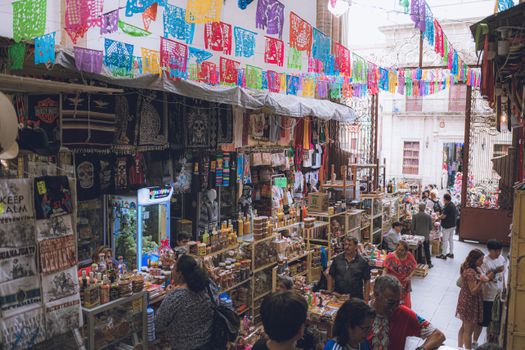
* Street Food & Markets: This is where the magic happens! In Vietnam, grab a Banh Mi for 25,000 VND (about $1 USD). In Mexico City, a taco al pastor can be as little as 15-20 MXN (less than $1 USD). Look for stalls with long lines of locals – that’s your sign. Explore markets like Mercado de San Juan in Mexico City for exotic meats or Ben Thanh Market in Ho Chi Minh City for an explosion of sights and smells.
* Avoid Tourist Traps: Restaurants with English menus prominently displayed, touts outside, and inflated prices (e.g., a simple pasta dish in Rome for €20) are often tourist-oriented. Look for places with only local language menus or those tucked away from main squares.
* Ask for the Daily Special: "El plato del día" or "Menu del día" often offers the best value and freshest ingredients.
* Take a Cooking Class: Learn to make local dishes from scratch. I once took a pasta-making class in Florence, and it was not only delicious but also a fantastic way to understand Italian culinary traditions.
* Drink Like a Local:
* Coffee Culture: Find a local "café" or "kopi tiam." In Portugal, a "bica" (espresso) costs around €0.70-€1. In Italy, stand at the bar for your espresso for the authentic, quick experience.
* Neighborhood Bars: Seek out "izakayas" in Japan, "tavernas" in Greece, or local pubs in Ireland. These are social hubs.
* Shop Smart:
* Artisanal Markets: Look for handcrafted goods, local produce, and unique souvenirs at farmers' markets or artisan fairs. You'll find better quality and more authentic items than in generic souvenir shops.
* Bargaining: In many cultures (especially in Asia, Africa, and parts of Latin America), bargaining is expected and part of the shopping experience, particularly in markets. Always be polite and respectful.
Personal Anecdote:
My greatest culinary triumph was finding the best Pho in Hanoi. After days of eating decent but not mind-blowing pho in tourist areas, a local friend insisted we go to a tiny, nameless stall down a narrow alleyway. The "restaurant" was just a few plastic stools and tables, and the kitchen was a single simmering pot. But the broth! It was rich, aromatic, and deeply flavorful – a world away from anything I’d tasted before. It cost a mere 30,000 VND (approx. $1.20 USD), and it remains one of my most cherished food memories.
4. Embrace Local Transportation & Walk Everywhere
How locals move around a city reveals its rhythm and flow. Ditch the expensive taxis and embrace public transport or, even better, your own two feet. You’ll save money, see more, and truly feel the pulse of the place.
Why it matters:
* Authentic Perspective: See neighborhoods and daily life you'd miss from a taxi window.
* Cost-Effective: Public transport is significantly cheaper than private transfers.
* Environmental Impact: Reduce your carbon footprint by opting for greener transport.
Actionable Tips:
* Master Public Transport:
* Research Before You Go: Understand the metro, bus, or tram system. Apps like Citymapper (for major cities like London, Paris, Tokyo), Google Maps, or city-specific apps (e.g., Rome's ATAC app) are invaluable.
* Get a Local Card: Many cities offer rechargeable transport cards (e.g., Oyster Card in London, Suica/Pasmo in Japan) that are cheaper and more convenient than single tickets.
* Observe and Learn: Watch how locals buy tickets, validate them, and navigate the system. Don't be afraid to ask for help!
* Walk, Walk, Walk: Many cities are best explored on foot. You stumble upon hidden cafes, beautiful street art, and charming plazas you’d never see otherwise. Wear comfortable shoes!
* Rent a Bike: In bike-friendly cities like Amsterdam, Copenhagen, or even Chiang Mai, renting a bicycle offers freedom and a local perspective.
* Embrace the "Collectivo": In Latin America, shared vans or minibuses (collectivos) are a common, cheap, and authentic way to travel short distances. Just be aware of the routes and safety.
Personal Anecdote:
Navigating the Tokyo subway system during rush hour was initially daunting. The sheer volume of people, the intricate lines, the polite but firm pushes into crowded carriages – it was an experience in itself! But once I got the hang of it, using my Suica card and understanding the transfer points, it became incredibly efficient and allowed me to explore neighborhoods far beyond the tourist hotspots, like the charming, retro streets of Yanaka. It felt like I was truly part of the city's daily grind, not just observing it.
5. Beyond the Postcard: Find Your Authentic Pace
Tourist itineraries are often packed, rushing from one landmark to the next. To live like a local, you need to slow down. Embrace slow travel, find a routine, and allow yourself to simply be in the moment.
Why it matters:
* Deeper Immersion: Longer stays allow for more meaningful connections and discoveries.
* Reduced Stress: No need to tick off every item on a list. Enjoy the journey.
* Genuine Discovery: You'll stumble upon unexpected delights when you're not rushing.
Actionable Tips:
* Stay Longer: Instead of hopping between 7 cities in 7 days, pick one or two and spend a week or more in each. This allows you to unpack, settle into a routine, and become familiar with your surroundings.
* Find Your Local Haunts: Seek out a regular coffee shop, a favorite park bench, or a local gym. Becoming a familiar face can lead to conversations and connections.
* Visit During Off-Peak Season: Avoid the summer crowds and inflated prices. Shoulder seasons (spring/autumn) offer pleasant weather and a more authentic local vibe. I found Rome in October to be magical, with fewer crowds and crisp, beautiful days.
* Attend Local Events: Check local newspapers, community boards, or online event listings for festivals, concerts, art exhibitions, or sports games that locals attend. I once stumbled upon a vibrant local music festival in a small town in Sicily, completely by accident, and it was pure joy.
* Read Local News/Blogs: Get a sense of what's important to the community, what issues they're discussing, and what events are happening.
Personal Anecdote:
My most profound local living experience was a month-long stay in Chiang Mai, Thailand. Instead of just visiting temples, I found a local yoga studio I loved, frequented a specific street food vendor for my daily mango sticky rice, and volunteered at an elephant sanctuary. I had a routine, familiar faces, and felt like a temporary resident, not just a visitor. I learned to ride a scooter, navigated the local markets with ease, and even picked up some basic Thai. It was transformative and showed me the true beauty of slow, intentional travel.
6. Be Respectful & Mindful
Living like a local isn't just about what you do, but how you do it. Respecting local customs, traditions, and the environment is paramount to being a good global citizen and fostering positive interactions.
Why it matters:
* Positive Interactions: Show respect, and you'll receive it in return.
* Sustainable Tourism: Help preserve the culture and environment for future generations.
* Personal Growth: Learn to adapt, be open-minded, and broaden your perspective.
Actionable Tips:
* Learn Local Etiquette:
* Greetings: A simple bow in Japan, a handshake in Europe, or understanding personal space norms can make a big difference.
* Dress Code: Be mindful of conservative dress codes, especially when visiting religious sites (e.g., covering shoulders and knees in temples or churches).
* Tipping: Research tipping customs. In some countries, it's expected; in others, it's not customary or can even be seen as rude.
* Photography: Always ask permission before taking photos of people, especially children.
* Support Ethical Businesses: Choose tour operators, hotels, and shops that prioritize local employment, fair wages, and environmental sustainability.
* Minimize Your Footprint: Reduce plastic waste, conserve water and energy, and leave no trace when exploring natural areas. Carry a reusable water bottle and shopping bag.
* Be Patient and Open-Minded: Things might be different from what you're used to. Embrace the differences, rather than getting frustrated.
* Listen More Than You Speak: Observe, absorb, and learn.
Personal Anecdote:
In Morocco, I quickly learned the importance of patience and the art of negotiation in the bustling souks of Marrakech. Initially, I found the constant calls from vendors overwhelming. But after observing locals and learning a few Arabic phrases, I realized it was all part of the playful cultural exchange. I learned to politely decline, or engage in good-natured banter over prices, always with a smile. It taught me a valuable lesson in cultural adaptation and respectful interaction.
---
Ready to Live Your Next Adventure?
Living like a local isn't about pretending to be someone you're not. It's about opening yourself up to genuine experiences, embracing the unfamiliar, and allowing a place to truly impact you. It's about trading the checklist for connection, the crowds for culture, and the fleeting moments for lasting memories.
The world is trending with incredible destinations waiting to be explored beyond the tourist façade. From savoring authentic street food in Hanoi to sharing laughter with a local artisan in Oaxaca, Mexico, these experiences are within your reach. So, what are you waiting for?
What's your favorite tip for living like a local, or where are you dreaming of immersing yourself next? Share your thoughts and stories in the comments below! And don't forget to use #TripsoraLocalLife on social media to inspire fellow travelers!
---