The world spun, my heart hammered against my ribs like a trapped bird, and a cold sweat slicked my palms. I wasn't dangling precariously from a cliff face or teetering on a skyscraper ledge. I was on a step ladder. A three-step step ladder. Trying to change a lightbulb in my kitchen. That’s how deep my acrophobia ran – a crippling, often embarrassing fear of heights that had dictated everything from my travel plans (no Eiffel Tower for me, thank you very much) to household chores.
For years, I'd resigned myself to a life lived firmly on solid ground, watching friends post triumphant photos from mountaintops and scenic overlooks with a wistful sigh. The idea of "climbing" anything beyond a gentle incline was ludicrous. Until, that is, a chance encounter during a solo trip to Austin, Texas, changed everything. A local friend, seeing my perpetual ground-level existence, dared me to try something new: a bouldering gym. "No ropes, no great heights, just puzzles on walls," she promised. Skeptical but intrigued by the "no great heights" part, I reluctantly agreed. Little did I know, I was about to stumble upon a burgeoning trend that’s empowering acrophobes like me to not just face, but actually enjoy heights.
This isn't your grandfather's extreme rock climbing. This is a new generation of climbing walls and gyms, meticulously designed and thoughtfully run, that are trending precisely because they offer a controlled, supportive, and incredibly fun environment for everyone – especially those of us who break into a cold sweat at the sight of a tall curb. Forget the terrifying images of climbers clinging by their fingertips to sheer rock faces; these spaces are about mental fortitude, problem-solving, and a surprising sense of accomplishment, all while keeping your feet surprisingly close to the ground, at least initially.
The Acrophobe's Paradox: Why Climb When You Fear Heights?
It sounds counterintuitive, right? Why would someone with a fear of heights actively seek out a climbing wall? The answer lies in the profound difference between a perceived threat and a controlled challenge. My fear of heights wasn't just about the physical distance from the ground; it was about a complete loss of control, the terrifying sensation of instability, and the very real possibility of falling. Traditional climbing, with its reliance on a partner's belay and the sheer exposure, exacerbated all these anxieties.
But modern climbing gyms, particularly those embracing bouldering and advanced auto-belay systems, flip the script. They offer an environment where control is paramount. You choose your challenge, you control your ascent, and most importantly, the safety mechanisms are either built into the design (like thick, bouncy crash pads for bouldering) or automated and rigorously tested (auto-belays). This shift from "danger" to "safe challenge" is the magic key for acrophobes. It allows us to slowly, deliberately, and safely re-calibrate our brains' response to elevation. It's not about conquering Everest; it's about conquering that little voice inside your head that screams "DANGER!" when you're just a few feet off the ground.
Decoding the Acrophobia-Friendly Climbing Gym: A Safe Haven
What exactly makes these trending climbing walls so perfect for someone who gets woozy on a stepladder? It's a combination of innovative design, technology, and a welcoming culture.
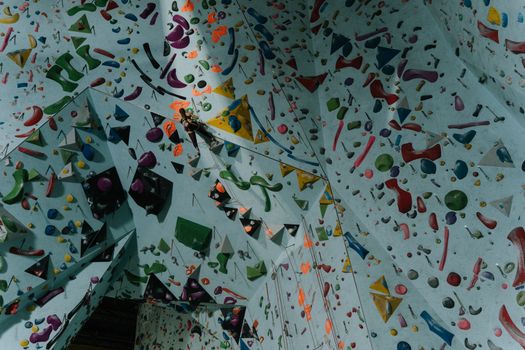
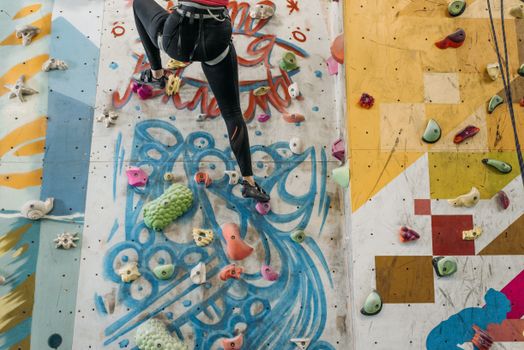
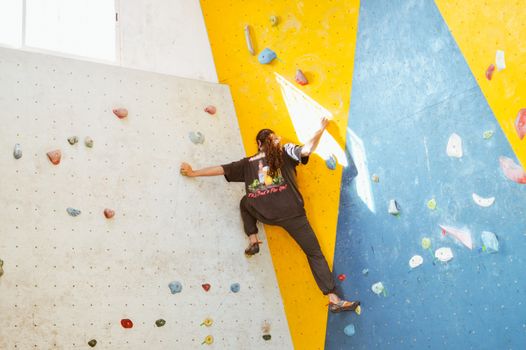
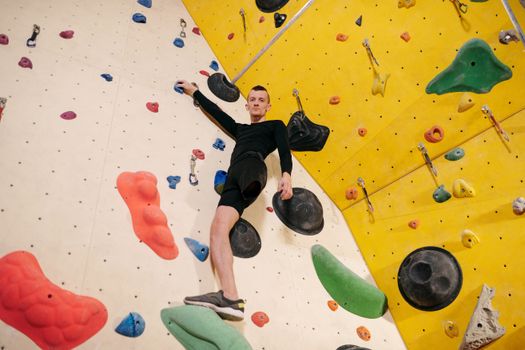
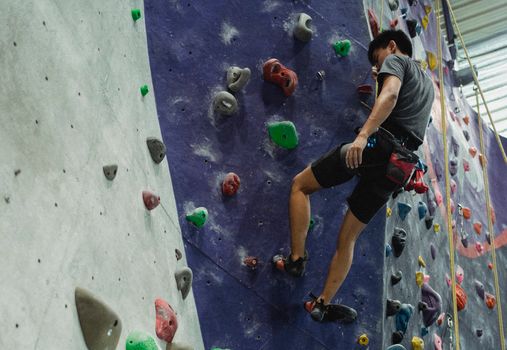
- Bouldering: Your Ground-Level Gateway: This is where most acrophobes find their footing (literally!). Bouldering involves climbing shorter walls, typically no more than 12-15 feet high, without ropes or harnesses. Instead, massive, cushy crash pads cover the entire floor. The focus is on strength, technique, and problem-solving. You're never far from the ground, and the "fall" is more like a controlled drop onto a giant mattress. My first experience at The Austin Bouldering Project was transformative. I started on walls so low I could almost touch the ground while standing on my tiptoes. But the mental engagement, the satisfaction of figuring out a "problem" (a specific route of holds), was instantly addictive. It wasn't about height; it was about the puzzle.
- Auto-Belay Systems: Trust in Technology: For those ready to venture higher, auto-belays are a game-changer. These mechanical devices automatically take up slack as you climb and gently lower you to the ground when you let go or reach the top. There's no human belayer involved, which for many acrophobes, removes a significant layer of anxiety. The consistent, controlled descent feels incredibly secure. I remember my first time on an auto-belay, my palms sweating, heart pounding. But as I pushed off the wall and felt the smooth, steady descent, a wave of relief washed over me. It wasn't a terrifying drop; it was a graceful, controlled glide. It built trust in the system, and more importantly, trust in myself.
- Top-Roping (with a Twist): Instructor-Led Confidence: While auto-belays are fantastic, many gyms still offer traditional top-roping with a human belayer. For acrophobes, finding a gym with experienced, patient instructors is key. They understand the nuances of fear and can guide you with calm encouragement, ensuring slow, controlled descents and constant reassurance. Some gyms even offer specific "fear of heights" introductory classes, focusing on breathing techniques and mental strategies.
- Supportive Community & Beginner Zones: Modern climbing gyms are less about hardcore athletes and more about accessible fitness and community. You'll find a diverse crowd, from kids to seniors, all encouraging each other. Many gyms have dedicated beginner zones with easier routes and lower walls, fostering a non-intimidating atmosphere. The sense of camaraderie, the shared struggle and triumph, is incredibly motivating.
Your First Ascent: Practical Tips for Overcoming the Jitters (Acrophobe Edition)
So, you're ready to take the leap (or, more accurately, the slow, controlled step)? Here are my hard-won tips for making your first climbing experience a positive one:
- Start with Bouldering, Always: Seriously, don't even look at the tall walls initially. Focus on bouldering. It's the perfect way to get acquainted with the movements, the holds, and the sensation of being off the ground without the added pressure of significant height.
- Go with a Friend or Get an Instructor: Having a supportive friend can make a huge difference. Even better, invest in an introductory class. A good instructor will teach you proper technique, safety, and, crucially for acrophobes, how to manage your anxiety. They can offer specific advice on breathing and focus.
- Focus on the Holds, Not the Height: This is my mantra. When you feel the fear creeping in, shift your gaze to the next hold, then the next. Concentrate on your hand and foot placement, the texture of the hold, the movement of your body. Break the climb down into micro-goals.
- Breathe, Breathe, Breathe: When fear strikes, our breathing becomes shallow and erratic. Consciously take slow, deep breaths. In through the nose, out through the mouth. This calms your nervous system and helps you regain control.
- Trust the Equipment (and Yourself): Before you even step on the wall, understand how the auto-belay works, or how the crash pads protect you. Knowledge dispels some of the fear. Once you're on the wall, trust your body; it's stronger than you think.
- Celebrate Small Victories: Did you get two holds higher than last time? Did you complete a route you thought was impossible? Did you just try? Celebrate every tiny win. Each small step is a monumental leap for an acrophobe.
- Rent Gear, Wear Comfy Clothes: Most gyms offer shoe and harness rentals. Wear clothes you can move freely in. No need to invest heavily until you know you love it.
- Don't Look Down (Initially): It sounds obvious, but it's a powerful tool. Keep your gaze focused upwards or on the wall. As you gain confidence, you can gradually start to look around, but for your first few sessions, avoid the downward gaze that can trigger panic.
Global Hotspots for Fear-Conquering Climbs: Where to Find Your Footing
These acrophobia-friendly climbing walls aren't just a niche; they're a global phenomenon. Here are a few examples of the types of gyms that are leading the charge, offering diverse experiences for every type of traveler (and acrophobe):
- The Boulder Den, Brooklyn, NYC, USA: This isn't just a gym; it's a community hub. Located in a repurposed industrial space, The Boulder Den boasts an incredible array of bouldering problems for all levels, from V0 (beginner) to V10 (expert). What makes it perfect for acrophobes is its vibrant, non-competitive atmosphere, excellent introductory courses ($65 for a two-hour session including rental gear), and a fantastic on-site cafe where you can decompress and watch others climb. The staff are incredibly patient and understanding, often offering impromptu tips. A day pass runs about $28, and they often have "first-timer" deals. I loved the energy here – it felt less like a gym and more like an urban playground. Instagram moment: Capture your chalked hands reaching for a colorful hold, or a victorious shot from the top of a low bouldering wall.
- Ascend Collective, London, UK: Nestled in a converted warehouse in East London, Ascend Collective focuses heavily on mindful movement and community. They have a dedicated "Zenith Zone" with lower bouldering walls and a specific auto-belay area designed for those new to heights. Their unique "Mindful Climb" workshops (around £40) incorporate breathing exercises and mental visualization techniques, which are invaluable for managing anxiety. The gym emphasizes a holistic approach to climbing, making it less about brute strength and more about mental resilience. A day pass is £18, with monthly memberships around £60. Their clean, minimalist aesthetic and natural light make it a calming space. Instagram moment: A wide shot of the airy gym, capturing the diverse climbers and the bright, inviting walls.
- Zenith Wall, Kyoto, Japan: For a truly unique and calming experience, Zenith Wall offers a different take. Reflecting Japanese aesthetics, this gym is meticulously clean, spacious, and features beautifully crafted wooden elements alongside the climbing walls. While it offers all types of climbing, their bouldering area is particularly serene, almost like a "zen garden" of climbing problems. Instructors here often emphasize technique and balance over raw power, making it less intimidating. They offer private introductory lessons (around ¥7,000 for an hour) that are perfect for personalized attention. A day pass is ¥2,800. The quiet, focused atmosphere allows you to really tune into your body and the climb, minimizing external distractions that might fuel anxiety. Instagram moment: A close-up of a climber's feet finding purchase on a beautifully designed wooden hold, or a serene wider shot of the gym's minimalist aesthetic.
- Summit Seekers, Sydney, Australia: Located near the vibrant Darling Harbour, Summit Seekers is a bustling, modern facility that caters to everyone. They have an impressive array of auto-belay lines, some reaching up to 40 feet, but crucially, they also have fantastic beginner zones and a very patient instructor team. What makes them stand out is their "Fearless First Ascent" program (AU$90 for a 2-hour session), specifically designed to introduce nervous climbers to heights in a gradual, supportive manner. Their cafe is excellent for post-climb refuels, and the social atmosphere is incredibly welcoming. A day pass is AU$25. Instagram moment: A triumphant selfie with a harness on, or a dynamic shot of someone on an auto-belay, looking confident.
These are just a few examples, but the trend is clear: more and more climbing gyms are understanding the diverse needs of their clientele, creating spaces where the joy of movement and the thrill of challenge can be experienced by everyone, regardless of their starting point (or their phobias!).
Beyond the Climb: The Unexpected Rewards of Conquering Your Fear
My journey from step-ladder phobia to confidently scaling auto-belay walls hasn't just been about climbing; it's been about a profound shift in my perception of myself and the world. The benefits extend far beyond the gym walls:
- Boosted Confidence: Each successful "send" (completing a climbing route) is a massive confidence booster. That feeling of "I did it!" translates into other areas of my life. If I can conquer the wall, what else can I achieve?
- Mental Clarity & Stress Relief: Climbing demands intense focus. For those moments you're on the wall, your mind is entirely absorbed in the problem, leaving no room for daily worries or anxieties. It's a moving meditation.
- Physical Fitness: It's an incredible full-body workout – strength, flexibility, balance, and endurance. I've never felt stronger or more capable.
- Community & Connection: The climbing community is one of the most supportive I've ever encountered. There's a shared understanding, a collective cheer for every triumph, big or small.
- A Unique Travel Souvenir: Forget trinkets. My greatest travel souvenir from Austin was the courage to try climbing. Now, wherever I travel, I actively seek out local climbing gyms, adding an exciting, active dimension to my trips that I never thought possible.
I'm not going to lie; the fear doesn't vanish completely. Sometimes, even now, a little tremor of anxiety runs through me when I look up at a particularly tall wall. But now, I have the tools, the experience, and the confidence to manage it. I know how to breathe, how to focus, and how to trust the process.
So, if you, like the old me, have let a fear of heights dictate your life, I implore you: find one of these trending climbing walls. Start small. Try bouldering. Experience the joy of movement and the thrill of solving a physical puzzle. You might just discover a strength and courage you never knew you possessed. It's time to literally and figuratively reach for new heights.
Ready to take the first step (or climb)? Share your own experiences or questions in the comments below, and let's inspire each other to scale new possibilities! Don't forget to tag #TripsoraClimbs and #AcrophobeAscent on your social media posts!
---