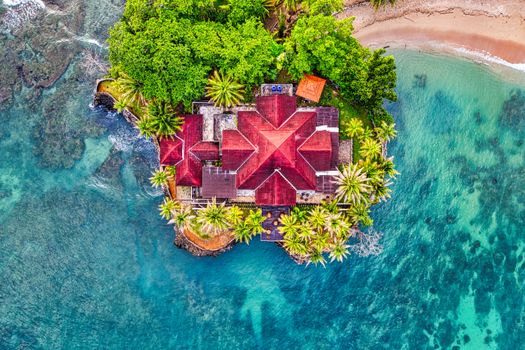
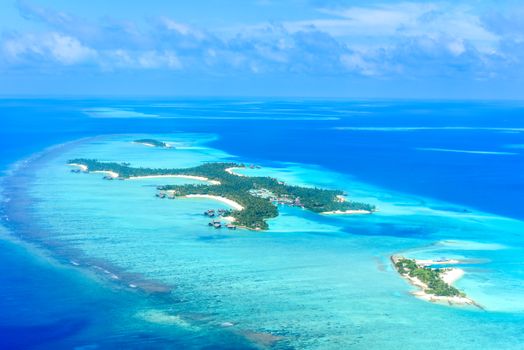
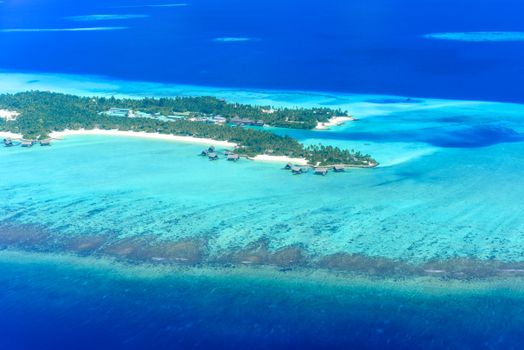
The sun beat down, warming the fine white sand beneath my bare feet. A gentle breeze rustled the few palm trees swaying lazily at the island's edge. The water, a kaleidoscope of turquoise and emerald, lapped softly at the shore. Beyond the shimmering surface, a vibrant coral reef beckoned. And the best part? There was no one else. Not a single soul. Just me, a packed lunch, and a tiny, perfect island in the middle of the Philippine Sea. Total cost for this slice of heaven? A measly $35.
I remember pinching myself. Had I stumbled into a dream? Or had I finally cracked the code to experiencing the ultimate luxury – a private island – without needing a millionaire's bank account? Turns out, it was the latter. And today, my fellow wanderlusters, I'm here to spill all the secrets.
Forget the glossy magazine spreads of mega-yachts and exclusive resorts. We're talking about real, raw, unforgettable private island moments that are not only achievable but surprisingly affordable. If your idea of paradise involves unparalleled solitude, untouched nature, and a story that will make your friends green with envy, then buckle up. This isn't just a blog post; it's your blueprint for budget-friendly island bliss.
The Myth of the Unattainable: Your Private Island Awaits
For years, the phrase "private island" conjured images of the super-rich, movie stars, and those with trust funds deeper than the ocean itself. But what if I told you that definition is far too narrow? A private island experience doesn't necessarily mean buying a whole landmass or renting a $5,000-a-night villa. It means having a sliver of land, surrounded by water, all to yourself – or with your chosen few – for a significant period. And that, my friends, is entirely within reach, often for less than a hundred dollars.
The key is shifting your perspective and embracing adventure. We're not looking for five-star amenities; we're seeking five-billion-star views. We're trading infinity pools for infinite ocean horizons, and butler service for the sweet taste of self-sufficiency. Ready to dive in?
1. The Day-Tripper's Delight: Uninhabited Islets & Sandbars
This is perhaps the most accessible and common way to experience your own "private island" for a steal. Many popular island destinations are surrounded by dozens, if not hundreds, of smaller, uninhabited islets or temporary sandbars that appear and disappear with the tides. While tour operators might take you to the most popular ones, the real magic lies in finding a local boatman willing to take you slightly off the beaten path.
How it Works:
Head to a local fishing village or a less-touristy harbor. Engage with local boat owners – often, they're looking for extra income beyond fishing. Explain that you want to be dropped off on a small, uninhabited island or sandbar for a few hours, then picked up later. Be clear about your expectations: you want solitude, not a party spot.
Tripsora Tip: Negotiate & Be Specific!
Always agree on the price, duration, and exact pick-up time before you leave. Show them on a map (Google Maps is your friend here!) exactly where you're interested in going. Often, you can split the cost with a friend or two, making it even cheaper.
My Palawan Paradise Story:
My first "private island" moment was exactly this. In El Nido, Philippines, after a few days of crowded island-hopping tours, I asked around for a local fisherman. I found Mang Tony, who, for about ₱1,800 (around $35 USD at the time), agreed to take me and a friend to a tiny, unnamed sandbar for three hours. It was barely big enough for two beach towels and a cooler, but it was ours. We snorkeled in crystal-clear water, ate our packed adobo and rice, and felt like castaways in the best possible way. The sheer silence, broken only by the gentle lapping of waves, was intoxicating.
Where to Look:
* Philippines (Palawan, Coron, Siargao): Countless islets and sandbars.
* Thailand (Krabi, Trang, Koh Lanta): Explore the smaller islands around the more popular ones.
* Indonesia (Gili Islands, Lombok, Flores): Often tiny, unnamed "gilis" or sandbanks nearby.
* Florida Keys, USA: Kayak or paddleboard to small mangrove islands or sandbars in the shallow waters.
Budget Breakdown (Per Person):
* Boat hire: $20-$50 (can be split)
* Packed lunch/water: $5-$10
* Total: $25-$60
2. Island Camping: Your Own Piece of Paradise Overnight
For the truly adventurous, spending a night under the stars on a secluded island takes the private island experience to another level. This is often possible on islands that are part of national parks or protected areas where primitive camping is allowed (sometimes for a small fee or permit).
How it Works:
This requires more planning. Research islands in your chosen destination that permit camping. You'll likely need to arrange transport with a local boatman (as above) to drop you off and pick you up the next day. You'll need to be entirely self-sufficient, bringing all your gear, food, and water.
Tripsora Tip: Leave No Trace!
This is non-negotiable. Pack out everything you pack in, including all trash. Leave the island exactly as you found it, or better. Respect the environment and any local regulations.
My Thailand Star-Gazing Escape:
I once managed to camp on a small, almost unknown island off the coast of Trang, Thailand. It was part of a marine park, and with a pre-arranged permit (which cost about $5) and a boat ride ($60 return, split with my partner), we had a pristine beach all to ourselves. We pitched our tent just shy of the tree line, cooked instant noodles over a tiny gas stove, and spent the night watching shooting stars arc across a sky unpolluted by city lights. Waking up to the sunrise over an empty ocean was a moment etched in my memory forever.
Where to Look:
* Philippines (some national parks, e.g., Calamianes Group): Requires permits and careful planning.
* Thailand (certain marine parks, e.g., Tarutao National Park): Check official websites for designated camping areas.
* Belize (some remote cayes): Often requires permission from local landowners or tour operators.
* Australia (various national parks, e.g., Whitsundays): Designated camping spots on some islands, requiring permits.
Budget Breakdown (Per Person, assuming you have gear):
* Permit/Fee: $5-$20
* Boat hire: $30-$60 (can be split)
* Food/Water: $10-$20
* Total: $45-$100
3. The "Local Guide" Secret: Unearthing Truly Hidden Gems
Sometimes, the best way to find your private island isn't through online research, but through human connection. Locals often know about tiny, unnamed islands, secluded coves, or pristine sandbars that never make it into guidebooks or tour itineraries.
How it Works:
When you arrive at a coastal town, avoid the main tour offices. Instead, strike up conversations with fishermen, small guesthouse owners, or even restaurant staff. Ask them about "secret spots" or "places where no one goes." Offer to pay for their time or their boat. This approach requires a bit more charm and trust but can lead to truly unique experiences.
Tripsora Tip: Be Respectful & Fair:
When negotiating with locals, remember that tourism is their livelihood. Don't haggle aggressively. Agree on a fair price that values their knowledge and time. A small tip for an exceptional experience is always appreciated.
My Belizean Mangrove Island Encounter:
While staying on Caye Caulker, Belize, I got chatting with a local fisherman named Pedro during a casual stroll. I mentioned wanting to find a really quiet snorkeling spot, away from the crowds. He grinned, "I know a place." For $70 (just for me, as I was solo), he took me in his small skiff to a tiny, unnamed mangrove island about 45 minutes away. We snorkeled around the roots, spotting baby sharks and barracudas, and then he grilled fresh fish he'd caught earlier right on a small, makeshift beach. It wasn't a "picture-perfect" white sand island, but it was utterly private, authentic, and unforgettable.
Where to Look:
This method works best in less-developed, more authentic destinations where local communities are still very much involved in daily life and not solely reliant on mass tourism. Think:
* Central America (Belize, Honduras, Nicaragua's Caribbean coast).
* Southeast Asia (lesser-known islands in Indonesia, Malaysia, Vietnam).
* Parts of the Caribbean (Dominica, Grenada, smaller Lesser Antilles).
Budget Breakdown (Per Person):
* Local guide/boat hire: $40-$80
* Food/Drinks (often included or you bring): $10-$20
* Total: $50-$100
4. Remote Beach Recon: Making a Public Spot Feel Private
Sometimes, you don't even need a whole island. On larger, more accessible islands, there are often stretches of beach so remote, so difficult to access, or so expansive that they effectively feel private, especially if you visit at the right time.
How it Works:
This strategy involves diligent research (Google Earth is your best friend here!), a willingness to walk or hike, and strategic timing. Look for beaches that aren't easily accessible by road, require a long walk, or are simply massive.
Tripsora Tip: Early Birds & Night Owls:
Go at sunrise or late afternoon/sunset. Most tourists are still in bed, having breakfast, or heading back to their resorts. You'll often have vast stretches of sand all to yourself. Off-season travel also dramatically reduces crowds.
My Sardinian Solitude:
On a trip to Sardinia, Italy, I was determined to find a quiet spot. I used Google Earth to scout out a beach called Cala Luna – famous, but I noticed a long hiking trail leading to it. Instead of taking the popular boat taxi, I hiked for an hour along a rugged cliffside path. When I arrived, there were only two other couples on a beach that could easily hold hundreds. The effort made the privacy feel earned, and the stunning scenery was my reward. The hike was free, and I packed my own focaccia and cheese.
Where to Look:
* Greece (Crete, Peloponnese, less-visited islands): Hike to remote coves.
* Portugal (Algarve coast): Explore hidden beaches between the famous ones.
* Australia (anywhere with vast coastline): Walk further down the beach than anyone else.
* Hawaii (Molokai, less-visited parts of Maui/Big Island): Seek out less-trafficked trails.
Budget Breakdown (Per Person):
* Transport to trailhead/remote access point: $5-$20
* Packed food/water: $5-$10
* Total: $10-$30 (Often just the cost of getting there and your snacks!)
5. Micro-Islands & Strategic Stays: Base Camp for Budget Bliss
This method involves staying on a very cheap, less-developed island as your base, then doing short, extremely affordable day trips to adjacent tiny islands or sandbars. The key is to choose your base wisely – somewhere with budget accommodation and easy access to local boatmen.
How it Works:
Find an island with basic guesthouses or hostels (think $10-$25/night). From there, you can often arrange very short, inexpensive boat trips to nearby, even smaller, uninhabited landmasses. The proximity makes these trips much cheaper than longer excursions.
Tripsora Tip: Look for "Local" Islands:
Often, islands that are not heavily marketed to international tourists have much cheaper accommodation and more authentic local transport options. Research islands popular with domestic travelers or backpackers.
My Gili Meno Micro-Adventure:
I once stayed on Gili Meno, Indonesia, the quietest of the three Gili Islands. My bungalow was a simple $18/night. From the beach, I saw a tiny sandbar shimmering in the distance. I approached a local fisherman, and for about 150,000 IDR (around $10 USD), he agreed to take me there for an hour. It was literally a patch of sand in the middle of the sea, with no trees, just pure white sand and incredible snorkeling. I felt like the king of my own tiny domain, then returned to my budget bungalow to tell my tales.
Where to Look:
* Indonesia (Gili Islands, Karimunjawa, some islands near Lombok/Flores).
* Malaysia (Perhentian Kecil, Langkawi's smaller neighbors).
* Cambodia (Koh Rong Sanloem's quieter areas, nearby islets).
* Philippines (Malapascua, Bantayan, and their surrounding tiny islands).
Budget Breakdown (Per Person, assuming you're already at a budget island base):
* Short boat trip: $5-$20
* Packed snacks: $5-$10
* Total: $10-$30
The Art of the Hunt: Finding Your $100 Paradise
Finding these budget private island experiences isn't always as simple as booking a tour. It requires a bit of detective work, flexibility, and an adventurous spirit.
- Google Earth & Satellite View: This is your secret weapon. Zoom in on coastal areas. Look for small, white patches of sand surrounded by water, or tiny green dots that might be uninhabited islets. Note their proximity to larger islands or fishing villages.
- Offline Maps (Maps.me, OsmAnd): Download maps of your destination. These often show smaller trails, local names for beaches, and can help you navigate to remote spots even without cell service.
- Local Forums & Facebook Groups: Search for "[Destination Name] Backpackers," "Hidden Gems [Destination]," or "[Destination Name] Travel Hacks." Ask locals or seasoned travelers for recommendations on secluded spots.
- Travel Off-Season: This cannot be stressed enough. Fewer tourists mean fewer crowds, lower prices for transport and accommodation, and a much higher chance of having a place to yourself.
- Be Flexible: Your "private island" might be a tiny sandbar, a rocky outcrop, or a remote stretch of beach. Embrace the variety!
- Learn a Few Local Phrases: A simple "Hello," "Thank you," and "How much?" in the local language can go a long way in building rapport and getting better deals.
Maxing Out Your Island Time: Essentials & Etiquette
Once you've secured your slice of paradise, make sure you're prepared to enjoy it responsibly and fully.
What to Bring:
* Water, water, water: Always bring more than you think you'll need.
* Snacks/Lunch: Pack non-perishable food.
* Sun Protection: Hat, sunglasses, reef-safe sunscreen, long-sleeved rash guard.
* Trash Bag: Crucial for "Leave No Trace."
* First-Aid Kit: Band-aids, antiseptic, pain relievers.
* Snorkel Gear: If you have it, bring it!
* Power Bank: For your phone/camera.
* Towel & Dry Bag: To keep electronics safe.
* Book/Journal: To truly disconnect.
Safety First:
* Tell Someone: Inform your guesthouse owner, a friend, or family member where you're going and when you expect to be back.
* Check Weather & Tides: Especially crucial for sandbars or small islets.
* Know Your Limits: Don't swim in strong currents or explore areas you're unsure about.
* Respect Wildlife: Observe from a distance, don't feed animals.
Capture the Magic (and share it!):
These moments are incredibly Instagram-worthy. Think wide-angle shots of the empty beach, drone footage (if allowed and you have one) of your tiny island, or a simple selfie with the vast ocean as your backdrop. Use hashtags like #PrivateIslandOnABudget #BudgetParadise #IslandHacks #TripsoraAdventures to inspire others!
Your Private Island Adventure Awaits!
There's a unique kind of freedom that comes with having an entire island to yourself. It's a chance to truly disconnect, to listen to the rhythm of the waves, and to feel a profound connection with nature. It's an experience that feels incredibly luxurious, yet with a little planning and an adventurous spirit, it's astonishingly affordable.
So, stop dreaming about those unattainable private island getaways. Start planning your own. The world is full of hidden gems, waiting to be discovered by intrepid travelers like you. Go forth, explore, negotiate, and find your own slice of budget-friendly paradise. And when you do, don't forget to tell us all about it!
What's your dream budget island escape? Share your ideas and tips in the comments below!
---