Acrophobia? Conquer Heights: Climbing Walls That Will Blow Your Mind!
The first time I truly understood my fear of heights, I was about ten years old, clinging to a rickety ladder in my grandpa’s barn. My feet were barely five feet off the ground, but my heart was pounding like a drum solo, my palms were slick with sweat, and my body had locked up tighter than a forgotten combination lock. I never made it to the hayloft that day. For years, this was my reality: a deep-seated, irrational terror of anything more than a few steps off solid ground. High bridges? Forget it. Roller coasters? Absolutely not. Even looking out of a skyscraper window would make my stomach churn.
So, imagine my friends' faces when I, me, the human embodiment of acrophobia, enthusiastically suggested we go to a climbing gym. They probably thought I'd finally lost my mind, or perhaps had a sudden, dramatic brain transplant. But something had shifted. I'd heard whispers, seen glimpses on social media, of a different kind of climbing – one that promised challenge, community, and surprisingly, a path to conquering my lifelong nemesis.
What if I told you that the secret to conquering your fear of heights isn't to avoid them, but to embrace them – on your own terms? That there’s a vibrant, welcoming world of indoor climbing walls specifically designed to help people like me (and maybe you!) not just tolerate, but thrive at elevation? Get ready, because your mind is about to be blown.
The Paradoxical Pull: Why Climbing Walls Are Your Acrophobia Antidote
It sounds completely counter-intuitive, doesn't it? "Afraid of heights? Go climb a wall!" But hear me out. Indoor climbing gyms offer a controlled, safe environment that removes many of the triggers that fuel acrophobia in the wild. There’s no sudden gusts of wind, no precarious ledges with endless drops, no flimsy railings. Instead, you get:
- Complete Control: You decide how high you go, how fast you move, and when you come down. This sense of agency is incredibly empowering.
- Gradual Exposure: You can start literally inches off the ground and slowly, almost imperceptibly, increase your elevation as your confidence builds.
- Focus Redirection: Climbing demands intense focus on the task at hand – finding the next hold, planning your movement, engaging your muscles. Your brain is too busy problem-solving to dwell on the height.
- Physical & Mental Benefits: Beyond conquering fear, climbing builds incredible full-body strength, enhances flexibility, sharpens problem-solving skills, and provides a powerful mental workout. It’s meditation in motion.
- Supportive Community: Climbing gyms are famous for their friendly, encouraging atmospheres. Fellow climbers are always ready with a tip, a cheer, or a high-five, making it a truly social and uplifting experience.
For me, it wasn't about reaching the top of Everest. It was about proving to myself that I could do something I once thought impossible. It was about finding strength in vulnerability and discovering a profound sense of accomplishment, one small hold at a time.
Grounded Thrills: Bouldering – Your Acrophobia-Friendly Entry Point
If the mere mention of ropes and harnesses still sends a shiver down your spine, then bouldering is where your climbing journey begins. This is the ultimate "fear of heights" hack, and it's where I started.
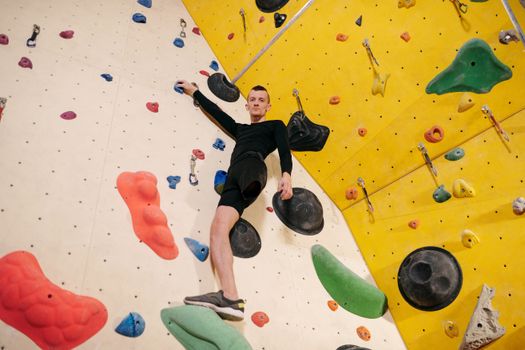
Bouldering involves climbing shorter walls, typically no more than 12-15 feet high, without ropes or harnesses. Instead, the entire floor beneath you is covered in thick, squishy mats – like giant, glorious mattresses designed for falling. The focus isn't on vertical distance, but on solving "problems" – specific sequences of holds designed to challenge your strength, balance, and technique.
Why it's perfect for acrophobes:
- Low Height, High Thrills: You’re never far from the ground. Even at the "top" of a boulder problem, you're still only a few feet up, and you can simply drop down onto the mats.
- No Equipment Anxiety: All you need are climbing shoes (which you can rent) and a chalk bag (also rentable). No complicated knots or safety checks to worry about.
- Problem-Solving Focus: Your brain will be so engrossed in figuring out the "puzzle" of the climb that the height becomes a secondary thought. It's like a physical chess game.
- Safe Falls: Falling is an inherent part of bouldering, and it's designed to be safe. You learn how to fall properly (tuck and roll!), and the mats absorb the impact, making it far less intimidating than it sounds.
My first bouldering session was at "The Rock Haven" in Portland. I spent a good hour just traversing horizontally along the lowest holds, barely a foot off the ground. But even that was a victory! Gradually, I started attempting problems that went a little higher, then a little higher still. The rush of solving a challenging route, the feeling of my muscles engaging, the sheer joy of movement – it was addictive. And the best part? Every time I dropped back down onto those soft mats, I knew I was safe. It felt like playing on a giant, adult-sized playground.
Tripsora Tip:
When trying bouldering for the first time, don't be afraid to ask staff for a quick demo on safe falling techniques. Most gyms offer free "Bouldering Basics" orientations.
The Gentle Ascent: Top-Roping & Auto-Belays for the Next Step
Once you've found your footing (pun intended!) with bouldering, you might feel a curious pull towards the taller walls. This is where top-roping and auto-belays come into play – and they are absolute game-changers for anyone wary of heights.
Top-Roping: Your Trusty Partner
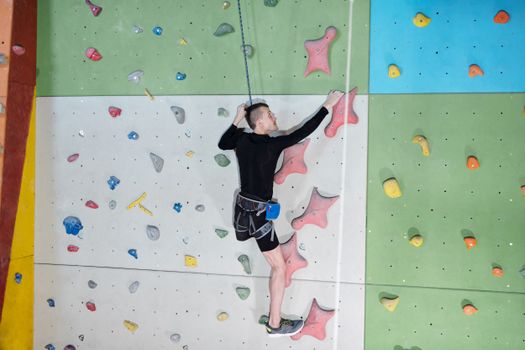
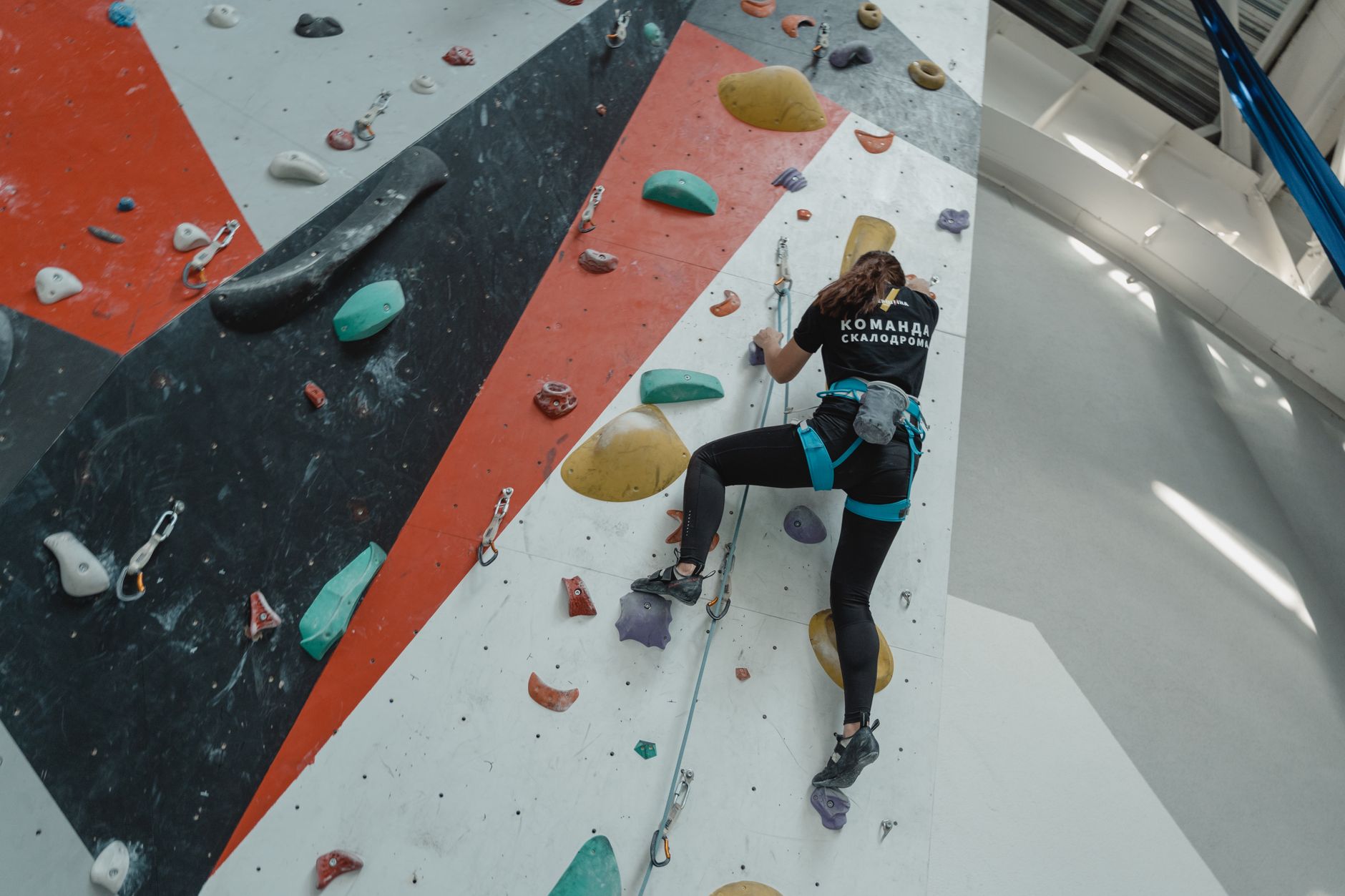
In top-roping, a rope runs from a belayer on the ground, up through a pulley at the top of the wall, and back down to you, where it's attached to your harness. As you climb, your belayer (a trained partner) takes in the slack, ensuring that if you let go, you only drop a few inches before the rope catches you. This constant, secure connection is incredibly reassuring.
- Why it works for acrophobes: You are always protected. There's no free-fall feeling; you simply lean back into your harness, and your belayer gently lowers you to the ground. The control is shared, but the security is absolute.
Auto-Belays: The Independent Acrophobe's Dream
Now, if you don't have a climbing partner or prefer complete autonomy, auto-belays are your new best friend. These ingenious devices are essentially self-regulating belay systems. You clip into the auto-belay at the bottom of the wall, climb up, and when you're ready to come down, you simply let go! The device automatically and smoothly lowers you back to the ground at a controlled speed.
- Why it's a game-changer: This is arguably the most acrophobia-friendly way to climb high. There’s no human error, no need to trust a partner, and you dictate your own pace. The descent is smooth and predictable, allowing you to gradually get used to the feeling of being off the ground.
My first auto-belay experience was transformative. I clipped in, took a deep breath, and started climbing. Higher and higher I went, my heart thumping, but a strange sense of calm washing over me as I realized the machine had me. When I finally reached the top (a modest 30 feet, but it felt like Everest!), the initial terror of letting go was immense. I hovered there for a full minute, talking myself through it. Then, I took the leap. The smooth, controlled descent was exhilarating! It was the first time I truly felt like I was flying, not falling. I immediately went back for more, each descent building my confidence.
Tripsora Tip:
Many gyms offer "Intro to Climbing" classes that cover basic safety, knot tying, and belaying. Even if you plan on using auto-belays, knowing the fundamentals can boost your confidence.
Mind Over Matter: Rewiring Your Brain for Heights
Climbing isn't just a physical sport; it's a mental one, especially when you're battling a fear of heights. Here are some strategies I've used to trick my brain into cooperating:
- Breathe Deeply: When anxiety kicks in, your breathing becomes shallow and rapid. Practice deep, diaphragmatic breathing. Inhale slowly for four counts, hold for four, exhale slowly for six. This calms your nervous system. I often take a few deep breaths before starting a climb and at any point I feel overwhelmed.
- Focus Redirection: Instead of looking down or fixating on the height, focus intensely on the next hold. What's its texture? What's the best way to grip it? Where should your foot go? Engage your brain in the immediate task.
- Visualization: Before you even step onto the wall, close your eyes and visualize yourself successfully completing the climb. See yourself moving gracefully, reaching the top, and safely coming down. Positive mental rehearsal can make a huge difference.
- Gradual Exposure & Celebrate Small Wins: Don't push yourself too hard too fast. Start with routes that feel comfortable and slowly increase the challenge. Celebrate every small victory – reaching a hold you thought was impossible, climbing a few feet higher than last time, or simply trying a new route.
- Positive Self-Talk: Replace negative thoughts ("I'm going to fall," "This is too high") with empowering affirmations ("I am strong," "I can do this," "I am safe"). Your internal dialogue is incredibly powerful.
- Trust Your Gear & Your Body: Remind yourself that the equipment is designed for safety, and your body is capable of amazing things. Trust the process.
I remember one particular climb where I froze about two-thirds of the way up. My acrophobia had flared, and I was convinced I couldn't move. My belayer, sensing my panic, calmly talked me through my breathing and reminded me to focus on my feet. Slowly, painstakingly, I moved one hand, then one foot, and eventually, I reached the top. That moment of overcoming not just the physical challenge, but the mental block, was pure euphoria. It's a feeling you can't get anywhere else.
Beyond the Basics: Unique Climbing Gyms That Inspire
Modern climbing gyms are far more than just concrete walls. They are vibrant, thoughtfully designed spaces that often incorporate art, natural light, and unique features to enhance the climbing experience. When choosing a gym, especially as an acrophobe, look for places that prioritize:
- Beginner-Friendly Zones: Many gyms have dedicated areas with easier routes and lower walls specifically for new climbers.
- Abundant Auto-Belays: A good number of auto-belay stations means you'll spend less time waiting and more time climbing at your own pace.
- Welcoming Atmosphere: Read reviews! Look for gyms praised for their friendly staff and supportive community.
- Unique Aesthetics: Sometimes, a visually engaging environment can distract from the height. Think colorful walls, natural wood elements, or large windows.
Here are a few (fictional, but inspired by real-world concepts!) examples of the kinds of gyms that truly blow your mind and are perfect for easing into climbing:
- The Ascent Oasis (Denver, CO): Known for its stunning architecture that blends natural light with vibrant, custom-designed climbing walls. Their "Zen Boulder Garden" is a low-height, sun-drenched bouldering area perfect for beginners. They offer a "Conquer Your Fear" intro class specifically for acrophobes, focusing on breathing and visualization. Day pass: ~$25. Instagram-worthy for its natural light and vibrant wall art!
- Urban Spire (Brooklyn, NY): This multi-level gym boasts an impressive array of auto-belay routes that wind through a cavernous, art-filled space. They frequently host "Chill Climb" evenings with ambient music and softer lighting, creating a relaxed, non-intimidating vibe. Day pass: ~$30. Great for a unique, artsy climbing selfie!
- The Peak Playground (Austin, TX): With a reputation for its incredibly patient and encouraging instructors, The Peak Playground emphasizes community. Their "First Ascent" program pairs new climbers with experienced mentors for a personalized, low-pressure introduction to roped climbing. They have over 20 auto-belay stations and a dedicated "Descent Discovery" zone to practice safely letting go. Day pass: ~$22. Perfect for capturing those triumphant first-reach moments!
Remember, prices and specific offerings vary, so always check the gym's website or call ahead to confirm details and book an introductory session.
Gear Up, Buttercup! Your Essential Climbing Kit (and What You Don't Need)
One of the best things about indoor climbing is how little specialized gear you actually need, especially when you're starting out. You don't need to buy a whole new wardrobe or invest a fortune.
Here's the lowdown:
- Climbing Shoes: These are crucial. They're designed to be snug and sticky, giving you precision and grip on the holds. Don't worry, gyms rent them! For your first few sessions, prioritize comfort over tightness. Your toes might feel a bit squished, but they shouldn't be painful.
- Chalk Bag: Chalk keeps your hands dry, improving your grip. While not strictly essential for very easy routes, it's a good habit to get into. Also rentable at most gyms.
- Harness (for roped climbing): If you're top-roping or using an auto-belay, you'll need a harness. This is the padded loop that goes around your waist and thighs, connecting you to the rope. Gyms rent these too! They're surprisingly comfortable and designed for safety.
- Comfortable Clothing: Wear athletic clothing that allows for a full range of motion. Think yoga pants, leggings, shorts, t-shirts, or tank tops. Anything you can comfortably stretch and move in.
That's it! You really don't need much else. Focus on getting started, and if you fall in love with the sport (and I bet you will!), you can gradually invest in your own gear down the line.
My Personal Journey & What I Learned (and YOU Can Too!)
From that terrified kid on a barn ladder to confidently scaling 50-foot walls, my journey with climbing has been nothing short of life-changing. It didn't happen overnight. There were still moments of fear, wobbles, and even a few panicked retreats from a route. But each time, I learned. I learned to trust the rope, to trust the auto-belay, and most importantly, to trust myself.
Climbing has taught me that strength isn't just about biceps; it's about resilience, problem-solving, and the courage to face your fears head-on. It's about showing up, even when you're scared, and taking that first step (or hand-hold). The feeling of reaching the top of a challenging route, looking down (and yes, I can look down now!), and knowing you conquered not just the wall, but your own internal demons, is unparalleled.
And the community? It's genuinely one of the most supportive I've ever encountered. There's no judgment, only encouragement. Everyone remembers being a beginner, and everyone is genuinely happy to see you succeed. It's a place where high-fives are abundant, and shared beta (climbing advice) is freely given.
Climbing isn't just a sport; it's a metaphor for life. It teaches you to break down big, intimidating challenges into smaller, manageable steps. It teaches you to embrace failure as a learning opportunity. And it teaches you that you are capable of far more than you ever imagined.
Ready to Climb Beyond Your Fears?
If a lifelong acrophobe like me can find joy, confidence, and a passion for climbing, then so can you. Don't let your fear of heights dictate what you can and cannot do. Indoor climbing walls offer a safe, exhilarating, and incredibly rewarding path to not just managing, but truly blowing past your anxieties.
So, what are you waiting for? Find your nearest climbing gym, book an intro session, and prepare to blow your own mind. Clip in, take a deep breath, and let the wall teach you just how strong and brave you truly are. Your next adventure is just a climb away!
Share your first climbing story with us using #TripsoraClimbs and inspire others to conquer their fears!
---