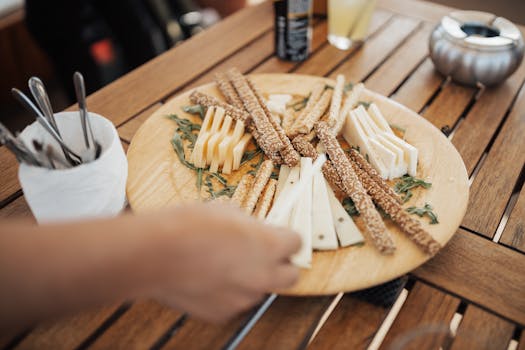
The Hook: A Subterranean Awakening
I stepped off the regional train at Saint-Affrique, the southern French air thick with the scent of wild thyme and baking limestone. My destination wasn’t a sun-drenched vineyard or a Michelin-starred dining room. Instead, I was hunting for a heavy wooden door built directly into the sheer rock face of the Combalou plateau.
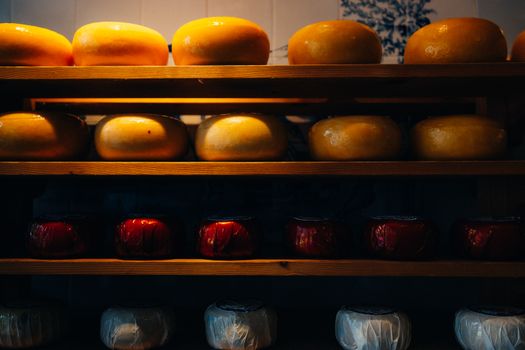
When the heavy oak door creaked open, the temperature plummeted instantly from a sweltering 32°C (90°F) to a crisp, damp 9°C (48°F). The air didn't just feel cold; it felt alive. It smelled of wet stone, sea salt, toasted rye bread, and the sharp, unmistakable ammonia kick of blue mold. Before me lay a labyrinth of subterranean wooden shelves stretching into the dark, loaded with thousands of pale, mottled wheels of Roquefort. This was my introduction to the world of high-level affinage—the art of aging cheese—and it ruined supermarket dairy for me forever.
For years, these sacred underground spaces were closed to the public, guarded like bank vaults by master affineurs. But this year, a select group of the world’s most legendary cheese caves are opening their doors to travelers seeking hyper-local, tactile culinary adventures. This is gastronomic spelunking. Here is where you need to go.
---
1. The Cathedral of Blue: Roquefort-sur-Soulzon, France
The Geological Wonder of Combalou
You cannot talk about cheese caves without starting at the birthplace of blue. Millions of years ago, the collapse of the Combalou plateau in Aveyron created a network of deep caves ventilated by fleurines—natural fissures in the rock that act as giant lungs, inhaling dry mountain air and exhaling cool, damp, drafty moisture. This unique microclimate is the only place on Earth where true Roquefort can be aged.
Inside the caves of Société or Caves Papillon, the walls are literally breathing. The humidity hovers at a constant 95%, allowing the wild mold Penicillium roqueforti (originally harvested from local rye bread left in the caves) to colonize the sheep's milk curds.
The Tasting Experience
When you taste Roquefort straight from the cave, it is a revelation. It does not have the harsh, metallic burn of mass-produced blue cheese. Instead, it is intensely creamy, tasting of sweet sheep’s milk, wet slate, and a complex, peppery finish that pairs spectacularly with a glass of local Sauternes.
- Pro-Tip: Skip the crowded main visitor center at Société. Instead, book an artisan tour at Caves Papillon. Their entrance is tucked away on a steep side street (look for the hand-carved stone butterfly above the door). Ask for a guide named Jean-Luc; his family has worked these caves for three generations, and he knows how to spot the sweetest wheels by tapping them with a silver mallet.
---
2. The Quartzite Sanctuary: Kaltbach Cave, Switzerland
22-Million-Year-Old Sandstone
Located in the Lucerne region, the Kaltbach Cave is a geological masterpiece. Carved into a 22-million-year-old sandstone hill, this natural labyrinth stretches for over a mile underground. The sandstone is porous, acting as a natural sponge that absorbs water from an underground river (the Kaltbach, or "cold brook") and releases it slowly, maintaining a perfect 12°C (54°F) temperature year-round.
The cave air is rich with mineral-heavy microflora. As the Kaltbach Emmentaler and Kaltbach Gruyère age here, their rinds turn a distinctive, glossy, dark brown-black color. This is not artificial coloring; it is the natural reaction of the cheese rind reacting with the mineral-rich sandstone dust and cave humidity.
The Tasting Experience
The Kaltbach Gruyère is crumbly and studded with crunchy tyrosine crystals (the sign of a well-aged cheese). The flavor profile is deeply savory, with notes of dried fruit, beef broth, and toasted hazelnuts.
- Pro-Tip: The public tours here are highly structured, but if you contact them via email at least three weeks in advance, you can request the "Affinage Masterclass." This gets you past the glass viewing barriers and directly into the active aging tunnels alongside the cave masters, where you can scrape and taste cheese straight from the wheels.
---
3. The Gothic Vaults of Arona: Luigi Guffanti 1876, Italy
Historic Railway Tunnels Turned Culinary Vaults
On the shores of Lake Maggiore in Piedmont, the Guffanti family has been aging cheese since the unification of Italy. Their main aging facility in Arona is built inside a series of disused 19th-century brick railway tunnels and subterranean military bunkers.
The architecture here is stunning: low, sweeping brick arches, damp granite floors, and heavy iron gates. The air is thick with the scent of wild mountain herbs. The Guffanti family doesn't make cheese; they are affineurs who rescue cheeses made by small alpine shepherds (alpeggio) and bring them down to these vaults to reach their peak potential.
The Tasting Experience
Here, you will taste cheeses you cannot find anywhere else in the world, such as Castelmagno di Alpeggio—a crumbly, semi-hard cheese that develops natural blue veins when aged in these damp brick vaults. It tastes of wild forage, damp earth, and dried porcini mushrooms.
- Pro-Tip: When booking your tasting, request the "Vertical Gorgonzola Tasting." You will taste three different age statements of Gorgonzola Dolce and Piccante, paired with local chestnut honey. The entrance is unmarked; look for the green iron gate next to the railway overpass on Via Fornara.
---
4. The New World Pioneer: The Vaults at Jasper Hill, Vermont, USA
A Modern Masterpiece of Engineering
While Europe relies on ancient geology, Vermont’s Jasper Hill Farm has built a modern marvel. Dug directly into a hillside in Greensboro, Vermont, this 22,000-square-foot underground facility consists of seven concrete vaults radiating from a central path like the spokes of a wheel.
Each vault is calibrated to a highly specific microclimate, mimicking different European cave systems. Vault 5, for example, is warm and highly humid to foster the white, pillowy mold of bloomy rind cheeses like Harbison. Vault 2 is cooler and drier, designed for the long, slow aging of Cabot Clothbound Cheddar.
The Tasting Experience
Tasting Harbison inside the Jasper Hill vaults is a holy experience. This bark-wrapped cheese is gooey, spoonable, and tastes intensely of wood smoke, mustard seeds, and sweet cream.
- Pro-Tip: Because of strict USDA food safety regulations, Jasper Hill's active aging vaults are generally closed to walk-in tourists. However, they run exclusive "Industry & Enthusiast" educational tours throughout the year. You must apply via their website. If you can't get inside, head to the nearby Willey's Store in Greensboro; they stock the freshest, cave-direct cuts of Jasper Hill cheese at local prices.
---
5. The Cradle of Cheddar: Gough’s Cave, Somerset, UK
Aging in the Depths of Cheddar Gorge
Cheddar Gorge is a spectacular limestone canyon in Somerset, riddled with deep caves. It is also the literal birthplace of Cheddar cheese. While most modern cheddar is aged in plastic blocks in industrial warehouses, the Cheddar Gorge Cheese Company has revived the traditional method of aging their cloth-bound wheels deep inside Gough’s Cave.
The cave maintains a constant 11°C (52°F) and a high humidity level. The wild yeasts and molds in the cave colonize the traditional lard-and-cloth wrapping of the cheese, creating a thick, grey, rustic rind that protects the cheese inside.
The Tasting Experience
This is cheddar as it was meant to taste: earthy, complex, slightly grassy, with a sharp, long-lasting bite and a distinct mineral undertone derived from the limestone cave walls.
- Pro-Tip: Walk the spectacular Cheddar Gorge clifftop trail first to build up an appetite. Then, head to Gough's Cave. To see the cheese being aged, you need to buy a standard cave entry ticket, but to taste the actual cave-aged batches, you must visit the small artisanal shop located at the entrance of the gorge. Look for the batches labeled "Cave Matured" rather than "Traditional."
---
6. The Slate Caverns of Wales: Blaenau Ffestiniog, Wales
Deep-Mine Aging in the Snowdonia Mountains
Deep in the heart of the Snowdonia National Park lies the Llechwedd Slate Caverns. Here, South Caernarfon Creameries has partnered with the historic slate mine to age their traditional Welsh cheddar 500 feet underground.
The cheese is lowered into the mine shafts via a historic miners' tramway. The extreme pressure and cold, damp environment of the slate mine slow down the maturation process, allowing the cheese to develop an incredibly dense, smooth texture without becoming dry or chalky.
The Tasting Experience
This cheddar is exceptionally smooth and creamy, with a sharp, savory punch that hits the back of your throat and a sweet, caramelized onion finish.
- Pro-Tip: Book the "Deep Mine Tour" at Llechwedd. While the tour focuses on the industrial history of Welsh slate mining, it takes you directly past the steel cages where the cheese wheels are stacked in the dark. Afterward, head to the café at the surface to order a traditional Welsh Rarebit made exclusively with the cave-aged slate cheddar.
---
The Budget & Logistics: Planning Your Subterranean Safari
To help you plan your ultimate cheese cave road trip, here is a breakdown of the essential logistics for each destination.
| Destination | Estimated Cost ($/€/£) | Best Time to Visit | How to Get There |
| :--- | :--- | :--- | :--- |
| Caves Papillon (Roquefort, France) | €15 - €30 (Tasting included) | May to October (Active milking season) | Fly into Toulouse; rent a car and drive 1.5 hours east to Roquefort-sur-Soulzon. |
| Kaltbach Cave (Lucerne, Switzerland) | CHF 25 - CHF 80 (Masterclass) | Year-round | Take the train from Lucerne to Sursee, then take local bus 81 directly to the cave. |
| Luigi Guffanti (Arona, Italy) | €50 - €120 (Private tasting) | September to November | Fly into Milan Malpensa; take the direct train to Arona (45 minutes). |
| Jasper Hill (Vermont, USA) | $150+ (By application only) | Autumn (Foliage season) | Fly into Burlington, VT; drive 1.5 hours northeast to Greensboro. |
| Gough's Cave (Somerset, UK) | £15 - £25 (Entry & Tasting) | Spring | Take the train from London Paddington to Bristol Temple Meads, then a local bus to Cheddar. |
| Slate Caverns (Blaenau Ffestiniog, Wales) | £20 - £35 | Summer | Take the scenic Conwy Valley railway line directly to Blaenau Ffestiniog station. |
---
Insider Travel Checklist: Don't Make These Mistakes
- Dress in Layers: No matter how hot it is outside, cheese caves are cold. A light cotton t-shirt will trap the 95% humidity and leave you shivering within ten minutes. Wear a thick merino wool mid-layer and closed-toe shoes with good grip—the floors are often wet and slippery with condensation.
- The "No-Perfume" Rule: Do not wear heavy perfume, cologne, or scented lotion on the day of your tour. The air inside a cheese cave is a delicate ecosystem of aroma; strong artificial scents will ruin the tasting experience for you and everyone else in the vault (and might even get you scolded by the affineur).
- Book Ahead: These are working food production facilities, not theme parks. Many of them only run tours once or twice a week to protect the delicate microclimates of the caves. Book at least a month in advance.
---