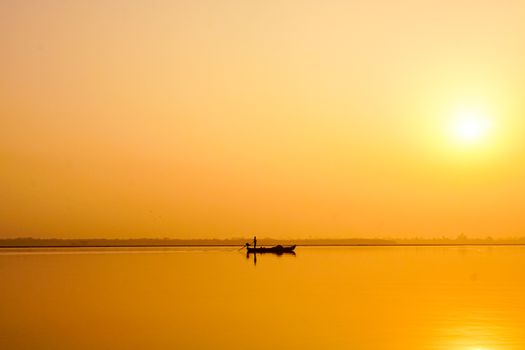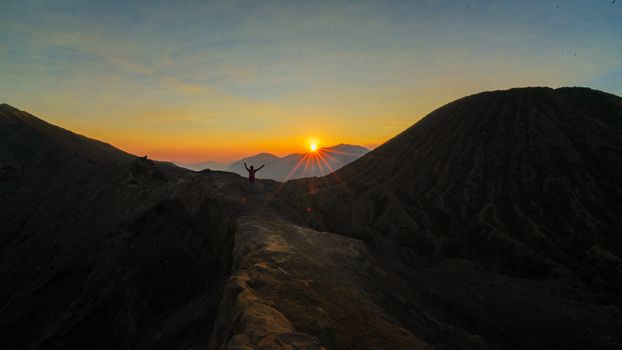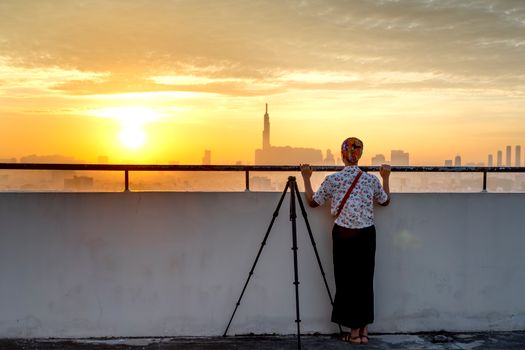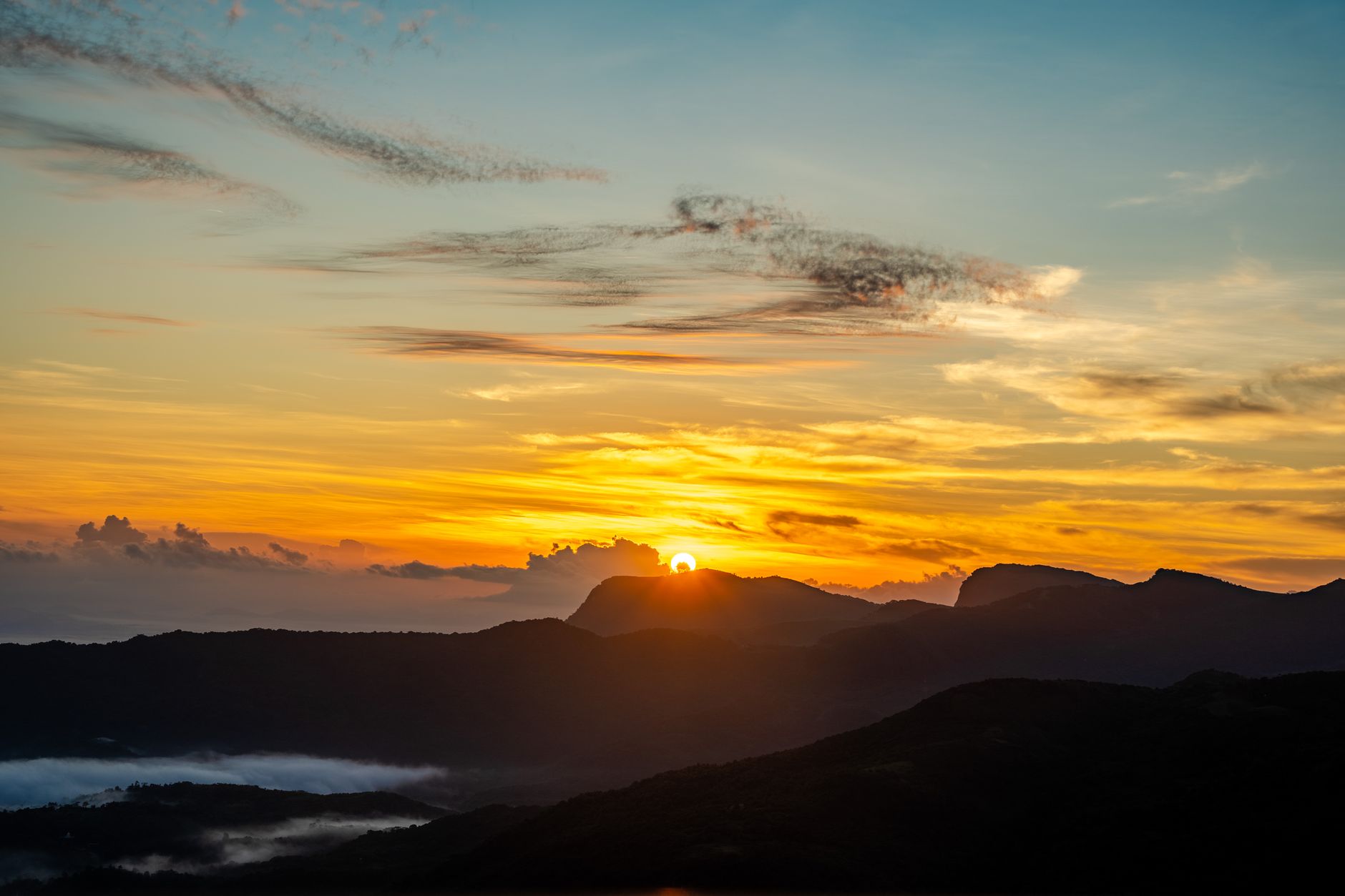
Sunrise photography appeals to many travelers because the light at dawn is often soft, colorful and uncrowded. Scenic viewpoints, coastlines, lakes, deserts and cityscapes can all look distinctive in the first hour of daylight. Yet the early start that makes these images possible also brings practical challenges, including darkness, cold, unfamiliar paths and sites that may be closed until a set time. This guide explains how to plan sunrise photography in a responsible way, covering timing tools, access, safety and respect for the places and people you visit.
Timing the light
Sunrise time changes through the year and varies with location, so check it for your exact spot. Many photographers use sun and moon tools or mapping apps that show the position of the sun, direction of the light and the timing of the golden hour, which is the period soon after sunrise and before sunset when light is warm and low. Civil twilight, the period when the sun is just below the horizon, can also offer attractive colors and enough light to see the ground. Plan your arrival time with a buffer for setting up, and consider the orientation of the landscape, since the sun rises in different directions depending on the season.
Access, permits and closures
Many popular viewpoints are managed by parks, municipalities or private landowners, and access rules can be strict. Some sites close at night, and others require permits for commercial photography, drones or tripods in certain areas. Parking may be limited, and roads can be restricted before dawn. Check official websites for access times, drone regulations and any seasonal closures. Be aware that drone use is often regulated, and some locations prohibit it entirely to protect wildlife or nearby residents.
Safety in low light
Darkness changes how you move. Walking to a viewpoint before sunrise can involve uneven ground, steep slopes, water and wildlife, so use a headlamp with a red light setting where possible, and walk carefully on a known route. Tell someone your plans, particularly if you go alone to a remote location. Weather can change quickly at dawn, with fog, wind or temperature drops, so bring warm layers and waterproof clothing. Check tide times if you plan to shoot on a coast, and never stand on unstable cliffs or rocks that may be exposed by the sea.
Respecting the place and the community
Popular sunrise spots can be fragile. Trampling vegetation, climbing on dunes or leaving litter can damage the landscape and affect other visitors. Stay on marked paths, avoid blocking access for others, and keep noise to a minimum in residential areas. When photographing people, ask permission, especially in communities where cameras may be sensitive. Avoid trespassing on private land to reach a shot, and be respectful of religious or cultural sites where photography may be restricted.
Equipment and preparation
A sturdy tripod helps in low light, and a remote shutter release or timer can reduce camera shake. Batteries drain faster in cold conditions, so carry spares and keep them warm. Carry a torch or headlamp, a microfiber cloth for lens condensation, and a small bag for rubbish. Setting up your gear in daylight, where possible, saves time and reduces the risk of tripping in the dark. Practice your settings before the event if you are unfamiliar with long exposures or manual focus.
Practical tips
- Check sunrise time and direction for your exact location, and arrive early.
- Confirm access hours, permit requirements and drone rules before you go.
- Use a headlamp, walk a known route and tell someone your plans.
- Stay on marked paths and avoid trampling fragile vegetation.
- Ask permission before photographing people, and respect private land.
Common mistakes to avoid
A frequent mistake is trusting one forecast or one app without checking several sources. Cloud cover, fog and wind can change within an hour, so it helps to compare reports and keep a backup plan. Another error is assuming that the moment of sunrise is the best time for every subject. The light can be more striking a few minutes before or after, and the character of a scene may change completely. Photographers also tend to scout a site only in the dark, which makes it hard to see hazards or the best viewpoint. Some people block paths or stand in front of other visitors to secure a position. Others forget that a shot taken from a restricted area may cause problems for everyone involved. Planning a route, watching conditions and sharing viewpoints respectfully often produces better images and fewer difficulties.
How to decide: a simple checklist
Before setting out, check these points:
- Is the site open and accessible at the hours I need?
- Have I checked the route, parking and any drone or tripod rules?
- Do I know the sunrise time and direction for this exact spot?
- Do I have warm layers, a headlamp and spare batteries?
- Have I told someone where I am going and when I expect to return?
If any answer is no, consider a nearby viewpoint with easier access, or a daytime visit to scout the location first.
Who this suits and who it doesn't
Sunrise photography can suit people who enjoy early starts, patient preparation and quiet landscapes, and who are comfortable walking on unfamiliar ground with a headlamp. It can also appeal to those who like watching weather change and learning how light behaves in different places. It may be less suitable for people with limited mobility, those who find darkness or cold difficult, or anyone travelling alone to a remote site without a reliable plan. Groups may prefer accessible viewpoints where paths are lit and parking is close, rather than remote cliffs or dunes.
Sunrise photography can produce memorable images, but the best results often come from careful planning rather than luck. By checking timing, access and safety in advance, and by treating the landscape and local communities with care, you can capture the first light of the day responsibly and with less stress.