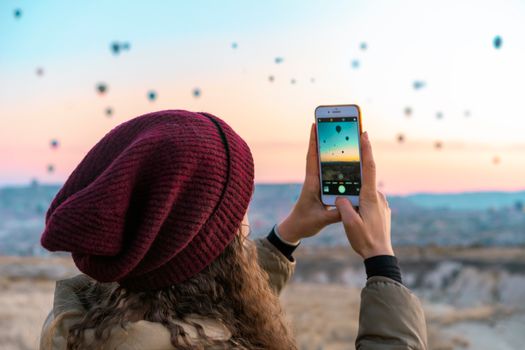
Uncrowded Wonders: 7 Photogenic Spots You NEED to See Before the World Catches On
I remember standing on a famous bridge in Venice, camera poised, waiting for that perfect shot. The golden hour light was just right, the gondolas drifted by like painted dreams, but every angle I tried was obstructed. Someone was always stepping into frame, a selfie stick was perpetually in my peripheral vision, or a tour group was jostling for the same viewpoint. Frustration bubbled. I yearned for the serenity of the scene, the quiet magic I’d seen in countless travel magazines, but the reality was a cacophony of camera clicks and chatter.
That moment ignited a quest within me: to find those mythical places where breathtaking beauty meets blissful solitude. The kind of places where your only competition for the perfect photo is the shifting light, and the only sounds are the whispers of nature. Forget the over-edited, overcrowded Instagram hotspots. This isn't about finding a view; it's about experiencing it, deeply and personally, and capturing its essence without a single stranger in your frame.
After years of chasing horizons, trekking off the beaten path, and sometimes just getting up ridiculously early, I’ve curated a list of seven truly photogenic wonders that, with a little planning and a spirit of adventure, promise zero crowds and infinite awe. These aren't just places to visit; they're experiences to savor, memories to etch, and photographs to cherish. Get ready to bookmark, because these are the spots you need to experience before you die – and before everyone else does.
1. The Faroe Islands: Where Waterfalls Meet the Wild Ocean (Gásadalur & Beyond)
Why it's a Photographer's Dream:
Imagine emerald-green cliffs plunging into a churning, turquoise ocean, a picturesque village with turf-roofed houses clinging to the hillside, and a waterfall that cascades directly into the Atlantic. This is Gásadalur, home to the iconic Múlafossur waterfall, a scene so dramatic it feels plucked from a fantasy novel. But the Faroes are more than just one waterfall. They are a symphony of dramatic fjords, mist-shrouded mountains, and sheep outnumbering people. Every turn of the road presents a new, jaw-dropping vista. The light here is often ethereal, playing hide-and-seek with the clouds, creating moody, atmospheric shots that are utterly unique.
How to Find Solitude:
While Múlafossur is increasingly popular, the Faroe Islands as a whole remain remarkably uncrowded, especially outside peak summer months (July-August). To truly experience the magic of Gásadalur without others, go early in the morning, right at sunrise, or late in the evening when the tour buses have departed. Better yet, hike one of the countless trails that crisscross the islands. I once spent an entire afternoon hiking near Saksun, encountering only a handful of sheep and the occasional puffin, with views that rivaled any postcard. The sheer vastness and ruggedness of the landscape naturally disperse people.
My Anecdote:
I remember my first morning at Múlafossur. It was a crisp, blustery May day, the air thick with the scent of salt and damp earth. I arrived before 7 AM, and for a glorious hour, I was the only soul there. The wind whipped around me, carrying the roar of the waterfall as it plunged into the sea. The light was soft, diffused by a veil of cloud, painting the scene in hues of deep green and stormy blue. I set up my tripod, composed my shots, and simply breathed in the raw, untamed beauty. It wasn't just a photo opportunity; it was a deeply meditative experience. That feeling of having such grandeur all to myself? Priceless.
Practical Tips:
* Getting There: Fly to Vágar Airport (FAE). Renting a car is essential for exploring the islands at your own pace.
* Best Time: Shoulder seasons (April-June, September-October) offer fewer crowds and dramatic light, though weather can be unpredictable. Summer has longer daylight hours but more visitors.
* Gear: Pack layers, waterproof and windproof clothing (it changes quickly!), sturdy hiking boots, and a tripod for those long exposure waterfall shots.
* Cost: Flights can range from €200-€500+, car rental around €50-€80/day, accommodation (guesthouses, Airbnbs) €80-€150/night. It's not a budget destination, but the experience is worth it.
2. Namibia's Deadvlei: Skeletons in the Sand
Why it's a Photographer's Dream:
Deadvlei is arguably one of the most surreal and photogenic landscapes on Earth. A white clay pan, baked hard by the sun, dotted with the skeletal remains of ancient camel thorn trees, some over 900 years old. These dark, petrified trees stand in stark contrast against the vibrant orange dunes of the Namib Desert and the impossibly blue sky. It’s a minimalist photographer's paradise, offering endless compositions of line, form, and texture. The light at sunrise and sunset here is legendary, painting the dunes in fiery reds and deep purples.
How to Find Solitude:
Deadvlei is within Sossusvlei National Park, which does see visitors. However, the key to solitude here is timing and effort. The park gates open at sunrise. To be among the first inside, you often need to stay at one of the lodges within the park, allowing you earlier access. Once inside, it's a 60km drive to the 2x4 parking area, followed by a 5km 4x4 shuttle (or a challenging hike) over soft sand to reach the Deadvlei parking. From there, it's another 1.1km walk/hike over a dune to the pan itself. Most people head straight for Big Daddy dune. If you venture slightly away from the main entrance point to the pan, or simply wait for the first rush of tourists to dissipate (which happens surprisingly quickly as people move on or climb dunes), you'll find vast stretches of quiet. The sheer scale of the place makes it easy to feel alone.
My Anecdote:
I remember the pre-dawn drive into Sossusvlei, the sky a velvet black, slowly bleeding into hues of violet and rose. The air was cool, almost crisp, a stark contrast to the heat that would soon engulf us. Walking into Deadvlei as the sun kissed the tops of the dunes was like stepping onto another planet. The long shadows stretched and danced, making the ancient trees appear even more dramatic. I found my spot, focused on a particularly gnarled tree, and watched as the light transformed the scene minute by minute. The silence was profound, broken only by the gentle whisper of the wind carrying fine sand. It was a moment of pure, unadulterated photographic bliss, a memory burned into my soul.
Practical Tips:
* Getting There: Fly to Windhoek (WDH), then either take a small plane to Sossusvlei or rent a 4x4 and drive (a multi-day adventure in itself).
* Best Time: May to October (dry season) offers cooler temperatures and clearer skies.
* Gear: Wide-angle lens, telephoto lens (for details on dunes), tripod, plenty of water, hat, sunscreen, sturdy closed-toe shoes (sand gets hot!), and a dust-proof bag for your camera.
* Cost: Park entry fees are around NAD 170 (approx. €10) per person per day. Lodges inside the park can be pricier (€200-€500+ per night), but offer the crucial early access. A 4x4 rental is around €100-€150/day.
3. Patagonia's Untamed Peaks: A Symphony of Granite and Ice (Mirador Maestri, El Chaltén)
Why it's a Photographer's Dream:
Patagonia, particularly the region around El Chaltén in Argentina, is a hiker's and photographer's paradise. The jagged, iconic peaks of Fitz Roy and Cerro Torre dominate the skyline, surrounded by turquoise lakes, ancient glaciers, and vast forests. While popular, many of its trails offer moments of profound solitude, especially if you venture beyond the most well-trodden paths or embrace early starts. The light here is often dramatic, with clouds swirling around the peaks, creating ever-changing scenes. For truly unique, crowd-free shots of Cerro Torre, the hike to Mirador Maestri is a game-changer.
How to Find Solitude:
Most visitors to El Chaltén head to Laguna de los Tres for Fitz Roy or Laguna Torre for Cerro Torre. While these are stunning, they can get busy. For Cerro Torre, instead of stopping at Laguna Torre, continue hiking along the Río Fitz Roy valley towards the Glaciar Grande viewpoint or, for an even more rewarding challenge, the Mirador Maestri. This longer, less-frequented trail offers incredible, unique perspectives of Cerro Torre and the Adela range, often with far fewer people. Going during the shoulder seasons (late October/November or March/April) also significantly reduces crowds.
My Anecdote:
I embarked on the trek to Mirador Maestri early one morning in November, the air crisp and carrying the scent of pine. The trail was rugged, traversing rocky moraines and sections of exposed path. For hours, I saw only a handful of other trekkers. As I rounded a bend, Cerro Torre suddenly appeared, majestic and imposing, its granite spires piercing the sky. At Mirador Maestri, the view was simply breathtaking: the glacier spread out before me, the lake shimmering, and Cerro Torre standing proud. I spent a long time there, simply watching the clouds dance around its summit, the only sound the distant creak of the glacier. It was a profound reminder that the greatest rewards often come after the greatest effort.
Practical Tips:
* Getting There: Fly to El Calafate (FTE), then take a 3-hour bus to El Chaltén. The town itself is the trekking capital, and trailheads are easily accessible.
* Best Time: Shoulder seasons (late October-November, March-April) offer pleasant weather, fewer crowds, and stunning fall/spring colors. December-February are peak season.
* Gear: Layered clothing (weather changes rapidly), sturdy hiking boots, rain gear, a good backpack, trekking poles, plenty of water, and a wide-angle lens.
* Cost: Flights to El Calafate can be €800-€1500+. Bus to El Chaltén around €20-€30 one way. Accommodation in El Chaltén varies from hostels (€20-€40/night) to guesthouses (€80-€150/night). Food is reasonably priced.
4. The Dolomites' Alpine Serenity: Val di Funes' Pastoral Perfection (South Tyrol, Italy)
Why it's a Photographer's Dream:
The Dolomites are a UNESCO World Heritage site, famous for their dramatic, jagged peaks. While popular spots like Lago di Braies and Seceda can be bustling, the Val di Funes (Villnöß in German) offers a quieter, equally stunning alternative. Here, the magnificent Geisler Group (Odle mountains) forms a spectacular backdrop to rolling green meadows, quaint alpine chalets, and two impossibly picturesque churches: Santa Maddalena Church and St. Johann in Ranui. It's a landscape of pastoral perfection, where every vista feels like a carefully composed painting. The interplay of light and shadow on the peaks, the vibrant greens of summer, or the golden hues of autumn make it a photographer's paradise.
How to Find Solitude:
Val di Funes is a bit more off the main tourist circuit than some other Dolomite valleys. To capture the iconic shots of the churches against the mountains with minimal people, arrive at sunrise. The early morning light bathes the peaks in a warm glow, and you'll likely share the viewpoint with only a few dedicated photographers. Explore the numerous hiking trails that weave through the valley; many offer stunning views and a sense of peaceful isolation. Even in peak season, you can often find quiet corners away from the main viewpoints.
My Anecdote:
I arrived in Val di Funes on a crisp September morning, the air smelling of fresh hay and pine. My mission: to capture Santa Maddalena Church at dawn. I parked my rental car in the tiny village, and walked down a narrow path, the only sound the distant ringing of cowbells. As the sun began to peek over the horizon, casting a warm, golden light on the towering Odle peaks, the small, charming church seemed to glow. For nearly an hour, I was the only person there, witnessing this breathtaking spectacle unfold. The sense of peace was profound, and the photos I took that morning remain some of my most cherished. It felt like stepping into a real-life postcard, without any other tourists to break the spell.
Practical Tips:
* Getting There: Fly into Venice (VCE) or Verona (VRN), then rent a car for the scenic 2-3 hour drive. Public transport is available but less convenient for exploring.
* Best Time: Late spring (May-June) for lush greenery, summer (July-August) for hiking and wildflowers, or early autumn (September-October) for golden foliage and fewer crowds.
* Gear: Wide-angle lens for landscapes, telephoto for details, tripod for sunrise/sunset, comfortable walking shoes, and layers.
* Cost: Car rental around €40-€70/day. Accommodation (guesthouses, agriturismos) €70-€150/night. Food is delicious and reasonably priced.
5. New Zealand's Wild South: The Catlins Coast's Raw Beauty (South Island)
Why it's a Photographer's Dream:
Forget Milford Sound's bus tours; head to the Catlins Coast on New Zealand's rugged South Island for an untamed, crowd-free photographic adventure. This wild stretch of coastline is a treasure trove of dramatic cliffs, ancient petrified forests, powerful waterfalls, and abundant wildlife (seals, sea lions, rare penguins). It's a place where nature reigns supreme, offering raw, powerful landscapes that are incredibly photogenic. The light can be dramatic and moody, reflecting the untamed spirit of the region. From the iconic Nugget Point lighthouse to the multi-tiered Purakaunui Falls, every stop is a photo opportunity waiting to happen.
How to Find Solitude:
The Catlins Coast is truly off the main tourist drag. It requires a self-drive adventure, and its remote nature means significantly fewer visitors than other parts of the South Island. While popular spots like Nugget Point might have a handful of other people, you can easily find stretches of beach or hidden coves where you'll be completely alone. Embrace the winding roads and lack of cell service; it's part of the charm and the reason for the solitude. Early mornings and late evenings are always best for light and minimizing encounters.
My Anecdote:
I remember driving the winding, gravel roads of the Catlins, the air fresh with the scent of sea and damp earth. At Nugget Point, the wind was fierce, whipping my hair around my face as I stood by the historic lighthouse, watching the waves crash against the distinctive rock formations. Below, a colony of fur seals basked on the rocks, oblivious to my presence. Later, I ventured to a secluded beach, hoping to spot a Yellow-eyed Penguin. As the sun dipped below the horizon, painting the sky in fiery oranges and purples, a lone penguin waddled out of the surf, completely undisturbed. It was a moment of pure, unadulterated connection with the wild, far from any crowds. The sense of discovery and raw beauty was exhilarating.
Practical Tips:
* Getting There: Fly into Dunedin (DUD) or Invercargill (IVC), then rent a car. A 4x4 isn't strictly necessary, but a car with good ground clearance is helpful for some gravel roads.
* Best Time: November to March for warmer weather and longer days, though the region is beautiful year-round. Winter offers dramatic stormy seas and fewer people.
* Gear: Wide-angle lens for landscapes, telephoto for wildlife, tripod, rain gear, sturdy waterproof shoes, and a good map (cell service is patchy).
* Cost: Car rental around NZD 60-100/day. Accommodation (motels, B&Bs) NZD 100-200/night. Fuel is a significant cost.
6. Svalbard's Icy Majesty: A Frozen Frontier (Norway)
Why it's a Photographer's Dream:
Svalbard, a Norwegian archipelago nestled deep in the Arctic Ocean, is the epitome of untouched wilderness. Here, glaciers calve into icy fjords, polar bears roam the vast tundra, and the light is unlike anywhere else on Earth. In summer, the midnight sun casts a perpetual golden glow, while winter offers the surreal blue light of polar night and the dancing Northern Lights. The landscapes are stark, dramatic, and incredibly powerful – a photographer's dream for capturing raw nature, unique wildlife, and epic, otherworldly scenes. Every ice formation, every glacier face, every encounter with wildlife is a unique and profound photographic opportunity.
How to Find Solitude:
Svalbard is inherently uncrowded due to its extreme remoteness, high cost, and the necessity of guided tours outside of Longyearbyen. Most exploration is done via expedition cruises or smaller boat trips, which by their nature are limited in capacity. When you're out on the ice or cruising through a fjord, the vastness of the Arctic ensures a profound sense of solitude, often with only your small group and the omnipresent wilderness. It's truly a place where you feel like you're at the edge of the world.
My Anecdote:
I joined a small expedition cruise in late summer, eager to experience the Arctic before the winter ice set in. One morning, we awoke to a thick, ethereal fog blanketing the fjord. Our Zodiac boats launched, silently gliding through the milky white, the only sound the gentle lapping of water and the distant cries of seabirds. Suddenly, the fog began to lift, revealing towering, ancient glaciers shimmering in a soft, diffused light. We were completely alone, surrounded by towering walls of ice and the profound silence of the Arctic. It was a moment of pure, humbling beauty, a testament to the raw power of nature, and my camera worked overtime trying to capture its surreal essence. Finding a polar bear hunting on an ice floe, miles from any human settlement, was another unforgettable, and solitary, experience.
Practical Tips:
* Getting There: Fly to Longyearbyen (LYR) via Oslo (OSL) or Tromsø (TOS).
* Best Time: Summer (June-August) for midnight sun, wildlife viewing, and expedition cruises. Winter (February-March) for Northern Lights and snow-based activities.
* Gear: Extreme cold weather gear (often provided or rented by tour operators), telephoto lens for wildlife, wide-angle for landscapes, tripod, and spare batteries (cold drains them quickly).
* Cost: This is an expensive destination. Flights can be €500-€1000+. Expedition cruises range from €3,000-€10,000+ for a week. Day tours for activities like snowmobiling or dog sledding are €150-€300+.
7. Scotland's Outer Hebrides: Isle of Harris's Turquoise Shores
Why it's a Photographer's Dream:
When people think of Scotland, they often picture dramatic castles and misty Highlands. But venture further west, to the Outer Hebrides, and you'll discover a landscape of unparalleled, crowd-free beauty. The Isle of Harris, in particular, boasts some of the most stunning beaches in the world – think white sand, turquoise waters, and rolling dunes, often completely deserted. Luskentyre, Seilebost, and Scarista beaches are simply breathtaking, especially on a sunny day when the light transforms the water into a Caribbean-esque hue, framed by wild moorland and mountains. The ever-changing weather creates incredibly atmospheric and dramatic scenes, perfect for moody landscape photography.
How to Find Solitude:
The Outer Hebrides are remote and require a ferry journey, which naturally filters out mass tourism. While the beaches are famous, their sheer size and the relatively sparse population mean you can often have entire stretches of sand to yourself. Even in peak summer, it's easy to find solitude. Embrace the often-blustery weather; it adds to the drama and keeps fair-weather tourists away. Early mornings or late evenings are, as always, ideal for light and quiet.
My Anecdote:
I drove along the winding coastal road of Harris, the sky a dramatic tapestry of brooding clouds and shafts of sunlight. Turning a corner, Luskentyre beach unfolded before me – an impossibly vast expanse of white sand, the sea a vibrant, almost unbelievable turquoise. I parked my car, bundled up against the wind, and walked for what felt like miles, the only footprints in the sand being my own. The air was fresh and invigorating, the sound of the waves a constant, soothing rhythm. I spent hours capturing the play of light on the water, the texture of the sand, and the distant mountains, feeling utterly disconnected from the world and completely immersed in the raw, elemental beauty of this place. It was a revelation – a tropical paradise hidden in the North Atlantic.
Practical Tips:
* Getting There: Fly to Glasgow (GLA) or Edinburgh (EDI), then take a regional flight to Stornoway (SYY) on the Isle of Lewis, or drive to Ullapool and take the ferry to Stornoway. A car is essential for exploring Harris.
* Best Time: May-September offers the best chance of good weather and longer daylight hours. Shoulder seasons can be beautiful but are more prone to rain and wind.
* Gear: Wide-angle lens for landscapes, polarizing filter for water, tripod, waterproof and windproof clothing, and sturdy walking shoes.
* Cost: Flights to Scotland vary. Ferry to Stornoway is around £20-£30 per person, £60-£100 for a car. Accommodation (B&Bs, self-catering) £80-£150/night.
Your Uncrowded Adventure Awaits
The pursuit of the perfect photograph, free from the distractions of crowds, is about more than just a picture; it’s about the journey, the effort, and the profound connection you make with a place when you experience its beauty in solitude. These seven destinations offer not just incredible photographic opportunities, but also a chance to truly disconnect, breathe deeply, and witness some of the planet's most spectacular and untouched wonders.
Don't just dream about these places; start planning. Research, save, and then pack your bags and your camera. The world is vast and full of hidden gems waiting to be discovered, experienced, and captured. Step off the beaten path, chase the light, and let the quiet majesty of these uncrowded wonders transform your perspective and your portfolio.
Which of these photogenic, crowd-free paradises will you chase first? Share your dream uncrowded shot in the comments below!
---