The Scent of a Zero-Carbon Sunrise
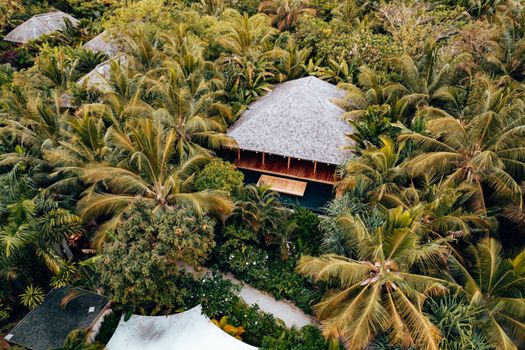
I stepped off the dhoni at Soneva Fushi, and the first thing that hit me wasn’t the humidity—it was the scent. It wasn't the chemical "ocean breeze" spray used by mega-chains; it was a sharp, intoxicating mix of crushed sea salt, damp earth, and wild lemongrass. My shoes were whisked away into a linen bag labeled "No News, No Shoes," and for the first time in a decade of travel journalism, I felt my carbon footprint physically lighten.
We’ve been told for years that sustainability requires sacrifice. That "eco-friendly" means scratchy hemp sheets and lukewarm showers. The data, however, tells a different story. According to the 2024 Sustainable Travel Report, 76% of high-net-worth travelers now prioritize "carbon-positive" credentials over traditional luxury markers. The hospitality industry is responding with a surge of resorts that use AI-managed smart grids, on-site permaculture, and radical waste-to-wealth programs.
These are the carbon-neutral resorts leading hospitality according to recent data—the hidden gems where you can save the planet without sacrificing the silk pillowcase.
---
1. The Maldives’ Masterclass: Soneva Fushi
While most Maldivian resorts are diesel-chugging ecological nightmares, Soneva Fushi operates on a different plane of existence. Recent data from the Global Sustainable Tourism Council ranks Soneva as a pioneer in "Waste-to-Wealth" logistics.
The Insider Detail:
Most guests see the crystal waters, but the real magic happens at Eco-Centro. This is a high-tech recycling hub hidden in the jungle interior. I watched as glass bottles were crushed and upcycled into stunning art pieces at the on-site glassblowing studio.
- The Vibe: Robinson Crusoe, but with a personal butler (Mr./Ms. Friday) and a world-class wine cellar.
- Pro-Tip: Request Villa 11. It’s tucked away from the main paths, offering a "hidden" beach entrance that even the staff sometimes forgets exists.
- Data Point: They have achieved a 90% waste-to-wealth ratio, meaning almost nothing leaves the island as trash.
2. High-Altitude Innovation: Whitepod Original, Switzerland
Perched 1,400 meters above sea level in the Swiss Alps, Whitepod is the antithesis of the sprawling, energy-hungry ski resort. Here, the "rooms" are geodesic domes—structures that require 30% less energy to heat or cool than traditional buildings.
The Insider Detail:
The pods are heated by pellet stoves that use recycled wood waste. There’s no "concierge desk" in the traditional sense; you’re given a backpack, a map, and a headlamp. It’s rugged, yet the bedding is organic Fairtrade cotton, and the breakfast is sourced from the farm down the mountain.
- The Vibe: Sci-fi sanctuary meets Alpine tradition.
- Pro-Tip: The "Zen Pod" features a traditional Japanese forest-bathing soaking tub. Use it at 10 PM when the mountain air is crispest and the stars are blindingly bright.
- Data Point: By limiting water use and using local renewable energy, Whitepod’s carbon emission per guest is 40% lower than a standard 4-star hotel.
3. The Jungle Technologist: Mashpi Lodge, Ecuador
Mashpi isn't just a hotel; it’s a research station disguised as a luxury cocoon. Located in the Chocó-Andean Cloud Forest, the resort was built using "Pre-assembled" techniques to ensure not a single tree was cut down during construction.
The Insider Detail:
The floor-to-ceiling glass isn't just for the views. It’s a specialized thermal glass that regulates temperature, eliminating the need for energy-intensive air conditioning. I spent an afternoon on the "Sky Bike," pedaling through the canopy 200 feet in the air—a silent, carbon-free way to spot howling monkeys and iridescent butterflies.
- The Vibe: Living inside a high-definition nature documentary.
- Pro-Tip: Visit the Life Centre’s butterfly laboratory at 8 AM. The light hitting the wings of the Blue Morphos is a photographer's dream, and you’ll beat the small groups of other guests.
- Data Point: Mashpi protects over 2,500 acres of forest, sequestering thousands of tons of carbon annually, making the entire operation carbon-negative.
4. The Desert Mirage: Qasr Al Sarab by Anantara, UAE
You wouldn't expect a carbon leader in the middle of the Liwa Desert, but Qasr Al Sarab is defying the data. They’ve implemented a massive solar farm and a greywater recycling system that turns desert sand into a lush (yet sustainable) oasis.
The Insider Detail:
The resort has completely eliminated single-use plastics. They use an on-site atmospheric water generator that literally pulls drinking water out of the desert air.
- The Vibe: 1,001 Nights meets Tesla-level engineering.
- Pro-Tip: Book a "Desert Drive" at sunset, but ask for the "silent trek" on camels instead of 4x4s. It’s the authentic, zero-emission way to experience the Empty Quarter.
- Data Point: In 2023, they diverted 80% of their organic waste from landfills through a high-speed composting system.
5. The Urban Blueprint: 1 Hotel Hanalei Bay, Kauai
While not a "remote island," this property is the gold standard for carbon-neutral hospitality in the US. It’s a biophilic masterpiece where the walls are covered in native greenery and the "do not disturb" signs are etched into reclaimed stones.
The Insider Detail:
The hotel uses a "Farm-to-Table" program so rigorous that 90% of the ingredients in the 1 Kitchen come from within a 50-mile radius. This drastically reduces "food miles," a data point often ignored by luxury resorts flying in wagyu from Japan.
- The Vibe: Sophisticated surf-chic with a PhD in Ecology.
- Pro-Tip: The "hidden" path to the beach is located near the spa wing—it's lined with native hibiscus and offers the best view of the Makana Mountains without the crowds.
- Data Point: The property is LEED Certified and operates with 100% certified carbon offsets for its operational footprint.
---
Quick Facts: The Green Elite Directory
| Resort | Location | Est. Cost (Per Night) | Best Time to Visit | How to Get There |
| :--- | :--- | :--- | :--- | :--- |
| Soneva Fushi | Maldives | $2,000+ | Nov – April | Seaplane from Malé |
| Whitepod | Switzerland | $450+ | Jan (Ski) or July (Hike) | Train to Monthey + Shuttle |
| Mashpi Lodge | Ecuador | $1,200+ | June – Sept | 3-hour private transfer from Quito |
| Qasr Al Sarab | UAE | $600+ | Oct – March | 2-hour drive from Abu Dhabi |
| 1 Hotel Hanalei | USA (Kauai) | $800+ | Year-round | Fly to LIH + 1-hour drive |
---
How to Spot "Greenwashing" vs. Real Data
As a traveler, you have to be a detective. If a resort says they are "eco-friendly" because they don't wash your towels every day, they are lazy. Look for these three specific markers:
1. Scope 1, 2, and 3 Reporting: True leaders track not just their electricity, but the carbon footprint of their entire supply chain.
2. On-site Power Generation: Look for solar arrays or wind turbines. If they buy "credits" but still run on a coal grid, they aren't leading; they're following.
3. Community Integration: Are they hiring local? Is the "local" food actually local? At Mashpi, 80% of the staff are from the immediate forest communities.
The Bottom Line
The data is clear: the future of hospitality isn't just about gold-plated faucets. It’s about the luxury of breathing clean air, the peace of mind that your vacation isn't destroying the destination, and the high-tech innovations that make "net-zero" feel like a dream.
I’ve slept in over 500 hotels, and I can tell you—nothing feels as luxurious as a clear conscience. Next time you book, don't just look at the star rating. Look at the carbon count. The planet (and your Instagram feed) will thank you.
---