The Midnight Patrol and the Salt-Crusted Reality
The air in Tortuguero doesn’t just hang; it clings. It smells of damp earth, fermenting almond leaves, and the sharp, metallic tang of the Caribbean Sea. I stepped off the narrow boat, my boots sinking into the volcanic black sand, and immediately felt the hum of the jungle. It wasn't the postcard version. There were no cocktails with umbrellas. Instead, there was the rhythmic thwack of a machete clearing a path and the distant, guttural roar of a howler monkey that sounded more like a prehistoric beast than a primate.
I was there for the Green Sea Turtles. But more importantly, I was there because I was tired of "performative travel." I wanted to know if a person with only ten days of PTO could actually move the needle on conservation.
The answer is a resounding yes—but only if you know where to go and which "sanctuaries" are actually tourist traps in disguise. After years of vetting projects for Tripsora, I’ve pulled together the definitive list of conservation projects accepting short-term visitors right now. These aren't just places to take photos; these are places where you will sweat, learn, and leave the ecosystem better than you found it.
1. The Lionfish Hunters of Belize (Marine Conservation)
Belize’s Barrier Reef is a masterpiece of biodiversity, but it’s under siege by the invasive Lionfish. These beautiful, venomous gluttons are vacuuming up native juvenile fish at an alarming rate.
The Mission:
You’ll join a dive team dedicated to "culling" (hunting) lionfish and monitoring coral health.
The Experience: This is high-adrenaline conservation. You’ll be out on a catamaran, diving multiple times a day. You aren't just looking at the reef; you’re defending it. The best part? Lionfish are delicious. Most nights end with a fresh ceviche made from the day's catch.
- Pro-Tip: Don't bring your own spear unless you're a pro. The local guides use specialized "polespears" that require a specific technique. Also, the "hidden" best dive spot is the Silk Caye canyon—ask your boat captain specifically for the "back wall" current drift.
2. Rewilding the Highlands: Alladale Wilderness Reserve, Scotland
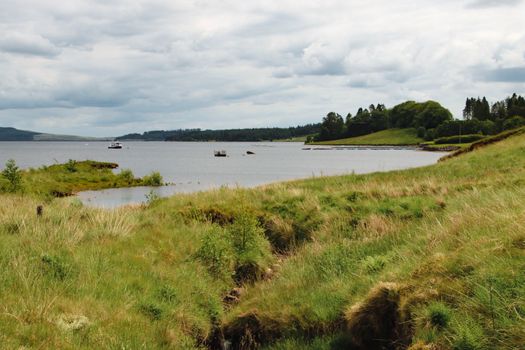
Forget the rolling green hills of the brochures; those are often "wet deserts" stripped of their natural forests. Alladale is on a mission to bring back the Caledonian Forest.
The Mission:
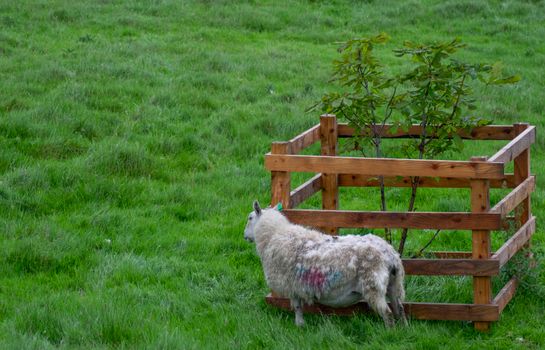
Short-term visitors engage in "citizen science"—monitoring red squirrels, planting Scots Pine saplings, and tracking the recovery of the peat bogs.
The Experience: It’s rugged. You’ll be wearing gaiters and waterproofs, trekking through heather and bog. The air is so crisp it feels like drinking cold water. You’ll stay in a converted farmstead and spend your evenings discussing wolf reintroduction by a peat fire.
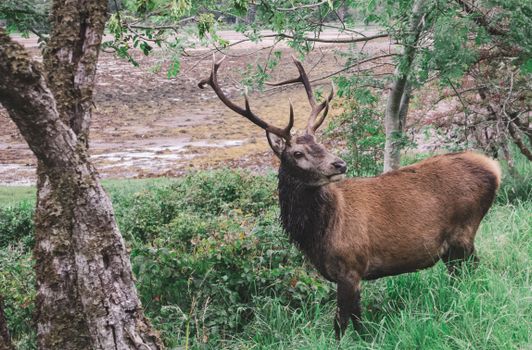
- Pro-Tip: Visit in late September. The heather is in full purple bloom, and you’ll catch the red deer rut—a haunting, primal sound that echoes through the glens.
3. The Ethical Elephant Encounter: BEES, Thailand
Most "elephant sanctuaries" in Thailand are still exploitative. Burm and Emily’s Elephant Sanctuary (BEES) in Chiang Mai is the gold standard for "hands-off" conservation.
The Mission:
You aren't there to ride or bathe elephants (which is stressful for them). You are there to prepare their food, maintain their habitat, and observe them just being elephants.
The Experience: It’s quiet and deeply moving. You’ll spend your mornings chopping giant stalks of corn and your afternoons hiking into the forest to watch the herd forage. It’s an exercise in patience and respect.
- Pro-Tip: The "Old Road" into the sanctuary is prone to washouts. If you’re prone to motion sickness, take the ginger tea offered at the base camp before the 4x4 ascent.
4. Penguin Rescue: SANCCOB, South Africa
In the shadow of Cape Town’s Table Mountain, the African Penguin is fighting for survival against oil spills and overfishing.
The Mission:
SANCCOB accepts short-term volunteers (minimum 2 weeks, but they have 1-day "Experience" programs) to help with bird rehabilitation.
The Experience: It is messy, loud, and smells intensely of sardines. You will be prepping fish, cleaning enclosures, and potentially assisting in the "nursery" for abandoned chicks. It’s one of the few urban conservation projects where you can see the direct result of your work when a rehabilitated bird waddles back into the Atlantic.
- Pro-Tip: Wear the provided oilskins properly. A penguin bite is no joke, and their "guano" (poop) has a staying power that will ruin your favorite sneakers instantly.
5. Sea Turtle Guardians: Osa Peninsula, Costa Rica
While Tortuguero is famous, the Osa Peninsula is where the real "off-the-grid" work happens.
The Mission:
Night patrols. You’ll walk kilometers of beach in total darkness (no white lights allowed) to find nesting Olive Ridley turtles, collect their eggs, and move them to a protected hatchery to save them from poachers and predators.
The Experience: It’s a sensory overload. The bioluminescent waves crashing on the shore, the heavy scent of tropical rot, and the incredible moment a 100lb turtle begins her rhythmic nesting trance.
- Pro-Tip: Bring a red-light headlamp. It’s the only light that doesn't disorient the turtles. The best "secret" spot for a post-patrol meal is a tiny soda (local cafe) in Puerto Jimenez called Pura Vida—order the Lizano-drenched Gallo Pinto.
The Budget & Logistics: Quick Facts
| Project | Location | Est. Cost (Weekly) | Best Time to Visit | Difficulty |
| :--- | :--- | :--- | :--- | :--- |
| Lionfish Culling | Belize (Placencia) | $1,200 - $1,800 | Mar - June | Moderate (Scuba Cert Required) |
| Rewilding | Scotland (Ardgay) | $800 - $1,200 | May - Sept | Moderate (Lots of hiking) |
| Elephant Sanctuary | Thailand (Chiang Mai) | $500 - $700 | Nov - Feb | Low/Medium |
| Penguin Rehab | South Africa (Cape Town) | $300 - $600 | Year-round | High (Physical labor) |
| Turtle Patrol | Costa Rica (Osa) | $600 - $900 | July - Dec | High (Night shifts) |
The "No-BS" Guide to Choosing a Project
Before you book, ask yourself these three questions. If the organization can't answer them, walk away.
- Does this project exist without tourists? If the conservation work stops the moment visitors stop paying, it’s a business, not a project.
- Is there a "hands-off" policy for wildlife? Generally, if you can hug it, ride it, or take a selfie with it, it’s not conservation. Exceptions exist for rehab (like the penguins), but "interaction" should always be a necessity, not a perk.
- Where does the money go? A transparent organization will show you that your fees cover your housing, food, and a direct donation to the local staff’s salaries.
Logistics: How to Get There
- Belize: Fly into BZE, then take a "puddle jumper" (Maya Island Air) to Placencia. It’s a 20-minute flight with breathtaking views of the cayes.
- Scotland: Take the train from Inverness to Ardgay. Most projects will pick you up from the station.
- Thailand: Fly to CNX. The sanctuaries usually provide a shuttle from the Old City.
- Costa Rica: Fly to SJO, then a domestic flight to Puerto Jimenez. From there, it’s a 4x4 taxi into the jungle.
Final Thoughts: The Sweat-Equity High
There is a specific kind of exhaustion that comes from a day spent in service of something larger than your own tan. It’s the feeling of salt-crusted skin, sore calves, and the knowledge that because of your four hours of patrol, fifty turtle hatchlings made it to the ocean.
That is the "soul-ROI" of conservation travel. It’s not always comfortable, and it’s rarely glamorous, but it is the only way to travel if you want to ensure the places we love are still there in fifty years.
---