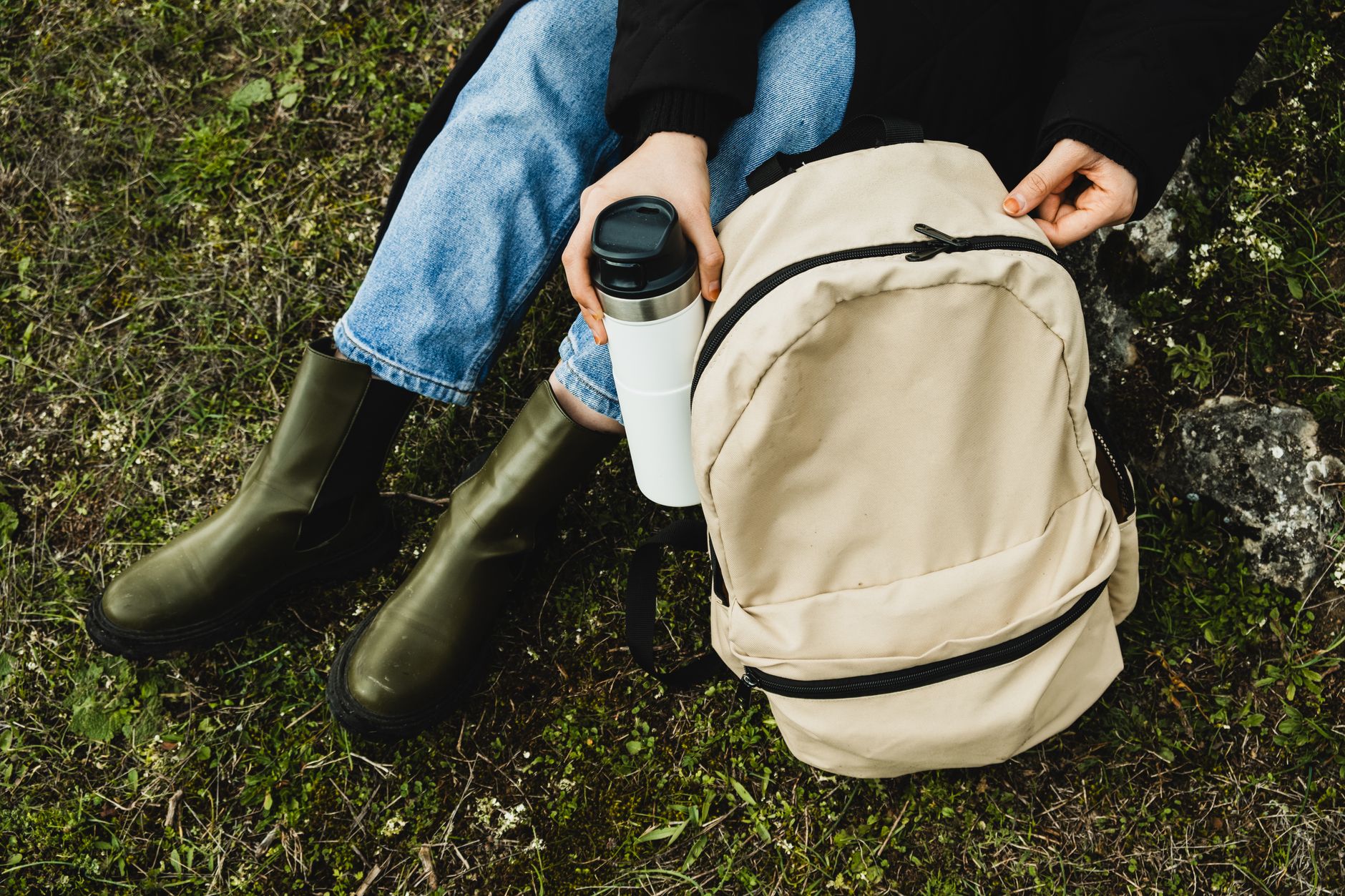
The Patagonian wind bit through my flimsy, "water-resistant" jacket like it was made of tissue paper. Rain, cold, and utterly miserable, I huddled under a meager overhang, watching the majestic peaks of Torres del Paine disappear behind a curtain of grey. My camera, tucked precariously inside my backpack, felt damp. This wasn't the epic, awe-inspiring moment I'd envisioned; it was a soggy, frustrating testament to buying cheap, disposable gear.
That moment, shivering in the raw beauty of Patagonia, was my wake-up call. I’d always considered myself a conscious traveler, but my gear choices? Not so much. I was caught in the cycle of buying the cheapest option, only for it to fail at the worst possible time, leading to another purchase, and more waste. It hit me: sustainable travel isn't just about how you get there or where you stay; it's about what you bring with you.
But here’s the kicker: I used to think "eco-friendly" meant compromising on performance. I imagined crunchy, ill-fitting clothes and clunky gadgets. Boy, was I wrong. Over the last few years, I’ve systematically upgraded my travel kit, focusing on sustainable gear, and what I found wasn't just good for the planet – it was better for my travels. It performed beyond my wildest expectations, endured relentless abuse, and frankly, made my adventures more comfortable, efficient, and enjoyable.
This isn't just about saving the planet (though that's a massive bonus). This is about investing in gear that elevates your experience, lasts a lifetime, and saves you money in the long run. Get ready to ditch the flimsy, the disposable, and the disappointing. Here’s the sustainable travel gear that performs better, that you absolutely need to experience before your next grand adventure – or, dare I say, before you die.
The Myth of Sacrifice: Why "Eco" Doesn't Mean "Less"
Let's clear the air right away. The idea that sustainable gear means sacrificing quality, style, or performance is outdated and, frankly, false. In many cases, the drive for sustainability pushes brands to innovate, to source better materials, and to adopt more rigorous manufacturing processes. This often results in products that are inherently more durable, more efficient, and more thoughtfully designed.
Think about it: a company committed to using recycled plastic isn't just doing it for show. They're often investing in technologies that turn waste into high-performance fabrics. Brands using natural fibers like merino wool or organic cotton are choosing materials known for their inherent benefits – breathability, odor resistance, softness – that often outperform synthetic alternatives in key areas.
My soggy Patagonian experience taught me that cheap gear often means cheap materials, cheap labor, and a short lifespan. Sustainable gear, on the other hand, is often built with longevity in mind. It's designed to be repaired, not replaced, and to withstand the rigors of the road. This isn't just good for the environment; it’s fantastic for your wallet and your peace of mind when you’re halfway across the world.
The Core Four: Essential Sustainable Gear Upgrades
Ready to revolutionize your packing list? Here are the categories where sustainable gear truly shines, offering unparalleled performance for the conscious traveler.
1. Smart Apparel: Fabrics That Breathe & Last
Your clothing is your first line of defense against the elements, and it takes up significant space in your pack. Choosing smart, sustainable fabrics can dramatically reduce your laundry load, keep you comfortable, and lighten your environmental footprint.
- Merino Wool: The Traveler's Superpower. If there's one fabric I preach about, it's merino wool. Forget the scratchy wool sweaters of your childhood; modern merino is incredibly soft, lightweight, and utterly miraculous. Its natural properties make it odor-resistant (seriously, I've worn a merino tee for a week of hiking in the Dolomites without a single whiff!), temperature-regulating (keeps you warm when it's cold, cool when it's hot), and quick-drying. This means you pack less, wash less, and stay fresher longer.
- Brands I Trust: Icebreaker, Smartwool, Ridge Merino. Expect to pay $80-$150 for a quality base layer, but trust me, it’s an investment that pays dividends.
- Personal Anecdote: During a multi-day trek in Torres del Paine (yes, I went back, better prepared!), my Icebreaker merino base layers were my MVPs. They kept me comfortable through scorching sun, biting winds, and misty rain, drying quickly overnight and never getting smelly. Truly game-changing.
- Recycled Synthetics (Polyester/Nylon): High Performance, Less Virgin Plastic. For outer layers, rain gear, and some activewear, recycled synthetics are a fantastic choice. Brands are increasingly turning plastic bottles and industrial waste into durable, high-performance fabrics, often treated with PFC-free DWR (Durable Water Repellent) finishes.
- Brands I Trust: Patagonia (their recycled fleece is legendary), Arc'teryx (some lines), Fjallraven (Eco-Shell).
- Tip: Look for brands that are transparent about their recycled content and use Bluesign® certified fabrics, ensuring safe and sustainable textile production.
- Tencel™/Lyocell: Softness from Sustainable Forests. Derived from sustainably sourced wood pulp (often eucalyptus), Tencel™ is incredibly soft, breathable, and moisture-wicking. It's perfect for warmer climates or as a comfortable layer against the skin.
- Brands I Trust: Tentree, some smaller ethical fashion brands.
2. Footwear for the Future: Trail-Tested, Planet-Approved
Your feet carry you through every adventure, so their comfort and the ethics of your footwear are paramount. Sustainable footwear focuses on durable materials, ethical manufacturing, and often, innovative natural alternatives.
- Eco-Conscious Hiking Boots: Look for brands committed to responsible leather sourcing (if using leather), recycled components, and manufacturing processes that minimize waste and pollution.
- Brands I Trust: Oboz (they plant a tree for every pair sold, and their boots are incredibly durable), Vivobarefoot (minimalist design, often using recycled and natural materials).
- Detail: My Oboz Bozeman Mid hikers took me through the rugged trails of Madeira, offering incredible grip and support, all while knowing my purchase contributed to reforestation.
- Versatile Travel Shoes: For city explorations and light trails, you need something comfortable, stylish, and easy to pack.
- Brands I Trust: Allbirds (merino wool, eucalyptus fiber, and sugarcane soles make for incredibly comfortable, breathable, and versatile shoes), Veja (known for fair trade organic cotton and wild Amazonian rubber soles, with sleek, minimalist designs).
- Personal Anecdote: My Allbirds Wool Runners were my go-to for navigating the hilly streets of Lisbon by day and enjoying a relaxed dinner by night. They're surprisingly resilient, super comfy, and easy to clean.
3. The Ultimate Carry-All: Backpacks Built to Endure
A backpack isn't just a bag; it's your travel companion. Investing in a durable, ethically made backpack means less worry about gear failure and a longer life for your most crucial travel item.
- Key Features: Look for recycled fabrics, robust zippers, PFC-free DWR coatings, and strong repair guarantees.
- Brands I Trust: Osprey (their All Mighty Guarantee is legendary – they'll repair any damage for free, for life!), Deuter (PFC-free, often using recycled materials in newer lines, ergonomic designs), Cotopaxi (known for their vibrant "Del Día" line made from repurposed remnant fabrics, making each bag unique, and their commitment to ethical manufacturing and giving back), Patagonia (renowned for durability and their excellent repair program).
- Personal Anecdote: My Osprey Farpoint 40 has been to over 30 countries, crammed into countless overhead compartments, thrown onto dusty bus roofs in India, and survived multiple baggage handlers. When a zipper pull finally gave out after 8 years, Osprey repaired it free of charge, no questions asked. That's performance and sustainability in action. And my Cotopaxi Batac 16L daypack, a riot of colors, always sparks conversations and reminds me of its unique, low-waste origin.
4. Beyond the Basics: Clever Gadgets & Accessories
Sustainable travel extends to the smaller items that make a big difference in reducing waste and enhancing self-sufficiency.
- Portable Water Filters & Bottles: Say goodbye to single-use plastic bottles forever. A good filter means you can safely drink from almost any fresh water source.
- Brands I Trust: Sawyer Squeeze Filter (lightweight, effective, affordable), Lifestraw (great for emergencies, personal use), Grayl GeoPress (filters and purifies, ideal for international travel).
- Personal Anecdote: Hiking in the Peruvian Andes, my Sawyer filter was a lifesaver. I could fill my reusable bottle from pristine mountain streams, knowing the water was safe to drink. Not only did it save me money, but it prevented countless plastic bottles from polluting those beautiful landscapes.
- Solar Chargers & Power Banks: Reduce reliance on grid electricity, especially when off-grid.
- Brands I Trust: Goal Zero (reliable, robust solar panels and power banks), BioLite (innovative solutions that often combine power with other functions like cooking).
- Detail: My Goal Zero Nomad 7 Plus solar panel kept my phone, headlamp, and camera batteries topped up during a remote camping trip in Iceland, allowing me to capture stunning aurora photos without worrying about dead tech.
- Reusable Toiletries & Containers: Ditch miniature plastic bottles.
- Brands I Trust: Ethique or Lush (solid shampoo, conditioner, and soap bars – zero plastic, leak-proof, and last ages), small silicone refillable bottles (for liquids you can’t get in solid form).
- Tip: Solid toiletries are also TSA-friendly, saving you hassle at security.
- Packable Tote Bags: For market runs, souvenirs, or just an extra carry-on.
- Brands I Trust: Kanken Totepack Mini (recycled fabrics, stylish), ChicoBag (super compact, durable).
- Detail: I always have a ChicoBag clipped to my daypack; it's saved me from needing a plastic bag more times than I can count, from Parisian markets to grocery stores in Kyoto.
The Investment Mindset: Why Paying More Pays Off (for You and the Planet)
I know what you're thinking: "Sustainable gear sounds great, but it's expensive!" And yes, the initial outlay can be higher than the cheapest alternatives. But here's why it's a smart investment:
- Durability: Sustainable gear is built to last. It's designed with robust materials and construction techniques that withstand years of abuse. This means you're not constantly replacing items, saving you money in the long run.
- Repairability: Many sustainable brands offer repair services or even lifetime guarantees (like Osprey!). This extends the life of your gear exponentially, further reducing waste and your overall cost.
- Performance: As we've discussed, this gear often performs better, making your travels more comfortable and hassle-free. What's the cost of a ruined trip due to failed gear?
- Environmental Impact: Every time you choose durable, repairable gear, you're reducing demand for new resources, minimizing manufacturing waste, and keeping items out of landfills. It's a direct contribution to a healthier planet.
- Long-Term Value: Think of it like buying a quality car versus a cheap one. The quality car might cost more upfront, but it requires fewer repairs, lasts longer, and holds its value better. Your sustainable travel gear is no different.
Unpacking the "Sustainable" Label: What to Look For
The term "sustainable" can be thrown around loosely, a practice known as "greenwashing." To ensure you're making genuinely responsible choices, here’s what to investigate:
- Certifications: Look for independent certifications that verify environmental and social claims.
- Bluesign®: Ensures textile production is safe for the environment, workers, and consumers.
- Fair Trade Certified™: Guarantees ethical labor practices and fair wages.
- GOTS (Global Organic Textile Standard): Certifies organic status of textiles from harvesting of raw materials through environmentally and socially responsible manufacturing.
- B Corp Certification: A rigorous assessment of a company's entire social and environmental performance, transparency, and accountability.
- Material Sourcing:
- Recycled Content: How much of the product is made from recycled materials (e.g., recycled polyester from plastic bottles)?
- Organic/Natural Fibers: Is cotton organic? Is wool ethically sourced (e.g., non-mulesed)?
- PFC-Free DWR: Perfluorinated compounds (PFCs) are harmful "forever chemicals" often used in water repellents. Look for brands using PFC-free alternatives.
- Company Transparency: Does the brand publish annual impact reports? Do they disclose their supply chain? Where are their factories located, and what are the working conditions like? Transparency is a huge green flag.
- Repair & End-of-Life Programs: Does the company offer repairs? Do they have a take-back program for old gear to be recycled or repurposed? This demonstrates a commitment to circularity.
- Durability & Longevity: This is often the most sustainable feature of all. Is the product designed to last for years, even decades? Read reviews, check warranties, and look for robust construction.
Real-World Testing: My Personal Gear Triumphs (and Lessons Learned)
I've shared snippets, but let me paint a fuller picture of how this gear has transformed my adventures:
The Merino Miracle in the Andes:
After my initial Patagonian debacle, I invested in a full merino layering system: base layer, mid-layer, and a merino buff. On a trek through the Peruvian Andes to Machu Picchu, the weather shifted from chilly mornings to hot afternoons, then sudden downpours. My merino layers adapted effortlessly. I stayed dry, comfortable, and, crucially, never felt clammy or smelly. I could wear the same base layer for days without feeling gross, which meant less packing and more time enjoying the stunning scenery.
The Indestructible Backpack:
My Osprey Farpoint 40 isn't just a bag; it's a testament to enduring design. It’s been my constant companion through bustling markets in Marrakech, rickety bus rides across Vietnam, and countless airport terminals. It’s been dragged, dropped, and overstuffed, yet it still performs flawlessly. The ability to zip away the shoulder straps for check-in protects them, and the internal compression straps keep everything secure. Knowing it has a lifetime guarantee means I travel with an unparalleled sense of security.
Water Independence in Southeast Asia:
Traveling through rural Thailand and Laos, finding bottled water can be hit or miss, and the plastic waste is overwhelming. My Grayl GeoPress allowed me to fill up from local taps, streams, and even hotel sinks, purifying the water on the spot. It was incredible to eliminate plastic bottles from my daily routine and always have safe drinking water, no matter how remote the location. This freedom alone makes it one of my most cherished sustainable gear items.
Lessons Learned:
While buying sustainable gear is a huge step, true sustainable travel also involves how you use it. Learning basic repair skills (like patching a small tear or re-waterproofing a jacket), washing clothes less frequently, and properly caring for your gear all contribute to its longevity and reduce your overall impact. Sometimes, the most sustainable choice is to make what you already own last longer.
Making the Switch: Practical Steps to Gear Up Green
Ready to upgrade your adventures and lighten your footprint? Here’s how to start building your high-performance, sustainable travel kit:
- Start Small, Start Smart: You don't need to replace everything at once. Begin with high-impact items that frequently fail or cause frustration. A quality backpack, a versatile merino base layer, or a reliable water filter are excellent starting points.
- Research, Research, Research: Don't just take my word for it. Dive into brand websites, read independent reviews, and check for certifications. Sites like Tripsora will continue to highlight brands doing good work.
- Budget Smart: Sustainable gear is an investment. Save up for those key pieces. Look for sales, but prioritize quality over a quick discount. Remember, it saves you money in the long run.
- Embrace Second-Hand & Repair: Websites like REI Used Gear, Patagonia Worn Wear, and local consignment shops are treasure troves for high-quality used gear. Learn basic sewing skills or find local repair shops to extend the life of your existing items.
- Ask Questions: Don't hesitate to reach out to brands directly with questions about their sustainability practices. A transparent company will be happy to answer.
- Share Your Wins: When you find a piece of sustainable gear that you love, share it! Post about it on social media, tell your friends. Your enthusiasm can inspire others to make more conscious choices. Use hashtags like #TripsoraGear #SustainableTravel and #EcoAdventure!
Your Next Adventure Awaits, Better Equipped
The journey of sustainable travel is an ongoing one, but upgrading your gear is one of the most impactful and immediately rewarding steps you can take. It’s a powerful statement that you value quality, longevity, and the health of our planet.
No more shivering in flimsy jackets. No more contributing to landfills with disposable plastic. With high-performance sustainable gear, you're not just buying a product; you're investing in richer experiences, greater comfort, and a clearer conscience. You're equipping yourself for a lifetime of exploration, knowing that every step you take is a step towards a better future for travel.
So, what's the first piece of sustainable gear you're adding to your kit? Share your picks and your own sustainable travel stories in the comments below! Tag us on Instagram @Tripsora with your favorite eco-friendly travel finds – we can't wait to see your adventures!
---