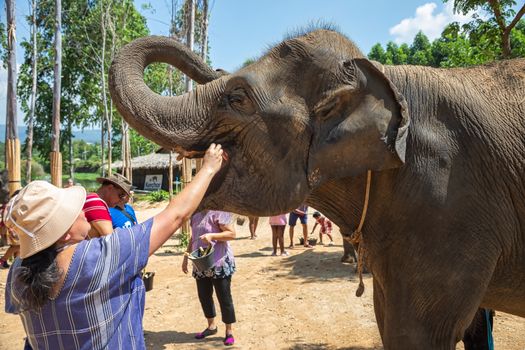
The humid air clung to me, thick with the scent of damp earth and something vaguely floral. Ahead, my guide, Wayan, moved with the effortless grace of someone born to the jungle. We were deep in a remote part of Sumatra, far from the well-trodden paths to see orangutans. Just a few years prior, I’d found myself on a bustling "wildlife tour" in a different country, watching a sad, chained elephant paint a picture for a crowd of snapping cameras. The memory still makes me cringe. It was that experience, that hollow feeling of being part of the problem rather than the solution, that set me on a different path.
I craved authentic connection, real impact. I wanted to see wildlife thrive, not just survive for tourist dollars. And after years of searching, connecting with conservationists, and getting my boots muddy (and often wet!), I discovered a truth: the most meaningful wildlife experiences are often the ones you have to seek out, the ones not plastered on billboards. They’re the hidden gems, the community-led initiatives, the quiet conservation efforts that locals guard fiercely, not because they’re unwelcoming, but because they understand the delicate balance between tourism and preservation.
These aren't your typical safari rides or petting zoos. These are opportunities to be a part of something bigger, to contribute directly to animal welfare and conservation, and to witness nature in its rawest, most breathtaking form. And trust me, these are the stories you'll tell for a lifetime.
The Myth of the "Tourist-Friendly" Animal Encounter & Why It Matters
Before we dive into the good stuff, let's talk briefly about what to avoid. The travel industry, in its quest for profit, has unfortunately created a demand for "animal encounters" that are anything but ethical. Elephant riding, tiger temples where you can pet sedated big cats, swimming with captive dolphins, or posing with sloths pulled from the wild – these activities often involve cruel training methods, unnatural living conditions, and contribute to the illegal wildlife trade.
I used to be naive. On my first trip to Southeast Asia, I almost booked an elephant ride, swayed by glossy brochures. It was only after a conversation with a local street vendor, who quietly shared stories of abuse behind the scenes, that I pulled back. That conversation was a turning point. It highlighted the vast difference between what's advertised and what's truly happening. Ethical travel isn't just a buzzword; it's a responsibility. It's about ensuring your adventure doesn't come at the cost of an animal's suffering.
The good news? There's a growing movement towards responsible tourism, and savvy travelers are increasingly seeking out experiences that genuinely help. These are the experiences the locals involved in conservation want to protect from mass tourism, ensuring their efforts aren't undermined by unchecked commercialization.
1. Jungle Guardians: Immersive Stays in Community-Run Reserves
Where your presence protects the forest and its inhabitants.
Imagine waking up to the symphony of the rainforest, the calls of howler monkeys echoing through the canopy, knowing that your stay directly funds the protection of this incredible ecosystem. This isn't a luxury resort; it's an immersive experience in community-run reserves, often managed by indigenous groups who are the true guardians of their ancestral lands.
My Experience in the Peruvian Amazon:
A few years ago, I spent a week in an eco-lodge deep in the Peruvian Amazon, near the Tambopata National Reserve. It wasn't advertised on major travel sites. I found it through a small, ethical tour operator who worked directly with the Ese-Eja community. Our days were spent tracking jaguars (mostly through paw prints and scat, a rare sighting is a true gift!), identifying medicinal plants with a local shaman, and helping with small reforestation projects. One afternoon, while quietly paddling a dugout canoe through a tributary, we spotted a family of giant river otters – a truly endangered species – fishing gracefully. The silence, the pristine environment, and the knowledge that my modest payment was going directly to the community for land protection and sustainable livelihoods was profoundly moving.
Why locals might keep it "secret":
These communities often prefer small, respectful groups who are genuinely interested in learning and contributing, rather than large tourist groups who might disrupt the fragile ecosystem or cultural traditions. They fear that widespread knowledge could attract commercial exploitation that undermines their conservation efforts.
How to find these gems:
* Research local NGOs and community organizations: Many indigenous groups partner with non-profits to manage eco-tourism initiatives. Look for terms like "community-based tourism" or "indigenous ecotourism."
* Examples:
* Peruvian Amazon: Look for lodges associated with the Ese-Eja indigenous community near Tambopata. Expect prices around $150-$300 USD per person per night, often all-inclusive (accommodation, meals, guided activities).
* Borneo (Malaysia/Indonesia): Support initiatives focused on orangutan conservation that offer stays in forest camps or lodges directly benefiting local communities and rehabilitation efforts, like those near Sepilok or within protected forest reserves. Prices vary widely, but ethical multi-day tours can range from $500-$2000+.
* Ecuadorian Amazon: The Huaorani Ecolodge, run by the Huaorani people, is a prime example of sustainable, indigenous-led tourism. Costs are higher, reflecting the remote location and comprehensive experience, often $1000-$2000+ for a 4-5 day trip.
Practical Tips:
* Be prepared for rustic conditions: These aren't five-star hotels. Expect basic but comfortable accommodation, often without air conditioning or Wi-Fi.
* Pack light and smart: Quick-drying clothes, insect repellent, headlamp, sturdy hiking shoes are essential.
* Respect cultural norms: Learn a few basic phrases, ask before taking photos, and be open to different ways of life.
2. Ocean Sentinels: Marine Conservation & Citizen Science
Dive in and protect our planet's most vital ecosystems.
The ocean covers over 70% of our planet, yet its delicate ecosystems are under constant threat. But you can be part of the solution! Ethical marine experiences allow you to contribute directly to the protection of coral reefs, sea turtles, whales, and other incredible marine life. This isn't about swimming with captive dolphins; it's about observing wild creatures in their natural habitat and helping scientists understand and protect them.
My Costa Rican Turtle Patrol:
One of my most unforgettable experiences was volunteering with a sea turtle conservation project on the Pacific coast of Costa Rica. For two weeks, I joined a team of international volunteers and local researchers, patrolling the beach at night, searching for nesting turtles. The first time I witnessed a massive Olive Ridley sea turtle emerge from the waves under a blanket of stars, dig her nest, and lay hundreds of eggs, I was speechless. Later, we’d relocate nests to protected hatcheries to safeguard them from poachers and predators. Seeing the tiny hatchlings burst from the sand and make their desperate dash for the ocean was pure magic. It’s hard, messy work, but the reward is immeasurable.
Why locals might keep it "secret":
Many marine conservation sites are fragile and require strict management to prevent disturbance to nesting sites, coral reefs, or marine mammal migratory paths. They seek dedicated volunteers or respectful, small-group eco-tours rather than mass tourism that could stress the animals or damage the habitat.
How to find these gems:
* Volunteer organizations: Many reputable organizations offer short-term (1-4 weeks) or long-term volunteer opportunities.
* Examples:
* Sea Turtle Conservation (Costa Rica, Greece, Malaysia, Oman): Organizations like SEE Turtles, GVI, or local NGOs (e.g., Archelon in Greece) offer volunteer programs. Expect to pay a fee (often $500-$1500+ per week) that covers accommodation, food, and project costs.
* Coral Reef Restoration (Philippines, Belize, Fiji): Look for dive centers or marine conservation groups that involve certified divers in coral planting, reef monitoring, or lionfish removal. Prices vary but often include dive packages and accommodation.
* Whale & Dolphin Monitoring (Azores, California, Iceland): Join ethical whale watching tours that partner with research institutions. Some offer citizen science opportunities where you help collect data on sightings. Tours range from $50-$200+ for a day trip; longer research expeditions are more expensive.
Practical Tips:
* Get certified (for diving): If you want to help with underwater projects, a PADI or equivalent certification is a must.
* Be prepared for varying conditions: Some volunteer accommodations are basic; research before you go.
* Choose wisely: Ensure the organization has a strong scientific basis, prioritizes animal welfare, and involves local communities. Avoid places that allow direct, unnatural interaction with marine life.
3. Apex Predator Protectors: Tracking & Research in the Wild
Support the guardians of the food chain, where your presence deters poachers.
The world's apex predators – lions, tigers, jaguars, rhinos – are facing unprecedented threats. Engaging with conservation efforts for these magnificent creatures offers an unparalleled adventure and a direct contribution to their survival. This isn't about staged encounters; it's about supporting anti-poaching units, research teams, and habitat protection.
My Rhino Monitoring in South Africa:
I once joined a specialized safari in a private reserve in South Africa that actively supports rhino conservation. It wasn't just a game drive; it was an educational immersion. We spent days with anti-poaching rangers, learning about their challenges, tracking rhinos (from a respectful distance, of course), and understanding the intricate balance of the ecosystem. While we weren't directly confronting poachers, our presence, and the funds from our trip, provided vital support for the rangers, their equipment, and ongoing monitoring efforts. Seeing a black rhino, a species teetering on the brink, grazing peacefully in the wild, knowing my trip was helping to keep it safe, was an incredibly powerful experience.
Why locals might keep it "secret":
These are often highly sensitive areas where poaching is a real threat. Uncontrolled tourist access could inadvertently create vulnerabilities. The focus is on specialized, low-impact tourism that genuinely aids security and research, not on attracting large numbers of casual visitors.
How to find these gems:
* Specialized Eco-Tours & Safari Operators: Look for companies that explicitly state their conservation partnerships and how your money directly contributes.
* Examples:
* Rhino & Elephant Conservation (South Africa, Kenya): Many private reserves and conservancies offer "conservation safaris" where you learn about anti-poaching, tracking, and community engagement. Examples include Ol Pejeta Conservancy (Kenya) or specific programs in Kruger National Park's private concessions. Costs are often higher, from $500-$1500+ per day, but include expert guides, accommodation, and direct contributions to conservation.
* Jaguar Tracking (Pantanal, Brazil): Specialized tours to the Pantanal focus on spotting jaguars in the wild, often involving boat trips and expert naturalists who work with local researchers. These are typically high-end trips, $3000-$8000+ for a multi-day package.
* Snow Leopard Surveys (Ladakh, India or Nepal): Extremely remote and challenging, these expeditions involve trekking with local guides to spot snow leopards and support local communities involved in their protection. These are highly specialized and expensive, often $5000-$10,000+ for 10-14 days.
Practical Tips:
* Be realistic about sightings: Wildlife is wild. There are no guarantees. The experience is about the journey and the contribution, not just the photo op.
* Choose ethical operators: Ensure they have a strong track record, employ local guides, and their conservation claims are verifiable.
* Physical fitness: Many of these experiences involve long days, sometimes hiking or in rugged terrain.
4. Winged Wonders: Bird Sanctuaries & Migratory Routes
Witness the spectacle of flight and contribute to avian protection.
Birdwatching might not sound as "adventurous" as tracking jaguars, but it offers some of the most profound and accessible wildlife experiences that directly aid conservation. Birds are incredible bio-indicators, and protecting their habitats benefits countless other species.
My Day at a Migratory Bird Banding Station:
Last autumn, I spent a day at a migratory bird banding station in rural Ontario, Canada. It's a low-key operation, run by a dedicated team of ornithologists and volunteers. We learned how they safely net, identify, band, and release hundreds of birds each day, collecting crucial data on migration patterns, population health, and climate change impacts. Holding a tiny warbler in my hand, feeling its fragile heartbeat before it zipped off to continue its journey south, was a surprisingly emotional moment. It’s a quiet, scientific effort that goes largely unnoticed by the general public, but it’s vital.
Why locals might keep it "secret":
Birding hotspots, especially during migration, are incredibly sensitive. Over-tourism can disturb nesting sites, feeding grounds, and stress the birds. Researchers and dedicated birders often prefer to keep these locations relatively quiet to ensure minimal human impact.
How to find these gems:
* Local Audubon Societies & Birding Clubs: These organizations often run volunteer programs, citizen science projects, and guided walks to sensitive bird habitats.
* Wetland & Wildlife Trusts: Many national and regional trusts manage reserves that welcome volunteers for habitat restoration, bird counts, or trail maintenance.
* Examples:
* Bird Banding Stations (North America, Europe): Look for local research stations or observatories that sometimes offer public viewing days or volunteer opportunities during migration seasons (spring/fall). Many are free or low-cost.
* Vulture Restaurants (Spain, Nepal, India): These are ethical feeding stations designed to help endangered vulture populations. You can often visit with a local guide to observe these magnificent scavengers and learn about their role in the ecosystem. Prices vary for guided tours.
* Wetland Conservation (Various): Many countries have designated Ramsar sites (wetlands of international importance) where you can volunteer for habitat clean-ups, invasive species removal, or assist with bird surveys.
Practical Tips:
* Bring binoculars and a field guide: Enhance your experience and learning.
* Be patient and quiet: Birds are easily spooked.
* Support local guides: They know the best spots and contribute to the local economy.
5. The "Secret" to Finding These Gems: Practical Tips for Ethical Wildlife Travel
You're ready to make a difference, but how do you cut through the noise and find these truly impactful experiences? It requires a bit more research than booking a package tour, but it's incredibly rewarding.
- Vet Organizations Relentlessly:
- Transparency: Do they clearly state where your money goes? Are their financials accessible?
- Local Leadership: Are the projects run by or in true partnership with local communities? Do locals hold leadership positions and receive fair wages?
- Scientific Backing: Are their conservation methods based on sound science? Do they partner with universities or established research institutions?
- Animal Welfare First: This is non-negotiable. No direct contact with wild animals unless it's part of a genuine rescue, rehabilitation, or scientific research where human presence is absolutely necessary and minimized. No riding, petting, or feeding. Animals should be observed from a respectful distance in their natural habitat.
- Certifications: Look for certifications from reputable ecotourism bodies (e.g., Ecotourism Australia, Green Globe, The International Ecotourism Society).
- Ask the Right Questions:
- "What is the direct impact of my visit/volunteering?"
- "How does this project benefit the local community?"
- "What is your animal welfare policy?"
- "Can I speak to past volunteers or participants?"
- Go Small, Go Local, Go Off-Season:
- Small Operators: Smaller, locally owned eco-lodges and tour companies are often more agile and directly committed to their region's conservation.
- Local Guides: Hire local guides. They have invaluable knowledge, and your money stays in the community.
- Off-Season Travel: This reduces your environmental footprint, often means fewer crowds, and can provide more intimate experiences.
- Research, Research, Research:
- Online Forums & Blogs: Look for independent reviews and recommendations from other ethical travelers.
- Conservation Websites: Many conservation organizations list opportunities to support their work through travel or volunteering.
- Books & Documentaries: Dive deep into specific regions or species that interest you.
- Be Prepared for Authenticity (and sometimes inconvenience):
- Ethical travel often means stepping outside your comfort zone. You might encounter rustic accommodations, limited amenities, or unexpected challenges. Embrace it! These are often the moments that lead to the most profound learning and growth.
- Remember, you are a guest in a wild environment. Patience, respect, and a willingness to adapt are key.
Conclusion: Your Adventure Can Be a Force for Good
The world's wild places and their incredible inhabitants are facing unprecedented challenges. But here’s the powerful truth: your travel choices have the potential to make a monumental difference. By seeking out these "secret" wildlife experiences – the ones rooted in genuine conservation, community empowerment, and respect for nature – you become more than just a tourist. You become an advocate, a supporter, and a vital link in the chain of protection.
Imagine the stories you’ll tell, not just of what you saw, but of how you contributed. The feeling of seeing an endangered species thrive because of efforts you directly supported is a reward far greater than any souvenir. So, are you ready to embark on an adventure that truly matters?
Start your research today.
Choose wisely, tread lightly, and let your next wildlife encounter be a testament to responsible, impactful travel. Share your ethical adventures with us using #TripsoraImpact and inspire others to join the movement. The animals, and the planet, will thank you.
---