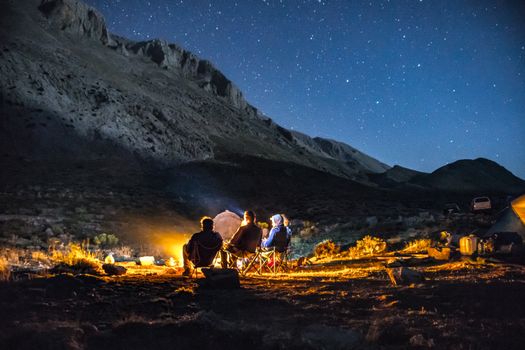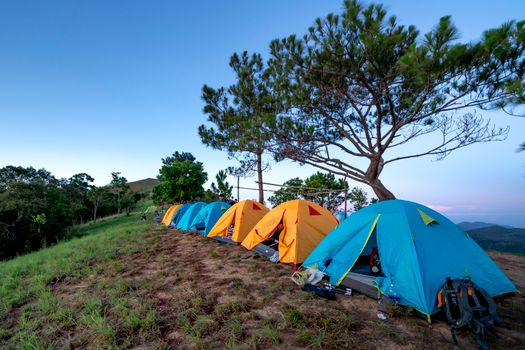
The first time I truly felt like an astronaut on an alien world, I was utterly alone, nestled in a tiny tent beneath a sky so impossibly vast and star-dusted it seemed painted by a cosmic artist. The air was crisp, the silence absolute, broken only by the whisper of the wind over bizarre rock formations. It wasn't Mars, nor the Moon, but a place right here on Earth, yet so far removed from anything I’d ever known. That night, gazing up at the Milky Way stretching like a shimmering highway across the inky black, I realized something profound: you don't need a rocket ship to travel to another planet. Sometimes, all you need is a tent, a sense of adventure, and the courage to seek out the truly extraordinary.
For years, I’ve chased these otherworldly experiences, trekking to the most remote, visually stunning, and downright bizarre corners of our planet. And let me tell you, Earth is full of surprises. Forget the crowded national parks and predictable campgrounds. Today, we're diving deep into the ultimate bucket list for campers who crave landscapes that defy earthly logic – places where the lines between science fiction and reality blur, and every sunrise feels like a new discovery. These aren't just camping spots; they're portals to another dimension, waiting for you to stake your claim.
Are you ready to experience the most mind-bending, Instagram-worthy, and soul-stirring campsites known to humankind? Let's blast off!
---
1. Atacama Desert, Chile: Stargazing on Mars' Twin
Imagine setting up your tent in a landscape so utterly barren, so devoid of life, that NASA tests its Mars rovers here. That's the Atacama Desert for you, particularly the area around San Pedro de Atacama and the infamous Valle de la Luna (Valley of the Moon). My first visit here felt like stepping onto a movie set, except the movie was real, and I was the protagonist. The ground crunched beneath my hiking boots, a mixture of salt flats, sand dunes, and ancient, oxidized rock formations that glowed in hues of red, orange, and purple as the sun dipped below the horizon.
Why it feels alien:
The extreme aridity means almost no vegetation, creating vast, desolate expanses. The "Valley of the Moon" lives up to its name with its crater-like formations and sharp, salt-encrusted ridges. But the real magic happens after dark. The Atacama boasts some of the clearest skies on Earth, thanks to its high altitude, dry air, and minimal light pollution. Camping here means you're under a celestial dome of unparalleled brilliance. I’ve seen satellites streak across the sky, shooting stars blaze, and the Milky Way so vivid it cast shadows. It’s an astronomer’s dream and a soul-seeker’s paradise.
Personal Anecdote:
One night, after a day of exploring the otherworldly Tatio Geysers (another alien spectacle of steaming vents), I found myself camped in a designated area near the Valley of the Moon. The wind howled softly, carrying fine dust. As darkness fell, the stars began to pop into existence, one by one, then by the millions. I laid on my back, bundled in my sleeping bag, and simply watched. It felt like the universe was breathing around me. I even saw the Andromeda galaxy with my naked eye – a fuzzy smudge that was, in fact, another galaxy! It was humbling and exhilarating all at once.
Practical Tips:
* Best Time to Visit: Year-round, but May to November offers clearer skies and milder temperatures.
* Camping: Wild camping is generally not permitted in national park areas. Look for designated campsites or tour operators offering camping experiences. Some hostels in San Pedro de Atacama offer tent sites. Alternatively, many stargazing tours include transportation and sometimes even a meal.
* Gear: Essential: a warm sleeping bag (desert nights are cold!), sturdy tent, plenty of water, sunscreen, wide-brimmed hat.
* Permits/Fees: Entrance fees apply for Valle de la Luna and other attractions. Camping fees vary.
* Nearest Town: San Pedro de Atacama, your base for exploration.
* Instagram-Worthy: Sunset over Valle de la Luna, silhouette shots against the vast starry sky, the otherworldly formations of the Tatio Geysers.
---
2. Skaftafell, Iceland: Glacier Camping on a Frozen Planet
Iceland is, in itself, an entire alien planet condensed into one island. But nowhere feels more utterly detached from Earth than Skaftafell, part of Vatnajökull National Park. Here, ancient glaciers carve through black volcanic landscapes, waterfalls plunge into icy rivers, and the air crackles with geological power. Camping amidst this raw, untamed beauty is an experience that will redefine your understanding of wilderness.
Why it feels alien:
Imagine waking up to the sight of colossal, shimmering ice caps, their surfaces fractured with deep blue crevasses, contrasting sharply with the stark black sand plains (Skeiðarársandur) formed by glacial outbursts. The landscape is a brutalist masterpiece of ice, fire, and water. You might be hiking past a vibrant green moss-covered lava field one moment, and then standing at the foot of a towering glacier the next. The constant dialogue between geothermal heat and glacial ice creates an ever-changing, dramatic vista that feels like a geological experiment gone wild.
Personal Anecdote:
My first trip to Skaftafell involved a guided glacier hike. As we strapped on crampons and wielded ice axes, the sheer scale of Vatnajökull, Europe's largest glacier, became terrifyingly real. Later, pitching my tent at the Skaftafell campground, I watched the clouds roll in, obscuring the peaks, then peel away to reveal the vast white expanse. The sound of distant ice cracking was a constant reminder of the immense forces at play. It was cold, exhilarating, and deeply humbling. It felt like I was camping on a nascent world, still forming.
Practical Tips:
* Best Time to Visit: Summer (June-August) for milder weather and longer daylight hours. Winter (September-April) offers chances to see the Northern Lights, but it's much colder and daylight is limited.
* Camping: The Skaftafell Campground is well-equipped with facilities. Advance booking is recommended, especially in summer.
* Gear: Absolutely crucial: multi-layered clothing, waterproof and windproof outer shells, sturdy hiking boots, warm sleeping bag, and a robust tent designed for varied weather conditions.
* Activities: Guided glacier hikes, ice cave tours (winter only), hiking to Svartifoss (the basalt column waterfall).
* Nearest Town: Höfn or Kirkjubæjarklaustur are small towns with limited services. Stock up in Reykjavík or Vik.
* Instagram-Worthy: Svartifoss, Jökulsárlón glacier lagoon (nearby), the vast black sand plains, panoramic glacier views from hiking trails.
---
3. Goblin Valley State Park, Utah, USA: A Playground for Stone Goblins
Welcome to a place where thousands of mushroom-shaped hoodoos (locally called "goblins") rise from the desert floor, creating an utterly whimsical and bizarre landscape. Goblin Valley State Park in Utah is a geological oddity, a miniature Martian landscape that begs to be explored on foot. It’s less about towering peaks and more about an intimate, playful encounter with geology.
Why it feels alien:
Imagine a vast, open valley dotted with countless squat, lumpy, sandstone formations, ranging from knee-high to several stories tall. These "goblins" are eroded Entrada Sandstone, sculpted by wind and water into fantastic, bulbous shapes. Walking among them feels like exploring a petrified city on an alien planet, where strange, silent creatures stand sentinel. The muted reds, oranges, and yellows of the rock, combined with the sparse desert vegetation, create an almost monochromatic, dreamlike environment.
Personal Anecdote:
I arrived at Goblin Valley just before sunset. The low light cast long, dancing shadows among the formations, making them seem even more alive. I spent hours just wandering, weaving through the "goblins," feeling like a child in a giant's sandbox. I found a secluded spot to set up camp, and later, sitting by my tent, I watched the stars emerge. With no light pollution, the Milky Way was a bright smear across the sky, and the silhouettes of the goblins became dark, watchful figures against the cosmic backdrop. It was profoundly peaceful and wonderfully surreal.
Practical Tips:
* Best Time to Visit: Spring (March-May) and Fall (September-November) for comfortable temperatures. Summer can be extremely hot.
* Camping: The park has a small, first-come, first-served campground with 25 sites. It fills up quickly, so arrive early or have a backup plan. Each site has a picnic table and fire ring.
* Gear: Plenty of water (no potable water at sites), sun protection, sturdy hiking shoes, and a camera!
* Activities: Simply wander and explore the "goblin" formations. There are also designated hiking trails.
* Permits/Fees: A day-use fee or camping fee is required.
* Nearest Town: Green River, about 30 miles away, for supplies and gas.
* Instagram-Worthy: Close-ups of the unique goblin formations, wide shots showing the vastness of the valley, starry night sky photos with goblin silhouettes.
---
4. White Sands National Park, New Mexico, USA: A Gypsum Sea on Earth
Step into a sea of pure white. White Sands National Park is an anomaly, a vast expanse of dazzling white gypsum sand dunes stretching for hundreds of square miles in the Tularosa Basin of New Mexico. It’s a landscape so stark, so pure, that it truly feels like a different world – perhaps a frozen, snow-covered desert, or a distant moon.
Why it feels alien:
Unlike quartz-based sand, gypsum is water-soluble, making these dunes incredibly rare. The brilliant white reflects sunlight, creating an almost blinding landscape under a clear blue sky. The dunes constantly shift and change, creating surreal ripples and crests. Sparse, specially adapted plants like the Soaptree Yucca punctuate the pristine white, adding to the otherworldly feel. At sunset, the dunes glow with soft pastel hues of pink, orange, and purple, transforming the landscape into a painter’s dream.
Personal Anecdote:
My first sight of White Sands took my breath away. It looked like snow, but the warmth underfoot confirmed it was sand. I spent the afternoon sledding down the dunes (yes, it's a thing here!) and then found my backcountry campsite. As the sun began to dip, the shadows lengthened, creating incredible patterns on the undulating dunes. The silence was profound, broken only by the gentle rustle of the wind. Later, under a sky ablaze with stars, the white sand seemed to glow faintly, reflecting the starlight. It was an experience of pure, unadulterated beauty and tranquility.
Practical Tips:
* Best Time to Visit: Spring and Fall offer the most pleasant temperatures. Summer can be very hot, and winter nights are cold. Check the park's website for missile range closures, as the park is adjacent to White Sands Missile Range.
* Camping: White Sands offers 10 primitive backcountry campsites, accessible via a 1-mile hike into the dunes. Permits are required and are first-come, first-served, issued at the visitor center. This is true wilderness camping.
* Gear: Absolutely essential: at least 1 gallon of water per person per day, sun protection (hat, sunglasses, sunscreen – the reflection is intense!), warm layers for cold desert nights, and a map/GPS (it's easy to get lost in the dunes).
* Activities: Dune sledding (buy sleds at the visitor center), hiking, photography, stargazing.
* Permits/Fees: Park entrance fee and a separate backcountry camping permit fee.
* Nearest Town: Alamogordo, about 15 miles away.
* Instagram-Worthy: Sledding down the dunes, walking barefoot on the cool sand, sunset shots with long shadows, stark plant life against the white, starry night sky.
---
5. Namib-Naukluft National Park, Namibia: The Ancient Red Dunes of Sossusvlei
Prepare for a journey to one of Earth's oldest and most mesmerizing deserts. Namib-Naukluft National Park in Namibia is home to Sossusvlei and Deadvlei, a landscape of towering, rust-red dunes that crash into an ancient clay pan, dotted with the skeletal remains of camel thorn trees. It’s a place of stark contrasts and overwhelming scale, a true masterpiece of geological time.
Why it feels alien:
The dunes of Sossusvlei are among the highest in the world, their vibrant orange-red hue a result of iron oxidation over millions of years. As the sun rises, the light and shadow play across their knife-edge ridges creates an ever-changing spectacle. Deadvlei, a white clay pan surrounded by these red giants, is famous for its petrified, black camel thorn trees, some over 900 years old, preserved by the arid climate. They stand like ghostly sentinels, creating a scene so surreal it feels like a post-apocalyptic alien world. The vastness and silence are profound.
Personal Anecdote:
Waking up before dawn to drive into Sossusvlei, the air was cool and crisp. We hiked up Dune 45, a perfect star-shaped dune, in the pre-dawn gloom. Reaching the summit as the first rays of sun hit the distant dunes, painting them in fiery oranges and reds, was an emotional experience. Later, walking into Deadvlei, surrounded by the towering red walls and the silent, black trees, felt like stepping into a dream. I spent hours just sitting there, absorbing the quiet, the history, and the incredible beauty. Camping within the park at Sesriem allowed for early access, a privilege I highly recommend.
Practical Tips:
* Best Time to Visit: Year-round, but May to October (dry season) is popular for cooler temperatures and wildlife viewing.
* Camping: Sesriem Campsite is located inside the park gate, allowing campers to enter Sossusvlei an hour before sunrise and stay an hour after sunset – a huge advantage for photographers. Book well in advance! Facilities are basic but functional.
* Gear: Sun protection, sturdy hiking shoes (sand gets hot!), plenty of water, warm layers for surprisingly cold desert nights.
* Activities: Climbing Big Daddy or Dune 45, exploring Deadvlei, visiting Sesriem Canyon.
* Permits/Fees: Park entrance fees apply. Camping fees are separate.
* Nearest Town: Sesriem (within the park) and Solitaire (small settlement with a famous bakery).
* Instagram-Worthy: Sunrise/sunset shots on the dunes, the petrified trees of Deadvlei, the vastness of the desert, aerial views if you can manage a hot air balloon ride.
---
6. Lapland, Finland/Sweden: Arctic Wilderness and Aurora Borealis
While not a desert, the Arctic wilderness of Lapland offers an alien landscape of a different kind – one dominated by snow, ice, and the ethereal dance of the Northern Lights. Camping here, especially in winter, is an adventure into a frozen, silent world that feels utterly remote and magical.
Why it feels alien:
Imagine endless white forests blanketed in deep snow, frozen lakes reflecting the pale winter sun, and the hushed silence of a landscape completely transformed by ice. The short daylight hours (or complete polar night) create a twilight world, perfect for witnessing the ultimate celestial show: the Aurora Borealis. When the Northern Lights ripple across the sky in vibrant greens, purples, and reds, it truly feels like the heavens are putting on a light show just for you, a phenomenon that transcends earthly experience.
Personal Anecdote:
My winter camping trip in Swedish Lapland was an exercise in embracing the cold. We built a snow shelter (quinzhee) for extra warmth and coziness. The days were spent snowshoeing through ancient, snow-laden forests, the only sound the crunch of our boots on the pristine powder. But the nights were the real spectacle. One evening, after hours of patient waiting, the sky above us began to glow. First a faint green arc, then it pulsed, danced, and swirled into vibrant curtains of light. It was so intense, so alive, that I forgot all about the sub-zero temperatures. It felt like standing on the edge of the universe, witnessing a cosmic ballet.
Practical Tips:
* Best Time to Visit: Winter (November-March) for snow and the best chance of seeing the Northern Lights. Summer offers midnight sun and hiking, but a different experience.
* Camping: Designated wilderness campsites or even just pitching a tent in appropriate areas (check local regulations) are possible. Many areas are protected, so research thoroughly. Some tour operators offer guided winter camping trips or provide heated tents/cabins.
* Gear: This is extreme cold camping. Invest in high-quality, extreme-weather gear: a 4-season tent, expedition-grade sleeping bag, insulated sleeping pad, multiple layers of thermal clothing, down jacket, waterproof outer layers, insulated boots, thick gloves, and a balaclava.
* Activities: Snowshoeing, cross-country skiing, husky sledding, reindeer safaris, ice fishing, and, of course, aurora hunting.
* Permits/Fees: Generally free for wilderness camping, but guided tours and specific campsites will have fees.
* Nearest Town: Kiruna (Sweden), Rovaniemi (Finland) are major hubs with airports and supplies.
* Instagram-Worthy: Aurora Borealis photos, snow-covered trees, husky sledding, cozy tent shots under the winter sky.
---
7. The Pinnacles Desert, Nambung National Park, Australia: Ancient Pillars on a Yellow Sea
In Western Australia, just a few hours north of Perth, lies a landscape that looks like the remnants of a forgotten civilization on a distant, arid planet. The Pinnacles Desert is a field of thousands of limestone pillars rising from a stark yellow sand desert, creating an eerie and fascinating spectacle.
Why it feels alien:
Imagine walking through a vast expanse of golden sand, punctuated by thousands of limestone spires and columns, some short and stumpy, others towering several meters high. These natural sculptures are the result of ancient marine life, wind, and rain, creating a geological marvel that looks like an alien graveyard or a petrified forest of strange, stone beings. The contrast of the golden sand, the grey-yellow pillars, and the vast blue sky is strikingly beautiful and deeply surreal.
Personal Anecdote:
I arrived at Nambung National Park in the late afternoon, keen to catch the famous sunset over the Pinnacles. The drive through the park felt like traversing an unknown world. As I walked among the pillars, the shadows grew long and distorted, making the formations seem to shift and whisper. I found a secluded spot within the park's designated camping area, relatively close to the ocean. That night, under a sky teeming with Southern Hemisphere stars, the Pinnacles stood as silent sentinels. The air was filled with the sounds of nocturnal desert life, a symphony in a landscape that felt utterly timeless and out of this world.
Practical Tips:
* Best Time to Visit: Spring (September-November) for wildflowers and pleasant temperatures, or autumn (March-May). Summer can be extremely hot.
* Camping: While you cannot camp directly among the Pinnacles, the nearby Hangover Bay or Kangaroo Point offer basic coastal camping options (check local regulations and fees). The closest official campground is at Cervantes, a short drive away.
* Gear: Sun protection (hat, sunscreen), plenty of water, sturdy shoes for walking on sand, and a good camera.
* Activities: Driving the scenic loop through the Pinnacles, walking among the formations, visiting the Nambung National Park Discovery Centre.
* Permits/Fees: Park entrance fee applies. Camping fees are separate.
* Nearest Town: Cervantes and Jurien Bay are coastal towns nearby for supplies and accommodations.
* Instagram-Worthy: Sunset silhouettes of the Pinnacles, wide-angle shots showing the vastness of the field, close-ups of the unique limestone formations, stargazing shots.
---
Gear Up for Your Interstellar Adventure: Essential Tips
Venturing to these otherworldly destinations requires more than just a sense of wonder. Proper preparation is key to a safe and enjoyable journey.
- Research, Research, Research: Each location has unique challenges. Understand the climate, terrain, and local regulations.
- Leave No Trace: These are fragile environments. Pack out everything you pack in. Stick to designated trails and campsites. Respect wildlife.
- Water is Life: Especially in desert environments, carry significantly more water than you think you’ll need. Water sources can be scarce or non-existent.
- Layer Up: Even in deserts, nights can be surprisingly cold. In arctic regions, proper layering is a matter of survival. Think moisture-wicking base layers, insulating mid-layers, and waterproof/windproof outer shells.
- Navigation: A reliable GPS device, offline maps, and a compass are crucial, especially in vast, unmarked landscapes where cell service is non-existent.
- First Aid Kit: A comprehensive kit for minor injuries, insect bites, and any personal medications.
- Photography Gear: Wide-angle lenses for landscapes, a sturdy tripod for astrophotography, and plenty of spare batteries (cold weather drains them fast!).
- Permits and Bookings: Many of these unique spots require advance booking for camping or permits for backcountry access. Don't show up unprepared.
- Respect Local Culture & Wildlife: Always be mindful of the local customs and the delicate ecosystems you're visiting.
---
Conclusion: Your Cosmic Call to Adventure
These seven camping spots are more than just places to pitch a tent; they are experiences that will challenge your perceptions, humble your spirit, and ignite your sense of adventure. They are reminders of the incredible diversity and raw power of our planet, proving that you don't need a spaceship to feel like you've traveled light-years from home.
So, what are you waiting for? Stop dreaming about distant galaxies and start planning your next terrestrial expedition. Choose your alien world, pack your bags, and prepare for an adventure that will forever change the way you see Earth – and perhaps, yourself. Which of these otherworldly campsites is calling your name? Share your thoughts in the comments below, and don't forget to tag #TripsoraAlienCamps when you embark on your own intergalactic journey!