The Whispers of a Secret Supper: Unearthing the World's Most Authentic Farm-to-Table Experiences
The sun dipped below the rugged peaks of the Apennine Mountains, painting the sky in fiery oranges and deep purples. My rented Fiat, dusty from forgotten backroads, finally sputtered to a halt in front of a stone farmhouse, its windows glowing with a warm, inviting light. There was no sign, no flashy billboard, just the scent of woodsmoke and roasting herbs carried on the crisp evening air. A woman, her face etched with the wisdom of generations, emerged from the doorway, wiping flour from her hands. She smiled, a genuine, welcoming smile that spoke volumes more than any Michelin star. "You found us," she said in broken English, "Come, the pasta is ready."
This wasn't a restaurant I’d found on TripAdvisor. This wasn't even listed on Google Maps. This was an agriturismo – a working farm offering hospitality – recommended by a local cheesemonger I'd befriended in a tiny Umbrian village, after days of asking, "Where do you eat? Where do you go for a real meal?" This was a secret, a culinary whisper passed from trusted local to curious traveler. And it was, hands down, one of the most incredible, authentic, and utterly unforgettable farm-to-table experiences of my life.
For years, I've chased these whispers. The kind of places where the produce travels mere feet from the soil to your plate, where the chef is often the farmer, and the menu changes with the rhythm of the seasons, not the whims of tourism. These aren't just meals; they're immersive cultural experiences, a direct line to the soul of a place, its people, and its land. And trust me, these are the secrets worth seeking.
The Allure of the Uncharted Plate: Why Go Off-Grid for Your Next Meal?
In our hyper-connected world, everything feels discovered, photographed, and reviewed. But a true farm-to-table experience in a remote location offers something increasingly rare: authenticity. It’s a rebellion against the homogenized, the mass-produced, the tourist trap.
1. Unparalleled Freshness & Flavor:
Imagine biting into a tomato picked hours ago, still warm from the sun, its flavor bursting with an intensity you rarely find in a supermarket. This isn't just "fresh"; it's alive. When ingredients travel mere steps, their vitality, nutrients, and pure taste are preserved. You’re tasting the true essence of a region, its terroir, its climate, and its unique agricultural heritage.
2. A Direct Connection to the Source:
Knowing who grew your food, how it was harvested, and where it came from creates a powerful bond. You’re not just a consumer; you’re a participant in a story, a guest at a family’s table. This connection deepens your understanding of local culture, traditions, and the sheer effort that goes into creating sustenance.
3. Supporting Local & Sustainable Practices:
These hidden gems are often small, family-run operations deeply committed to sustainable farming. By choosing to eat here, you're directly supporting local economies, preserving traditional farming methods, and encouraging responsible tourism that respects the land and its people. It's conscious consumption at its most delicious.
4. The Thrill of Discovery:
Let's be honest, there's an undeniable allure to being "in the know." Finding a place that isn't on every blogger's list (until now, perhaps!), that requires a little effort and a lot of local insight, makes the reward even sweeter. It transforms a meal into an adventure, a story you'll tell for years.
The Art of Discovery: How to Find These Hidden Culinary Gems
So, how do you find these elusive, off-the-beaten-path culinary havens? It's not about scrolling through Instagram; it's about slowing down, listening, and engaging with the world around you.
1. Talk to Locals (Really Talk):
This is your golden ticket. Don't just ask your hotel concierge; they'll likely recommend tourist-friendly spots. Instead, strike up conversations with:
* Shopkeepers: The baker, the butcher, the greengrocer. They know where the best produce comes from and where it's celebrated.
* Guesthouse Owners/B&B Hosts: Especially in smaller towns, these individuals are deeply connected to their communities.
* Farmers Market Vendors: Ask them where they eat or if they know of any farms offering meals.
* Fishermen/Hunters: In coastal or rural areas, they'll know who's cooking up the freshest catch or game.
* Elderly Residents: Often the keepers of the most authentic, untouched traditions. Their recommendations are gold.
* Pro Tip: Learn a few basic phrases in the local language. A genuine effort to communicate goes a long way in building trust and unlocking secrets.
2. Look for "Agriturismo," "Finca," "Homestay," or "Trattoria/Taverna" Signs (But Beyond the Obvious):
These terms often indicate farm-stay or family-run establishments. However, the best ones won't be prominently advertised on main roads. Look for subtle signs on dirt tracks, or ask locals about places that don't have websites.
3. Explore Local Community Boards & Forums:
In some regions, local Facebook groups, community notice boards, or even physical bulletin boards in village squares can yield surprising leads. People might advertise pop-up dinners, farm events, or small, informal eateries.
4. Follow Your Nose (Literally):
Sometimes, the most incredible aromas wafting from an unassuming house down a side street can be your best guide. Don't be afraid to politely inquire.
5. Embrace the Unexpected:
Be open to spontaneous invitations. Sometimes, the best farm-to-table experience isn't a formal restaurant but a shared meal with a family who has opened their home to you. This requires trust and an adventurous spirit.
6. Prioritize Respect & Discretion:
When you find these places, remember why they're special: they're not catering to mass tourism. Be respectful of their home, their customs, and their way of life. Don't immediately post their exact location to every social media channel without asking permission. The goal is to experience, not to exploit.
My Journey to the Source: Real-Life Encounters & Unforgettable Flavors
Over the years, I've had the privilege of stumbling upon (or being led to) some truly magical places. While I won't give away exact GPS coordinates to protect their charm, I can paint a picture and give you an idea of what to expect.
1. The Umbrian Hillside: Agriturismo "Il Nido dell'Aquila" (The Eagle's Nest)
* Location: Tucked away in a forgotten valley near Castelluccio di Norcia, Umbria, Italy. This region is famous for its lentils, truffles, and wild boar.
* The Experience: After that initial welcome, I was ushered into a rustic dining room with a roaring fireplace. There was no menu. Instead, Nonna Maria simply brought out what was fresh and what she’d been cooking all day. We started with platters of local cured meats and cheeses, followed by a thick, earthy lentil soup, then homemade tagliatelle with a rich wild boar ragu. The main course was slow-roasted lamb, falling off the bone, accompanied by garden-fresh vegetables. Everything was paired with the farm's own robust red wine. Dessert was a simple apple cake, still warm. The conversation flowed, a mix of Italian and gestures, with laughter echoing through the room.
* Price Point: Around €40-50 per person for a multi-course meal, including wine and water. This is an incredible value for the quality and quantity.
* Instagram Moment: The rustic table laden with colorful, overflowing dishes; Nonna Maria's flour-dusted hands kneading pasta; the panoramic view of the valley at sunset.
2. The Vietnamese Highlands: Mrs. Mai's Riverside Homestay
* Location: Deep in the Mai Chau valley, Vietnam, near a White Thai village, accessible after a long bus ride and then a scooter taxi down a bumpy, unpaved track.
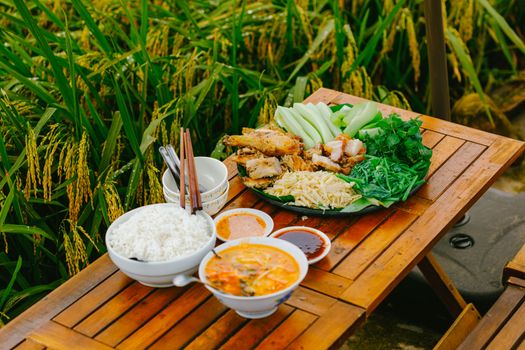
* The Experience: I arrived at a simple stilt house surrounded by rice paddies. Mrs. Mai, with her infectious smile, welcomed me as if I were a long-lost relative. The "farm" here was the surrounding landscape – the river for fish, the forest for bamboo shoots and herbs, and her small garden for vegetables. I spent the afternoon helping her pick herbs and prepare sticky rice. Dinner was served on a low table on the veranda: fresh river fish steamed with lemongrass and chili, stir-fried morning glory, bamboo shoots simmered in coconut milk, and perfectly cooked sticky rice. The flavors were vibrant, spicy, and incredibly fresh, a true taste of the local White Thai cuisine. We drank rice wine and listened to the sounds of the jungle.
* Price Point: Often included as part of a homestay package, typically $10-20 per person for dinner, sometimes with a small additional charge for cooking lessons.
* Instagram Moment: The vibrant colors of the fresh ingredients; the serene rice paddies at dusk; the hands-on cooking experience with Mrs. Mai; the rustic dining setup by the river.
3. The Scottish Isle: Croft House Supper Club on Skye
* Location: A secluded croft (small farm) on the Isle of Skye, Scotland, accessible by a single-track road that feels like it leads to the edge of the world.
* The Experience: This was a pop-up supper club hosted by a young couple who had left city life to embrace crofting. Their "farm" was the wild sea loch in front of their house and a small, windswept garden. The menu was dictated by what they could forage, catch, or grow that week. My meal started with hand-dived scallops, still tasting of the sea, served with samphire. The main was slow-cooked lamb from a neighboring croft, accompanied by roasted root vegetables from their garden and foraged wild mushrooms. Dessert was a delicate cranachan (a traditional Scottish dessert) made with local raspberries and their own homemade whisky cream. The setting was intimate, with only eight guests around a communal table, sharing stories as the wild Scottish weather raged outside.
* Price Point: £40-70 per person, often BYOB (bring your own bottle). This reflects the premium ingredients and bespoke nature of the experience.
* Instagram Moment: The stunning, dramatic landscape surrounding the croft; the beautifully plated, minimalist dishes showcasing incredible ingredients; the cozy, intimate dining setting against a wild backdrop.
Navigating the Unwritten Rules: Etiquette for the Off-Grid Diner
These experiences are special because they aren't commercialized. To ensure they remain that way, it's crucial to be a respectful and responsible guest.
- Always Make Arrangements in Advance: Even if there's no official booking system, a call or a message (through a local intermediary) is essential. These aren't walk-in establishments; they're often preparing meals specifically for you.
- Be Punctual: Respect their time. If you're late, call and let them know.
- Bring Cash: Many remote locations won't have card facilities. Always carry enough local currency.
- Be Open to the Unknown: There's likely no menu. Embrace whatever is served. It will be fresh, local, and made with love. If you have dietary restrictions, communicate them clearly when you make arrangements, but be prepared for limited options.
- Offer to Help (If Appropriate): Sometimes, a genuine offer to help set the table, peel vegetables, or clear dishes is appreciated. Read the room and see if it feels right.
- Learn & Engage: Ask questions about the food, the farm, their traditions. Show genuine interest. It's a fantastic opportunity for cultural exchange.
- Respect Their Privacy: Remember, this is often someone's home and livelihood. Don't wander into private areas without permission. Ask before taking photos, especially of people.
- Leave No Trace: If you're visiting a working farm, be mindful of your surroundings. Don't litter. Don't disturb animals or crops.
- Don't Over-Bargain: While prices might be negotiable in some cultures, remember you're supporting small, often struggling, local businesses. Pay what they ask, or a little more if you feel the experience warrants it. Your money directly impacts their lives.
- Spread the Word (Discreetly): If you loved the experience, tell trusted friends, but emphasize the need for respect and advanced booking. Avoid plastering specific, tiny locations all over public social media if you sense the owners prefer discretion. Sometimes, the best way to preserve a secret is to share it thoughtfully.
Beyond the Plate: The Broader Impact
Eating in these remote, authentic farm-to-table settings isn't just about satisfying your palate; it's about enriching your soul and contributing to a more sustainable world.
It's a powerful form of community tourism, where your travel dollars directly benefit local families and preserve traditional ways of life. It fosters cultural exchange, breaking down barriers and building bridges through shared meals and stories. It promotes sustainable practices, encouraging small-scale farming and reducing food miles. And it reminds us of the profound connection between the land, the food, and the people who nurture both.
These aren't just meals; they are memories, lessons, and a deeper understanding of what it means to truly live and eat well. They are the moments that define a journey, transforming a mere trip into a transformative experience.
So, the next time you plan an adventure, dare to venture off the well-trodden path. Ask the right questions, listen intently, and be open to the extraordinary. You might just find yourself at a table where the food tells a story, the flavors sing of the land, and the welcome feels like coming home.
What hidden culinary gems have you discovered? Share your stories (responsibly, of course!) in the comments below! Let's inspire each other to seek out these truly authentic tastes of the world.
---