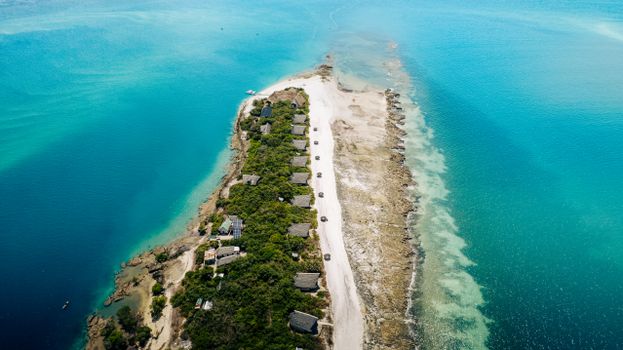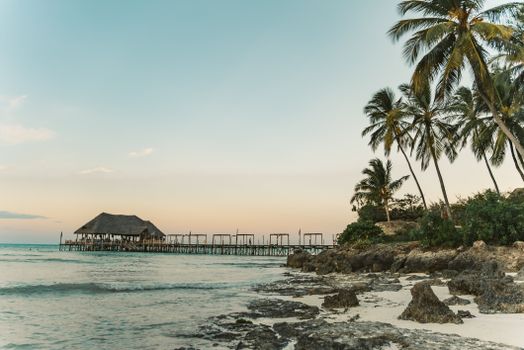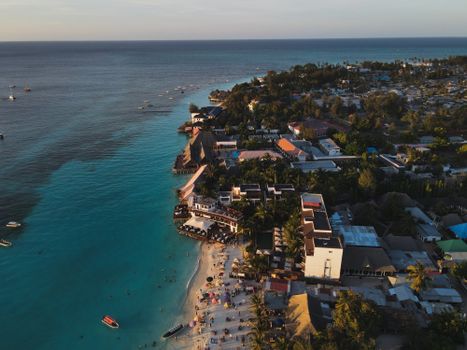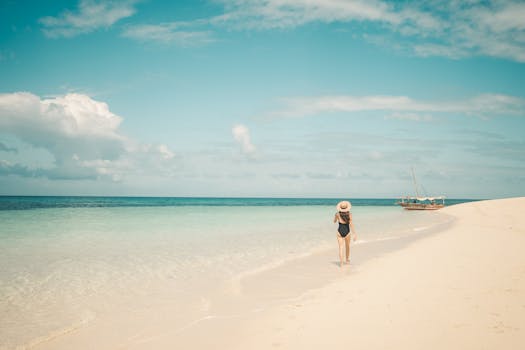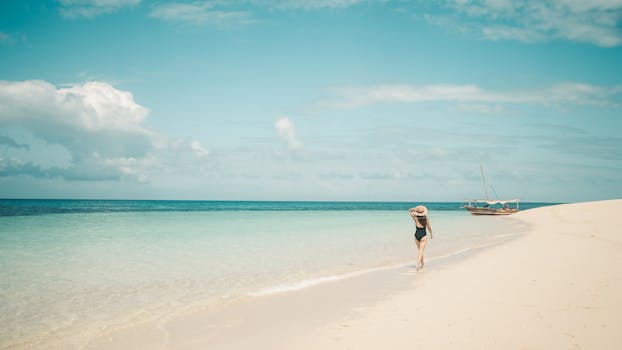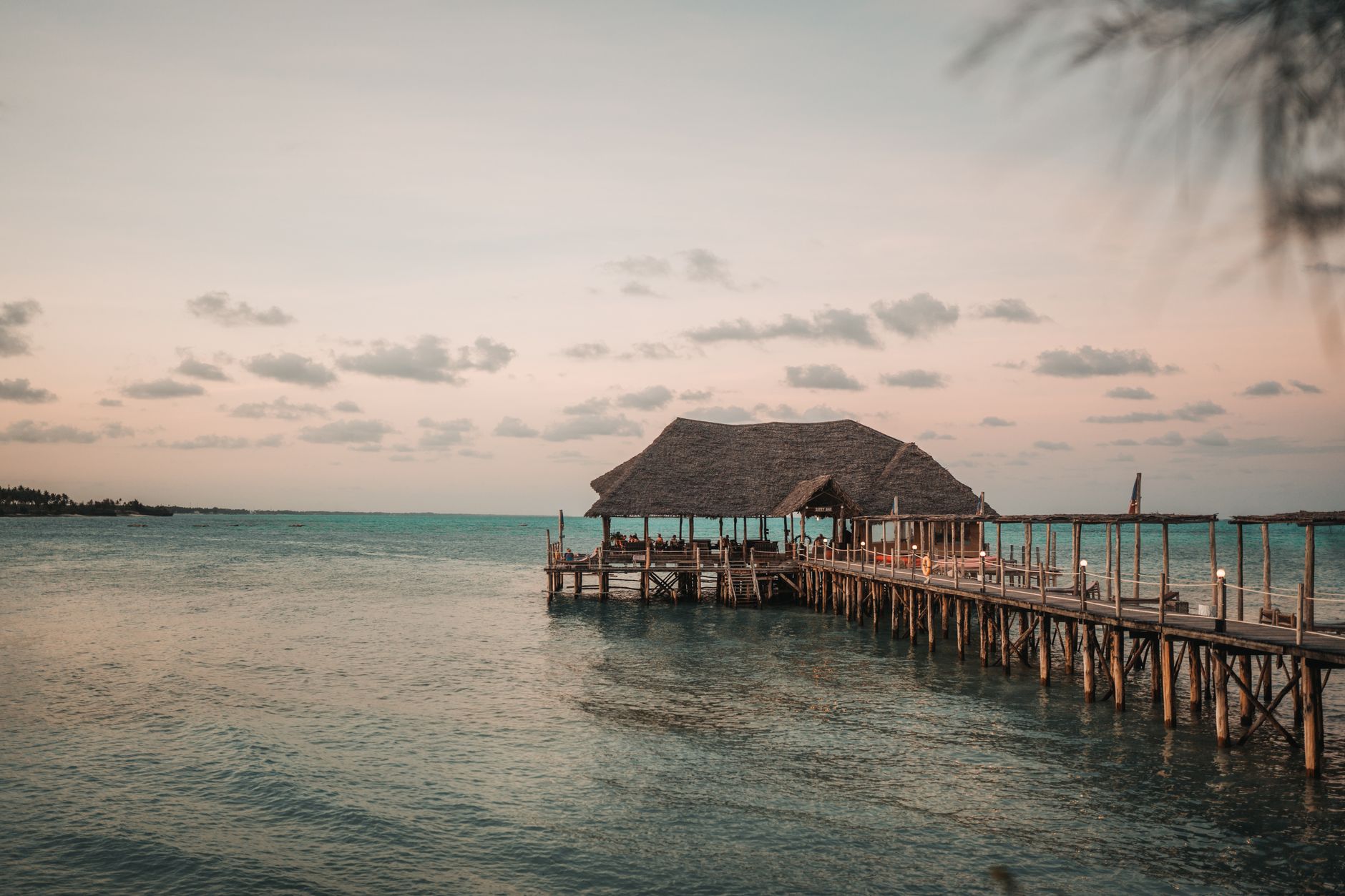
If you are dreaming of escaping the chill and embracing tropical warmth, a winter sun Zanzibar trip offers an unforgettable experience. This Tanzanian archipelago, famed for its spice farms, pristine beaches, and the historic Stone Town, transforms into a sun-drenched paradise during the northern hemisphere's colder months, making it an ideal destination for those seeking warmth, culture, and relaxation.
Quick Facts: Zanzibar at a Glance
| Category | Details |
|---|---|
| Best Time for Winter Sun | December to February (Dry season, warm temperatures) |
| Typical Daily Cost (approx.) | £100-£250 per person (mid-range, excluding flights) (Note: Prices are approximate and can vary significantly based on travel style. Always check current rates.) |
| How to Get There | Fly into Zanzibar International Airport (ZNZ) |
| Recommended Stay | 5-7 days to experience diverse attractions |
| Visa Requirements | Required for most nationalities. Check official Tanzanian immigration sites for the latest information on e-visas or visa-on-arrival options. |
| Currency | Tanzanian Shilling (TZS) |
| Time Zone | East Africa Time (EAT), UTC+3 |
Why Zanzibar is Your Perfect Winter Sun Escape
Zanzibar truly shines as a prime destination for winter sun, particularly from December through February. This period coincides with the island's long dry season, offering consistently warm temperatures, clear skies, and minimal rainfall. While many parts of the world shiver, Zanzibar basks in glorious sunshine, making it an irresistible lure for those seeking an escape.
Typical Weather Patterns: During these months, you can expect average daily temperatures ranging from 28°C to 32°C (82°F to 90°F), with comfortable humidity levels. Ocean temperatures are equally inviting, hovering around 27°C (81°F), perfect for swimming, snorkeling, and diving. Rainfall is typically low, with occasional short, refreshing showers that quickly pass, leaving behind clear, vibrant skies.
Crowd Levels: As a popular dry season destination, December and January, especially around Christmas and New Year, represent peak tourist season. You can expect more visitors, particularly in popular areas like Stone Town and the northern beaches of Nungwi and Kendwa. February tends to be slightly less crowded than the festive peak but still enjoys excellent weather. Despite the popularity, Zanzibar's extensive coastline and numerous activities mean it rarely feels overwhelmingly busy, allowing for both lively experiences and serene moments.
The combination of reliable sunshine, warm ocean waters, and a vibrant atmosphere makes a winter sun Zanzibar trip an ideal choice for anyone looking to recharge and explore a unique cultural and natural landscape.
Booking Essentials: What to Secure Early
To ensure a smooth and stress-free winter sun Zanzibar holiday, especially during the peak months of December and January, early booking is crucial. Demand for flights and prime accommodation can be high, leading to increased prices and limited availability if left to the last minute.
- Flights: International flights to Zanzibar International Airport (ZNZ) from major hubs often fill up quickly for the festive season. Aim to book your flights at least 4-6 months in advance for the best fares and routes.
- Accommodation: Zanzibar offers a diverse range of lodging, from boutique hotels in Stone Town to luxury resorts and charming guesthouses along its stunning beaches. Popular areas include Stone Town for culture, Nungwi and Kendwa for lively beaches and sunsets, and Paje or Jambiani for watersports and a more laid-back vibe. Securing your preferred hotel or resort 3-5 months ahead is highly recommended, particularly for unique properties or those with limited rooms.
- Popular Tours and Activities: While many tours can be arranged upon arrival, certain popular excursions, especially those with limited capacity or requiring specific timing (like private dhow cruises or specific diving trips), benefit from advance booking. Consider pre-booking spice farm tours, Prison Island excursions, and Jozani Forest visits if you have a tight schedule.
- Visa Requirements: Most non-East African citizens require a visa to enter Tanzania (which includes Zanzibar). You can typically apply for an e-visa online before your trip or obtain a visa on arrival at the airport. However, processing times for e-visas can vary, and queues for visa-on-arrival can be long. Always check the official Tanzanian immigration website well in advance of your travel dates for the most current requirements and application procedures.
Pro tip: Consider a split stay, spending a few nights in Stone Town to immerse yourself in history and culture, followed by several nights on one of the island's beautiful beaches for relaxation and watersports. This approach allows you to experience the full spectrum of Zanzibar's offerings.
A Sample 3-Day Zanzibar Itinerary
While 5-7 days is ideal, a focused 3-day itinerary can provide a rich taste of Zanzibar's highlights. This plan balances cultural immersion with beach relaxation and natural exploration.
Day 1: Historic Stone Town Immersion
- Morning: Arrive at Zanzibar International Airport (ZNZ), transfer to your accommodation in Stone Town. Settle in and head out for a guided walking tour of Stone Town, a UNESCO World Heritage site. Explore its labyrinthine alleys, admire the intricate carved doors, and discover historical landmarks like the House of Wonders (Beit-al-Ajaib), the Old Fort, and the Former Slave Market site.
- Lunch: Enjoy local Swahili cuisine at a rooftop restaurant overlooking the town or harbour.
- Afternoon: Visit the Darajani Market to experience local life and see a vibrant array of spices, fruits, and crafts. Explore the various shops for souvenirs.
- Evening: Head to Forodhani Gardens as the sun begins to set. This waterfront park transforms into a bustling open-air food market where you can sample fresh seafood, Zanzibar pizza, and other local delicacies. Follow this with a sunset dhow cruise from the harbour, offering stunning views of Stone Town from the water.
Day 2: Northern Beaches & Ocean Adventures
- Morning: After breakfast, check out and drive north to the pristine beaches of Nungwi or Kendwa (approx. 1.5-2 hours drive). Check into your beach resort.
- Late Morning/Afternoon: Spend your time relaxing on the white sand beaches, swimming in the turquoise waters, or indulging in water activities. Nungwi is known for its vibrant atmosphere and traditional dhow building yards, while Kendwa offers calmer waters and spectacular sunsets. Consider snorkeling or a short boat trip to a nearby coral reef.
- Lunch: Enjoy fresh grilled seafood at a beachside restaurant.
- Evening: Experience a breathtaking sunset from the beach, followed by dinner at your resort or a local restaurant. Many establishments offer live music or cultural performances.
Day 3: Spice Farm, Monkeys & Departure
- Morning: Embark on a famous Spice Farm Tour. Learn about the island's rich history as a spice trade hub, discover various spices, herbs, and tropical fruits, and enjoy a tasting session.
- Late Morning: Continue to Jozani Forest, home to the rare Red Colobus monkeys. Walk through the unique mangrove boardwalk and observe these playful primates in their natural habitat.
- Lunch: Have lunch at a local eatery near Jozani Forest or on your way back towards the airport.
- Afternoon: Depending on your flight schedule, you might have time for some last-minute souvenir shopping or a final dip in the ocean. Transfer to Zanzibar International Airport (ZNZ) for your departure.
Must-Try Experiences and Local Flavours
Zanzibar offers a rich tapestry of experiences that blend history, nature, and gastronomy. Make sure to include these in your winter sun itinerary:
Unforgettable Experiences:
- Stone Town Walking Tour: Essential for understanding the island's history, architecture, and cultural fusion.
- Spice Farm Tour: A sensory journey where you can see, smell, and taste the spices that gave Zanzibar its fame.
- Dhow Cruise: Whether a sunset sail from Stone Town or a full-day excursion to a sandbank, a traditional dhow trip is iconic.
- Jozani Forest: Witness the endemic Red Colobus monkeys and explore the unique mangrove ecosystem.
- Prison Island (Changuu Island): Home to giant Aldabra tortoises and a historic prison.
- Snorkeling and Diving: The coral reefs around Mnemba Atoll (accessible from Matemwe) and other spots offer incredible marine life.
- Kitesurfing in Paje: If you're an adrenaline seeker, Paje's shallow, calm waters are perfect for learning or enjoying kitesurfing.
Local Flavours to Savour:
- Zanzibar Pizza: A unique street food found at Forodhani Gardens, more like a savoury crepe or pancake filled with various ingredients.
- Fresh Seafood Platter: Given its island location, fresh grilled fish, lobster, prawns, and calamari are abundant and delicious.
- Pilau and Biryani: Fragrant rice dishes, often served with meat or vegetables, showcasing the island's Indian and Middle Eastern culinary influences.
- Urojo: A popular Zanzibari street food, this is a hearty mango and potato soup, often served with crispy fritters.
- Tropical Fruits: Indulge in fresh mangoes, passion fruit, pineapple, and jackfruit, often available directly from local vendors.
- Spiced Coffee and Tea: Enjoy beverages infused with local ginger, cardamom, and cloves.
Pro tip: When dining at local restaurants or markets, ask for the "catch of the day" for the freshest seafood options. Don't be afraid to try street food, especially at reputable spots like Forodhani Gardens, but always observe hygiene.
What to Pack for Your Winter Sun Zanzibar Trip
Packing for Zanzibar in the dry season is straightforward, focusing on light, breathable clothing and sun protection. Here’s a comprehensive list:
- Clothing:
- Lightweight, breathable fabrics like cotton and linen.
- Swimwear (multiple sets).
- T-shirts, shorts, skirts, sundresses.
- A light long-sleeved shirt and trousers for sun protection and cooler evenings, or for visiting cultural sites.
- Modest attire (shoulders and knees covered) for visiting Stone Town and religious sites.
- Footwear:
- Comfortable sandals or flip-flops for the beach and casual wear.
- Walking shoes for exploring Stone Town.
- Water shoes or reef shoes for protection against coral and sea urchins, especially when swimming or walking on rocky beaches.
- Sun Protection:
- Wide-brimmed hat.
- Sunglasses.
- High SPF sunscreen (reef-safe if possible, to protect marine life).
- Health & Personal Items:
- Insect repellent (essential for evenings).
- Basic first-aid kit (band-aids, antiseptic wipes, pain relievers, anti-diarrhea medication).
- Any personal prescription medications.
- Hand sanitizer.
- Miscellaneous:
- Reusable water bottle.
- Small daypack for excursions.
- Power adapter (Type G - UK style, or Type D - old British/Indian style, depending on the establishment).
- Portable power bank for charging devices.
- Camera and extra memory cards.
- A light shawl or sarong for versatility (beach cover-up, modesty).
- Copies of important documents (passport, visa, flight details).
Common Mistakes to Avoid
To ensure your winter sun Zanzibar trip is as smooth as possible, be aware of these common pitfalls:
- Not Booking Early Enough: Especially for December and January travel, leaving flight and accommodation bookings to the last minute can lead to higher prices and limited choices.
- Underestimating the Sun: The equatorial sun is intense. Sunburn can quickly ruin a day. Always wear sunscreen, a hat, and seek shade during peak hours.
- Disregarding Local Customs: While beach areas are relaxed, Stone Town and other local communities are predominantly Muslim. Dress modestly (shoulders and knees covered) out of respect for local culture, especially when visiting religious sites.
- Drinking Tap Water: Stick to bottled water or filtered water to avoid stomach issues.
- Not Negotiating: For taxis, souvenirs, and goods in local markets, polite negotiation is expected and part of the cultural experience. Agree on a price before starting a journey or making a purchase.
- Ignoring Visa Requirements: Ensure you have checked and fulfilled all visa requirements for Tanzania well in advance of your trip to avoid delays or entry issues.
- Only Staying in One Area: Zanzibar offers diverse experiences. Limiting yourself to just one beach resort means missing out on the historical depth of Stone Town or the unique natural beauty of other coastal areas.
Plan Your Trip
With this guide, you are well-equipped to plan an incredible winter sun Zanzibar escape. For a truly personalised itinerary tailored to your preferences, visit Tripsora and let our AI platform craft your perfect journey.
Frequently asked questions
Is Zanzibar good for winter sun?
Yes, Zanzibar is an excellent destination for winter sun, particularly from December to February. These months offer consistently warm temperatures, clear skies, and minimal rainfall, making it ideal for beach activities and exploration.
What is the best month for winter sun in Zanzibar?
The best months for winter sun in Zanzibar are December, January, and February. These months fall within the long dry season, providing reliable sunshine, warm ocean temperatures, and pleasant conditions for travel.
How many days do you need in Zanzibar?
To fully experience Zanzibar's diverse offerings, including Stone Town, various beaches, and natural attractions, a stay of 5 to 7 days is generally recommended. This allows for a balanced mix of cultural immersion and relaxation.
Is Zanzibar expensive for tourists?
The cost of a trip to Zanzibar can vary. While luxury resorts and high-end tours can be expensive, it is possible to travel on a mid-range budget, with daily costs (excluding flights) typically ranging from £100-£250 per person, depending on accommodation and activities.
What should I wear in Zanzibar?
For Zanzibar, pack lightweight, breathable clothing like cotton and linen for the warm weather. Remember to include swimwear for the beaches and modest attire (covering shoulders and knees) for cultural sites and Stone Town out of respect for local customs.