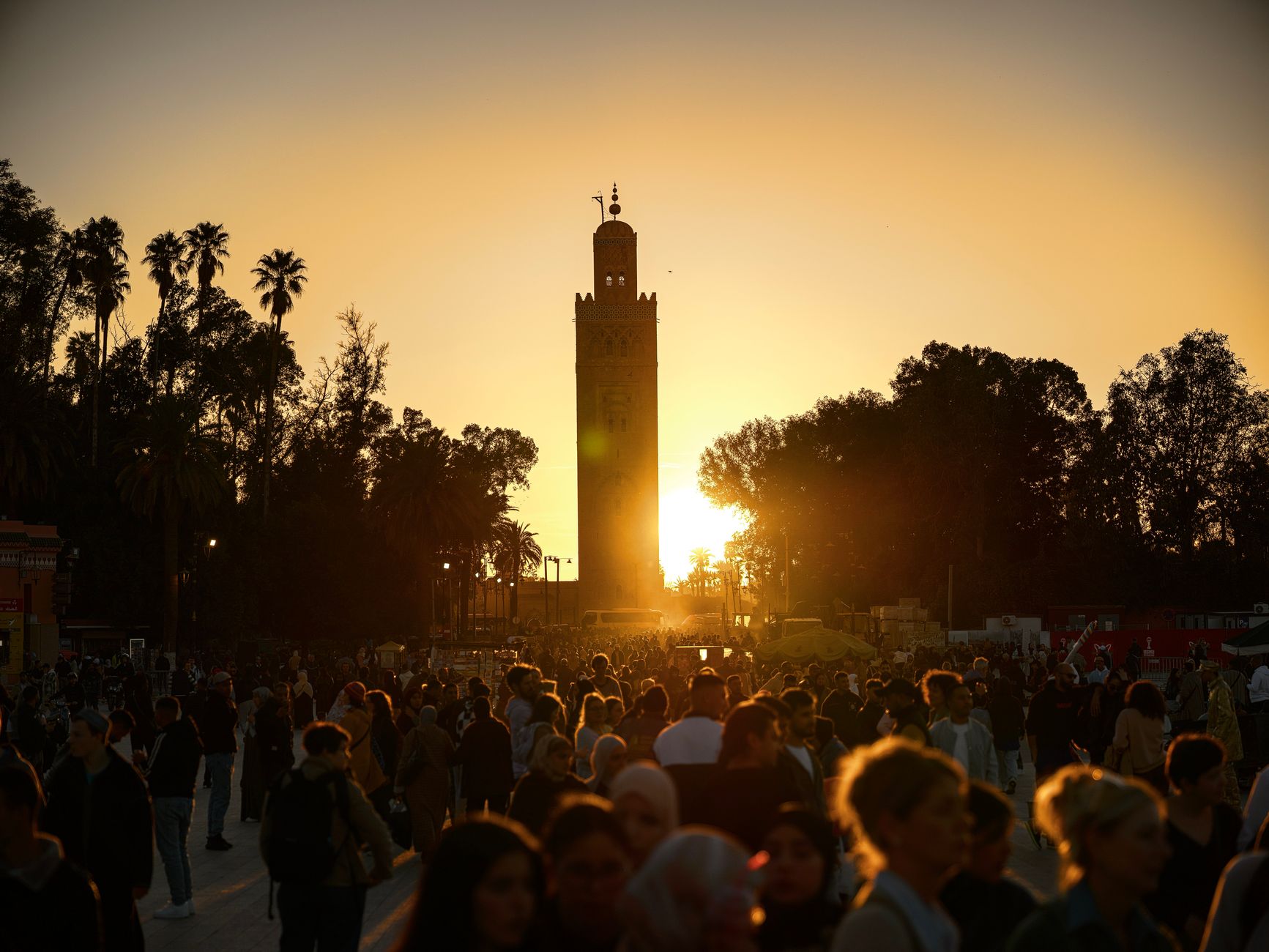
Seeking a refreshing escape from the colder months? Marrakech is a prime destination for a winter sun Marrakech getaway, offering a unique blend of comfortable temperatures, clear skies, and a vibrant cultural experience without the intense heat or peak season crowds. From late autumn through early spring, the Red City transforms into an inviting haven where you can explore ancient medinas, lush gardens, and bustling souks in delightful conditions.
Quick Facts: Winter Sun Marrakech
| Category | Details |
|---|---|
| Best Time to Visit | Late November to early March |
| Typical Daytime Temperature | 18-22°C (64-72°F) |
| Typical Nighttime Temperature | 7-10°C (45-50°F) |
| Typical Daily Budget (mid-range) | £60-£120 approx. per person (excluding flights/major tours) (Note: Prices are approximate and subject to change. Always check current rates.) |
| Flight Time (from UK) | Approx. 3.5-4 hours |
| Currency | Moroccan Dirham (MAD) |
| Main Languages | Arabic, Berber, French |
Why Winter Sun Marrakech is Special
Marrakech in winter offers a distinct charm that sets it apart from other seasons. The most significant advantage is the weather. While much of Europe shivers, Marrakech typically enjoys mild, sunny days perfect for exploration. The scorching summer heat is a distant memory, replaced by comfortable temperatures that make walking through the Medina, visiting gardens, or even taking a day trip to the Atlas Mountains far more enjoyable.
Beyond the weather, winter usually means fewer international tourists compared to the peak spring and autumn months. This allows for a more relaxed experience, with slightly less crowded attractions and a greater sense of local immersion. You can navigate the souks with more ease, enjoy a quieter moment in a riad courtyard, or secure a table at a popular restaurant without extensive waits. The air is often crisp and clear, providing excellent visibility for photography, especially of the snow-capped Atlas Mountains in the distance.
Evenings, while cooler, are still atmospheric. The Djemaa el-Fna square remains a lively hub of storytellers, musicians, and food stalls, its warmth enhanced by the glow of lanterns and the steam from hot tagines. It's a time when the city feels authentic and welcoming, allowing you to connect with its rich culture at a comfortable pace.
Best Weeks and Dates to Go
For the most pleasant winter sun Marrakech experience, aim for late November through early March. This period generally offers the best balance of comfortable temperatures and manageable crowd levels.
- Late November to Mid-December: Often considered ideal. The summer heat has fully dissipated, and daytime temperatures are pleasantly warm (typically 18-22°C). Evenings are cool but not freezing. Crowds are moderate before the end-of-year holiday rush.
- Late December to Early January: This period can see a slight increase in visitors due to Christmas and New Year holidays, particularly from European countries. While still excellent weather-wise, expect accommodation and flight prices to be higher, and popular attractions to be busier.
- Mid-January to Mid-February: Typically the quietest and coolest part of the winter. Daytime temperatures might drop a few degrees (15-18°C), and evenings can be quite chilly, sometimes dipping to single digits. However, if you prefer fewer crowds and don't mind bundling up in the evenings, this can be a very rewarding time to visit.
- Late February to Early March: As spring approaches, temperatures begin to rise again, reaching comfortable highs of 20-24°C. The city starts to feel more vibrant as flowers bloom, but it's still before the peak spring tourist season, offering a good balance.
Pro tip: While Marrakech rarely sees rain in winter, brief showers can occur, particularly in January and February. These are usually short-lived and quickly give way to sunshine.
What to Book Early for Your Winter Trip
Even though winter can be less crowded, certain aspects of your trip to Marrakech should be booked in advance to ensure availability and potentially better prices.
- Flights: Especially if travelling during public holidays (e.g., Christmas, New Year, school breaks), book your flights several months ahead. Direct routes from major European cities can fill up quickly.
- Accommodation (Riads): Popular riads, particularly those with excellent reviews or specific features like rooftop terraces or pools (even if unheated in winter), tend to book up. Many riads are small, boutique properties, so securing your preferred option early is crucial.
- Desert Tours: Multi-day trips to the Sahara Desert are incredibly popular, and winter is a fantastic time to go due to the milder daytime temperatures. These tours often involve specific camps and transport, so booking at least 2-3 months in advance is highly recommended, especially for reputable operators.
- Special Experiences: If you have your heart set on a specific cooking class, a hot air balloon ride at sunrise, or a traditional hammam experience at a renowned spa, reserve your spot well in advance.
- Airport Transfers: Pre-arranging an airport transfer with your riad or a trusted service is highly advisable. It ensures a smooth arrival, avoiding potential haggling with taxi drivers upon landing.
A Sample 3-Day Winter Sun Marrakech Itinerary
This itinerary focuses on experiencing the best of Marrakech's culture, history, and atmosphere during the pleasant winter months.
Day 1: Medina Immersion and Djemaa el-Fna
- Morning (9:00 AM - 1:00 PM): Start your day at the iconic Djemaa el-Fna square, which is relatively quiet in the morning. Head to the nearby Koutoubia Mosque to admire its impressive minaret from the outside. Then, explore the Bahia Palace, a stunning example of Moroccan architecture with intricate tilework and serene courtyards.
- Afternoon (1:00 PM - 6:00 PM): Dive into the labyrinthine souks surrounding Djemaa el-Fna. Wander through sections dedicated to leather goods, spices, textiles, and lamps. Practice your polite bargaining skills. Consider a traditional Moroccan hammam experience in the late afternoon to relax and rejuvenate.
- Evening (6:00 PM onwards): Return to Djemaa el-Fna as it transforms into a bustling open-air spectacle. Enjoy the street performers, storytellers, and musicians. Sample local street food from the numerous stalls, such as harira soup, grilled meats, or tangia.
Day 2: Gardens, History, and Modernity
- Morning (9:00 AM - 1:00 PM): Begin with a visit to the tranquil Jardin Majorelle, famous for its vibrant blue buildings and exotic plant collection. Afterwards, explore the adjacent Yves Saint Laurent Museum to learn about the designer's connection to Marrakech.
- Afternoon (1:00 PM - 6:00 PM): Discover the historical wonders of the Saadian Tombs, a royal necropolis from the 16th century. Then, explore the ruins of the El Badi Palace, imagining its former grandeur.
- Evening (6:00 PM onwards): Venture outside the Medina to Gueliz, Marrakech's modern district. Enjoy dinner at one of its contemporary restaurants or find a rooftop terrace within the Medina for a memorable farewell meal with city views.
Day 3: Atlas Foothills or Cultural Deep Dive
- Option A: Atlas Mountains Day Trip (Full Day): Take a guided day trip to the Atlas Mountains, perhaps to the Ourika Valley or the village of Imlil. Enjoy the cooler mountain air, scenic views, and a traditional Berber lunch. Some tours include short hikes to waterfalls.
- Option B: Cultural Exploration & Relaxation: If you prefer to stay in the city, consider a cooking class to learn how to prepare traditional Moroccan dishes. Alternatively, visit the Marrakech Museum or the Ben Youssef Madrasa (check current opening status, as it undergoes periodic renovations) for more historical insights. Spend the afternoon relaxing in your riad or exploring any areas you missed.
Pro tip: Always carry small denominations of Moroccan Dirham for small purchases and tipping. Taxis and street vendors often prefer exact change.
What to Eat and Experience in Winter
Winter in Marrakech enhances certain culinary and cultural experiences, making them even more inviting.
Must-Try Winter Foods:
- Tagine: A slow-cooked stew, often with chicken, lamb, or vegetables, served hot and comforting. Perfect for cooler evenings.
- Tanjia: A Marrakech specialty, this lamb dish is slow-cooked in a clay urn in the embers of a public hammam furnace. Rich and incredibly tender.
- Harira Soup: A hearty and flavourful lentil and tomato soup, often served to break the fast during Ramadan but enjoyed year-round, especially in winter.
- Mint Tea: The quintessential Moroccan welcome drink, served hot and sweet, ideal for warming up.
- Fresh Orange Juice: Available everywhere, particularly in Djemaa el-Fna. Even in winter, the oranges are abundant and delicious.
Experiences Enhanced by Winter:
- Hot Air Balloon Ride: Cooler, clearer mornings in winter provide ideal conditions for a sunrise hot air balloon flight over the Palmeraie and towards the Atlas Mountains.
- Exploring the Souks: With fewer crowds and more comfortable temperatures, you can take your time browsing the extensive markets without feeling overwhelmed.
- Desert Excursions: Day trips or multi-day tours to the Agafay Desert or the Sahara are much more enjoyable in winter, as daytime temperatures are pleasant and the intense summer heat is absent.
- Visiting Gardens: Gardens like Jardin Majorelle and Anima Garden are still beautiful in winter, often with fewer visitors and a crispness in the air that highlights their beauty.
- Cooking Class: A fantastic indoor activity to immerse yourself in Moroccan culture and learn to prepare local dishes.
What to Pack for Winter Sun Marrakech
Packing for Marrakech in winter requires a layered approach to accommodate the temperature fluctuations between day and night.
- Layers: Essential for adapting to the climate. Think light long-sleeved tops, t-shirts, and a couple of sweaters or cardigans.
- Outerwear: A warm jacket or a medium-weight coat is crucial for evenings, which can be surprisingly chilly. A light scarf can also provide extra warmth and modesty.
- Bottoms: Comfortable trousers, jeans, or long skirts are suitable for both day and evening.
- Footwear: Comfortable walking shoes or sandals are a must for exploring the Medina and souks. You'll be doing a lot of walking!
- Sun Protection: Despite being winter, the sun can still be strong. Pack sunscreen, sunglasses, and a hat.
- Modesty: While Marrakech is generally tolerant, dressing modestly (shoulders and knees covered) is respectful, especially when visiting religious sites.
- Essentials: A universal travel adapter, a portable power bank for your phone, and any personal medications.
Common Mistakes to Avoid
- Underestimating the Evening Chill: Many visitors pack for warm days but forget how cold evenings can get. Always bring a warm jacket.
- Not Bargaining (Politly): In the souks, bargaining is expected and part of the cultural experience. Do so politely and with a smile.
- Not Agreeing on Taxi Fares: Always negotiate and agree on a price with a taxi driver before starting your journey to avoid disputes.
- Ignoring Modesty: While not strictly enforced for tourists, dressing respectfully (covering shoulders and knees) is appreciated and can help avoid unwanted attention.
- Drinking Tap Water: It's generally not safe for tourists. Stick to bottled water.
- Over-scheduling: Marrakech is best experienced at a relaxed pace. Allow time for getting lost in the souks or simply enjoying a mint tea.
Plan Your Trip
Marrakech offers a truly enchanting winter sun experience, combining pleasant weather with deep cultural immersion. Use these insights to start building your perfect itinerary, and remember that Tripsora can help you craft a personalised journey tailored to your preferences and the unique charm of the Red City in winter.
Frequently asked questions
Is Marrakech warm enough for winter sun?
Yes, Marrakech typically enjoys mild, sunny days in winter with temperatures ranging from 18-22°C, making it ideal for exploring without the intense summer heat. Evenings are cooler, so packing layers is essential.
What are the best months for winter sun in Marrakech?
The best months for winter sun in Marrakech are generally from late November to early March. This period offers comfortable daytime temperatures and fewer crowds compared to the spring and autumn peak seasons.
Do I need a jacket for Marrakech in winter?
Yes, you absolutely need a warm jacket or a medium-weight coat for Marrakech in winter. While days are mild and sunny, evenings can get surprisingly chilly, often dropping to 7-10°C.
Are desert tours available in Marrakech during winter?
Yes, winter is an excellent time for desert tours from Marrakech. The milder daytime temperatures make for a more comfortable experience, whether you're exploring the Agafay Desert or embarking on a multi-day trip to the Sahara.
What should I pack for Marrakech in December?
For Marrakech in December, pack layers: light long-sleeved tops, t-shirts, a couple of sweaters or cardigans, and a warm jacket for the evenings. Include comfortable walking shoes, sunscreen, sunglasses, and a scarf for modesty and warmth.


