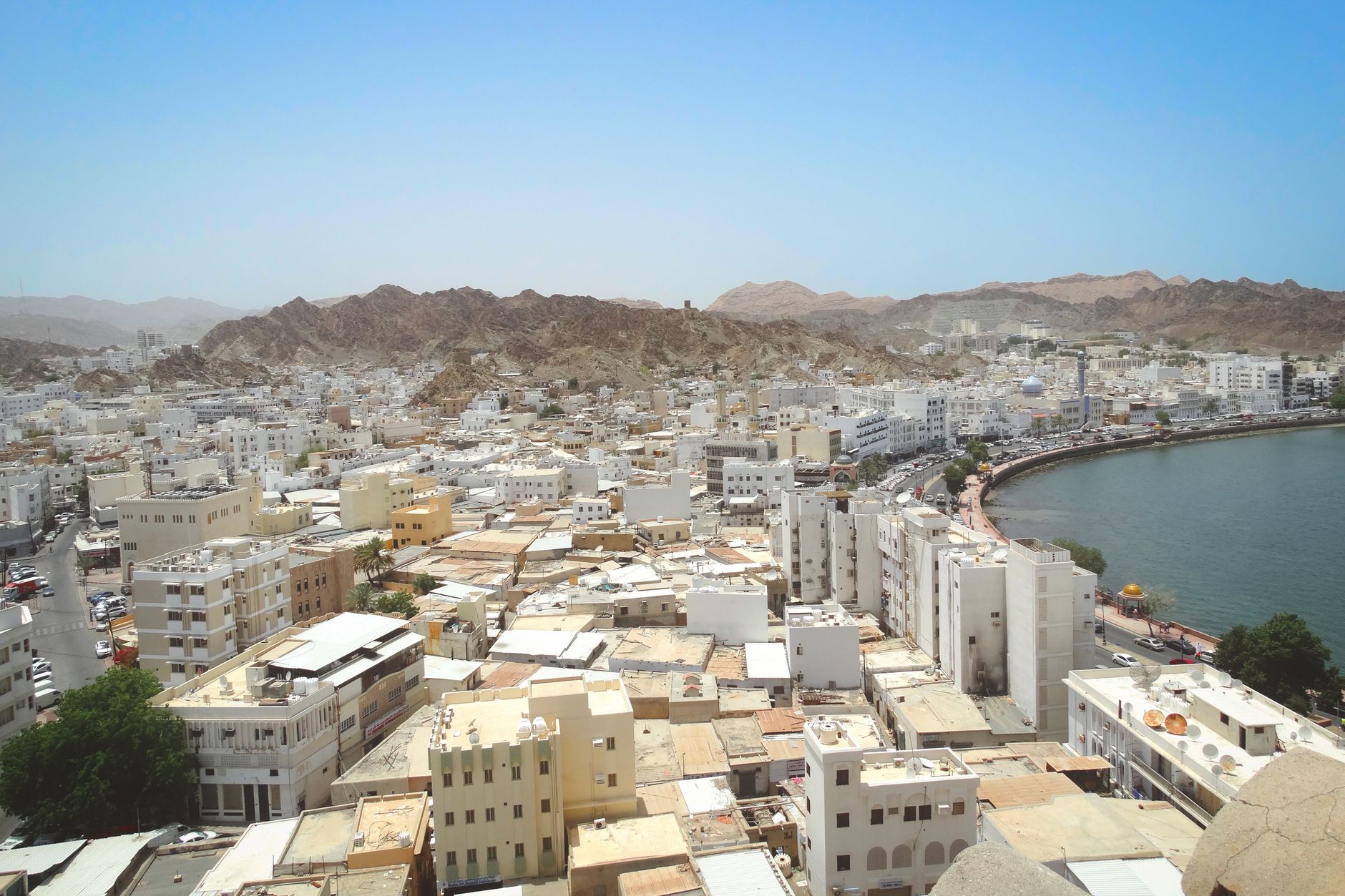
For travellers seeking a luxurious and culturally rich escape from colder climates, planning a trip for winter sun Muscat is an excellent choice. Oman's capital city truly shines during these months, offering consistently pleasant weather perfect for exploring its stunning architecture, vibrant souqs, and dramatic natural surroundings without the intense heat of summer.
| Fact | Detail |
|---|---|
| Best Time for Winter Sun | November to March |
| Typical Winter Temperatures | 20-28°C (68-82°F) |
| Average Flight Time (from UK) | Approx. 7-8 hours direct |
| Typical Cost (per day, mid-range) | £100-£250 approx. (excluding flights/major tours) |
| Recommended Stay | 3-5 days for Muscat; 7-10 days for Oman overall |
| Currency | Omani Rial (OMR) |
| Visa Requirements | Check official Oman government website for latest rules |
| Language | Arabic (English widely spoken) |
| Getting Around | Taxi, ride-sharing apps, rental car |
Please note: All prices are approximate and in GBP. Always check current exchange rates and prices before booking. Visa rules and entry requirements can change; confirm with official government sources.
Why Winter Sun Muscat is Special
Muscat truly comes alive during the winter months, typically from November to March. This period offers a refreshing escape from the colder, shorter days of many other parts of the world. The primary draw is the weather: consistently sunny days with comfortable temperatures ranging from the low 20s to high 20s Celsius (68-82°F). This climate is ideal for exploring the city's outdoor attractions, from strolling through the historic Mutrah Souq to relaxing on pristine beaches, without the intense heat and humidity that characterise Oman's summer.
Beyond the perfect weather, winter in Muscat often means fewer crowds compared to peak European holiday seasons, allowing for a more relaxed and authentic experience. The air is clear, offering stunning views of the Hajar Mountains meeting the Arabian Sea. It's also the best time for outdoor activities such as desert safaris, wadi explorations, and coastal cruises, which would be challenging or uncomfortable during other times of the year.
Best Time to Visit: Ideal Weeks and Dates
The sweet spot for a winter sun Muscat trip is generally from mid-November to early March. During these months, you can expect stable, sunny weather with minimal rainfall. Temperatures are typically warm enough for swimming and sunbathing but cool enough for comfortable sightseeing and walking.
- November: Transition month, still warm but pleasant, with temperatures settling into the mid-20s. Ideal for those seeking an early winter escape.
- December-February: These are the peak months for pleasant weather. Daytime temperatures hover around 22-26°C (72-79°F), with cooler evenings (around 15-18°C or 59-64°F). This period is perfect for all outdoor activities.
- March: The weather remains excellent, though temperatures begin to rise towards the end of the month, signalling the approach of summer. Still a great time to visit before the heat becomes more intense.
While the weather is consistently good, consider avoiding the week around Christmas and New Year if you prefer slightly fewer international tourists and potentially lower accommodation prices. However, even during these periods, Muscat does not typically experience the overwhelming crowds seen in some other popular winter sun destinations.
Booking Essentials: What to Secure Early
To ensure a smooth and enjoyable winter sun trip to Muscat, booking certain elements in advance is highly recommended, especially if you plan to travel during peak times like December or February half-term.
- Flights: Airfares to Muscat can increase significantly closer to your travel date, particularly for direct routes. Booking 3-6 months in advance can often secure better prices. Major airlines offering routes to Muscat include Oman Air, British Airways, and Emirates (via Dubai).
- Accommodation: Muscat offers a range of hotels, from luxury resorts along the coast to boutique options in the city centre. Popular hotels, especially those with beach access or prime locations, can sell out quickly for the winter season. Aim to book your stay 3-4 months ahead.
- Rental Cars: If you plan to explore beyond Muscat, a rental car offers flexibility. While public transport within the city is limited (mainly taxis and ride-sharing), a car is essential for day trips to places like Wadi Shab or Jebel Akhdar. Book your vehicle a couple of months in advance, especially if you need an automatic or a specific car type.
- Popular Tours & Experiences: Guided tours to the desert (Wahiba Sands), wadis (Wadi Bani Khalid, Wadi Shab), or dolphin watching cruises are very popular. If you have specific dates or operators in mind, book these at least 4-6 weeks out. Tickets for performances at the Royal Opera House Muscat should also be booked well in advance if you wish to attend.
Pro tip: Always check the cancellation policies for flights, hotels, and tours when booking early, just in case your plans need to change.
A Sample 3-Day Muscat Itinerary
This itinerary focuses on experiencing Muscat's highlights, balancing cultural immersion with natural beauty. Timings are approximate and can be adjusted.
Day 1: Cultural Immersion in Old Muscat
- Morning (9:00 AM - 1:00 PM): Sultan Qaboos Grand Mosque
Begin your day at one of Oman's most impressive landmarks. Allow 2-3 hours to explore the stunning architecture, intricate details, and serene atmosphere. Remember to dress modestly (long sleeves, long trousers/skirts, headscarf for women). Entry is free. - Lunch (1:30 PM - 2:30 PM): Local Omani Restaurant
Enjoy traditional Omani cuisine near the mosque or en route to Mutrah. Expect to pay around £10-£20 approx. per person for a main meal. - Afternoon (3:00 PM - 6:00 PM): Mutrah Souq and Corniche
Head to Mutrah, the historic heart of Muscat. Wander through the labyrinthine alleys of Mutrah Souq, browsing for frankincense, textiles, jewellery, and spices. Practice friendly bargaining. Afterwards, take a leisurely stroll along the Mutrah Corniche, enjoying views of the harbour and the Riyam Incense Burner. - Evening (7:00 PM onwards): Dinner with a View
Dine at a restaurant along the Corniche or in the nearby Ruwi area, offering fresh seafood and local specialities.
Day 2: Architectural Wonders and Coastal Views
- Morning (9:30 AM - 12:30 PM): Royal Opera House Muscat
Visit this architectural masterpiece, a blend of traditional Omani and contemporary design. Guided tours are available (check schedules and book in advance). Even if you don't attend a performance, the building itself is a sight to behold. - Lunch (1:00 PM - 2:00 PM): Modern Muscat Dining
Explore dining options around the Opera House or in the upscale Shatti Al Qurum district. - Afternoon (2:30 PM - 5:30 PM): Al Alam Palace and Forts
Drive to the Old Muscat area to see the ceremonial Al Alam Palace, flanked by the 16th-century Portuguese forts of Al Jalali and Al Mirani. While you can't enter the palace, its vibrant blue and gold facade makes for a striking photo opportunity. Explore the surrounding area and enjoy the coastal views. - Late Afternoon (5:30 PM - 7:00 PM): Sunset Beach Walk
Head to Qurum Beach for a relaxing walk as the sun sets, or enjoy a coffee at one of the beachfront cafes. - Evening (7:30 PM onwards): Fine Dining Experience
Consider a more upscale dinner in the Shatti Al Qurum or Al Mouj areas, known for their international and fusion cuisine.
Day 3: Desert or Wadi Adventure
- Full Day (8:00 AM - 6:00 PM): Day Trip to Wadi Shab or Wahiba Sands
Option A: Wadi Shab (approx. 1.5-hour drive one way)
Embark on an adventure to Wadi Shab, a stunning canyon with emerald pools and a hidden cave waterfall. This requires a short boat ride and a moderate hike (allow 3-4 hours for the hike and swim). Pack sturdy shoes, swimwear, and plenty of water. Option B: Wahiba Sands Desert Safari (approx. 2.5-hour drive one way)
Experience the majestic Wahiba Sands. Book a guided tour that includes dune bashing, a visit to a Bedouin camp, and perhaps a camel ride. This is a full-day excursion.Pro tip: For either option, it's advisable to arrange a guided tour or hire a 4x4 with a local driver if you are not comfortable driving off-road or navigating unfamiliar terrain.
- Evening: Relaxed Dinner
After your day trip, enjoy a relaxed dinner back in Muscat.
Must-Try Experiences and Omani Cuisine
Experiences:
- Frankincense Trail: Oman is historically famous for its frankincense. Explore the Mutrah Souq for high-quality frankincense resin, oils, and burners. You might also find frankincense-infused products like soaps and perfumes.
- Dolphin Watching & Snorkelling: Take a boat trip from Marina Bandar Al Rowdha to spot dolphins in their natural habitat. Many tours also offer opportunities for snorkelling in the clear waters.
- Wadi Exploration: Beyond Wadi Shab, consider Wadi Bani Khalid for easier access to natural pools, or explore the cooler climes of Jebel Akhdar (Green Mountain) for stunning terraced farms and rosewater distilleries.
- Visit a Traditional Fort: While Al Jalali and Al Mirani are not open to the public, you can visit Nakhal Fort or Nizwa Fort (a longer day trip) to learn about Oman's rich history and defensive architecture.
Omani Cuisine:
- Shuwa: A celebratory dish of slow-cooked lamb or goat, marinated in spices and cooked in an underground oven for hours. It's incredibly tender and flavourful. Often served with rice.
- Omani Halwa: A sweet, sticky jelly-like confection made from sugar, starch, rosewater, saffron, and cardamom, often with nuts. It's a staple for hospitality.
- Majboos (Kabsa): A fragrant rice dish cooked with meat (chicken, lamb, or fish) and a blend of spices, often served with a tomato sauce.
- Mashuai: Whole roasted kingfish, typically served with lemon rice. A popular coastal dish.
- Harees: A thick porridge-like dish made from wheat and meat, slow-cooked until it has a smooth, creamy texture.
- Dates and Coffee (Kahwa): Omani hospitality often begins with dates and strong, cardamom-infused Omani coffee.
What to Pack for Your Muscat Winter Trip
Packing for Muscat in winter requires a balance of comfortable, light clothing for warm days and modest options for cultural sites, plus a few essentials for cooler evenings or specific activities.
- Lightweight Clothing: Cotton or linen trousers, skirts, and dresses are ideal for daytime. T-shirts and light long-sleeved tops are suitable.
- Modest Attire: When visiting religious sites like the Grand Mosque, women should wear loose-fitting clothing that covers arms and legs, and carry a headscarf. Men should wear long trousers. It's respectful to dress modestly in public areas generally, avoiding overly revealing clothing.
- Swimwear: For hotel pools, beaches, or wadi swims.
- Comfortable Walking Shoes: Essential for exploring souqs, forts, and any hiking in wadis.
- Sandals/Flip-flops: For beach or casual wear.
- Light Jacket or Cardigan: Evenings can be cooler, especially in December and January, or if you're venturing into the desert.
- Sun Protection: Sunscreen, sunglasses, and a wide-brimmed hat are crucial due to the strong sun.
- Reusable Water Bottle: Stay hydrated, especially during sightseeing.
- Adapter: Oman uses Type G (UK standard) sockets.
- Basic First Aid: Plasters, pain relievers, and any personal medications.
Common Mistakes to Avoid
- Underestimating the sun: Even in winter, the Omani sun is strong. Always use sunscreen and stay hydrated.
- Disregarding local customs: Oman is a conservative country. Dress modestly, especially outside of resort areas and when visiting religious sites. Avoid public displays of affection.
- Not bargaining in the souq: Friendly negotiation is expected in Mutrah Souq.
- Only relying on public transport: Public transport is limited. Plan for taxis, ride-sharing apps, or a rental car for flexibility, especially for day trips.
- Not booking popular activities in advance: High-demand tours, especially during peak winter months, can sell out.
- Forgetting a headscarf (for women) for the Grand Mosque: You will need one to enter. They are sometimes available for rent, but it's best to bring your own.
Plan Your Trip
Muscat offers an unforgettable winter escape, blending rich history, stunning landscapes, and warm hospitality with ideal weather. Use this guide to start planning your personalised itinerary on Tripsora, where you can easily build and refine your perfect Omani adventure.
Frequently asked questions
Is Muscat safe for tourists?
Yes, Oman is considered one of the safest countries in the world with a very low crime rate. Tourists generally feel very secure exploring Muscat and beyond.
What is the dress code for women in Muscat?
While no official dress code exists for tourists, modest attire is recommended out of respect for local culture. Cover shoulders and knees, and women should carry a headscarf for mosque visits.
Can I drink alcohol in Muscat?
Alcohol is available in licensed hotels, resorts, and some restaurants. It is prohibited to drink alcohol in public places, and public intoxication is not tolerated.
How do I get around Muscat?
Taxis are readily available, and ride-sharing apps operate in the city. For exploring outside Muscat, renting a car (preferably a 4x4 for wadi or desert trips) is often the most convenient option.
Is Muscat expensive?
Muscat can be considered a mid-range to high-end destination, depending on your choices for accommodation and activities. Budgeting for around £100-£250 per person per day (excluding international flights) for mid-range travel is a reasonable estimate.