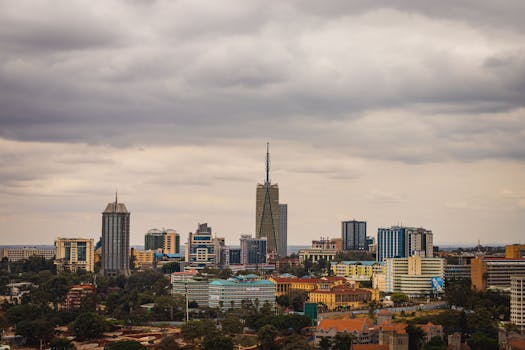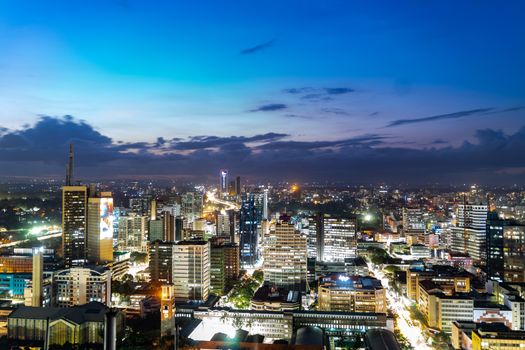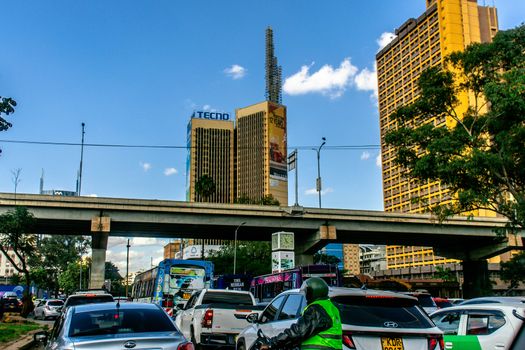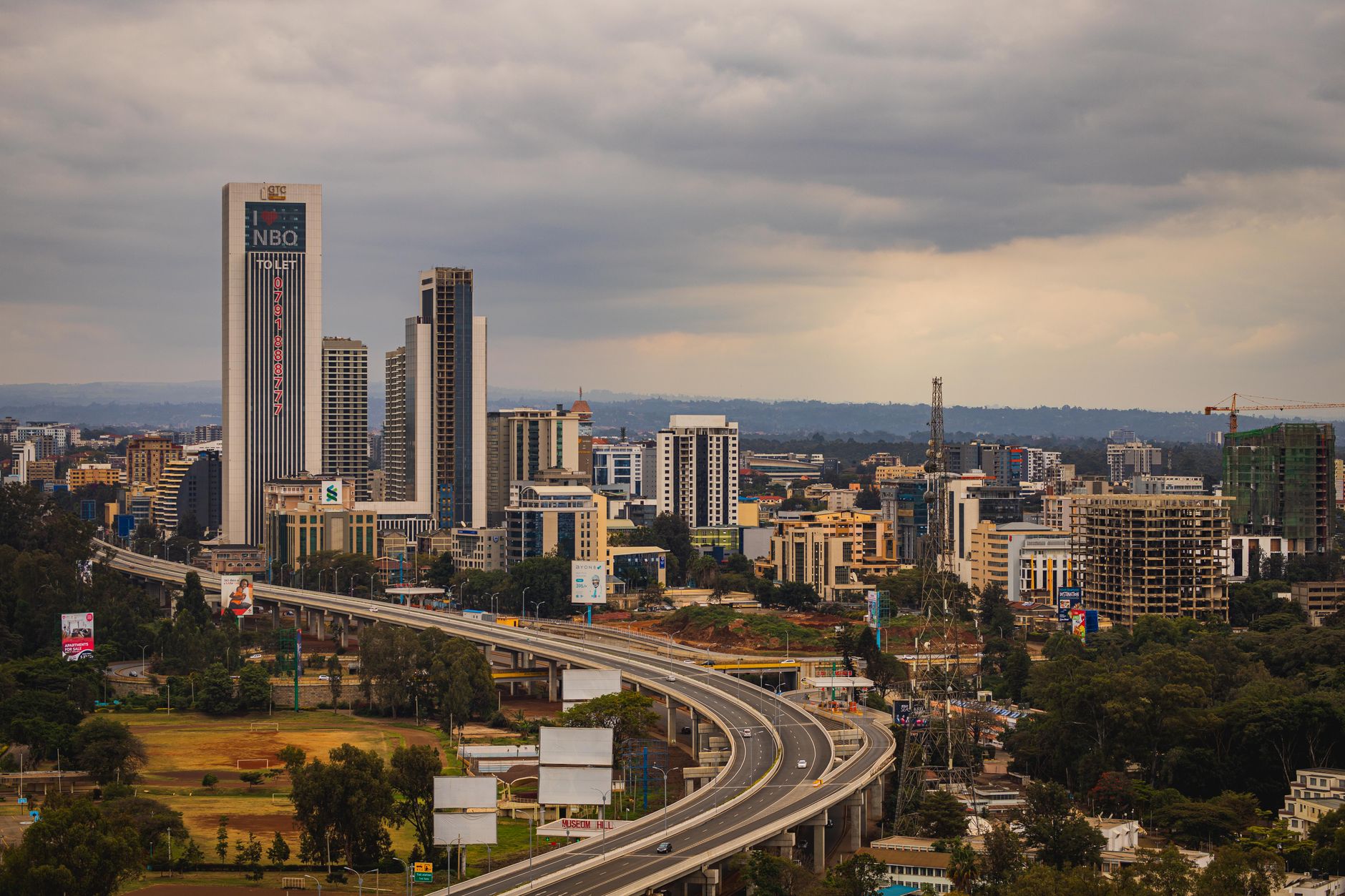
Deciding between Nairobi vs Muscat for your next trip involves weighing distinct cultural experiences, natural attractions, and travel styles. Nairobi, Kenya's capital, delivers an energetic urban safari adventure with unparalleled wildlife encounters and a lively atmosphere. Muscat, the capital of Oman, offers a more tranquil, luxurious journey into Arabian heritage, dramatic desert landscapes, and pristine coastline.
Quick Facts: Nairobi vs Muscat
| Feature | Nairobi, Kenya | Muscat, Oman |
|---|---|---|
| Cost Level | Mid-range to Budget-friendly | Mid-range to Luxury |
| Best For | Wildlife, adventure, cultural immersion, lively nightlife | Culture, relaxation, natural beauty (wadis, desert), luxury travel |
| Typical Weather | Mild "eternal spring" climate year-round (approx. 18-25°C), two rainy seasons (March-May, Oct-Dec) | Hot desert climate. Very hot summers (May-Sept, 35-45°C+), mild winters (Oct-April, 20-30°C) |
| Getting Around | Ride-hailing (Uber/Bolt), matatus (local buses), taxis. Traffic can be heavy. | Rental car (recommended), taxis, ride-hailing (Oman Taxi/Otaxi). Limited public transport. |
| Crowds | Generally busy, especially in central areas and popular markets. Tourist sites can attract crowds. | Generally less crowded, serene atmosphere. Major landmarks can be busy during peak hours/seasons. |
| Food Scene | Diverse, from traditional Kenyan dishes (nyama choma, ugali) to international and Indian influences. | Omani cuisine (shuwa, halwa), fresh seafood, Middle Eastern, Indian, and international options. |
| Nightlife | Lively and extensive, with numerous bars, clubs, and live music venues. | More subdued, primarily hotel bars, shisha lounges, and family-focused entertainment. |
| Day Trips | Nairobi National Park, Giraffe Centre, Sheldrick Wildlife Trust, Great Rift Valley views, Hell's Gate National Park. | Wadi Shab, Bimmah Sinkhole, Nizwa Fort, Jebel Akhdar, Wahiba Sands desert. |
| Trip Length Needed | 4-7 days for city and local day trips; longer if combining with safaris further afield. | 4-7 days for city and local day trips; longer if exploring more of Oman's interior. |
Note: All prices are approximate in GBP (£) and should be checked closer to your travel date on official websites. Visa requirements and entry regulations can change; always confirm with the relevant embassy or consulate before booking.
Culture and Attractions
Nairobi: Wildlife and Urban Energy
Nairobi is unique for its proximity to wildlife, offering an "urban safari" experience. The most iconic attraction is Nairobi National Park, where you can see lions, rhinos, giraffes, and zebras with the city skyline as a backdrop. This accessibility makes it an exceptional destination for wildlife enthusiasts who have limited time.
Beyond the park, Nairobi offers deep cultural immersion. The Giraffe Centre allows you to get up close with endangered Rothschild's giraffes, while the David Sheldrick Wildlife Trust provides an opportunity to learn about elephant conservation and see orphaned baby elephants. For history and art, the Nairobi National Museum showcases Kenya's rich heritage, from prehistory to contemporary art.
The city's neighbourhoods each have their own character. Karen is known for its leafy streets, colonial history (Karen Blixen Museum), and wildlife sanctuaries. Westlands is a modern hub with shopping malls, restaurants, and a lively nightlife. Downtown Nairobi is a bustling commercial centre, offering a glimpse into daily Kenyan life.
Pro tip: To make the most of Nairobi National Park, book an early morning game drive. The animals are often more active at dawn, and you'll beat the heat and some of the crowds.
Muscat: Arabian Heritage and Serenity
Muscat, in contrast, is a city that blends traditional Arabian architecture with modern amenities, all while maintaining a remarkably serene atmosphere. The Sultan Qaboos Grand Mosque is a masterpiece of Islamic architecture, open to non-Muslim visitors (with appropriate dress code) and is a must-see for its intricate details and sheer scale.
The Al Alam Palace, the ceremonial palace of Sultan Qaboos, is guarded by the 16th-century Al Jalali and Al Mirani forts, offering a stunning photo opportunity along the waterfront. The Bait Al Zubair Museum provides insights into Omani culture and traditions through its extensive collection of artefacts, traditional costumes, and weaponry.
Mutrah, the old quarter of Muscat, is home to the atmospheric Mutrah Souq, where you can haggle for frankincense, textiles, jewellery, and spices. The Corniche, a waterfront promenade, is perfect for evening strolls with views of the harbour and mountains.
Muscat's appeal lies in its understated elegance and deep respect for tradition. You'll find fewer towering skyscrapers and more low-rise, cream-coloured buildings that blend harmoniously with the natural landscape.
Cost and Practicalities
Budgeting for Nairobi
Nairobi is generally a more budget-friendly destination compared to Muscat, though luxury options are also available. Accommodation can range from approx. £30-£60 per night for a decent mid-range hotel, to £100+ for upscale lodges or international chains. Food from local eateries or markets is very affordable, with a meal costing approx. £3-£8. Dining in mid-range restaurants might be approx. £10-£20 per person.
Transport via ride-hailing apps like Uber or Bolt is relatively inexpensive for city travel, with typical rides costing approx. £3-£10 depending on distance and traffic. Entrance fees for major attractions like Nairobi National Park (approx. £40-£50 for non-residents) and the Giraffe Centre (approx. £10-£15) are significant but offer excellent value for the experience.
English is widely spoken, especially in tourist areas and by younger generations. The local currency is the Kenyan Shilling (KES).
Budgeting for Muscat
Muscat typically falls into the mid-range to luxury travel bracket. A mid-range hotel might cost approx. £70-£120 per night, while luxury resorts can easily exceed £200-£300. Food prices vary; a meal at a local restaurant or cafe could be approx. £8-£15, while dining in upscale hotel restaurants will be significantly more, approx. £30-£60+ per person.
Transport is primarily by car. Renting a car is highly recommended for flexibility, with daily rates starting from approx. £25-£40 for an economy vehicle. Taxis and ride-hailing services are available but can add up if used frequently, with typical city rides costing approx. £5-£15. Entrance fees for attractions like the Sultan Qaboos Grand Mosque are free, while forts and museums might charge a small fee (approx. £1-£5).
Arabic is the official language, but English is widely understood in tourist areas, hotels, and by many service staff. The local currency is the Omani Rial (OMR), which has a high value.
Pro tip: In Muscat, consider renting a 4x4 if you plan to explore wadis or the desert interior, as many of these natural attractions require off-road capability. Always check road conditions before heading out.
Cuisine and Nightlife
Nairobi's Culinary Delights and Lively Evenings
Nairobi's food scene is a delightful mix of traditional Kenyan flavours and international influences. You must try nyama choma (roasted meat, typically goat or beef), often served with ugali (a maize flour porridge) and sukuma wiki (collard greens). Indian cuisine is also incredibly popular and widely available, reflecting Kenya's historical ties. For a modern take on local dishes or international fare, explore restaurants in areas like Westlands or Kilimani.
The nightlife in Nairobi is arguably one of the most vibrant in East Africa. Westlands and Kilimani are hotspots for bars, clubs, and lounges, offering everything from live music and jazz to DJ sets playing local and international hits. Weekends are particularly lively, with many venues staying open late into the night. You'll find a mix of locals and expatriates enjoying the city's energetic rhythm.
Muscat's Traditional Tastes and Calm Nights
Omani cuisine in Muscat is rich in flavour, often incorporating spices, rice, and slow-cooked meats. Signature dishes include shuwa (slow-cooked marinated lamb or goat, often prepared for special occasions), majboos (rice with meat and spices), and fresh seafood, particularly grilled fish. Don't leave without trying Omani halwa, a traditional sweet made from sugar, saffron, and nuts.
Muscat's nightlife is significantly more subdued than Nairobi's. The focus is more on family-friendly activities, cultural performances, and relaxing evenings. Alcohol is primarily served in licensed hotel bars and restaurants, which offer a more sophisticated and quiet atmosphere. Shisha lounges are also popular for socialising. If you're looking for loud clubs and late-night parties, Muscat may not be your ideal destination. Instead, embrace the calm of an evening stroll along the Mutrah Corniche or a traditional Omani coffee in a café.
Nature and Day Trips
Nairobi: Safari and Scenic Vistas
Beyond Nairobi National Park, the city serves as an excellent gateway to further natural wonders. A popular day trip involves heading towards the Great Rift Valley, offering breathtaking panoramic views from various viewpoints. You can also visit Hell's Gate National Park, one of the few Kenyan parks where you can cycle among wildlife like zebras, giraffes, and gazelles, or hike through dramatic gorges.
For a different perspective, consider a visit to Lake Naivasha, where you can take a boat trip to see hippos and various bird species, or explore Crescent Island on foot, walking among zebras and giraffes.
Muscat: Wadis, Deserts, and Mountains
Muscat is surrounded by stunning and diverse natural landscapes that are perfect for day trips. The iconic Wadi Shab is a popular destination for hiking, swimming in natural pools, and exploring caves. Nearby, the Bimmah Sinkhole offers a unique geological formation with crystal-clear turquoise waters for swimming.
Further afield, a trip to Jebel Akhdar (the Green Mountain) or Jebel Shams (Oman's highest peak) provides cooler temperatures and spectacular mountain scenery, including terraced farms and ancient villages. For a taste of the desert, the Wahiba Sands (Sharqiyah Sands) offers dune bashing, camel rides, and overnight camping experiences, typically arranged through tour operators.
Nairobi vs Muscat: Which is Right for You?
The choice between Nairobi vs Muscat ultimately depends on your travel priorities and interests.
- Choose Nairobi if:
- You prioritise unique wildlife encounters, especially an urban safari experience.
- You seek a more adventurous and culturally immersive trip with a lively, energetic atmosphere.
- You are travelling on a mid-range to budget-conscious budget.
- You enjoy vibrant nightlife and diverse culinary options, including local street food.
- You want to explore the Great Rift Valley and other natural parks easily accessible from a major city.
- Choose Muscat if:
- You prefer a serene, peaceful, and culturally rich Arabian experience.
- You appreciate stunning natural landscapes like wadis, mountains, and deserts, combined with pristine coastlines.
- You are looking for a mid-range to luxury travel experience with high standards of hospitality.
- You prefer a more relaxed evening atmosphere over bustling nightlife.
- You are interested in exploring historical forts, traditional souqs, and magnificent Islamic architecture.
Common Mistakes to Avoid
- Underestimating Nairobi traffic: Nairobi's traffic can be notoriously heavy. Always factor in extra travel time, especially during peak hours, when planning activities or airport transfers.
- Not dressing appropriately in Muscat: While Oman is generally tolerant, it's respectful to dress modestly, especially when visiting religious sites like the Grand Mosque or traditional areas like the souq. Shoulders and knees should be covered for both men and women.
- Not booking safaris/tours in advance for Nairobi: Popular wildlife excursions and safaris, especially during peak season, can fill up quickly. Book your tours and accommodation well in advance.
- Relying solely on public transport in Muscat: Muscat has limited public transport. Renting a car or planning taxi/ride-hailing use is essential for efficient sightseeing, particularly for day trips.
- Ignoring hydration in Muscat: Oman's desert climate, especially outside of winter, requires constant hydration. Always carry water, even for short excursions.
Plan your trip
Whether you choose the dynamic wildlife and culture of Nairobi or the serene beauty and Arabian heritage of Muscat, your adventure awaits. Build a personalised itinerary tailored to your interests and budget with Tripsora.
Frequently asked questions
Is Nairobi safe for tourists?
Like any major city, Nairobi has areas that require caution. Tourist areas and popular attractions are generally safe, but it's advisable to use ride-hailing apps for transport, avoid walking alone at night, and be aware of your surroundings.
What is the best time of year to visit Muscat?
The best time to visit Muscat is during the cooler winter months, from October to April, when temperatures are mild and pleasant for sightseeing and outdoor activities. Summers are extremely hot and humid.
Do I need a visa for Kenya or Oman?
Visa requirements vary by nationality for both Kenya and Oman. It is crucial to check the latest visa regulations with the respective country's embassy or consulate well before your planned travel dates.
Can I see the "Big Five" in Nairobi National Park?
Nairobi National Park is home to four of the "Big Five" (lion, leopard, buffalo, rhino). Elephants are not found in Nairobi National Park but can be seen in other Kenyan parks or at the Sheldrick Wildlife Trust.
What are the cultural norms to be aware of in Muscat?
Oman is a conservative Muslim country. Dress modestly, especially in public places; avoid public displays of affection; and be mindful of local customs, particularly during the holy month of Ramadan.