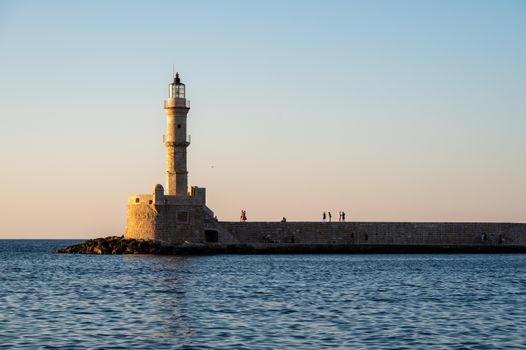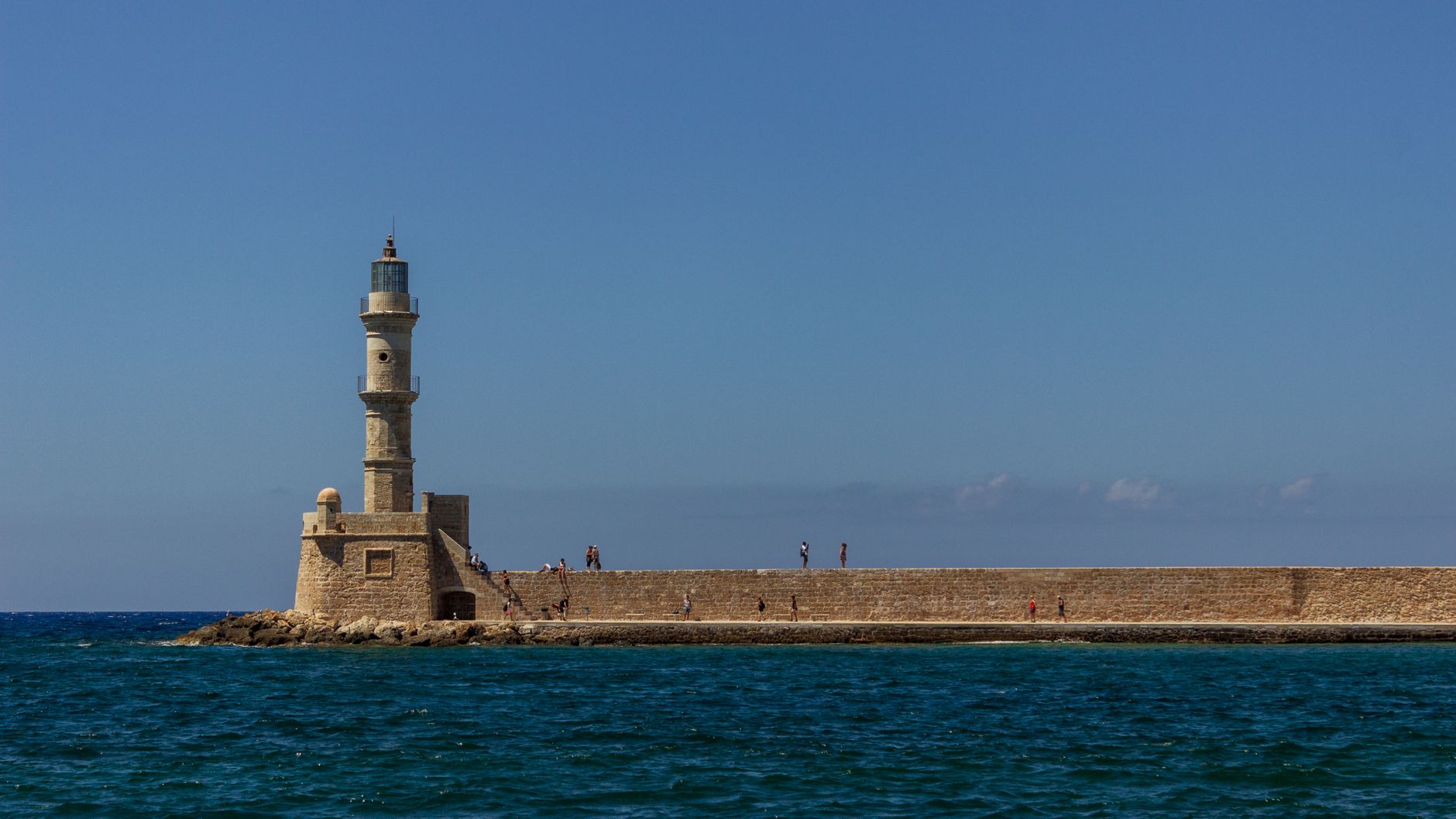
The Amalfi Coast is one of the most photographed stretches of Mediterranean shoreline, with cliffside villages, lemon terraces and narrow lanes that tumble toward the sea. Its popularity means that peak months can be crowded, prices can be high, and some villages feel more like stops on a schedule than places to stay. Many travelers therefore look for coastal towns that offer a similar sense of setting and character with a different pace. This guide explains how to judge alternatives, what to compare and how to plan a seaside stay that feels relaxed rather than rushed.
What makes the Amalfi Coast distinctive
Its appeal rests on a combination of features: steep terrain that drops straight into the sea, pastel houses clinging to slopes, and small harbors with boats moored close to the shore. Local food, citrus groves and a strong maritime heritage add to the sense of place. When looking for alternatives, it helps to identify which of these elements matter most to you. Some travelers want dramatic cliffs, others prefer walkable village centers or quiet beaches. Clarity on priorities makes comparison much easier.
Coastal regions worth comparing
Several parts of the Italian and wider Mediterranean coast offer comparable scenery. Some Ligurian villages have colorful harbors and terraced hillsides, while parts of the Sorrento peninsula and Cilento coast share cliff-backed views and historic centers. Along the Adriatic, certain towns offer old quarters, marinas and beaches with a different feel. Coastal areas in Spain, Croatia, Greece and beyond also have villages where steep streets meet clear water. Each region has its own transport network and season, so research carefully before committing.
Transport and access
Access is often the deciding factor. Some coastal towns are best reached by train and local bus, while others require a car or a boat connection. Narrow coastal roads can be slow and busy in summer, and parking may be limited. Check ferry schedules, which can be seasonal, and look at whether a town is connected to larger cities by rail. A slightly less dramatic village with good transport may suit you better than a famous location that is hard to reach.
Timing and seasonal crowds
Crowds are heavily seasonal along most popular coasts. Late spring and early autumn often bring milder weather, quieter beaches and easier restaurant bookings than the height of summer. Some seaside businesses close outside the main season, so confirm opening periods for hotels, restaurants and boat services before arriving. Weekday travel and early mornings can also make a difference in busy villages.
Accommodation and atmosphere
Accommodation choices range from small family-run hotels and guesthouses to self-catering apartments. Staying within a village center means you can walk to the harbor in the evening, while properties on higher ground may offer views but require more climbing. Read recent guest feedback about noise, stairs and access, since steep paths can be tiring with luggage. Look for places that support local businesses and seasonal workers, which contributes to a more sustainable visit.
Making the most of a coastal base
Spend unhurried time in a single town rather than moving every day. Take a morning walk along the harbor, try local dishes made with regional ingredients, and visit smaller beaches early before the day-trip crowds arrive. Boat excursions can reveal the coastline from the sea, and many villages offer walking trails with views over the water. Check trail conditions and weather before setting out, as some paths are exposed and steep.
Practical tips
Compare two or three towns side by side using a short list of criteria: transport, walkability, beaches, seasonal opening and accommodation style. Book ferries and popular restaurants in advance when travel is busy. Carry water and a hat for coastal walks, and wear footwear with good grip for uneven stone steps. Verify current opening hours and any local rules about beach access, such as restrictions on umbrellas or sunbeds in certain zones. Budget for variable prices, which can be higher near the main attractions.
Who This Suits and Who It Doesn't
Coastal towns that offer an Amalfi-style setting tend to suit travelers who enjoy walking, sitting by the harbor and taking time over meals. People who are happy to base themselves in one place and explore by foot or local boat often find that these towns reward a slower pace. Those interested in small-scale hospitality, family-run restaurants and quieter beaches may also enjoy the atmosphere of a less well-known village.
They may be less suitable for travelers who need many lively nightlife options, large hotels or easy car parking. Steep streets and stone steps can be difficult for visitors with limited mobility, and some villages have limited bus links. Families with young children may find that the best beaches are reached by narrow or uneven paths. If your priority is a dense social scene or a seamless transport connection, a larger town with more services may be a better match. It helps to decide early which kind of seaside stay you actually want.
Frequently Asked Questions
Are alternative coastal towns always cheaper?
Not necessarily. Prices vary with season, accommodation type and the popularity of the location. Compare costs for the exact dates you plan to travel rather than relying on general impressions.
Is it possible to visit several towns in one trip?
Yes, but travel between them can take longer than the map suggests. Ferries may run only seasonally, and coastal roads can be slow. Keep the number of stops modest and check timetables in advance.
Do these towns have good beaches?
Some do, while others have pebbles, rocks or small coves. Check beach descriptions and access routes, and confirm whether any facilities such as sunbeds or umbrellas are available, since rules vary by area.
The Amalfi Coast will remain a classic choice, but it is far from the only place to find dramatic cliffs, harbors and village life. By focusing on what draws you to the shoreline and comparing practical details such as access and season, you can find a coastal town that offers much of the same magic at a pace that suits you.