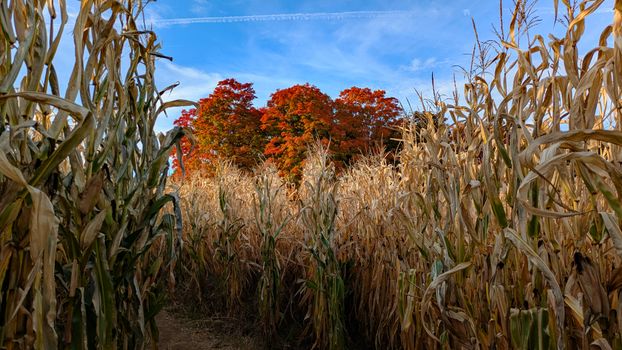
The air crisps, leaves ignite in fiery hues, and a certain magic settles over the landscape. For many, autumn means pumpkin spice lattes and cozy sweaters. For me, it means something far more primal, more deeply satisfying: the harvest. It’s a time when the earth generously offers up its bounty, and for those of us who yearn for a deeper connection to our food and the places we visit, it’s an open invitation.
I remember my first real harvest experience like it was yesterday. It wasn’t a grand European affair, but a simple apple-picking day in a small orchard in rural Vermont. The sun was warm on my back, the scent of ripe apples filled the air, and the satisfying thud as a perfectly red Macintosh dropped into my bag was a symphony. It wasn't just about the apples; it was about the feeling of being part of something ancient, something real. It was a stark contrast to the sterile supermarket aisles, and it ignited a passion in me: to chase the harvest around the globe.
In a world where we're increasingly disconnected from where our food comes from, participating in a harvest is a revolutionary act. It’s a chance to roll up your sleeves, get your hands dirty, and truly understand the labor, love, and tradition that goes into feeding us. These aren't just activities; they're immersive cultural experiences that reshape your perspective, introduce you to incredible people, and fill your soul (and your stomach!) with unforgettable memories.
So, if you're ready to trade your spectator status for an active role in some of the world's most vibrant agricultural traditions, grab your travel journal. Here are the autumn harvests you absolutely need to experience before you die.
The Grape Escape: Stomping Through Vineyards in Italy & France
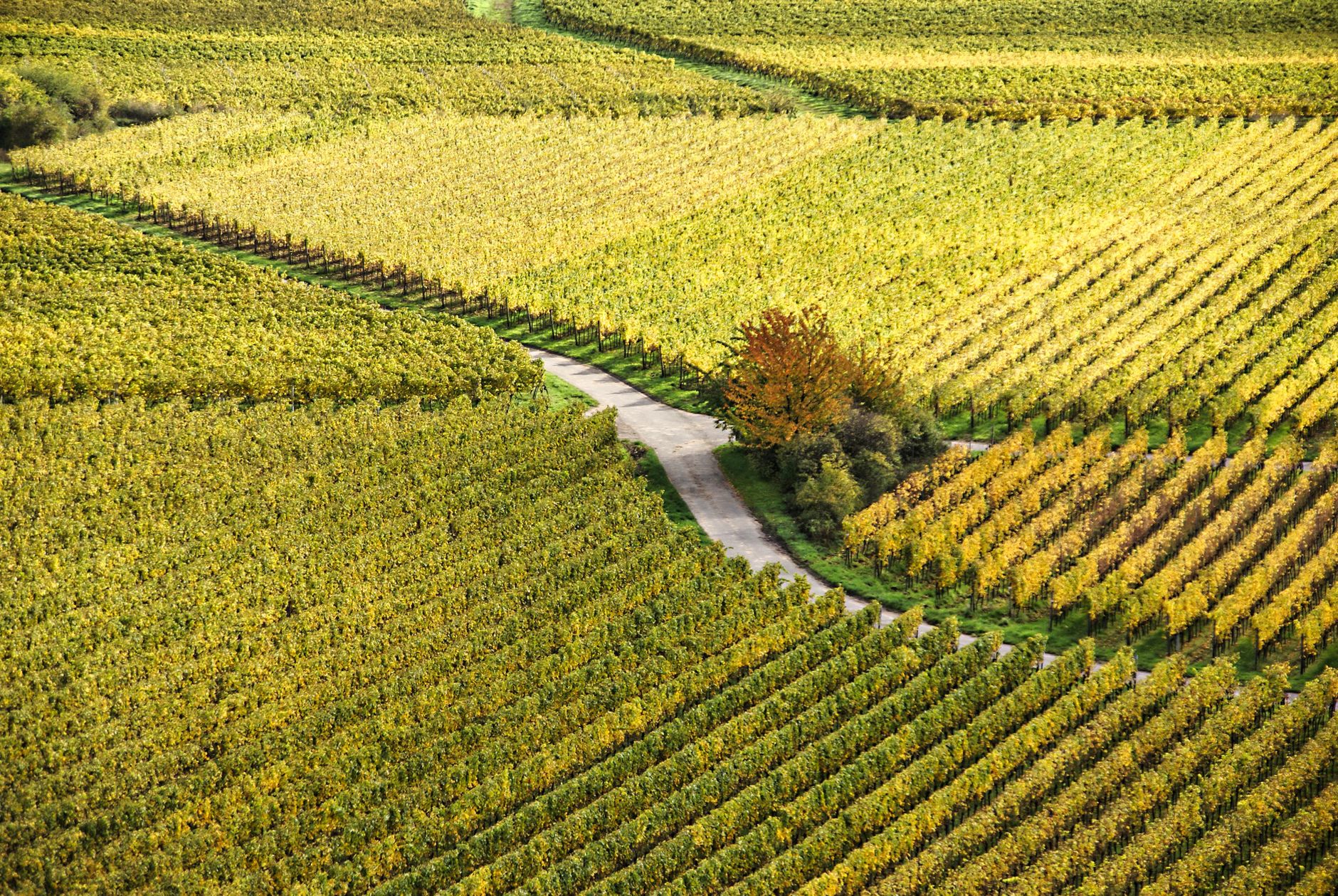
Imagine this: rolling hills draped in emerald and gold, the air thick with the sweet, intoxicating scent of ripe grapes, and the joyful laughter of people working together under the Tuscan sun. The grape harvest, or vendemmia in Italian and vendanges in French, is arguably the most iconic autumn agricultural event, and it's an experience that absolutely belongs on your bucket list.
This isn't just about picking grapes; it's about immersing yourself in centuries of winemaking tradition. Many vineyards, particularly smaller, family-run agriturismos in Italy or boutique wineries in France, open their doors to visitors who want to participate. You'll spend mornings in the vineyards, learning the delicate art of hand-picking grapes, feeling the weight of the plump clusters, and understanding the meticulous care that goes into selecting the perfect fruit.
But the real magic often happens back at the winery. While modern machinery has largely replaced the age-old practice, some places still offer the chance for a traditional grape stomp. Yes, you read that right – feet in barrels, crushing grapes to release their sweet, sticky juice! It’s messy, it’s exhilarating, and it’s an incredible photo opportunity that will have your Instagram followers green with envy. After the stomping (or watching the pressing), you’ll often be treated to a hearty, home-cooked meal, paired, of course, with the vineyard’s own wines. The taste of fresh must (unfermented grape juice) is a revelation, a sweet promise of the wine to come.
Where to Go:
* Tuscany, Italy: Regions like Chianti, Montalcino, and Montepulciano are famous. Look for agriturismos that offer "vendemmia packages."
* Bordeaux & Burgundy, France: Iconic regions with many châteaux offering harvest experiences.
* Napa Valley, California, USA: Many vineyards offer "crush camps" or harvest experiences.
When to Go:
Late August to early October, depending on the region and grape variety.
Cost:
Varies widely. Some agriturismos include harvest participation in their room rates (around €100-€300/night), while dedicated winery experiences can range from €50-€200 for a day, including lunch and tasting.
Tripsora Tip:
Wear old clothes and comfortable, closed-toe shoes for vineyard work. If you plan to stomp, bring a towel and a change of clothes! Book well in advance, as these experiences are highly sought after. Don't be shy – ask questions! The winemakers love sharing their passion.
Golden Liquid Gold: Embracing the Olive Harvest in Greece & Italy
The Mediterranean sun, the ancient gnarled olive trees, and the promise of that vibrant, peppery first press – the olive harvest is a deeply rooted tradition that connects you to the very soul of these sun-drenched lands. While perhaps less overtly "fun" than grape stomping, the olive harvest offers a profound sense of connection to history, land, and a cornerstone of the Mediterranean diet.
Participating in an olive harvest is a truly grounding experience. You’ll spend your days under the gentle autumn sun, often using long poles to gently tap branches, coaxing the ripe olives onto nets spread beneath the trees. It’s meditative work, punctuated by the rhythmic rustle of leaves and the satisfying plink of olives hitting the nets. You’ll learn to distinguish between different varieties, understand the optimal ripeness, and appreciate the patience required for this ancient craft.
After gathering the olives, the next step is often a visit to the local olive mill. This is where the magic truly happens. Watching the olives being cleaned, crushed, and then pressed into that glorious, emerald-green oil is mesmerising. The aroma alone is intoxicating – fresh, grassy, and utterly alive. And then, the tasting. Dipping a piece of crusty bread into the freshly pressed, slightly cloudy "new oil" is a moment of pure culinary bliss. It's a taste sensation unlike anything you'll find in a supermarket, bursting with flavour and a peppery finish that lingers on your palate. Many farms offer cooking classes or meals featuring their fresh oil, further cementing the experience.
Where to Go:
* Crete, Greece: Known for its ancient olive groves and robust olive oil culture. Many family farms welcome visitors.
* Puglia, Italy: The "heel" of Italy is covered in centuries-old olive trees and offers numerous farm stays (masserie) that host harvest experiences.
* Andalusia, Spain: The world's largest olive oil producer, with many opportunities for agritourism.
When to Go:
Late October to early December, depending on the region and desired oil characteristics.
Cost:
Farm stays offering olive harvest experiences can range from €80-€250/night, often including meals and participation. Day tours to mills and groves might cost €40-€100.
Tripsora Tip:
Wear comfortable, durable clothing and sturdy shoes suitable for walking uneven terrain. Bring a hat and sunscreen, even in autumn. If you want to bring home some fresh oil, check airline regulations for liquids in your luggage!
A Bushel of Joy: Apple Picking & Cider Pressing in the USA & UK
For a quintessential autumn experience that’s often closer to home, look no further than the humble apple harvest. This is where many of us first connected with the idea of "harvest," and it remains a deeply nostalgic and incredibly satisfying activity, perfect for families, friends, or a solo day of peaceful reflection.
Across the United States and the United Kingdom, orchards burst with ripe apples in the fall, inviting visitors for "U-pick" experiences. Armed with a basket and a sense of adventure, you wander through rows of trees laden with ruby reds, crisp greens, and golden yellows. The satisfying snap as you pluck an apple directly from the branch, still warm from the sun, is a simple pleasure that never gets old. It’s an instant connection to nature, and the sheer variety of apples available – from Honeycrisp to Granny Smith, Braeburn to Cox’s Orange Pippin – means you can taste your way through the orchard.
Many orchards also offer the chance to see (or even participate in) cider pressing. Watching apples transform into cloudy, sweet cider right before your eyes is fascinating. The smell of fresh cider is pure autumn bliss. Beyond the picking, these farms often turn into mini-festivals, complete with hayrides, corn mazes, pumpkin patches, and farm stands selling apple cider donuts, apple pies, and homemade jams. It’s a full sensory immersion into the heart of autumn.
Where to Go:
* Upstate New York, Vermont, New England (USA): Iconic regions for apple orchards, often paired with stunning fall foliage.
* Kent, Herefordshire, Somerset (UK): Known as the "Garden of England," these counties boast numerous traditional apple orchards.
* Normandy, France: Famous for its cider apples and calvados production.
When to Go:
Late August to late October, depending on the apple variety and local climate.
Cost:
Typically, you pay for what you pick, often by the pound or bushel (e.g., $2-3/lb or $20-30/bushel). Entrance to orchards is often free, though some larger farms might charge a small fee for activities like hayrides.
Tripsora Tip:
Check the orchard's website or call ahead for a "ripeness calendar" to ensure your favorite varieties are ready. Wear comfortable shoes and bring your own bags or baskets if you prefer. And definitely try an apple cider donut – they are legendary for a reason!
The Elusive Diamond: Hunting for Truffles in Piedmont & Provence
For those with a taste for luxury and a love for the thrill of the chase, the truffle hunt is an autumn harvest experience unlike any other. These subterranean fungi are among the world's most prized culinary ingredients, and finding them requires skill, patience, and the keen nose of a specially trained dog.
A truffle hunt is a truly magical adventure. You'll join a trifolau (truffle hunter) and their trusty dog, often in the misty, early morning hours, venturing into ancient forests. As you walk through the dappled sunlight, the hunter will explain the science and folklore behind truffles, the symbiotic relationship they have with certain trees (oaks, hazels, poplars), and the subtle signs that indicate a potential find. The real star, however, is the dog. Watching it methodically sniff the forest floor, its tail wagging with increasing excitement, until it finally begins to dig at a specific spot, is captivating.
When the dog indicates a find, the hunter carefully excavates the soil, revealing the bumpy, earthy treasure. The aroma that rises from the freshly unearthed truffle is intoxicating – a complex blend of musk, garlic, and damp earth. After the hunt, many experiences include a tasting, often a simple meal where the fresh truffle is shaved generously over pasta or eggs. It's an opportunity to truly appreciate the delicate, powerful flavour of this "diamond of the kitchen" and understand the effort and passion that goes into finding it. This is definitely an Instagram-worthy experience, capturing both the beauty of the forest and the unique bond between hunter and dog.
Where to Go:
* Alba, Piedmont, Italy: Home to the legendary White Truffle (Tuber magnatum pico), with a famous annual festival in October/November.
* Provence, France: Known for its Black Truffles (Tuber melanosporum), particularly in the Luberon and Vaucluse regions.
* Istria, Croatia: An emerging truffle region offering more affordable experiences.
When to Go:
* White Truffles (Italy): October to December
* Black Truffles (France): November to March (peak in winter, but early season hunts are available in autumn)
Cost:
Truffle hunts are often exclusive and can range from €100-€400 per person, depending on the region, duration, and whether it includes a meal or tasting.
Tripsora Tip:
Dress for the outdoors – layers, sturdy waterproof boots, and clothes you don't mind getting muddy. Be prepared for early mornings. Always respect the truffle dog; they are the true heroes of the hunt! Book with reputable, licensed truffle hunters.
Crimson Tides: Wading into the Cranberry Harvest in North America
Step into a world painted in vibrant crimson – the cranberry harvest is one of the most visually stunning and unique agricultural spectacles you can witness, let alone participate in. While less hands-on for visitors than other harvests, the sheer scale and beauty of the "wet harvest" makes it an unforgettable experience.
Cranberries grow on low-lying vines in sandy bogs. For the wet harvest, these bogs are flooded, and special machines gently agitate the water, causing the cranberries (which have air pockets) to detach from their vines and float to the surface. The result is a breathtaking sea of red berries, stretching as far as the eye can see – a photographer's dream!
While most farms don't allow public participation in the actual machinery operation, many offer bog tours where you can learn about the fascinating history and cultivation of cranberries. Some progressive farms even offer "wade in the bog" experiences, providing waders and allowing visitors to step directly into the sea of floating berries for incredible photo opportunities and a truly immersive (and chilly!) feel for the harvest. You'll learn about the unique ecosystem of the bogs, the journey of a cranberry from vine to table, and taste fresh cranberries and products. It's an opportunity to appreciate this often-overlooked fruit and the ingenious methods used to harvest it.
Where to Go:
* Massachusetts, USA: The birthplace of commercial cranberry cultivation, particularly around Cape Cod and Plymouth.
* Wisconsin, USA: The largest cranberry producer in the US, with many public tours and festivals.
* British Columbia, Canada: Significant cranberry production, with farms offering tours in the Fraser Valley.
When to Go:
Late September to late October.
Cost:
Bog tours typically range from $15-50 per person. "Wade in the bog" experiences are more exclusive and can cost $75-150.
Tripsora Tip:
Check farm websites well in advance, as "wade in the bog" opportunities are limited and book up fast. Bring waterproof outerwear and a camera with plenty of battery – you'll want to capture every angle of that stunning red landscape! Dress in layers, as bog mornings can be chilly.
The Golden Thread: Harvesting Saffron in Morocco & Spain
For a truly exotic and delicate harvest experience, consider the "red gold" of saffron. This precious spice, derived from the stigma of the saffron crocus flower, is the most expensive spice in the world by weight, and participating in its harvest is a lesson in patience, precision, and profound cultural appreciation.
The saffron harvest is a quiet, meditative affair. Unlike the boisterous grape or olive harvests, this work demands a gentle touch and keen eyesight. You'll join local farmers, often women, in the early morning light, just as the delicate purple crocuses begin to open. The task is to carefully pluck the entire flower, then sit down to painstakingly separate the three tiny, crimson stigmas from each blossom. It's a testament to human labour – it takes tens of thousands of flowers to yield just one pound of dried saffron.
This experience offers a deep dive into local life and the incredible value placed on this "golden thread." In places like Taliouine, Morocco, or La Mancha, Spain, saffron is not just a spice; it's a way of life, an economic backbone, and a source of immense pride. You'll learn about its ancient uses in medicine, dyeing, and cuisine, and appreciate the incredible effort behind every pinch of saffron in your paella or tagine. It’s an intimate, unhurried experience that highlights the beauty of micro-agriculture and the enduring connection between people and their land.
Where to Go:
* Taliouine, Morocco: Often called the "Saffron Capital" of Morocco, located in the Anti-Atlas Mountains. Local cooperatives welcome visitors.
* La Mancha, Spain: The largest saffron-producing region in Spain, with several farms offering harvest experiences.
* Krokos, Greece: A small town in northern Greece dedicated to saffron production.
When to Go:
Late October to early November, as the crocuses bloom for a short, intense period.
Cost:
Often part of a broader cultural tour or farm stay. Direct participation might be offered for a small fee (€20-50) or as part of a meal experience.
Tripsora Tip:
This is delicate work, so patience is key. Engage with the local farmers – their stories are as rich as the spice itself. Be prepared for early starts, as the flowers must be picked before the sun becomes too strong. Consider purchasing saffron directly from the farmers; it's often more authentic and supports the local community.
Your Harvest Adventure Awaits: Practical Tips for Immersive Travel
Embarking on a harvest adventure is more than just a trip; it's an education, a connection, and a memory in the making. To ensure your experience is as rich and rewarding as possible, here are a few universal tips:
- Book Ahead: Harvest seasons are short and popular. Many farms and agriturismos have limited capacity, so secure your spot months in advance.
- Dress for the Job: Expect to get dirty, sticky, or wet. Layers are always a good idea, as are comfortable, sturdy, closed-toe shoes. A hat, sunscreen, and insect repellent can also be lifesavers.
- Be Respectful: You are a guest on someone's livelihood. Listen to instructions, treat the land and equipment with care, and respect local customs and traditions.
- Ask Questions: Farmers and producers are passionate about their work. Engage with them, ask about their techniques, their challenges, and their history. You'll learn so much more than if you just observe passively.
- Embrace the Unexpected: Weather can change, plans might shift, and the work can be harder than you imagine. Go with an open mind and a flexible attitude, and you'll find joy in every twist and turn.
- Capture the Moments (Responsibly): These are incredibly Instagram-worthy experiences! Take photos and videos, but always be mindful of not interrupting the work or invading anyone's privacy. Ask permission if unsure.
- Support Local: Purchase products directly from the farm or local markets. Not only do you get fresh, authentic goods, but you also directly support the communities you're visiting.
- Stay Hydrated: Physical work, even in cooler autumn temperatures, requires plenty of water.
The Ultimate Crop: Memories
Participating in an autumn harvest isn't just about picking fruit or finding a rare spice; it's about picking up a piece of the world's soul. It's about reconnecting with the earth, understanding the origins of your food, and forging bonds with people who live by the rhythms of nature. These are the kinds of travel experiences that don't just fill your photo album; they fill your spirit. They teach you patience, resilience, and the profound satisfaction of honest work.
So, as the days shorten and the leaves begin their spectacular dance, don't just watch from the sidelines. Step into the fields, roll up your sleeves, and become part of something truly extraordinary. Which autumn harvest will you chase first? Share your dreams and plans in the comments below! And don't forget to tag a friend who needs to experience this earthy magic with you!
---