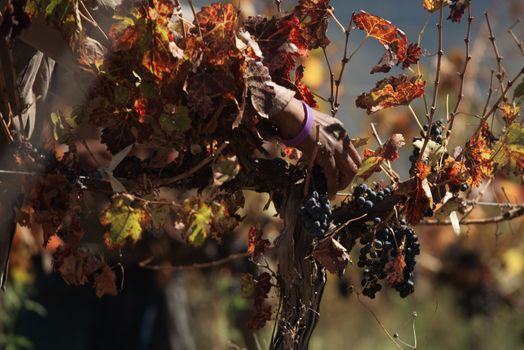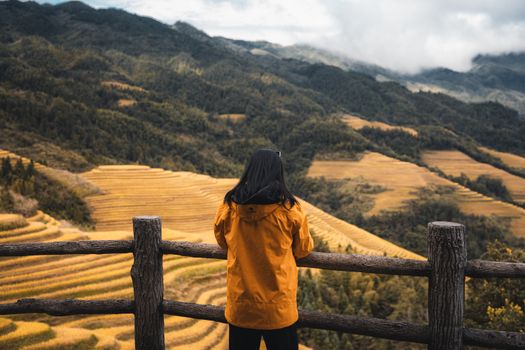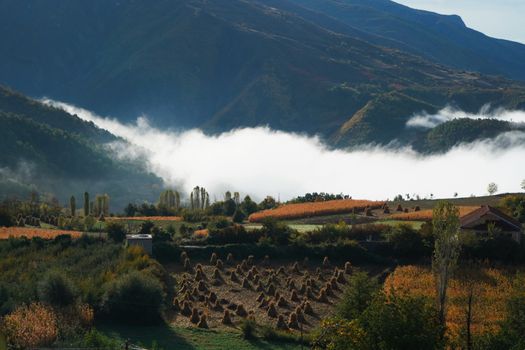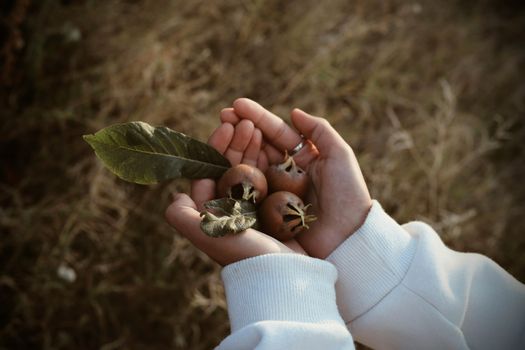
The crisp autumn air, the vibrant tapestry of changing leaves, the comforting scent of woodsmoke – it’s a season that whispers of coziness and tradition. But let’s be honest, how many more pumpkin patches can one person visit? How many apple orchards can you trek through before they all start to blend into one sweet, cidery blur?
Don’t get me wrong, I love a good apple fritter as much as the next travel blogger, but my wanderlust craves something deeper, something more authentic, something… unpicked. A few years ago, I found myself in a tiny village in Puglia, Italy, watching an elderly woman meticulously hand-picking olives from an ancient tree, her face etched with a lifetime of sun and wisdom. It wasn't a tour; it was just life happening. And in that moment, I realized that the true magic of autumn wasn't just consuming the harvest, but participating in it.
That simple encounter sparked a new obsession: finding and experiencing unique autumn harvests that allow travelers to roll up their sleeves, get their hands dirty (literally!), and connect with the land in a way that’s rapidly disappearing in our fast-paced world. These aren't your typical tourist traps; these are invitations to join local traditions, learn ancient skills, and savor the fruits of your own labor. And the best part? You can still get in on these incredible experiences before they hit the mainstream travel guides.
Ready to trade your basic fall itinerary for an unforgettable adventure? Let's dive in.
*
1. The Golden Threads of Saffron: Greece's Crimson Harvest
Imagine a field awash in a sea of delicate purple flowers, their vibrant crimson stigmas shimmering in the morning sun. That’s the breathtaking sight of a saffron crocus field in Krokos, Greece, during its fleeting harvest season. Saffron, the world’s most expensive spice by weight, is a labor of love, and participating in its harvest is an exercise in patience, precision, and pure wonder.
My first time in Krokos, a small town in northern Greece (Kozani regional unit), was pure serendipity. I’d heard whispers of this "red gold" and its intense harvest, typically from late October to early November, lasting only about two to three weeks. I found a small family farm, "Saffron Hills," run by the charming Papageorgiou family, through a local guesthouse recommendation. Their fields, bursting with millions of tiny purple blooms, were an Instagram dream come true – but the real magic was in the work.
Each crocus flower yields just three tiny stigmas, which must be carefully plucked by hand. I spent hours hunched over, my fingers stained crimson, learning the delicate art of separating the precious threads. It’s back-breaking work, but the camaraderie among the harvesters, the shared laughter, and the knowledge that you’re contributing to a tradition centuries old, makes it incredibly rewarding. After the harvest, we gathered in their rustic farm kitchen, sipping saffron-infused tea and learning how the stigmas are dried over low heat – a crucial step that intensifies their flavor and aroma.
Practical Tips for Your Saffron Adventure:
* When to Go: Late October to early November. The harvest window is tight, so plan flexibly.
* Where to Stay: Look for agrotourism accommodations or small guesthouses in and around Krokos. Some farms, like "Saffron Hills" (search online for contact info), might offer informal participation or tours.
* What to Bring: Comfortable, sturdy shoes (you'll be walking through fields), a wide-brimmed hat, and a camera to capture the stunning purple landscapes. Your hands will get stained, so maybe not your favorite white shirt!
* Cost: Direct participation is often free if you stay at a farm, or part of a larger farm-stay package. Dedicated tours can range from €50-€150 for a half-day experience including a tasting.
* Beyond the Harvest: Explore the charming town of Krokos, visit local markets for saffron products, and enjoy traditional Greek cuisine infused with this precious spice. Don't miss the local honey and "tsipouro" (a strong spirit).
*
2. Hunting for Black Gold: Truffle Foraging in Istria, Croatia
There's nothing quite like the thrill of a treasure hunt, especially when the treasure is an aromatic, earthy truffle. While Italy and France are famous for their truffles, the Istrian peninsula in Croatia offers an equally rich, and arguably more accessible, experience without the crowds. This is a sensory adventure – the damp forest floor underfoot, the crisp autumn air, and that unmistakable, intoxicating scent of truffle.
My first truffle hunt in Istria, near the medieval town of Motovun, was with a local family who have been foraging for generations. We met at dawn in a misty forest, where their eager Lagotto Romagnolo dogs, Luna and Max, were already bouncing with anticipation. Truffle season in Istria typically runs from late September through December for white truffles (the most prized) and year-round for black truffles, with autumn being prime time for both.
Our guide, Marko, explained that the dogs are the true heroes, sniffing out the subterranean fungi with incredible precision. Watching Luna furiously dig, then Marko carefully unearth a knobbly, aromatic black truffle, was pure magic. The smell that wafted up from the earth was incredible – a complex mix of garlic, musk, and damp soil. We spent a glorious morning following the dogs, learning about the different types of truffles, the symbiotic relationship they have with oak and hazelnut trees, and the importance of sustainable foraging.
After the hunt, we returned to Marko’s family home for a feast. We grated fresh truffles over homemade pasta, scrambled eggs, and even a simple bruschetta. The taste was phenomenal, a true "farm-to-table" (or "forest-to-table") experience.
Practical Tips for Your Truffle Hunt:
* When to Go: White truffle season is generally late September to December. Black truffles are found year-round, with peak autumn harvests.
* Where to Book: Reputable truffle hunting tours are offered by families like the Karlić Tartufi or Zigante Tartufi in Istria. Book in advance!
* What to Bring: Sturdy, waterproof hiking boots are a must, as you'll be walking through potentially muddy forest terrain. Dress in layers, as mornings can be chilly.
* Cost: Truffle hunting experiences typically range from €80-€200 per person, often including a tasting or full meal afterward.
* Beyond the Hunt: Explore the charming hill towns of Istria like Motovun and Grožnjan, known for their artisan shops and stunning views. Indulge in truffle-infused dishes at local taverns.
*
3. Liquid Gold from the Grove: Artisanal Olive Picking in Puglia, Italy
When I think of autumn in Italy, my mind often drifts to rolling vineyards. But my heart goes to the ancient olive groves of Puglia, the "heel" of Italy’s boot. This region is blanketed with millions of olive trees, some dating back thousands of years, their gnarled trunks telling stories of generations. While large-scale olive harvesting is mechanized, many smaller, family-run masserie (fortified farmhouses) still practice traditional hand-picking, offering an incredibly authentic and peaceful experience.
I found myself at Masseria Cervarolo, a breathtakingly beautiful historical farm stay near Ostuni, during their harvest season in late October/early November. The air was filled with the gentle rustle of leaves and the earthy scent of ripe olives. My host, a passionate olive oil producer named Giovanna, invited me to join her family and a few other guests in their ancient grove.
Armed with nets and small hand rakes, we carefully "combed" the olives from the branches, letting them fall onto the nets spread beneath the trees. It was meditative work, made even more enjoyable by the warm Puglian sun and the occasional burst of laughter. The joy of seeing the nets gradually fill with plump, green, and purple olives was immense.
The highlight, however, was witnessing the olive pressing. We took our freshly picked olives to a local frantoio (olive mill), where they were immediately cold-pressed. Watching the golden-green liquid stream out, smelling its peppery aroma, and then tasting the vibrant, slightly bitter "new oil" (olio nuovo) on a piece of crusty bread – it was an epiphany. This wasn't just food; it was liquid history, sunshine, and hard work.
Practical Tips for Your Olive Adventure:
* When to Go: Late October to mid-November is prime time for hand-picking, though it can vary by year and olive varietal.
* Where to Stay: Search for "agriturismo Puglia olive harvest" or "masseria Puglia olive picking." Many offer multi-day experiences including accommodation, meals, and harvest participation. Masseria Cervarolo or Masseria Il Frantoio are excellent starting points.
* What to Bring: Comfortable clothes that you don't mind getting a little dusty/oily, sturdy shoes, and a hat.
* Cost: Often included as part of an agriturismo stay (e.g., €100-€250 per night including meals and activities). Some day tours might be available for €50-€100.
* Beyond the Harvest: Explore Puglia’s stunning white-washed towns (Ostuni, Alberobello), pristine coastline, and incredible food scene. Don't forget to stock up on fresh olive oil!
*
4. A Sea of Crimson: Cranberry Bog Harvest in Wisconsin, USA
Forget everything you think you know about picking berries. The cranberry harvest is an entirely different beast – a spectacular, vibrant, and incredibly unique experience. While New England often gets the spotlight, Wisconsin is actually the leading cranberry producer in the US, and their harvest season is a sight to behold, especially during the wet harvest method.
I ventured to Warrens, Wisconsin, often called the "Cranberry Capital of the World," in late September/early October for their annual Cranberry Festival. While the festival itself is a huge draw, many smaller family farms offer tours and even opportunities to wade into the bog. I connected with a local farmer, Jim, who runs a small operation called "Cranberry Creek Farm."
The wet harvest involves flooding the cranberry beds, which causes the berries (which have tiny air pockets) to float to the surface. Then, special water reels, affectionately called "eggbeaters," churn the water, detaching the berries from the vines. Seeing acres of water turn a brilliant, impossible crimson as millions of cranberries rise to the surface is genuinely breathtaking – it’s like walking into a painting.
Jim offered a "bog-wading" experience, which meant donning chest waders and stepping into the chilly, knee-deep water filled with floating berries. The sensation was surreal – a soft, bouncy carpet of tart red gems surrounding you. I spent an hour just floating, scooping, and marveling at the sheer volume of berries. It's incredibly photogenic and wildly fun, a truly immersive experience that leaves you smelling faintly of cranberries for days.
Practical Tips for Your Cranberry Adventure:
* When to Go: Late September to mid-October. The Warrens Cranberry Festival is usually the last weekend of September.
* Where to Go: Warrens, Wisconsin, is a great hub. Look for smaller farms offering tours or "bog-wading" experiences. Some larger operations like Valley Corp also offer tours.
* What to Bring: Waders (some farms provide them, but check ahead), warm layers, waterproof camera or phone case, and a sense of adventure.
* Cost: Bog tours can range from free to $50, with "wading" experiences sometimes costing a bit more. The Warrens festival is free to enter.
* Beyond the Harvest: Explore Wisconsin’s scenic autumn drives, visit local cranberry marshes for fresh juice and products, and enjoy the small-town charm.
*
5. The Forest's Bounty: Chestnut Gathering in the French Cévennes
There’s something inherently cozy and communal about gathering chestnuts. It evokes images of crackling fires, hearty stews, and a simpler time. While many associate chestnuts with holiday markets, participating in their harvest in a place like the Cévennes National Park in Southern France (or Tuscany, Italy) offers a deeper connection to this ancient food source and its cultural significance.
The Cévennes region, a UNESCO World Heritage site, is often called the "Land of the Chestnut." For centuries, chestnuts were a staple food, sustaining communities through harsh winters. The harvest, typically from late September to early November, is still a cherished tradition.
I stumbled upon a small, family-run châtaigneraie (chestnut grove) near Florac, deep within the Cévennes, during a hiking trip. The air was crisp, the autumn leaves a riot of gold and russet. The farmer, an elderly gentleman named Jean-Pierre, was out with his family, methodically collecting the spiky burrs that had fallen from the ancient trees. He waved me over, and with a smile, handed me a pair of thick gloves and a small bucket.
The process is deceptively simple: find a burr, carefully extract the glossy brown chestnuts inside, and collect them. But it’s also a treasure hunt, requiring a keen eye and a bit of patience. I spent a delightful afternoon under the canopy of chestnut trees, filling my bucket, chatting with Jean-Pierre’s grandchildren, and feeling a profound sense of peace. Later, we roasted some over an open fire, their sweet, earthy aroma filling the air, and dipped them in local honey – a simple pleasure that felt incredibly rich.
Practical Tips for Your Chestnut Harvest:
* When to Go: Late September to early November.
* Where to Go: The Cévennes National Park in France is ideal. Look for small farms or guesthouses (chambres d'hôtes) that might offer informal participation. The "Fête de la Châtaigne" (Chestnut Festival) in various Cévennes villages throughout October is a great way to experience the culture.
* What to Bring: Sturdy walking shoes, thick gloves (essential for handling spiky burrs), a basket or bag for your bounty, and warm layers.
* Cost: Often free, especially if you find a friendly farmer or forage in designated public areas. Festivals usually have a small entry fee or free admission.
* Beyond the Harvest: Hike the stunning trails of the Cévennes, explore charming villages, and sample local chestnut products like flour, jams, and even beer.
*
6. The Fungi Frontier: Wild Mushroom Foraging in the Pacific Northwest, USA
For those who love a bit of culinary adventure and the quiet majesty of a temperate rainforest, wild mushroom foraging in the Pacific Northwest is an unparalleled autumn experience. This isn't just about finding food; it's about learning the intricate ecosystem of the forest, developing a keen eye, and understanding the delicate balance of nature.
My introduction to mushroom foraging happened in the lush, moss-draped forests of Oregon, near Portland, in mid-October. I joined a guided tour with a local mycologist, Sarah, who runs "Forest to Fork Forays." It's absolutely crucial to go with an expert when foraging mushrooms, as many edible varieties have poisonous look-alikes. This is one harvest where knowledge is literally life-saving!
The forest floor was a tapestry of fallen leaves, ferns, and decaying logs. Sarah taught us how to identify different species – the vibrant orange of chanterelles, the delicate fronds of maitake (hen of the woods), the robust caps of porcini (boletes). We learned about their preferred habitats, their unique characteristics, and the ethical rules of foraging (never over-harvest, leave small ones to grow, disturb the mycelial network as little as possible).
Finding my first cluster of golden chanterelles, peeking out from under a bed of moss, felt like discovering hidden gold. The earthy, almost fruity scent was intoxicating. The quiet concentration of the hunt, the thrill of discovery, and the profound respect for the forest ecosystem made it an incredibly grounding experience. That evening, we cooked our bounty simply, sautéing the chanterelles with garlic and butter, and the taste was sublime – fresh, intensely flavorful, and imbued with the memory of the forest.
Practical Tips for Your Mushroom Foray:
* When to Go: Mid-September to early November, depending on rainfall and temperature.
* Where to Go: The Pacific Northwest (Oregon, Washington) is a prime spot. Look for guided tours from local mycological societies or independent foraging experts (e.g., "Forest to Fork Forays," local outdoor adventure companies).
* What to Bring: A sturdy basket (allows spores to drop), a small knife, a brush for cleaning, waterproof hiking boots, rain gear (it is the PNW!), and a field guide (for reference, but rely on your guide!).
* Cost: Guided foraging tours typically range from $75- $150 per person for a half-day.
* Beyond the Harvest: Explore the stunning natural beauty of the PNW, from coastal towns to mountain ranges. Visit local farmers markets for more wild mushroom varieties (if you're not confident foraging yourself).
*
Embrace the Unbeaten Path This Autumn
These six unique autumn harvests are more than just activities; they are invitations to slow down, connect with the land, and experience the rich tapestry of local culture. They offer a tangible sense of accomplishment, a deeper understanding of where our food comes from, and memories that will last far longer than any pumpkin spice latte.
So, this fall, why not trade the familiar for the extraordinary? Which of these authentic, hands-on harvest experiences will you embrace first? Pack your bags, lace up your boots, and get ready to discover a whole new side of autumn travel – before everyone else does.
Ready to get your hands dirty? Share this post with a fellow adventurer and start planning your unique autumn harvest trip today!
---