The crisp air, the kaleidoscope of changing leaves, the scent of woodsmoke – autumn is undeniably magical. For many, it conjures images of pumpkin patches, cozy sweaters, and spiced lattes. But what if I told you there's a deeper, more exhilarating way to experience this golden season? What if you could not just witness the bounty of the harvest, but actively participate in it, getting your hands dirty and your soul nourished?
As a seasoned travel blogger, I’ve chased sunsets across continents and explored markets in every time zone, but nothing has quite "blown my mind" like the sheer joy and connection of a hands-on harvest experience. It’s more than just a photo op (though, trust me, the Instagram possibilities are endless!); it’s a visceral connection to the land, the food on your plate, and the generations of tradition that sustain it.
My first foray into this world was a few years ago, during a trip through Tuscany. I’d always romanticized grape stomping, but actually feeling the cool, burst grapes beneath my bare feet, surrounded by the sweet, intoxicating aroma of fermentation, was transformative. It wasn't just a fun activity; it was a profound realization of the effort, the community, and the love that goes into every bottle of wine. I left with purple-stained feet, a beaming smile, and a new mission: to uncover more of these incredible participatory harvest experiences around the globe.
So, if you’re ready to trade your basic fall itinerary for something truly extraordinary, buckle up. Here are seven mind-blowing autumn harvests you can participate in that will utterly redefine your definition of fall travel.
1. The Grape Escape: Vinification Dreams in Tuscany, Italy
Let’s start with the classic, but with a twist. While many tour groups offer "grape stomping," finding an authentic, hands-on experience often means digging a little deeper into agriturismo stays or smaller, family-run vineyards.
The Experience:
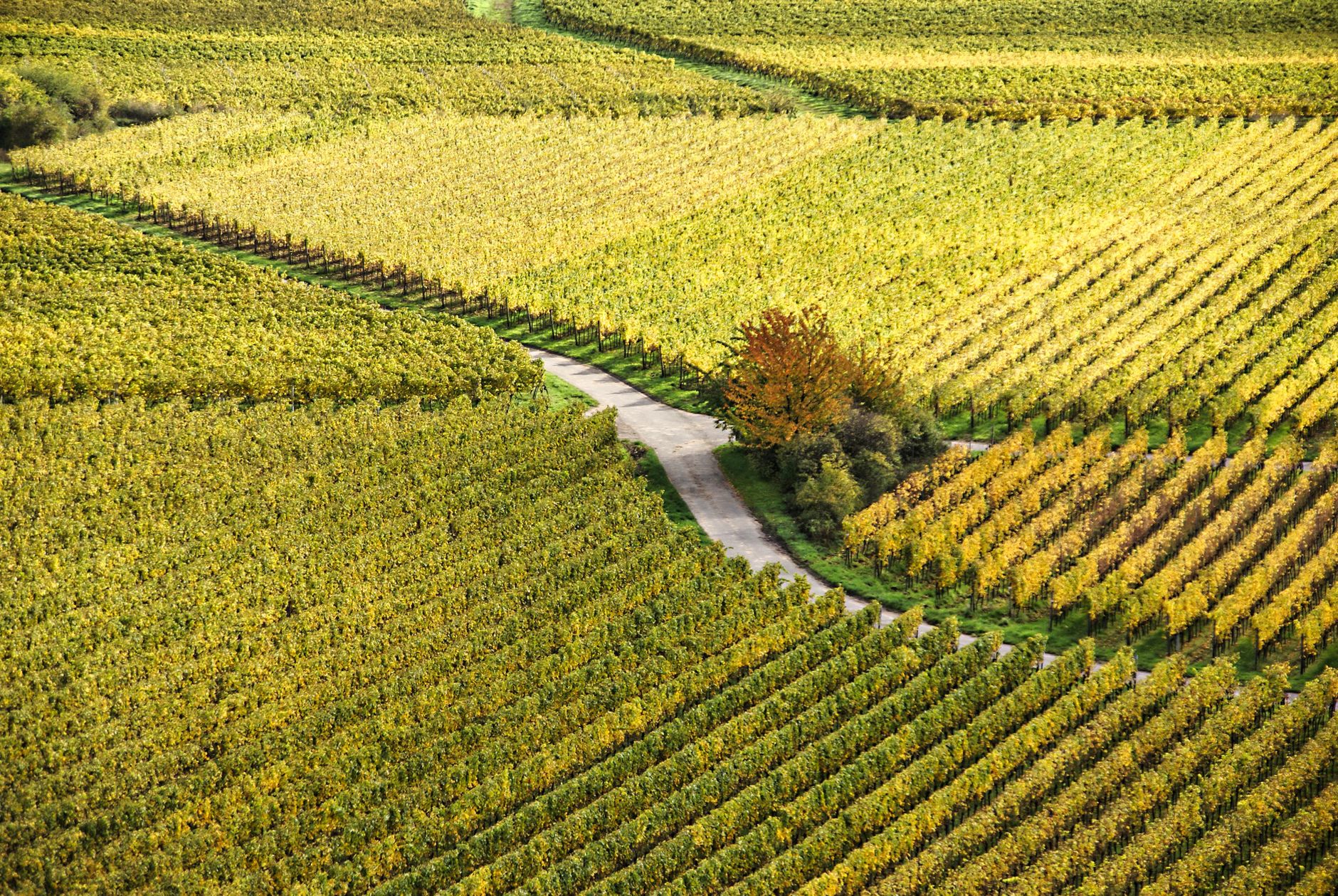
Imagine waking up in a rustic farmhouse, the morning mist still clinging to the rolling hills of Chianti. After a breakfast of fresh pastries and strong espresso, you join the family in their vineyards. Armed with clippers and baskets, you spend the morning carefully selecting ripe bunches of Sangiovese and Canaiolo grapes. The sun warms your back, the air hums with the buzz of insects, and the rhythmic snipping becomes a meditative soundtrack. Later, after a hearty lunch paired with the previous year's vintage, comes the main event: grape stomping. Yes, it’s messy, yes, it’s sticky, but feeling the fruit burst and release its sweet juice between your toes is an ancient, joyful ritual that connects you directly to the winemaking process. It’s pure, unadulterated fun, often followed by a tasting of the nascent must and, of course, the finished product.
My Story:
On that Tuscan trip, I found a small agriturismo near Greve in Chianti that specifically advertised a "vendemmia" experience. I spent a glorious morning picking grapes, chatting in broken Italian with the nonna of the family, learning about pruning and varietals. But the stomping… oh, the stomping! It was in an old stone vat, and the juice was already beginning to ferment, creating a heady, sweet-sour perfume. I laughed until my sides ached, my feet a mottled purple, feeling like I’d stepped back in time. That evening, sharing a meal with the family and fellow travelers, sipping their homemade wine, felt like the culmination of a truly personal journey.
Practical Tips:
* When to Go: Mid-September to early October is prime grape harvest season in Tuscany, though it varies slightly by region and grape varietal.
* Where to Find It: Look for "agriturismo con vendemmia" (agriturismo with grape harvest) or "esperienza vendemmia" online. Wineries like Fattoria di Maiano (near Fiesole) or Tenuta Torciano (San Gimignano) sometimes offer structured experiences. Smaller, family-run estates often provide more intimate opportunities.
* Cost: A full-day experience, including picking, stomping, lunch, and tasting, can range from €100-€250 per person, often including a take-home bottle.
* What to Bring: Comfortable clothes you don’t mind getting dirty (or purple!), sturdy shoes for the vineyard, and a change of clothes if you plan to stomp!
* Instagram Moment: Your purple feet in the vat, a basket overflowing with grapes, sweeping vineyard vistas.
2. Golden Liquid Gold: Olive Picking in the Peloponnese, Greece
Move over, wine – it’s time for the liquid gold of the Mediterranean: olive oil. The olive harvest is a cornerstone of Greek culture and cuisine, and participating offers a deep dive into ancient traditions.
The Experience:
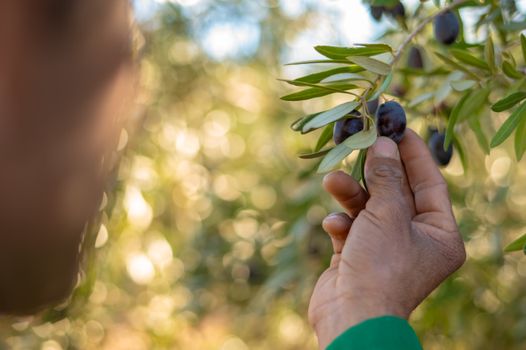
Autumn in Greece means the olive groves are heavy with fruit. Unlike the delicate grape harvest, olive picking often involves more robust methods. You might find yourself spreading large nets under ancient olive trees, then using long poles or even small handheld rakes to gently persuade the olives to fall. Alternatively, some farms still practice hand-picking for table olives, which is a slower, more meditative process. The air is filled with the earthy scent of leaves and ripe fruit. Afterwards, you might visit a local olive mill, watching the olives transform into vibrant green, peppery oil – a truly magical sight. The freshest olive oil, straight from the press, is unlike anything you’ve ever tasted.
My Story:
I spent a glorious week in the Mani region of the Peloponnese in late November. I connected with a local family through my guesthouse, and they invited me to join their harvest. It was hard work, but incredibly rewarding. We’d lay out huge nets, then use long sticks to gently tap the branches, watching the olives rain down like green and black pearls. The most memorable part was the midday break: a simple picnic of fresh bread, feta, tomatoes, and, of course, their family’s olive oil, drizzled generously over everything. The pride in their eyes as they showed me the golden stream from the olive press was infectious. I left with a newfound appreciation for every drop of olive oil.
Practical Tips:
* When to Go: Late October to early December is typically olive harvest season in Greece, varying by region and desired oil profile.
* Where to Find It: The Peloponnese (Kalamata, Mani, Laconia) and Crete are prime olive-growing regions. Many family-run agritourism accommodations offer harvest experiences. Websites like "Agreekculture" or "Responsible Travel" list options.
* Cost: Often included as part of an agritourism stay, or as a standalone half-day experience for €50-€150, sometimes including lunch and oil tasting.
* What to Bring: Sturdy shoes, work gloves (can be provided), comfortable clothing, and a hat.
* Instagram Moment: Ancient olive trees, nets filled with olives, the vivid green of fresh-pressed oil.
3. Ruby Red Bogs: Cranberry Floats in Massachusetts, USA
This is where "mind-blowing" truly comes into play. Forget everything you thought you knew about harvesting. The cranberry harvest is a spectacle of vibrant color and ingenious engineering.
The Experience:
Unlike most fruits, cranberries grow in bogs and are harvested using a unique "wet harvest" method. In late autumn, these bogs are flooded with water. Special water reels, like giant egg beaters, agitate the water, causing the cranberries to detach from their vines and float to the surface. The sight of millions of bright red berries bobbing on a shimmering expanse of water, often under a crisp blue sky, is utterly surreal and breathtaking. You can often participate by donning waders and stepping directly into the bog, helping to corral the floating berries with booms, pushing them towards a pump. It’s cold, wet, and incredibly exhilarating.
My Story:
I’d seen pictures of cranberry bogs, but nothing prepared me for the reality. I booked a tour with a working farm in Carver, Massachusetts. When I first saw the vast, flooded bog, a sea of crimson stretching to the horizon, my jaw dropped. Donning a pair of bright yellow waders that came up to my chest, I tentatively stepped into the cold water. The feeling of the buoyant berries brushing against my legs, the collective effort of pushing them towards the pump, and the sheer visual impact of it all was an experience I’ll never forget. It felt like walking on a giant, ruby-red carpet.
Practical Tips:
* When to Go: Late September to late October is prime cranberry harvest season in Massachusetts.
* Where to Find It: Southeastern Massachusetts is the heart of cranberry country. A.D. Makepeace Company in Carver, and Flax Pond Farms in Carver, are two of the largest and most well-known growers that offer tours and sometimes participatory experiences. Book well in advance!
* Cost: Tours typically range from $25-$75. Participatory experiences (like wading in the bog) are rarer and often more expensive, sometimes $100-$200+.
* What to Bring: Warm layers, waterproof outer shell, and enthusiasm. Waders are usually provided.
* Instagram Moment: Standing waist-deep in a sea of red cranberries, close-ups of the floating berries, the vast landscape of the bogs.
4. The Scent of Treasure: Truffle Hunting in Umbria, Italy
For the gourmand traveler, this experience is the ultimate autumn indulgence. Truffle hunting isn't about picking fruit; it's a thrilling, sensory adventure deep in the forest, guided by a four-legged expert.
The Experience:
Imagine venturing into a silent, ancient forest, the air thick with the scent of damp earth and decaying leaves. You’re not alone; by your side is a trained truffle dog, nose to the ground, tail wagging with anticipation. These dogs, usually Lagotto Romagnolos, are the true heroes, their keen sense of smell detecting the elusive fungi buried beneath the soil. When the dog signals a find, your heart pounds. You watch as the "tartufaio" (truffle hunter) carefully unearths the black or white gold, its pungent aroma immediately filling the air. It’s a treasure hunt like no other, culminating in a meal where the freshly found truffles are shaved generously over pasta or eggs.
My Story:
My truffle hunt near Norcia in Umbria was pure magic. Our guide, Marco, and his dog, Luna, were an incredible team. Luna, a scruffy Lagotto, darted through the undergrowth, occasionally pausing, sniffing intently, and then, with a frantic pawing, indicating a find. The thrill of seeing Marco carefully dig up a gnarled black truffle, feeling its rough texture, and inhaling its intoxicating aroma was unparalleled. That evening, sitting by a roaring fire, eating tagliatelle smothered in our truffles, felt like the culmination of a truly ancient and luxurious ritual.
Practical Tips:
* When to Go: Black truffles (Tuber aestivum) are found in summer and autumn (May-November), while the prized white truffles (Tuber magnatum pico) are harvested from late September to December.
* Where to Find It: Umbria (especially Norcia, Spoleto) and Piedmont (Alba) in Italy are famous. Acqualagna in Le Marche is another significant truffle center. Many agriturismi or specialized tour operators offer experiences.
* Cost: This is a premium experience. Expect to pay anywhere from €150-€500 per person for a hunt, often including a truffle-infused lunch or dinner.
* What to Bring: Sturdy, waterproof hiking boots, warm layers (forests can be chilly), and an adventurous spirit.
* Instagram Moment: The truffle dog in action, a freshly unearthed truffle in hand, a close-up of truffle shavings on pasta.
5. Threads of Gold: Saffron Harvesting in La Mancha, Spain
From the earthy depths to the delicate surface, saffron harvesting is a study in precision and patience. This "red gold" is the world's most expensive spice, and seeing how it's harvested is truly eye-opening.
The Experience:
Saffron comes from the stigma of the Crocus sativus flower. These beautiful purple flowers bloom for only a few short weeks in autumn, and the harvest is incredibly labor-intensive. You'll wake before dawn, heading to fields shimmering with dew and countless purple blooms. The task is to gently pluck each flower by hand. Back at the farm, often in a communal setting, the delicate work of "desmondado" begins: carefully separating the three tiny, crimson stigmas from each flower. It's painstaking, requiring immense patience and a steady hand, but the knowledge that you're handling threads of one of the world's most prized spices is incredibly rewarding.
My Story:
I found a small family farm near Consuegra in La Mancha, Spain, known for its saffron production. They invited me to join their early morning harvest. The sheer number of purple flowers was stunning, but what truly blew me away was the delicate work of separation. Sitting at a long table with the family, listening to their chatter, and meticulously extracting those tiny red threads felt like a privilege. It put into perspective why saffron is so expensive – it takes thousands of flowers to yield just a few grams of the spice. I left with a newfound appreciation for every paella and risotto.
Practical Tips:
* When to Go: Late October to mid-November is the saffron blooming season in La Mancha. The harvest is short and intense.
* Where to Find It: La Mancha, Spain (especially areas around Consuegra, Toledo, Albacete) is famous for its "Azafrán de La Mancha." Look for small, family-run farms or specialized agritourism operators. The Museo del Azafrán (Saffron Museum) in Consuegra can provide contacts.
* Cost: Often, participation is offered as part of a farm stay or a free educational experience, with the expectation you might purchase some saffron. Dedicated tours might cost €30-€80.
* What to Bring: Comfortable clothes, a hat, and a good camera for the vibrant purple fields. Your patience!
* Instagram Moment: Fields of purple crocuses at dawn, close-ups of the delicate red stigmas, hands carefully separating the threads.
6. The Crisp Crunch: Apple & Cider Harvests in Normandy, France
For a taste of rustic charm and delicious tradition, head to the apple orchards of Normandy. This isn't just about picking apples; it's about the art of cider and Calvados.
The Experience:
Normandy's rolling hills are dotted with apple orchards, the fruit destined not just for eating, but for transforming into exquisite ciders, poiré (pear cider), and the famous apple brandy, Calvados. You can participate in several ways: many farms offer "U-pick" experiences where you collect your own apples directly from the trees. More immersive experiences might involve helping to gather fallen apples (specifically for cider), watching or even assisting with the pressing process, and then, of course, the best part – tasting the fresh, unfiltered apple juice, the fermenting cider, and the aged Calvados. It's a journey from tree to glass, steeped in regional history.
My Story:
I have a soft spot for all things apple, so a trip to the Pays d'Auge region of Normandy during harvest was a must. I spent a glorious afternoon at a small "ferme cidricole" (cider farm). We walked through orchards heavy with fruit, learning about different apple varieties and their specific uses. Then, I got to help load apples into an old-fashioned press. The smell of fresh apple juice filling the air was intoxicating. After tasting the cloudy, sweet juice, I sampled a range of ciders – from dry to sweet – and finished with a warming glass of Calvados. It felt like stepping into an old storybook.
Practical Tips:
* When to Go: September and October are peak apple harvest months in Normandy.
* Where to Find It: Look for "Route du Cidre" (Cider Route) signs in the Pays d'Auge region. Many farms along this route offer direct sales, tastings, and sometimes harvest participation. Search for "ferme cidricole" or "cueillette de pommes" (apple picking).
* Cost: U-pick is usually by weight. Tours and tastings can range from €10-€50, with more in-depth experiences potentially higher.
* What to Bring: A basket or bag for your picked apples, comfortable walking shoes, and a healthy appetite for apples and cider!
* Instagram Moment: Orchards laden with apples, an old cider press, a flight of different ciders.
7. Wild Wonders: Mushroom Foraging in the Pacific Northwest, USA
For those who prefer their harvests a little wilder, the forests of the Pacific Northwest offer an exhilarating, albeit more challenging, experience: mushroom foraging.
The Experience:
This isn't your average U-pick farm. Mushroom foraging requires knowledge, patience, and a keen eye, best undertaken with an experienced guide. You'll venture into lush, moss-draped forests, learning to identify edible species like chanterelles, porcini, and morels, while carefully avoiding their poisonous counterparts. It's a slow, deliberate hunt, often involving getting down on your hands and knees to inspect the forest floor. The thrill of spotting a perfect specimen, nestled amongst the leaves and moss, is akin to finding hidden treasure. Afterwards, you might learn how to clean, preserve, or even cook your wild finds.
My Story:
I joined a guided foraging tour in the Olympic National Forest in Washington State one crisp October morning. Our guide, a grizzled local expert, taught us the cardinal rules of mushroom hunting: "When in doubt, throw it out!" The forest was incredibly serene, and the hunt felt like a meditative quest. I remember the sheer excitement of spotting my first vibrant orange chanterelle, perfectly formed and nestled at the base of a tree. We cooked our finds over a campfire later that day, the earthy aroma of the mushrooms filling the air. It was a primal, deeply satisfying experience.
Practical Tips:
* When to Go: Late September to November is prime mushroom season in the Pacific Northwest, depending on rainfall and elevation.
* Where to Find It: Guided tours are essential for beginners. Look for "mushroom foraging tours" in areas like the Olympic Peninsula, Mount Hood National Forest, or parts of British Columbia. Local mycological societies often host guided forays.
* Cost: Guided tours typically range from $75-$200 per person for a half-day or full-day experience.
* What to Bring: Sturdy hiking boots, rain gear (it’s the PNW!), a basket or mesh bag (to allow spores to drop), a small knife, and a field guide.
* Instagram Moment: Close-ups of unique mushrooms, the misty, enchanting forest, your basket overflowing with edible fungi.
Ready to Get Your Hands Dirty This Autumn?
These aren't just activities; they're invitations to connect with the source of our food, to understand the rhythm of the seasons, and to participate in traditions that span centuries. They offer a tangible, authentic experience that goes far beyond the typical tourist trail, leaving you with incredible stories, new skills, and a deeper appreciation for the world around you.
So, this fall, why not trade your usual routine for an adventure that will truly blow your mind? Pick your harvest, pack your bags, and get ready to get your hands dirty. You might just discover a passion you never knew you had.
Which autumn harvest experience are you dreaming of? Share your thoughts in the comments below, and don't forget to tag #TripsoraHarvests in your own unforgettable autumn adventures!
---