Hola, fellow food adventurers!
Let me paint you a picture. It was my first trip to Rome. I was young, naive, and utterly famished after a long day of sightseeing. Exhausted, I stumbled into a seemingly charming trattoria near the Colosseum, lured by the promise of "authentic Italian cuisine." An hour later, I was €40 lighter, staring at a plate of bland pasta that tasted suspiciously like it came from a can, and a tiny, overpriced glass of house wine. My wallet was weeping, and my taste buds were in mourning.
Fast forward a few years, and a few dozen stamps in my passport. I was in Chiang Mai, Thailand, navigating a bustling night market. The air hummed with chatter, the scent of lemongrass and grilled meats danced around me, and every stall was a kaleidoscope of vibrant colors. I pointed to a sizzling pan of Pad See Ew, handed over 60 baht (that’s about $1.70 USD!), and received a steaming plate of wide rice noodles, tender chicken, and crisp greens, perfectly charred and bursting with flavor. It was a revelation. Not only was it unbelievably delicious, but it also cost less than my morning coffee back home.
That, my friends, was the moment I truly understood the power of eating like a local, especially when you’re traveling on a budget. It’s not just about saving money; it’s about experiencing the true soul of a place, one delicious, affordable bite at a time. And guess what? This isn't just about street food (though we'll get there!). There are trending, savvy ways to eat like a king for pennies that travelers are raving about right now. Let's dive in!
---
The Street Food Revolution: Your Wallet's Best Friend (and Taste Bud's Paradise)
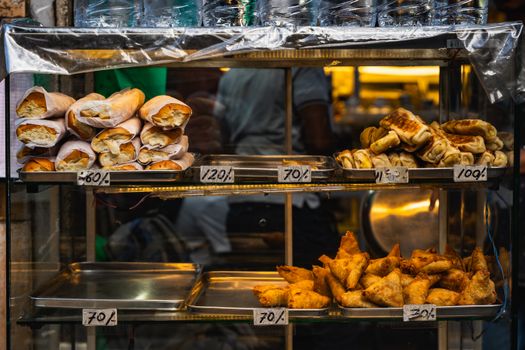
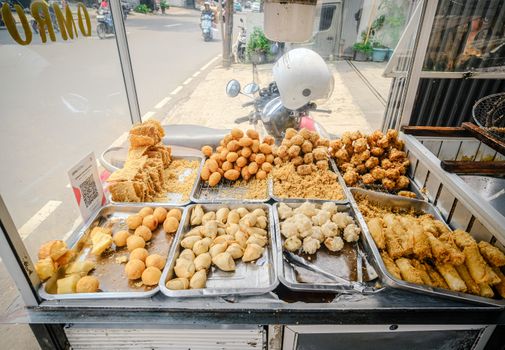
Let's be honest, street food isn't a new concept, but its global popularity has exploded, becoming the ultimate trending hack for budget-conscious foodies. From Bangkok's bustling sois to Mexico City's vibrant puestos, street food offers an unparalleled culinary adventure at prices that will make your wallet sing. It's fast, fresh, and often incredibly innovative.
Why it's trending:
Social media has played a huge role. Travelers are constantly sharing their incredible street food finds, creating viral sensations out of humble stalls. Think of the queues for the Michelin-starred street food in Singapore or the countless Instagram reels of delicious tacos in Oaxaca. This isn't just sustenance; it's a cultural immersion and a photo opportunity rolled into one.
My Bangkok Revelation:
My first solo trip to Bangkok was a masterclass in street food. I remember wandering near Khao San Road, overwhelmed by choices. I spotted a stall with a long line of locals, all patiently waiting for something. Curiosity (and hunger) got the better of me. I joined the queue, pointed at what others were getting – a bowl of boat noodles (Guay Tiew Rua). For about 50 baht ($1.40!), I received a rich, savory broth brimming with tender pork, meatballs, and thin rice noodles. It was spicy, sweet, and deeply umami – an explosion of flavors that made my eyes widen. I went back to that same stall almost every day.
Tips for Street Food Success:
* Follow the Locals: This is the golden rule. If a stall has a line of local people, it’s usually a good sign of quality, freshness, and authentic flavor.
* Observe Hygiene: While street food is inherently rustic, look for stalls that appear clean. Are they handling money and food separately? Is the cooking surface clean? Are the ingredients fresh and stored properly?
* Go for Freshly Cooked: Opt for dishes that are cooked to order right in front of you. This ensures maximum flavor and minimizes food safety concerns.
* Ask for Recommendations: Don't be shy! Ask your hotel staff, a friendly shopkeeper, or even other diners what their favorite street food spots or dishes are.
* Embrace the Unknown: Point, smile, and try something new! Some of my best street food experiences have come from simply trying whatever looked delicious.
---
Dive into Local Markets: Feast for Pennies, Experience for Free
Beyond the ready-to-eat street food, local markets are an absolute goldmine for budget travelers. These vibrant hubs aren't just for groceries; they're living museums of local culture, offering everything from fresh produce to artisan cheeses, baked goods, and often, incredible prepared foods.
Why it's trending:
There's a growing desire for authentic, sustainable travel experiences, and food markets tick all those boxes. Travelers are seeking out the "real" local life, and markets offer a direct window into it, often providing incredible photo ops for social media. Plus, the sheer variety and freshness are unmatched.
My Barcelona Bazaar:
On a trip to Barcelona, everyone flocks to La Boqueria – and for good reason, it’s stunning! But a few years ago, I ventured slightly off the beaten path to Mercat de Sant Antoni. While La Boqueria is now quite tourist-centric and pricier, Sant Antoni felt like a true local market. I bought a huge, ripe avocado, a crusty baguette, some local cheese, and a handful of juicy olives for less than €8. That was my picnic lunch and dinner for the day! I also snagged a few freshly made empanadas from a small stall inside for €2 each – savory, flaky, and utterly delicious.
Tips for Market Mastery:
* Go Early: For the best selection and to avoid crowds (especially in popular markets), aim to visit in the morning.
* Look for Samples: Many vendors are happy to offer samples of their produce, cheeses, or cured meats. It’s a great way to try before you buy.
* Haggle (Respectfully): In some cultures, a little friendly haggling is expected, especially if you're buying multiple items. Always be polite and smile!
* Pack a Picnic: Buy fresh ingredients and assemble your own delicious, healthy, and incredibly cheap meal to enjoy in a park or by a scenic viewpoint.
* Explore Prepared Foods: Many markets have sections dedicated to prepared meals, often sold by weight or by portion. These can be fantastic for a quick, affordable lunch.
---
The Lunchtime Advantage: Restaurant Quality, Street Food Price
This is one of my favorite "under-the-radar" hacks that savvy travelers swear by. Many restaurants, especially in Europe and Latin America, offer special lunch menus that are significantly cheaper than their dinner counterparts, but with the same high-quality food and service.
Why it's trending:
Travelers are getting smarter about budgeting without sacrificing experience. The "menu del día" (Spain), "plat du jour" (France), or "pranzo di lavoro" (Italy) concept is a long-standing local tradition, and now, tourists are catching on, sharing their amazing finds on travel forums and social media, highlighting the incredible value.
My Parisian "Menu du Jour" Discovery:
I once had a delightful experience in a small, unassuming bistro in the Marais district of Paris. Dinner prices were easily €30+ for a main course. But their "Menu du Jour" for lunch was €18 for three courses: a fresh salad starter, a perfectly cooked steak frites, and a crème brûlée for dessert. The food was exquisite, the ambiance charming, and the price felt like a steal. I saw locals enjoying leisurely lunches, and I felt like I'd cracked a secret code.
Tips for Lunchtime Bargains:
* Look for Fixed-Price Menus: Keep an eye out for signs advertising "Menu del Día," "Plat du Jour," "Business Lunch," or similar fixed-price lunch specials.
* Check Hours: These specials are usually only available during specific lunch hours (e.g., 12 PM - 3 PM).
* Research Online: Before you go, use Google Maps or review sites to search for restaurants offering lunch specials in your desired area. Look at photos to gauge portions and presentation.
* Don't Be Afraid to Ask: If you don't see a lunch menu advertised, politely ask if they have any daily specials or a set lunch menu.
---
Embrace the "Non-Restaurant" Experience: Bakeries, Cafes & Food Stalls
Sometimes, the best meals aren't found in traditional sit-down restaurants at all. Many cultures excel at grab-and-go options, perfect for a budget-friendly and authentic culinary experience.
Why it's trending:
The rise of fast-casual dining and the desire for convenient, delicious, and Instagrammable food has put these options firmly on the map. Think of the viral popularity of specific donut shops, artisanal bakeries, or unique coffee houses. These spots offer a glimpse into daily local life and often house some of the best flavors in town.
My Vietnamese Banh Mi Obsession:
In Hoi An, Vietnam, my daily ritual involved a pilgrimage to a specific banh mi stand. It was literally just a cart on the side of the road, but the line stretched down the block. For a mere 25,000 VND (about $1 USD!), I received a warm, crusty baguette filled with succulent grilled pork, pâté, fresh herbs, pickled vegetables, and a secret sauce that was pure magic. It was a symphony of textures and flavors, and it kept me fueled for hours. I must have eaten 10 of them during my stay.
Tips for Non-Restaurant Nosh:
* Bakeries (Boulangeries, Pasticcerias, Panaderias): Start your day with a fresh pastry and coffee, or grab a savory tart or sandwich for lunch. In Italy, a cappuccino and a cornetto will cost you a fraction of a full breakfast.
* Coffee Shops & Cafes: Many cafes offer more than just coffee. Look for places with light meals, sandwiches, or regional snacks.
* Food Stalls & Kiosks: Beyond the bustling street food markets, individual stalls often pop up in parks, near tourist attractions, or in train stations, offering specific, delicious items like churros, pretzels, or local hot dogs.
* Pizza al Taglio (Pizza by the Slice): In Italy, especially Rome, this is a lifesaver. You pay by weight for delicious, fresh pizza with various toppings. A generous slice can be as little as €3-5.
---
Follow the Locals: Your Ultimate Food Compass
This is perhaps the most crucial piece of advice for eating well and cheaply. Locals know where the good food is, and they're not paying tourist prices. Learning how to tap into their knowledge is a game-changer.
Why it's trending:
With information overload online, travelers are increasingly seeking out genuine, insider recommendations. There's a movement away from generic tourist traps and towards authentic experiences, and local food is at the heart of that. Sharing "hidden gems" found through local advice is highly valued on social media.
My Roman Recommendation:
After my initial Roman food disappointment, I learned my lesson. The next day, I approached a friendly-looking shop owner in Trastevere and, with my limited Italian and a lot of gesturing, asked him where he would go for a good, cheap pasta. He pointed me down a tiny alley to a family-run trattoria that barely had a sign. Inside, it was packed with locals, the air thick with delicious aromas. I had the most incredible Cacio e Pepe for €10 – a simple, perfect dish that tasted like true Rome. I never would have found it without his tip.
Tips for Local Intel:
* Ask Anyone and Everyone: Hotel staff, hostel workers, taxi drivers, shopkeepers, bartenders – they all have their favorite local spots. Frame your question specifically: "Where do you go for [type of food] that's good and not expensive?"
* Observe Queues (Again!): If a small, unassuming place has a line of locals, join it!
* Look for Non-English Menus: While a menu in English can be helpful, a menu solely in the local language (or with very limited English) is often a good indicator that the place caters primarily to locals and offers authentic, well-priced food.
* Wander Off the Main Drag: Tourist areas are often pricier. Venture a few blocks away from major attractions, and you'll find prices drop significantly.
* Google Maps "Nearby" Feature: Search for "restaurants" or "food" and then filter by "cheap" or "affordable." Look at places with high ratings but perhaps fewer reviews than the super-popular spots – these are often local favorites.
---
Tech Tools for Penny Pinchers: Apps & Social Media
In today's interconnected world, your smartphone is your most powerful weapon in the quest for cheap, delicious local eats. The right apps and social media strategies can unlock a world of culinary treasures.
Why it's trending:
The digital age has democratized food discovery. Everyone's a food critic or a food blogger, and sharing amazing finds is part of the travel experience. From hyper-local recommendations to trending viral dishes, technology helps us find what's hot and affordable.
My Insta-Worthy Discovery in Lisbon:
I was scrolling through Instagram before a trip to Lisbon and kept seeing photos of this amazing, decadent chocolate cake from a place called "Landeau Chocolate." It looked divine, but I worried it would be super expensive. A quick Google Maps search confirmed it was a cafe, not a full restaurant, and reviews mentioned reasonable prices for a slice. I found it, enjoyed a glorious slice of cake with a coffee for under €6, and snapped my own Insta-worthy shot. It wasn't a full meal, but it was a trending, affordable treat I wouldn't have found without social media.
Tips for Digital Food Hunting:
* Google Maps is Your Friend: Use the "Explore" or "Nearby" feature. Search for specific dishes (e.g., "best ramen Tokyo," "cheap tacos Mexico City"). Read reviews, paying attention to what locals say and looking at photos of portion sizes and prices.
* Instagram Hashtags: Search relevant hashtags like #\[City]StreetFood, #\[City]LocalEats, #\[City]CheapEats, #\[SpecificDish] or even just #\[City]Food. You'll find incredible photos and often location tags to lead you directly to the spot.
* Local Food Blogs & Vlogs: Before you travel, search for "best cheap eats [city]" or "local food guide [city]" on Google and YouTube. Many local foodies share fantastic, insider tips.
* Food Waste Apps: Apps like Too Good To Go (available in many cities) allow you to buy surplus food from restaurants and bakeries at a heavily discounted price at the end of the day. It’s a win-win for your wallet and the planet!
* Translate Apps: A good translation app can help you decipher local menus, ensuring you know exactly what you're ordering and can avoid unexpected costs.
---
Conclusion: Eat Smart, Travel Deep, Live Rich
Eating like a local for pennies isn't just a budget hack; it's a philosophy. It's about shedding the tourist facade, embracing authenticity, and connecting with a culture on its most fundamental level – through food. It means stepping out of your comfort zone, trusting your instincts (and the locals!), and discovering flavors you never knew existed.
From the sizzling woks of a Thai street vendor to the rustic charm of a Roman trattoria's lunch special, every cheap, delicious bite tells a story. These trending strategies aren't just about saving money; they're about enriching your travel experience, creating unforgettable memories, and yes, filling your belly with incredible food without emptying your wallet.
So, next time you're planning a trip, ditch the overpriced tourist traps. Embrace the street food revolution, dive into bustling markets, snag those lunch specials, and most importantly, follow the locals. Your taste buds (and your bank account) will thank you.
Now, I want to hear from YOU! What are your favorite penny-pinching food hacks from your travels? Share your best cheap eats, hidden gems, and local food discoveries in the comments below using #TripsoraCheapEats. Let's inspire each other to eat smarter and travel deeper!
---