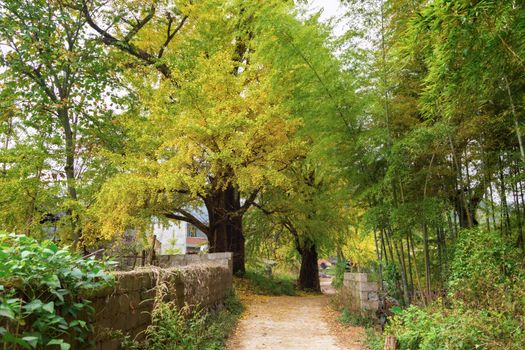
Unearth Secret Autumn Harvests Locals DON'T Want You to Know!
The crisp air, the kaleidoscope of changing leaves, the comforting scent of woodsmoke – autumn is undeniably magical. But for most travelers, "fall travel" conjures images of cider mills, corn mazes, and scenic drives. While charming, these experiences often skim the surface, leaving you craving something deeper, something real.
I remember my first real autumn harvest. It wasn't advertised on any tourism board website. I was lost, truly lost, down a winding dirt road in rural Tuscany, searching for a tiny agriturismo. Instead, I stumbled upon a scene straight out of a Renaissance painting: a family, generations strong, meticulously hand-picking grapes, their laughter echoing through the vineyard. The nonna, her face a roadmap of wrinkles and wisdom, waved me over, offered a handful of sun-warmed grapes, and with a twinkle in her eye, handed me a basket. For the next few hours, I was no longer a tourist; I was part of their story, my hands stained purple, my heart overflowing. It was an experience so raw, so authentic, so utterly unmarketed, that I felt like I'd stumbled upon a secret.
That day, I realized something profound: the most incredible autumn experiences aren't found on TripAdvisor's top 10 lists. They're woven into the fabric of local life, closely guarded traditions that locals often prefer to keep to themselves, not out of malice, but because they're simply their way. These are the harvests where you don't just observe; you participate, you sweat, you learn, and you taste the true essence of a place.
If you're ready to trade predictable for profound, to get your hands dirty, and to discover the real soul of autumn, then buckle up. I'm about to unveil some of the most incredible, off-the-beaten-path autumn harvests that locals genuinely hope you never find – but if you approach them with respect and an open heart, they just might let you in.
The Scent of Gold: Saffron Harvesting in La Mancha, Spain
Imagine waking before dawn, the air still cool and crisp, with the promise of a golden sunrise. As the first rays kiss the rolling plains of Castilla-La Mancha, Spain, you're not heading to a tourist attraction, but to a field of delicate purple crocuses. This isn't just any flower; these are the precious blooms that yield zafrán, or saffron – the world's most expensive spice.
Why it's a local secret:
Saffron harvesting is incredibly labor-intensive and time-sensitive. The flowers bloom for only a few weeks in late autumn, and the delicate stigmas (the saffron threads) must be hand-picked before the sun gets too high. It's a communal, family affair, often passed down through generations, and not something typically opened up to mass tourism. The process of picking, and then desgrane (removing the stigmas), requires patience and skill.
My experience:
I'd heard whispers of saffron fields around Consuegra, famous for its windmills. It took a lot of asking around at local casas rurales (rural guesthouses) and a bit of luck, but I eventually found a family willing to let me join them. The morning chill gave way to the warmth of the rising sun as we knelt among the low-lying flowers. My fingers, initially clumsy, slowly learned the delicate art of plucking the entire flower. Back at the farmhouse, the real magic began. The family gathered around a large table, expertly separating the three tiny red stigmas from each purple bloom. The air was filled with a subtle, earthy, honey-like aroma. My hands trembled with the effort, but the shared laughter, the endless cups of coffee, and the sense of being part of something so ancient and precious made it unforgettable. Later, watching the tostado (toasting) process that intensifies the color and aroma, I felt a deep connection to this "red gold."
How to get involved:
* When: Late October to early November is peak season.
* Where: Look for small villages in Castilla-La Mancha, such as Consuegra, Orgaz, or Madridejos.
* Finding your entry: Stay at a small, family-run casa rural and express genuine interest in the local traditions. Many of these families cultivate saffron on the side. Ask about "recogida de azafrán" (saffron picking). Some specialized agritourism operators might offer very limited experiences, but the true gems are found by direct, respectful inquiry.
* Cost: Often free participation in exchange for your labor and a genuine interest. You'll likely want to buy some of their incredibly fresh saffron afterwards!
Black Gold Rush: Truffle Hunting in Umbria, Italy
Forget manicured vineyards; imagine instead a misty, ancient forest, the rustling of leaves underfoot, and the eager snuffling of a highly trained dog. You're not on a leisurely hike; you're on a quest for "black gold" – truffles. This is one of Italy's most fiercely guarded culinary secrets, and for good reason.
Why it's a local secret:
Truffle locations are often family secrets, passed down through generations of tartufai (truffle hunters). The dogs are specially trained, the terrain can be challenging, and the competition for these prized fungi is intense. It’s not an activity for casual observers, but for dedicated participants willing to respect the tradition and the delicate ecosystem.
My experience:
My journey began in the rugged hills of Umbria, near Norcia, famous for its black truffles. I'd booked a "truffle hunt" through a small, local agriturismo, and was met at dawn by Franco, a weathered tartufaio with an encyclopedic knowledge of the forest, and his energetic Lagotto Romagnolo, Luna. Within minutes of entering the woods, Luna's nose went into overdrive, her tail wagging furiously as she dug at the base of an ancient oak. Franco gently nudged her aside, and with a small, specialized spade, carefully unearthed a lump of earthy, aromatic black truffle. The thrill of that discovery, the primal scent of the earth mixed with the intoxicating aroma of the truffle, was electrifying. We found several more that morning, each discovery a small victory. Back at Franco’s home, his wife prepared a simple but exquisite meal: fresh tagliatelle tossed with butter and shavings of our morning's bounty. It was a taste of pure Umbria, earned with muddy boots and shared camaraderie.
How to get involved:
* When: Black truffles are found year-round, but autumn (October-December) is prime time for the highly prized white truffles.
* Where: Umbria (Norcia, Spoleto, Gubbio), Piedmont (Alba), and Tuscany are famous regions.
* Finding your entry: Look for small, family-run agriturismos that explicitly offer "caccia al tartufo" (truffle hunting). Avoid large, commercial tours. Often, these experiences are intimate, with just one or two hunters and their dogs. Inquire directly with local guesthouses or specialized, niche tour operators who focus on authentic experiences.
* Cost: Expect to pay anywhere from €100-€300+ for a hunt, often including a truffle-based meal. It's an investment, but truly worth it.
Liquid Sunshine: Olive Picking in Rural Peloponnese, Greece
The Mediterranean sun, still warm in late autumn, bathes groves of ancient olive trees. The air hums with conversation and the rhythmic thud of olives falling onto nets spread beneath the branches. This isn't just agriculture; it's a centuries-old ritual, a communal effort that defines life in countless Greek villages.
Why it's a local secret:
Olive picking is hard work, often a family affair involving multiple generations, neighbors, and friends. It's a fundamental part of the local economy and culture, and while some larger farms offer tours, the truly authentic experience is joining a family on their own land. They're not looking for tourists; they're looking for helping hands and shared meals.
My experience:
I’d been staying at a small guesthouse in the Mani Peninsula, a wild and rugged part of the Peloponnese. My host, Eleni, mentioned her family would be picking olives the following week and, seeing my genuine interest, invited me to join. Early one morning, armed with a long pole and a strong back, I found myself among gnarled trees, their silver-green leaves shimmering in the sun. We spread vast nets on the ground, then used the poles to gently knock the olives from the branches. It was repetitive, physical work, but the atmosphere was infectious – lively chatter, jokes, and the shared anticipation of the fresh oil. We paused for a hearty lunch under the trees, sharing bread, cheese, and olives. The highlight was delivering the olives to the local press and witnessing the golden-green oil stream out, thick and fragrant. Tasting it, warm and peppery, on a piece of fresh bread, was a revelation. It tasted of the earth, of sunshine, and of shared effort.
How to get involved:
* When: Late October through December.
* Where: Rural areas across Greece, especially Crete, Peloponnese (Mani, Messenia), and parts of the Aegean islands.
* Finding your entry: Stay at small, family-run agritourism farms or guesthouses. Engage with your hosts, express your interest in local traditions, and ask if they know of anyone who might need an extra hand during the "elaiokomia" (olive harvest). Be prepared to offer your labor in exchange for the experience, often including meals and sometimes accommodation.
* Cost: Generally free, sometimes in exchange for your stay or a small contribution.
Cranberry Crimson: Bog Harvesting in Wisconsin, USA
Step into a landscape transformed into a sea of vibrant crimson. In the heart of autumn, vast fields of low-lying cranberry vines in Wisconsin are flooded, turning into stunning, reflective pools of floating red berries. This unique harvest is a spectacular sight, but actual participation is often limited to those in the know.
Why it's a local secret:
Cranberry harvesting is a highly specialized, industrialized process. While some farms offer observation tours, getting involved in the actual "wet harvest" – wading into the bog to move berries – is typically reserved for farmhands or those with direct connections. It's a testament to a specific agricultural industry, not a general tourist activity.
My experience:
I’d always been fascinated by the iconic image of the cranberry bog. My chance came during a road trip through central Wisconsin, near the town of Warrens, home to the largest cranberry festival. While the festival is great for observation, I wanted more. I found a small, family-owned farm that, after a few phone calls and explaining my travel blogger mission, agreed to let me witness a small-scale harvest up close. Donning waders provided by the farmer, I was allowed to step into the shallow, flooded bog, the cold water instantly invigorating. The sight of millions of floating, jewel-toned berries, gently corralled by booms, was breathtaking. I wasn't raking berries, but simply being in the bog, feeling the cool water, and smelling the tart fruit, was an immersive experience. The farmer explained the intricate process, from growing the vines to the careful flooding and harvesting, a tradition passed down through generations.
How to get involved:
* When: Late September to late October.
* Where: Wisconsin (Warrens, Tomah, Wisconsin Rapids), Massachusetts (Cape Cod), and parts of Oregon.
* Finding your entry: Research smaller, family-owned cranberry farms. Many offer limited "bog tours" during harvest season, but inquire specifically about any opportunities for hands-on experience, even if it's just a short supervised wade. Be persistent and respectful in your inquiries. The Warrens Cranberry Festival is an excellent starting point for networking.
* Cost: Tours vary, some viewing opportunities are free. Hands-on experiences might be negotiated.
The Sweet Nectar: Chestnut Foraging in the Douro Valley, Portugal
Autumn in Portugal isn't just about wine. As the leaves turn golden and amber in the Douro Valley, another treasure ripens: chestnuts. Foraging for these sweet, earthy nuts is a simple, rustic pleasure, a quiet tradition often enjoyed by families and locals for their own tables.
Why it's a local secret:
Chestnut foraging (or apanha da castanha) is a very informal, personal activity. It's not a commercial harvest, but a traditional way of gathering food from the abundant forests. Locals often have their preferred spots and methods, and it's not something they typically advertise to outsiders.
My experience:
Staying at a small quinta (wine estate) in the Alto Douro, I noticed baskets of chestnuts everywhere. My host, Maria, mentioned her family would be heading to their "secret spot" in the hills to gather chestnuts. I asked if I could join, offering to help. The next afternoon, armed with sturdy boots and thick gloves (those husks are spiky!), we hiked into a beautiful, ancient forest. The ground was littered with fallen chestnut burrs, some already split open to reveal the glossy, dark brown nuts inside. The air was cool and still, punctuated only by the rustling of leaves and the satisfying thunk of a chestnut falling from a tree. It was a meditative process, carefully extracting the nuts, filling our baskets. Later, back at the quinta, we roasted them over an open fire, their smoky sweetness a perfect pairing with a glass of local red wine. It was a simple, yet profoundly connecting experience, reminding me of the joys of slow living and shared sustenance.
How to get involved:
* When: October to November.
* Where: Douro Valley, Trás-os-Montes region (around Bragança, Vinhais), and parts of central Portugal.
* Finding your entry: Stay at small, family-run guesthouses or quintas in rural areas. Ask your hosts or local villagers about "apanha da castanha." Many will be happy to share their knowledge or even invite you along if you show genuine interest and respect for their traditions.
* Cost: Free, beyond your time and effort.
Practicalities & Etiquette for the Secret Harvester
So, you're ready to dive into these authentic autumn experiences? Here's how to ensure you're a welcome participant, not an intrusive tourist:
- Do Your Research (and then some): These aren't experiences you'll find easily online. Look for small, family-run agriturismos, casas rurales, or guesthouses. Read reviews for mentions of local activities or hosts who are deeply integrated into their community.
- Be Humble and Respectful: The "locals don't want you to know" angle isn't about being sneaky. It's about respecting traditions that aren't designed for mass tourism. Approach with genuine curiosity, humility, and a willingness to learn and help.
- Learn Basic Phrases: A few words in the local language (hello, please, thank you, "Can I help?") go a long way in breaking down barriers and showing respect.
- Be Prepared to Work: These are harvests, not photo ops. Expect physical labor, potentially long hours, and varying weather conditions. Dress appropriately (sturdy shoes, layers, gloves).
- Offer to Help, Not Just Observe: Your value is in your willingness to contribute. Don't expect to be waited on. Offer to carry baskets, help with sorting, or even wash dishes.
- Don't Expect Luxury: These experiences are about authenticity, not five-star amenities. Embrace the rustic charm, the simple meals, and the genuine connection.
- Be Flexible: Harvest schedules are dictated by nature, not tourist itineraries. Be prepared for last-minute changes due to weather or crop readiness.
- Support Local: If you participate in a harvest, make sure to buy local products directly from the family or farm. This is a tangible way to show your appreciation and contribute to their livelihood.
- Ask Permission for Photos: Always ask before taking pictures, especially of people. Be discreet and respectful.
- Sustainable Travel: Leave no trace. Respect the land, the crops, and the local environment.
Your Autumn Adventure Awaits
The beauty of autumn isn't just in its colors; it's in its bounty. By seeking out these hidden harvests, you're not just witnessing a tradition; you're becoming a part of it. You're trading passive observation for active participation, fleeting moments for lasting memories, and tourist traps for true cultural immersion.
These are the stories you'll tell for years, the flavors that will linger, and the connections that will enrich your understanding of the world. So, this fall, step off the well-worn path. Get your hands dirty. Listen to the whispers of local traditions. And discover the secret, authentic soul of autumn that's waiting just for you.
What's your dream autumn harvest? Have you ever stumbled upon a local tradition that felt like a secret? Share your stories and inspire fellow travelers in the comments below!
---