Bali has become a well-known setting for yoga retreats, with studios, open-air shalas and seaside classes drawing practitioners from around the world. Yet a growing number of regions offer equally thoughtful retreat experiences, with different landscapes, teaching traditions and daily rhythms. Some are rooted in classical Indian yoga, while others blend yoga with local practices, meditation or outdoor activities. Choosing the right destination depends on your goals, your experience and the kind of setting that helps you rest and focus. This guide explores options beyond Bali and offers a way to compare them.
Destinations with strong teaching traditions
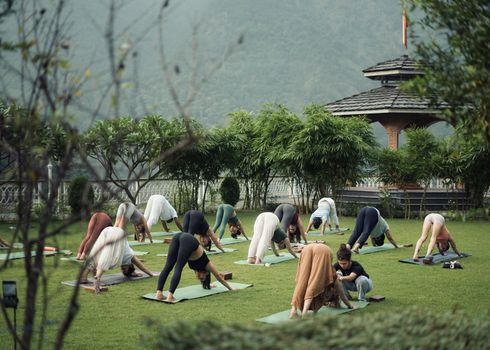
Several regions have long associations with yoga. Parts of northern India, including the foothills of the Himalayas and the holy city of Rishikesh, host ashrams, schools and retreat centers that teach traditional approaches to asana, pranayama and meditation. Sri Lanka offers coastal and hill-country retreats that combine yoga with Ayurvedic and wellness traditions. Parts of Europe and the Americas also have established schools with residential courses. Look at the lineage and training background of each school, and ask how classes are structured.
Mountain and nature-based settings
Mountain retreats offer quiet surroundings, fresh air and daily walks. These settings suit practitioners who want to focus on breathwork and meditation away from urban noise. Altitude, cold nights and limited transport are factors to consider. Check whether the retreat is accessible by road in all seasons and whether the altitude will affect you.
Coastal and island retreats
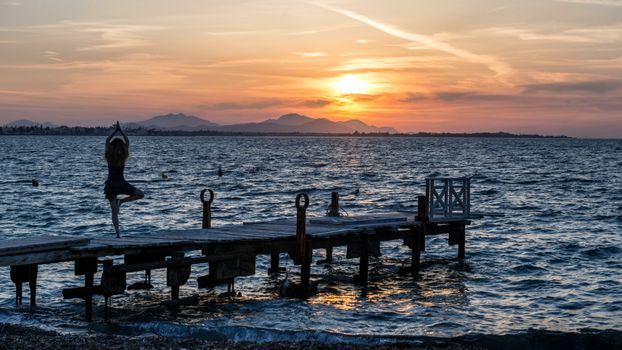
Coastal retreats combine yoga with swimming, beach walks and sea air. Some are small and intimate, with a handful of guests and daily sessions on a terrace. Others are larger resorts with a range of activities. Consider how close you want to be to the water and whether you prefer a retreat that is walkable from a village or more secluded.
Retreat formats and schedules
Retreats vary from weekend programmes to multi-week residential courses and teacher training. Daily schedules often include early morning practice, meditation, meals and rest periods, with optional workshops or talks. Some retreats are silent for part of the day. Check whether the schedule suits your energy and whether you can rest between sessions. Teacher training courses are more intensive and usually require prior experience and commitment.
Comparing teachers and programmes
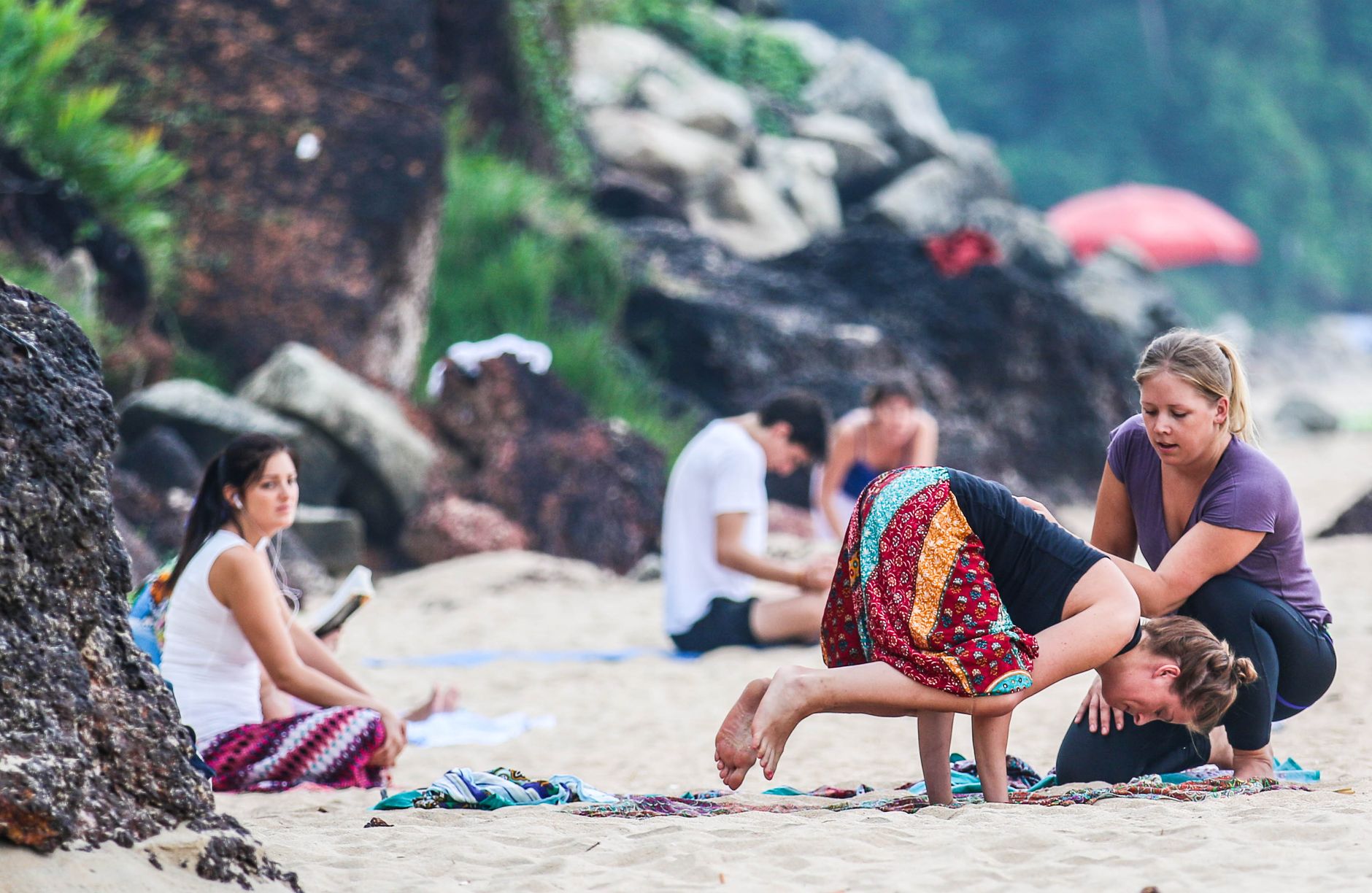
The quality of teaching matters more than the view. Read the bios of teachers, ask about their training and experience, and check whether they teach in a language you understand. Look at class sizes, the level of individual attention and how instructors adapt sessions for different abilities. Ask whether the retreat is suitable for beginners, and whether it accommodates injuries or medical conditions. A clear and honest description is a good sign.
Health and wellbeing considerations
Yoga can be physically demanding, and intensive practice may not suit everyone. If you have a medical condition, pregnancy, or recent injury, consult a health professional before booking. Be cautious of any retreat that promises cures or guaranteed results. Mental health needs should be taken seriously, and practitioners experiencing distress should seek qualified support alongside any retreat experience.
Practical tips
Start by deciding what you want from the retreat: a rest, a deeper practice, teacher training or simply time outdoors. Compare two or three destinations on climate, transport, accommodation and cost. Ask what meals are included and whether dietary needs can be met. Pack comfortable clothing for practice, a lightweight layer for cool mornings, a reusable water bottle and a mat if you prefer your own. Check visa requirements for longer stays, and confirm cancellation policies in writing. Finally, plan a gentle transition home, since many people find it helpful to ease back into work and routines.
Common mistakes to avoid
A frequent mistake is choosing a retreat based on the setting alone, without checking the teacher's training or how classes are structured. Another is overestimating personal fitness and joining an intensive programme that demands long hours of practice each day. Some people book without reading the daily schedule, only to find that silent periods, early starts or limited free time do not suit them. Travelers also sometimes ignore the altitude, heat or humidity of a location, which can make practice more demanding than expected. Finally, many guests arrive without asking about meals, sleeping arrangements and how the venue handles dietary needs, which can cause avoidable stress during the stay.
Who this suits and who it does not
Retreats beyond Bali can suit people who want a deeper focus on practice, a calm environment and time away from routine. They may suit beginners who want gentle sessions with clear guidance, as well as more experienced practitioners seeking intensive study. They may be less suitable for people who need medical supervision for a condition, who are pregnant without professional advice, or who prefer lively social settings. Those seeking a restful holiday with little structure may find that a more relaxed programme is a better match for their needs.
Frequently asked questions
Do I need prior experience?
Many retreats welcome beginners, but intensive courses often expect some background. Check the level stated for each programme before you book.
Is a teacher training course the same as a retreat?
No. Training courses are usually more demanding and longer, and they often require commitment beyond a short stay.
Can I leave a retreat early?
Policies vary, so ask about refunds, cancellation and early departure before you book, and confirm the terms in writing.
Yoga retreats beyond Bali offer a wide range of landscapes, traditions and formats. By focusing on teaching quality, setting and daily structure, you can find a retreat that supports your practice and leaves you feeling restored long after you return.