1. The Hook: A Resurrection in the Dust
I stepped off the local "bus de campo" in the high-altitude plains of Kastamonu, Turkey, and the air didn't just smell like spring; it smelled like toasted nuts and sun-baked earth. There was no "tapestry" of green here—instead, there was a rugged, defiant sea of Siyez, the world’s first wheat. As I crushed a hull between my fingers, I realized I wasn't just looking at a crop; I was holding a genetic time capsule.
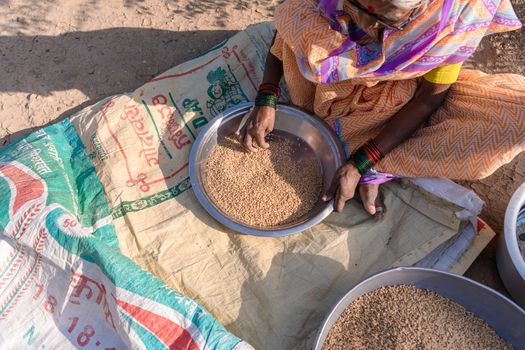
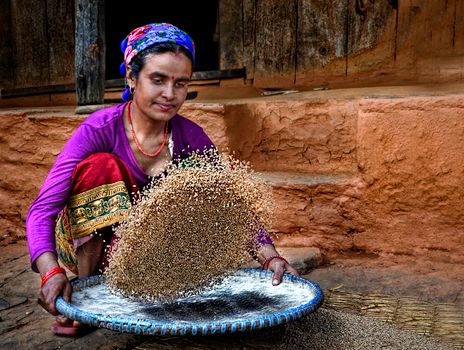
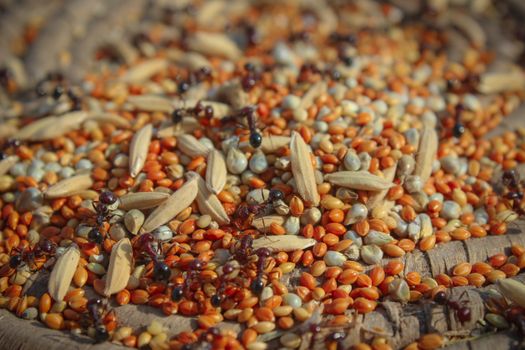
This isn't your grocery store "whole wheat." These are heritage varieties—Einkorn, Emmer, Khorasan, and Blue Corn—that have survived ice ages and industrial revolutions. This spring, a handful of pioneering farms are opening their gates to those who want to see, touch, and taste the grains that built civilizations.
2. The Anatolian Origin: Tracking Siyez in Turkey
The story of bread begins in the Fertile Crescent, and Kastamonu is its living museum. Here, farmers still cultivate Siyez (Einkorn), a grain that hasn't changed its DNA in 10,000 years. Unlike modern wheat, Siyez is hulled, meaning it’s protected from the elements by a thick husk, making it a powerhouse of nutrition and a darling of the "slow food" movement.
The Experience:
Visiting the İhsangazi district in spring is a masterclass in biodiversity. You won't find massive tractors here. Instead, you'll see small-scale farmers using traditional methods to ensure the grain's resilience. The flavor profile is intense—think earthy, spicy, and remarkably dense.
- Pro-Tip: Don't just look at the fields. Head to the local fırın (bakery) at 10 AM. Ask for "Siyez Ekmeği" straight from the stone oven. The crust is thick enough to break a tooth, but the inside is pure, nutty gold.
- The Hidden Gem: The best views of the undulating grain fields are from the Halaçlar Village ridge. The path is unmarked; look for the blue-painted fence post near the village well.
3. Tuscany’s "Garfagnana" Gold: The Farro Renaissance
While most tourists are fighting for a photo in Florence, the culinary elite are heading north to the Garfagnana Valley. This is the home of Farro della Garfagnana IGP, a variety of Emmer wheat that has been grown in these Apennine shadows since the Roman Legions used it as their primary ration.
The Architecture of Flavor:
The farms here, such as Poggio del Farro, are anchored by stone farmhouses that have stood for centuries. In spring, the young farro shoots are a vibrant, neon green that contrasts sharply with the grey limestone peaks.
- Insider Language: Don't call it "spelt." In Garfagnana, farro is a specific ecotype (Triticum dicoccum). Mentioning the "IGP status" (Protected Geographical Indication) will immediately earn you respect from the local contadini.
- Pro-Tip: Visit the Mulin Bianco (the white mill) in the village of San Romano. If you arrive on a Tuesday morning, you can watch the traditional stone-grinding process that keeps the grain’s germ intact.
4. The Blue Corn Odyssey: Oaxaca’s Milpa Magic
In the central valleys of Oaxaca, Mexico, grain isn't just food; it’s a deity. While the world obsesses over yellow corn, farms like Itanoni and various cooperatives in Tlacolula are preserving Bolita and Conejo—heritage blue and purple maize varieties that are currently trending in the world's top Michelin-starred kitchens.
The Spring Ritual:
Spring marks the preparation of the Milpa—the symbiotic planting of corn, beans, and squash. The smell of woodsmoke and nixtamalized corn (corn soaked in lime water) permeates the air.
- The Taste: Heritage blue corn has a high oil content and a distinct floral finish. It’s the "wagyu" of the grain world.
- Pro-Tip: The "hidden entrance" to the most authentic tasting experience is a small, unmarked wooden door behind the Tlacolula Sunday Market. It leads to a private courtyard where heirloom tortillas are patted out by hand.
- Logistics: Hire a local "fixer" or guide who specializes in Agroecology. It’s the only way to get onto the smaller, family-run plots.
5. The Nordic Rye Revolution: Denmark’s Cold-Weather Giants
In the windswept fields of Jutland, a revolution is brewing. Danish farmers are reclaiming Øland wheat and heritage Rye—grains that were nearly lost to high-yield industrial farming in the 1970s.
The Vibe:
Think "Scandi-noir" meets "Little House on the Prairie." Farms like Skærtoft Mølle offer a minimalist, high-design take on agrotourism. The fields are sprawling and desolate, yet the grain they produce is the backbone of the New Nordic Cuisine.
- Pro-Tip: Book a "Sourdough Safari" in April. You’ll learn to identify the different stages of grain growth and end the day with a fermentation workshop.
- Authenticity Check: Look for the "Refining the Grain" seal. It’s a mark of quality that ensures the grain hasn't been cross-bred for yield over flavor.
6. The American Palouse: Blue Barley and Purple Straw
The Palouse region of Washington State and Idaho is often called the "Tuscany of America," but its heritage grain movement is uniquely its own. Here, the Washington State University Bread Lab has sparked a revival of "Purple Straw" wheat and "Black Nile" barley.
Why Now?
Spring in the Palouse is a photographer’s dream. The rolling loess hills create a liquid-like landscape that shifts color with the wind.
- Pro-Tip: Visit the Bread Lab’s public café in Burlington (or their partner farms in the Palouse) to try bread made from "Climate-Resilient" grains.
- The Insider Spot: Check out Palouse Heritage near Endicott. They specialize in "Landrace" grains—seeds that have naturally adapted to the specific micro-climate of the region over centuries.
7. Quick Facts & Logistics
| Destination | Best Grain to Try | Best Time to Visit | Estimated Daily Cost ($) | How to Get There |
| :--- | :--- | :--- | :--- | :--- |
| Kastamonu, Turkey | Siyez (Einkorn) | Late April - May | $60 - $90 | Fly to Istanbul, then a short domestic flight to Kastamonu. |
| Garfagnana, Italy | Farro (Emmer) | May - June | $150 - $250 | Train from Lucca to Castelnuovo di Garfagnana. |
| Oaxaca, Mexico | Blue/Purple Maize | March - May | $80 - $180 | Fly into OAX; take a private "colectivo" to the valley. |
| Jutland, Denmark | Øland Wheat / Rye | April - May | $200 - $350 | Fly to Billund, then rent a car for the coastal drive. |
| Palouse, USA | Purple Straw Wheat | May | $120 - $220 | Fly to Spokane (GEG) and drive south for 90 minutes. |
8. Why This Matters: The Future is in the Past
We are currently witnessing a "Grain 2.0" movement. These farms aren't just tourist attractions; they are genetic fortresses. By visiting them, you are supporting a decentralized food system that prioritizes flavor and soil health over shelf-life and profit margins.
This spring, don't just travel to see something new. Travel to taste something old. When you bite into a piece of bread made from grain grown on a heritage farm, you aren't just eating—you're participating in a 10,000-year-old conversation.
---