I Stepped Into the Humid Breath of the Jungle...
I stepped off the tiny, single-engine Cessna onto the red-dirt airstrip of Puerto Jiménez, and the air hit me like a warm, wet velvet blanket. It didn’t smell like "vacation"—it smelled like life. Rotting leaves, blooming jasmine, and the metallic tang of an impending tropical downpour. Within seconds, the silence was shattered by the guttural, prehistoric roar of a Howler monkey.
I wasn't just here to see the monkeys, though. I was here because my entrance fee to the Corcovado National Park pays the salaries of the rangers who stop gold miners from destroying this watershed. This isn't "voluntourism" where you paint a school for a day; this is high-level, systemic conservation funded by the simple act of being there.
This spring, the travel industry is seeing a massive pivot. Travelers are demanding more than a "green" checkbox. They want receipts. They want to know that their $500-a-night lodge is actually reintroducing apex predators or buying back degraded cattle ranch land.
If you’re looking to spend your spring break making a tangible difference, these are the high-authority destinations leading the charge.
---
1. The Osa Peninsula, Costa Rica: The Blueprint for Biodiversity
While the rest of the world caught up, Costa Rica was playing the long game. In the 1980s, this country had one of the highest deforestation rates in Latin America. Today, it’s a global leader in forest cover.
The Conservation Impact:
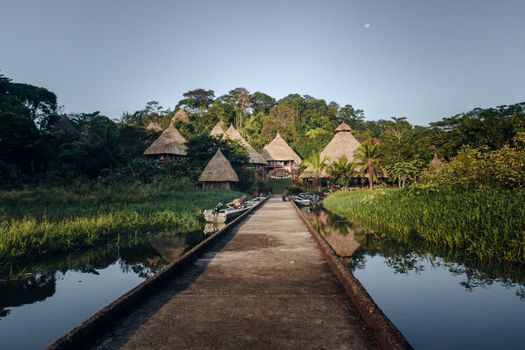
The Osa Peninsula contains 2.5% of the world’s biodiversity. When you stay at high-end lodges like Lapa Rios or El Remanso, you aren't just paying for an infinity pool. You are funding a private nature reserve that acts as a buffer zone for Corcovado National Park. A portion of every guest's stay goes directly toward the Pura Vida Pledge, supporting feline monitoring (jaguars) and reforestation.
- The Insider Detail: Don't just do the day hike. Book the "Carbon Neutral Trail" tour. You’ll see the exact plots of land being reforested with endemic trees like the Copaifera camibar.
- Pro-Tip: Visit in late March. It’s the tail end of the dry season, meaning the wildlife congregates around the remaining water sources, making sightings of the elusive Baird’s Tapir almost guaranteed.
---
2. Volcanoes National Park, Rwanda: The Gold Standard
Rwanda is the ultimate proof that high-value, low-volume tourism works. If you want to see a Mountain Gorilla, it will cost you $1,500 for a one-hour permit.
The Conservation Impact:
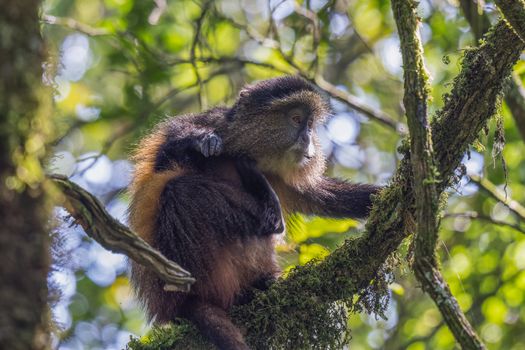
That $1,500 isn't a "luxury tax." 10% of all tourism revenue goes directly to local community projects—schools, health clinics, and clean water. This transforms former poachers into the gorillas' fiercest protectors because the animals are now worth more alive than dead. Since this model was implemented, the Mountain Gorilla population has climbed above 1,000, moving them from "Critically Endangered" to "Endangered."
- The Insider Detail: Stay at the Bisate Lodge. Their "Agronomy and Reforestation" program has already planted over 20,000 indigenous trees. You can plant your own and GPS-tag it to track its growth from home.
- Pro-Tip: The "hidden entrance" to a deeper cultural understanding isn't at the park gate—it’s at the Ellen DeGeneres Campus of the Dian Fossey Gorilla Fund. Go there before your trek to understand the science behind the conservation.
---
3. The Scottish Highlands: The Rewilding Frontier
Spring in Scotland is a riot of gorse-yellow and bluebell-purple. But beyond the aesthetics, a radical experiment is happening: Rewilding.
The Conservation Impact:
Traditional Highland estates were once "sporting estates" (deer stalking and grouse shooting). Now, places like Alladale Wilderness Reserve are flipping the script. They are planting nearly a million trees and working to reintroduce the European wildcat and, eventually, the wolf. Your stay funds the restoration of the "Caledonian Forest," a habitat that once covered most of Scotland.
- The Insider Detail: Ask for a tour with the head ranger to see the Scottish Wildcat breeding enclosures. These "Highland Tigers" are rarer than the Giant Panda, and tourism is the only thing keeping the breeding program solvent.
- Pro-Tip: Rent an EV in Inverness. The North Coast 500 is stunning in April, and the charging infrastructure in the Highlands is surprisingly robust for such a rugged area.
---
4. Palau: The World’s First "Carbon Neutral" Destination
This tiny Pacific archipelago doesn't just ask you to be eco-friendly; they make you sign a legal contract. Upon arrival, a "Palau Pledge" is stamped into your passport, which you must sign to act as a steward of the environment.
The Conservation Impact:
Palau created the world’s first National Marine Sanctuary, a "no-take" zone covering 80% of its maritime territory. This spring, they are launching a world-first personal carbon tracking app for tourists. The more sustainable your choices (eating local fish, avoiding plastics), the more "exclusive" experiences you unlock on the island.
- The Insider Detail: Head to Jellyfish Lake. The $100 permit fee is steep, but it directly funds the environmental monitoring of this fragile ecosystem.
- Pro-Tip: Avoid the "Bento Box" lunches offered by mass tour operators. Instead, find a local vendor selling Pound Papi (taro starch) to ensure your food dollars stay in the community.
---
5. The Galápagos Islands, Ecuador: Regenerative Cruising
The Galápagos is the birthplace of evolutionary theory, and today it’s the birthplace of the "Galápagos Marine Reserve" expansion.
The Conservation Impact:
In 2022, Ecuador expanded the marine reserve by 60,000 square kilometers. This was funded largely through a "debt-for-nature" swap, the largest in history, underpinned by the guaranteed future revenue of tourism. When you pay your $100 (soon to be $200) entry fee, you are literally paying off the country's national debt in exchange for ocean protection.
- The Insider Detail: Look for vessels certified by the Galápagos Conservancy, such as the Ecoventura fleet. They host "citizen science" departures where you help researchers tag sea turtles.
- Pro-Tip: April is the best time to see the Waved Albatross perform its bizarre, clacking courtship dance on Española Island.
---
Quick Facts: Logistics & Budget
| Destination | Best Spring Month | Est. Daily Cost (Mid-Range) | Primary Conservation Focus |
| :--- | :--- | :--- | :--- |
| Osa Peninsula, CR | March | $250 - $450 | Rainforest Reforestation |
| Volcanoes NP, Rwanda | June (Early Spring) | $800 - $2,000+ | Mountain Gorilla Protection |
| Scottish Highlands | May | $150 - $300 | Rewilding & Peatland Restoration |
| Palau | April | $200 - $400 | Marine Sanctuary Management |
| Galápagos, Ecuador | April | $400 - $700 | Invasive Species Control |
---
How to Travel "Conservation-First" This Spring
1. Follow the Money: Check the "Impact Report" on a lodge’s website. If they don't have one, they’re likely greenwashing.
2. Eat Invasive: In places like the Caribbean or the Galápagos, look for menus featuring Lionfish or other invasive species. Eating them is a conservation act.
3. Slow Down: The carbon footprint of a trip is largely in the transport. Spend 7 days in one location rather than 2 days in three locations.
4. Book Direct: Avoid the big aggregators. Booking directly with an eco-lodge ensures 100% of your money reaches the destination, rather than 15-20% staying with a tech giant in Silicon Valley.
The Verdict
The "Ultimate" spring destination for 2024 isn't just a place with a pretty view. It’s a place where your presence is a catalyst for protection. Whether you’re tracking pumas in Chile or planting seagrass in Palau, make sure your footprints are leaving a path toward a healthier planet.
---