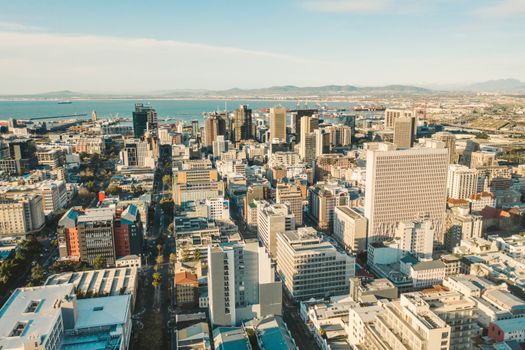
Beyond the Hype: The African Metros Redefining Modern Urban Living in August 2026
I stepped off the quiet, air-conditioned cabin of the Al Boraq high-speed train into Rabat-Agdal station, glided my phone across an automated biometric turnstile, and walked out into a sun-drenched concourse made of solar-glass paneling. It was 8:15 AM. My phone automatically connected to free 6G municipal Wi-Fi. Looking around, there was no litter, no graffiti, no screeching wheel sounds from century-old rails, and no sign of the urban friction I had experienced just three days prior while navigating a trash-strike-plagued transit terminal in Rome.
For decades, international travel guides pushed a lazy narrative: Europe was the pinnacle of modern urban infrastructure, while Africa was a continent playing catch-up.
As of August 2026, that narrative is completely dead.
Unburdened by crumbling, 19th-century legacy infrastructure, several forward-thinking African hubs skipped entire generations of legacy technology. While major European cities struggle with deferred subway maintenance, suffocating bureaucracies, and outdated energy grids, Africa’s top urban centers have built 100% renewable power setups, AI-driven traffic systems, and fully digital financial ecosystems.
If you are planning your travels for late 2026, these five African cities aren't just modern—they are actively showing Europe what the future of urban living looks like.
---
1. Kigali, Rwanda: The World’s Cleanest, Fully Digital Smart City
If you land at Kigali International Airport expecting typical capital city chaos, prepare for culture shock. Kigali is routinely rated as cleaner, safer, and more efficiently run than London, Paris, or Berlin.
```
+-----------------------------------------------------------------------+
| KIGALI AT A GLANCE |
| Key Flex: Zero litter, 100% electric bus fleet, full cashless economy |
| Beats Europe In: Cleanliness, public safety, modern e-governance |
+-----------------------------------------------------------------------+
```
Eco-Urbanism Meets Cashless Convenience
Walk down the palm-lined boulevards of Kacyiru or Nyarutarama on any given morning. You will not spot a single piece of plastic waste. Plastic bags have been strictly banned since 2008, and single-use plastics were phased out completely years ago. On Umuganda (the monthly community cleanup day), citizens—including cabinet ministers—personally sweep and groom the city's green spaces.
Kigali's public transit network leaves Western capitals in the dust. The city's bus fleet is fully electrified, running on silent lithium-iron batteries. Commuters pay using tap-and-go AC Group Smart Cards or facial-recognition terminals installed at every bus stop. Try buying something with paper cash here; locals will give you a confused stare. From high-end coffee shops roasting single-origin Arabica in Kimihurura to street vendors selling fresh passion fruit, every transaction is handled via mobile money or contactless cards.
Drone Infrastructure and Modern Healthcare
While Western nations are still trapped in regulatory loops over commercial drone flights, Rwanda’s drone delivery network—anchored by Zipline—delivers medical supplies, blood bags, and e-commerce goods across the city in minutes.
- Pro-Tip: Skip the taxi line at the airport. Download the Move by Volkswagen app (VW operates an all-electric assembly plant and ride-sharing fleet in Kigali) for silent, zero-emission transfers to your hotel for under $12 USD.
---
2. The New Administrative Capital (NAC), Egypt: The World’s Most Advanced AI-Managed Megacity
Located 45 kilometers east of historic Cairo, the New Administrative Capital (NAC) is a hyper-modern smart city built from scratch to bypass the urban gridlock of ancient capitals. In August 2026, the NAC stands fully operational as a high-tech center of government, finance, and living that makes classic Southern European administrative centers look medieval.
```
+-----------------------------------------------------------------------+
| NAC AT A GLANCE |
| Key Flex: AI Command Center monitoring traffic, utilities, and security|
| Beats Europe In: Traffic management, automated green buildings |
+-----------------------------------------------------------------------+
```
High-Speed Monorails and Predictive AI
The entire city is operated by a central Command and Control Center that uses machine learning to monitor real-time traffic flows, optimize energy consumption across smart skyscrapers, and automatically dispatch emergency services before an accident even backs up traffic.
Transportation is centered around a driverless, high-speed elevated monorail system connected directly to Cairo’s new electric light rail network. Commuting across the financial district—home to the Iconic Tower (Africa’s tallest skyscraper at 393 meters)—takes minutes, completely free of the gridlock that regularly paralyzes cities like Athens, Milan, or Brussels.
Modern Sustainability in the Desert
Every residential building in the NAC features smart utility meters, automated waste-sorting chutes that send trash underground via vacuum pipes, and rooftop solar arrays that generate up to 40% of the neighborhood’s electricity needs. Public parks are irrigated exclusively using recycled wastewater monitored by moisture-sensing soil meters.
- Pro-Tip: To visit the observatory deck on the 74th floor of the Iconic Tower, book your entry ticket via the Smart NAC App 24 hours in advance to skip the security line. Go at 5:30 PM to catch sunset over the desert skyline.
---
3. Rabat & Casablanca, Morocco: High-Speed Rail and Solar Mastery
Morocco’s commercial and political capitals form a modern urban corridor that puts Southern Europe’s infrastructure to shame. Thanks to decades of direct investment in green energy and transport, travelling through coastal Morocco in 2026 is faster, cleaner, and more seamless than taking trains through the UK, Spain, or Italy.
```
+-----------------------------------------------------------------------+
| RABAT & CASABLANCA AT A GLANCE |
| Key Flex: Al Boraq 320 km/h bullet train, solar-powered infrastructure|
| Beats Europe In: Rail speeds, modern airport terminals, green power |
+-----------------------------------------------------------------------+
```
The Al Boraq Bullet Train
The star of Moroccan transit is the Al Boraq, Africa’s first ultra-high-speed bullet train. Running at operational speeds of 320 km/h (200 mph), it connects Tangier, Rabat, and Casablanca on dedicated high-speed tracks. The journey between Rabat and Casablanca takes under 45 minutes— smooth, silent, and running with a 99.2% on-time departure rate that puts Britain's National Rail or Italy's Trenitalia to shame.
Casablanca Finance City (CFC)
Walk through Casablanca Finance City, built on the former grounds of the Anfa Airport. The area is a masterclass in modern commercial architecture: LEED-certified glass towers, wide pedestrian plazas insulated from street noise, and greywater recycling systems built into every complex.
Morocco powers this infrastructure using the Noor Ouarzazate Solar Complex, one of the largest concentrated solar power plants on Earth. While Europe faced energy rationing and soaring prices over the past few years, Morocco’s solar-backed grid provided predictable, clean power to its top cities.
- Pro-Tip: Book first-class tickets on the Al Boraq train via the ONCF Mobile App. First-class seats cost roughly $18 USD, including access to lounge facilities with cold-brew coffee, high-speed Wi-Fi, and plush leather recliners.
---
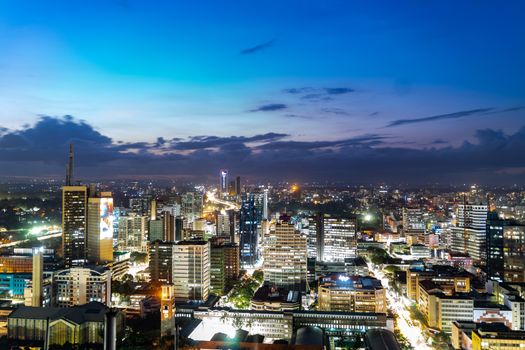
4. Nairobi, Kenya: The Silicon Savannah Outpacing Western Fintech
Nairobi is no longer just a stopping point before going on safari in the Masai Mara. In August 2026, Kenya's capital is a global fintech leader and a haven for digital nomads, outperforming cities like Berlin or Dublin in mobile integration, green energy generation, and tech enterprise growth.
```
+-----------------------------------------------------------------------+
| NAIROBI AT A GLANCE |
| Key Flex: Over 90% renewable grid, advanced mobile payments |
| Beats Europe In: FinTech adoption, fiber-optic speeds, startup growth |
+-----------------------------------------------------------------------+
```
Powered by 90%+ Renewable Energy
While Germany and other European manufacturing giants were forced to re-open coal plants during recent energy squeezes, Kenya’s national power grid runs on over 90% renewable energy, driven primarily by geothermal power from the Great Rift Valley, supplemented by wind and solar. Running your laptop at a co-working space in Westlands or Kilimani means using clean power.
The Cashless Society Standard
In Nairobi, your smartphone is your wallet. The evolution of M-Pesa into a full financial super-app means credit card readers and paper bills are obsolete remnants of the past. From high-end dining spots in Karen to small-scale street kitchens serving fresh nyama choma (grilled meat), instant peer-to-peer mobile payments are the default.
Add to this the double-decker Nairobi Expressway, which bypasses inner-city congestion to carry travelers from Jomo Kenyatta International Airport to the tech corridor in under 15 minutes, and Nairobi’s infrastructure moves faster than almost any city in Eastern Europe.
- Pro-Tip: Head to Kilimani for the best co-working setup. Grab a hot-desk at Ikigai Nairobi, a open-air garden co-working space featuring 1 Gbps fiber internet, local coffee bars, and solar-powered outdoor workstations set among lush greenery.
---
5. Sandton (Johannesburg), South Africa: Modern Architectural Muscle
While parts of broader Johannesburg face ongoing public service realignments, the autonomous financial enclave of Sandton—often called "Africa’s Richest Square Mile"—operates at an infrastructure tier that rivals or exceeds Frankfurt, Zurich, or London's Canary Wharf.
```
+-----------------------------------------------------------------------+
| SANDTON AT A GLANCE |
| Key Flex: High-speed Gautrain link, dense modern skyscraper district |
| Beats Europe In: Modern skyscraper tech, high-end lifestyle precincts|
+-----------------------------------------------------------------------+
```
Ultra-Modern Architecture and The Gautrain
Sandton is defined by striking modern engineering. The skyline is dominated by The Leonardo, a 234-meter mixed-use tower featuring modern luxury apartments, roof-top gardens, and solar-glass facades.
The heart of Sandton’s mobility is the Gautrain, an underground high-speed commuter rail link. Clean, heavily secured, and perfectly punctual, the Gautrain whisks passengers from O.R. Tambo International Airport directly into Sandton Central Station in precisely 15 minutes. The station sits underneath a multi-level shopping and dining sanctuary, allowing visitors to travel from the terminal to international boardrooms without ever sitting in traffic.
Micro-Grid Resilience
To counter regional grid fluctuations, Sandton’s commercial towers and luxury precincts operate on private micro-grids powered by massive rooftop solar systems, localized battery storage, and smart energy monitoring. The result? Uninterrupted power, high-speed fiber connectivity, and seamless operation, regardless of external conditions.
- Pro-Tip: Stay at the Alicia Hotel & Residences connected to Sandton City. You can take the Gautrain directly from the airport terminal into the basement of the complex, tap your credit card at the automated gate, and check in via digital kiosk without needing local cash.
---
Logistics Breakdown: Costs, Connectivity, and Travel Hacks
Planning a trip to these tech-forward urban hubs in late 2026? Here is what you need to know about budgets, transit, and getting around:
Quick Facts Comparison Table
| City | Estimated Daily Budget (USD) | Primary Transit Mode | Fiber/6G Availability | Ideal Time to Visit |
| :--- | :--- | :--- | :--- | :--- |
| Kigali, Rwanda | $80 - $180 | VW Electric Move App / Tap Bus | Exceptional (Citywide Free Wi-Fi) | June – September |
| NAC, Egypt | $100 - $220 | Monorail / Electric Light Rail | High (Smart City Fiber Grid) | October – April |
| Rabat / Casa | $70 - $160 | Al Boraq Bullet Train / Tramway | High (4G/5G/Fiber everywhere) | May – October |
| Nairobi, Kenya | $60 - $150 | Electric Uber / Express Highway | Exceptional (Silicon Savannah Hub) | July – October |
| Sandton, SA | $90 - $210 | Gautrain Rapid Rail Network | High (Private Corporate Fiber) | Year-Round |
---
How to Navigate Like an Insider in 2026
1. Ditch Paper Currency
Before flying out, clear out your physical wallet. In Kigali, Nairobi, and Rabat, cash is largely an unnecessary hassle. Ensure your credit card has no foreign transaction fees, add your cards to Apple Pay or Google Wallet, and download local transit apps (Move by VW in Rwanda, ONCF Traffic in Morocco, Gautrain Card App in South Africa) before boarding your flight.
2. Streamline Airport Customs with e-Visas
Forget waiting in long queues at immigration desks. Rwanda, Kenya, Egypt, and South Africa offer fully digital e-Visa or ETA (Electronic Travel Authorization) portals.
* Kenya operates an entirely visa-free ETA platform: submit your travel details online 72 hours prior to arrival for automatic QR-code approval.
* Rwanda grants instant 30-day visas on arrival for all global nationalities, processed in minutes via automated passport scanners at Kigali International.
3. Embrace Local eSIM Technology
Instead of purchasing physical SIM cards at arrival kiosks, buy an regional Africa eSIM package via Airalo or Maya Mobile prior to departure. You will step off the plane connected directly to local high-speed 5G and 6G networks at localized rates (typically $10–$15 USD for 10GB of data).
---
The Verdict: The Future Has Shifted South
The idea that top-tier urban development belongs exclusively to the West is an outdated 20th-century mindset. By shedding legacy systems, investing heavily in clean-energy grids, prioritizing cashless transport, and building smart cities from the ground up, African metros are showing the world how modern capitals should function.
Whether you are catching the silent Al Boraq bullet train across Morocco, sitting in a solar-powered garden office in Nairobi, or walking down Kigali’s spotless boulevards, one thing is abundantly clear: the world's most exciting urban futures are being written in Africa today.
---