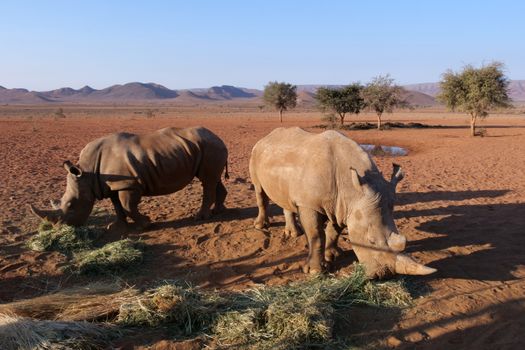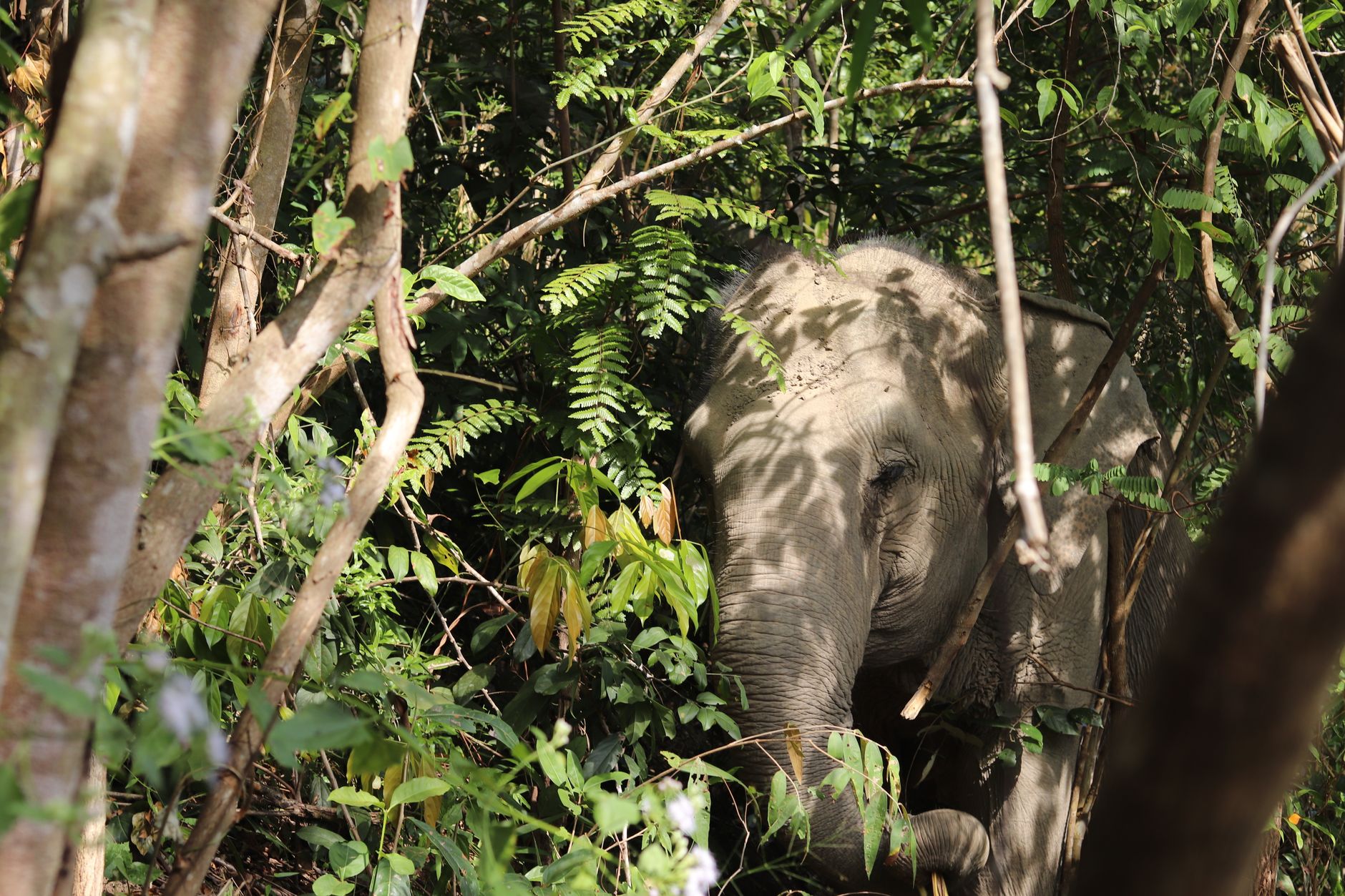
The Moment Tourism Transformed Into Restoration
I stepped off the zodiac onto the damp, obsidian gravel of North Seymour Island, greeted instantly by the pungent, metallic scent of nesting blue-footed boobies, wet lava rock, and crushed ocean salt. The equatorial sun was barely slicing through the early morning mist, casting a pale bronze glow across the arid scrub. As a juvenile sea lion ambled past my boots, my guide, Xavier, leaned in and tapped my shoulder.
"You see that patrol boat sitting off the northern cape?" he whispered. "Your $200 island entry tax paid for its fuel tank this morning. Without that boat, three longline fishing vessels would have cleared this bay of hammerheads by noon."
That single interaction crystallizes the modern travel landscape for August 2026. We have moved past the passive era of "leave no trace." Today's travel standard is active ecological regeneration. By visiting specific sanctuaries during August—when weather windows open and critical wildlife migrations peak—your presence directly funds armed anti-poaching units, marine patrol fleets, and indigenous land-lease payments.
If you are planning your August 2026 itinerary, these six high-authority destinations guarantee that your trip dollars deliver verified, ground-level conservation success.
---
1. Volcanoes National Park, Rwanda: Protecting Mountain Gorillas
```
+------------------------+-----------------------------------------------------------+
| CONSERVATION LEVY | $1,500 per permit (10% direct to local community revenue) |
| AUGUST CLIMATE | Primary Dry Season; 15°C–22°C; crisp, clear canopy skies |
| PRIMARY SPECIES IMPACT | Eastern Mountain Gorilla (Gorilla beringei beringei) |
+------------------------+-----------------------------------------------------------+
```
How the Money Works
When you purchase a $1,500 gorilla trekking permit through the Rwanda Development Board (RDB), you are not just buying an hour with endangered primates. Ten percent ($150) goes straight into the Community Revenue Sharing Program to construct local schools, clean water grids, and health clinics around Kinigi. The remaining $1,350 funds 24/7 armed veterinary patrols, anti-poaching snare sweeps, and habitat monitoring.
What August 2026 Looks Like on the Ground
August sits right in Rwanda's dry season. The bamboo shoots on the slopes of Mount Bisoke and Mount Karisimbi thin out, forcing gorilla families into lower, accessible forest corridors. The mud on the steep ascents is manageable, and light conditions for rainforest photography are exceptional.
> Pro-Tip: Arrive at the Kinigi Park Headquarters by 6:00 AM sharp. Ask your lodge manager to contact the chief ranger the night before to request an allocation for the Sabyinyo Family if you want shorter tracking times, or the Amahoro Family if you want deep-jungle foliage shots away from other trekking groups.
---
2. Mara North Conservancy, Kenya: Securing Land for the Great Migration
```
+------------------------+-----------------------------------------------------------+
| CONSERVATION LEVY | $116/night Conservancy Fee + $200 Daily Park Entry Levy |
| AUGUST CLIMATE | Cool, dry winter; 12°C mornings to 26°C afternoons |
| PRIMARY SPECIES IMPACT | Panthera leo (Lion), Black Rhino, Wildebeest corridors |
+------------------------+-----------------------------------------------------------+
```
How the Money Works
Unlike public national reserves where tourism revenues often get diverted into central municipal budgets, private conservancies like Mara North operate on a direct lease model. Every visitor pays a mandatory daily conservancy fee that aggregates into guaranteed monthly lease payments to over 800 Maasai landowner families. This financial structure guarantees that local landowners preserve their ancestral plots for wildlife corridors rather than selling to agricultural corporations or fencing land for cattle grazing.
```
TOURIST VISIT
│
▼
Daily Conservancy Fee ($116/night)
│
▼
Direct Monthly Lease to Maasai Families
│
▼
Habitat Protected ──► Fences Removed ──► Migration Thrives
```
The August Great Migration Advantage
By mid-August, over 1.5 million wildebeest and zebras pour across the Mara River from the Serengeti. Staying inside Mara North gives you private access to the migration spectacle without the heavy vehicle gridlock typical of the public Masai Mara National Reserve.
> Pro-Tip: Tell your safari guide to exit the camp gate at 5:30 AM toward the Olare Orok boundary ridge. You will catch resident lion prides hunting in the low tussock grass an hour before the mainstream tour vehicles arrive from the main reserve gates.
---
3. Misool Private Marine Reserve, Indonesia: Turning Poachers into Rangers
How the Money Works
Located in southern Raja Ampat, Misool is a private 1,200-square-kilometer No-Take Marine Reserve. Founded through a cooperative agreement with local village elders, every guest staying at Misool Resort or diving from affiliated liveaboards pays a direct conservation fee. These funds hire local villagers—former shark-fin fishermen and poachers—to run a 24/7 radar-backed marine ranger patrol that enforces zero-fishing rules across the sanctuary.
```
[Poaching Hotspot] ──(Tourism Investment)──► [Local Ranger Patrol] ──► [+250% Fish Biomass]
```
Diving in August 2026
While northern Raja Ampat experiences heavy swells during the mid-year monsoon, Misool’s southern karst island microclimate stays calm. August brings cold, nutrient-rich upwellings that fill the water column with oceanic manta rays and dense schools of fusiliers. Fish biomass inside the Misool Reserve has increased by over 250% since its inception.
- Key Coral Sites: Magic Mountain, Fiabacet, Boo Windows.
- Target Species: Oceanic Manta (Mobula birostris), Epaulette Walking Shark, Pygmy Seahorse.
> Pro-Tip: The hidden entry to the turquoise lagoon at Wayilbatan is only passable during a precise 45-minute window at mid-tide. Use a low-draft sea kayak at 7:15 AM to glide through the limestone archway without disturbing feeding green sea turtles.
---
4. Corcovado National Park, Costa Rica: The Osa Peninsula Rainforest Tax
```
+------------------------+-----------------------------------------------------------+
| CONSERVATION LEVY | $18 SINAC Park Pass + $110-$150 Mandatory Certified Guide |
| AUGUST CLIMATE | "Green Season"; morning sunshine, brief afternoon rains |
| PRIMARY SPECIES IMPACT | Baird’s Tapir, Scarlet Macaw, Jaguar (Panthera onca) |
+------------------------+-----------------------------------------------------------+
```
How the Money Works
Costa Rica’s National System of Conservation Areas (SINAC) relies heavily on strict visitor quotas and mandatory certified local guide policies. Your daily permit fees directly fund anti-poaching operations and reforestation projects across the Osa Peninsula, an area holding 2.5% of the planet's total biodiversity.
August Wildlife Dynamics
August falls within Costa Rica’s "Green Season." Don't let the afternoon rains deter you; the rainforest bursts with fruit, bringing Baird’s tapirs, white-lipped peccaries, and four native species of monkeys down to the coastal trails. Out in the adjacent Golfo Dulce, humpback whale mothers arriving from Antarctica use the warm, calm waters as a nursery for their newborn calves.
```
[August Rains] ──► [Forest Fruit Peak] ──► [Tapir & Primate Lowland Foraging]
│
[Warm Seas] ──► [Humpback Nursery] ────────────┴─► [Unmatched Biodiversity Access]
```
> Pro-Tip: Avoid entering through Drake Bay like most tour groups. Instead, book an early entry permit for the Sirena Ranger Station via a 4x4 transfer to Carate, walking the coastal beach trail at dawn. You'll double your chances of spotting tapirs resting in the cool surf along Madrigal Beach.
---
5. Palau Marine Sanctuary, Micronesia: The Pioneer Stamped Pledge
How the Money Works
Upon entering Palau, every international visitor has a environmental pledge stamped directly into their passport, signed as an agreement to protect the delicate island ecology. Included in your flight ticket is the $100 Pristine Paradise Environmental Fee (PPEF). These funds directly finance the Palau National Marine Sanctuary, a 500,000-square-kilometer ocean reserve where commercial extraction is strictly illegal.
```
PALAU PLEDGE TARIFF STRUCTURE
┌─────────────────────────────┐
│ $100 Ticket Levy (PPEF) │
└──────────────┬──────────────┘
│
┌──────────────┴──────────────┐
│ 500,000 sq km Marine Reserve│
└──────────────┬──────────────┘
│
┌────────────────────┴────────────────────┐
▼ ▼
[Fuel for Coastal Guard] [Reef Restoration Units]
```
August Ocean Conditions
August delivers crystal-clear oceanic visibility off the outer reefs of Koror and Peleliu. The southwest monsoon winds dissipate early in the month, allowing access to world-renowned drop-offs without heavy surface swells.
- Primary Dive Sites: Blue Corner, Peleliu Wall, Ulong Channel.
- Key Marine Encounters: Grey Reef Sharks, Napoleon Wrasse, Mantas.
> Pro-Tip: When diving Blue Corner in August, ask your divemaster to timing your drop for an outgoing tide. Clip into the rock shelf using a reef hook at 18 meters; you'll drift effortlessly as dozens of reef sharks hover less than three feet above your head.
---
6. Galapagos Marine Reserve, Ecuador: Higher Tariffs, Stronger Biosecurity
```
+------------------------+-----------------------------------------------------------+
| CONSERVATION LEVY | $200 Entry Fee (Updated 2024/2026 tariff structure) |
| AUGUST CLIMATE | Cool Humboldt Current; 19°C–23°C sea temps; wild seas |
| PRIMARY SPECIES IMPACT | Galapagos Penguin, Marine Iguana, Whale Shark |
+------------------------+-----------------------------------------------------------+
```
How the Money Works
The Galapagos National Park doubled its entrance fee to $200 per international visitor to curb over-tourism and fund conservation efforts. These revenues directly finance biosecurity canine inspection teams at Baltra and San Cristóbal airports (stopping invasive insects and plants), fuel park patrol vessels, and support giant tortoise breeding centers across the archipelago.
Why August 2026 is Peak Marine Magic
August brings the peak strength of the cold Humboldt Current. While this requires a 5mm wetsuit, the nutrient-dense waters fuel incredible underwater wildlife displays. Marine iguanas dive deep to graze on cold-water algae, marine bird colonies burst into courtship displays, and massive female whale sharks pass through the northern waters off Darwin and Wolf Islands.
> Pro-Tip: Catch the 6:00 AM local water taxi from Puerto Ayora to the trail leading to Las Grietas on Santa Cruz Island. You’ll beat the organized cruise shore parties and get to swim through the volcanic fissure alongside green sea turtles in near-solitude.
---
Quick Facts & Logistics Matrix
| Destination | Direct Conservation Fee | Verified Conservation Output | How to Get There (August 2026) | Estimated Daily Spend ($ USD) |
| :--- | :--- | :--- | :--- | :--- |
| Volcanoes Nat. Park, Rwanda | $1,500 permit fee | Gorilla anti-poaching & 10% community payout | Fly to Kigali (KGL); 2.5-hour private transfer via paved road to Musanze. | $1,800 - $3,200 |
| Mara North, Kenya | $116/night conservancy fee | Direct Maasai land leases & lion corridor protection | Bush flight from Nairobi Wilson (WIL) to Mara North Airstrip (45 mins). | $850 - $1,900 |
| Misool Reserve, Indonesia | $100 marine park fee + lodge levy | 24/7 local anti-poaching ranger patrols | Fly to Sorong (SOQ); 4-hour high-speed private ferry to Misool archipelago. | $600 - $1,200 |
| Corcovado, Costa Rica | $18 SINAC entry + guide fees | Primary rainforest & jaguar corridor protection | Fly San José (SJO) to Puerto Jiménez (PJM); 4x4 transfer to Carate trailhead. | $250 - $600 |
| Palau Marine Sanctuary | $100 PPEF entry fee | 500k sq km no-take marine zone patrol funding | Direct flights to Koror (ROR) from Taipei, Manila, or Tokyo. | $400 - $850 |
| Galapagos Islands, Ecuador| $200 NP entry + $20 transit card | Biosecurity enforcement & island species recovery | Fly Quito (UIO) or Guayaquil (GYE) to Baltra Island (GPS). | $500 - $1,400 |
---
How to Ensure Your Travel Dollars Reach the Ground
Before booking any tour operator or lodge for August 2026, verify these three essential standards:
- Direct Land Lease Audits: Ask your safari lodge or eco-resort for a breakdown of their conservancy fees. The money should be paid directly to local landowners or dedicated trust funds rather than unverified third parties.
- Local Employment Percentages: Choose operators that hire at least 80% of their field staff, trackers, and managers from surrounding villages.
- GSTC Certification: Confirm that your accommodations are certified by the Global Sustainable Tourism Council (GSTC) or local equivalents like Eco-Tourism Kenya (Gold Level) or Costa Rica's CST (Certification for Sustainable Tourism).
---