The Breath of the Volcano: Why Your 2026 Travel Must Be Regenerative
I stepped off the mud-slicked path in Rwanda’s Volcanoes National Park, and the first thing that hit me wasn't the sight of a Silverback—it was the smell. It was a thick, intoxicating cocktail of crushed eucalyptus, damp volcanic soil, and the wild, musky scent of wet fur. My lungs, usually accustomed to the dry grit of urban life, felt like they were drinking for the first time.
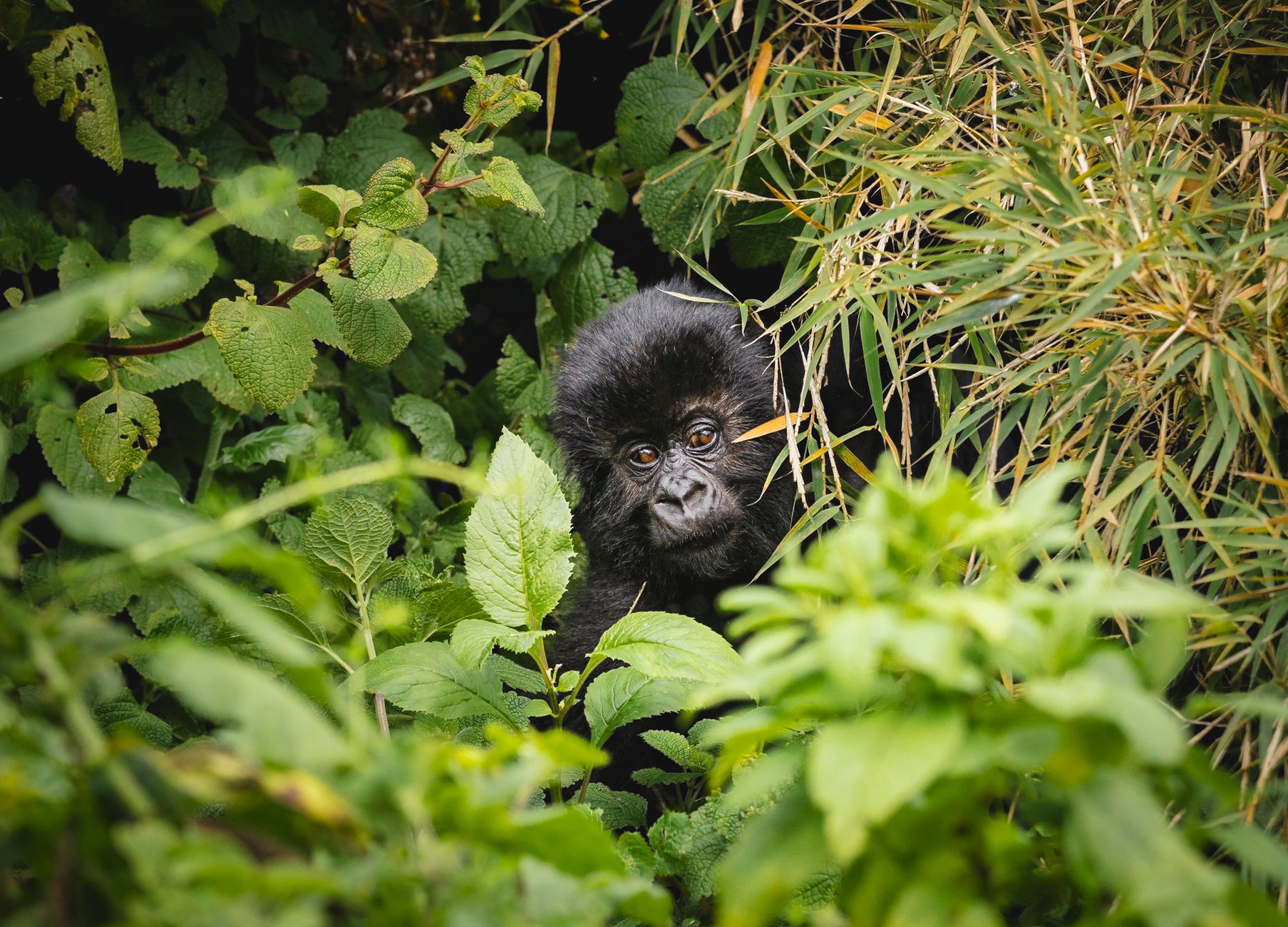
As I watched a juvenile mountain gorilla tumble through the bamboo, our guide, Olivier, whispered something that stayed with me: "Twenty years ago, I was setting snares here. Today, your permit pays my salary to dismantle them."
This is the reality of travel in 2026. We are moving past the era of "sustainable" travel—which essentially meant doing less harm—and into the era of Regenerative Tourism. In April 2026, the most elite travelers aren't looking for gold-plated faucets; they are looking for tangible proof that their presence is a net positive for the dirt beneath their boots.
1. Rwanda: The Gold Standard of Great Ape Protection
April in Rwanda marks the tail end of the rainy season. The dust is settled, the air is crystalline, and the emerald hues of the Virunga Mountains are so vibrant they look photoshopped.
When you pay $1,500 for a gorilla trekking permit, you aren't just buying an hour with the primates. You are funding a complex socio-economic engine. 10% of all tourism revenue goes directly into community projects—schools, health clinics, and clean water for the people living on the park's edge. This eliminates the economic necessity of poaching.
The Insider Scoop:
Don't just do the gorillas. Head to Akagera National Park. It’s the only place in Rwanda to see the Big Five, and it’s managed by African Parks, a non-profit that has transformed this once-depleted landscape into a thriving ecosystem. In April, the birdlife is spectacular as migratory species prepare to head north.
- Pro-Tip: Book the "Behind the Scenes" tour at Akagera to meet the K9 anti-poaching unit. Seeing these Belgian Malinois in action is a masterclass in modern conservation.
2. Palau: The World’s First Carbon-Neutral Destination
If you’re heading to the Pacific in April 2026, Palau is the only choice for the ethically minded. Upon arrival, you don't just get a stamp; you sign the Palau Pledge in your passport—a promise to the children of Palau to tread lightly.
But in 2026, Palau has leveled up. They’ve launched a national carbon management program where every tourist activity—from diving the Blue Holes to kayaking the Rock Islands—is tracked via the Ol'au Palau app. Your spending earns you "points" that unlock exclusive local experiences (like secret fishing spots or dinners with village elders) that aren't available to the general public.
The Details:
The water temperature in April is a perfect 82°F (28°C). You’ll see manta rays, reef sharks, and the surreal, non-stinging Golden Jellyfish. Your reef taxes and permit fees directly fund the Palau National Marine Sanctuary, one of the largest protected ocean areas on Earth.
- Pro-Tip: Skip the main resorts in Koror. Look for community-run homestays on the big island of Babeldaob. You’ll eat pounded taro and fresh-caught snapper while your dollars stay 100% within the local village.
3. Namibia: Where the Desert-Adapted Lions Roam
April is the "shoulder season" in Namibia. The searing summer heat is breaking, and the landscape is surprisingly green after the rains. Namibia is the first African country to incorporate environmental protection into its constitution, and nowhere is this more evident than in the Kunene Region.
Here, the land is divided into "Communal Conservancies." The local Himba and Damara people actually own the wildlife on their land. When you stay at a lodge like Desert Rhino Camp, a significant portion of your nightly rate goes to the Save the Rhino Trust.
Authenticity Note:
This isn't a manicured safari. It’s raw. You’ll track black rhinos on foot across rocky plains that look like the surface of Mars. The architecture of the newer lodges in 2026 focuses on "light footprints"—modular structures that can be dismantled in 48 hours, leaving the desert exactly as it was.
- Pro-Tip: Ask for a "sleep-out" deck. There is zero light pollution here. In April, the Milky Way is so bright you can almost read a book by it.
4. Scotland: The Great Rewilding of the Highlands
You might not associate the UK with "conservation tourism," but the Scottish Highlands are undergoing a massive transformation. In April 2026, the gorse is blooming yellow, and the glens are alive with the sound of rushing meltwater.
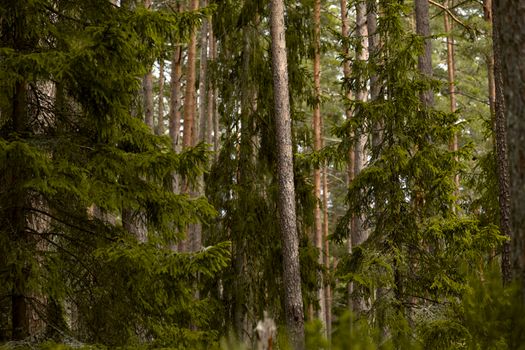
Places like the Alladale Wilderness Reserve are leading the charge to bring back the "Caledonian Forest." Your stay funds the planting of hundreds of thousands of native Scots pine, rowan, and birch trees. They are even working on a project to reintroduce the European Wildcat, a species on the absolute brink of extinction.
The Vibe:
Think tweed, peat-heavy whiskey by a roaring fire, and rugged hikes through landscapes being restored to their pre-Victorian glory. It’s gritty, it’s intellectual, and it’s deeply satisfying.
- Pro-Tip: Visit the Cairngorms Connect project. It’s a 200-year plan to restore a vast area of the national park. The "hidden entrance" to some of the best viewing hides is through the back of the Glenmore Visitor Centre—ask for the "Ranger’s Path."
5. Costa Rica: The Osa Peninsula’s Biological Corridor
While the rest of Costa Rica can feel a bit "eco-Disney," the Osa Peninsula remains the wild frontier. It holds 2.5% of the world’s biodiversity in just 0.001% of its landmass.
In April, the weather is transitioning, meaning fewer crowds but still plenty of sun. Staying at lodges like Lapa Rios means you are literally paying to keep the rainforest standing. They protect a 1,000-acre private reserve that acts as a critical corridor between Corcovado National Park and the rest of the peninsula.
The Sensory Experience:
The wake-up call here isn't an alarm; it’s the guttural, prehistoric roar of Howler Monkeys at 5:15 AM. The air is thick with the scent of jasmine and rotting tropical fruit—the smell of life happening at 100mph.
- Pro-Tip: Take the night walk. 80% of the rainforest’s activity happens after dark. You’ll see red-eyed tree frogs, eyelash vipers, and if you’re lucky, the bioluminescent fungi that glow like tiny stars on the forest floor.
Quick Facts & Logistics: April 2026 Impact Travel
| Destination | Estimated Cost (Weekly) | Primary Conservation Focus | Best Way to Get There |
| :--- | :--- | :--- | :--- |
| Rwanda | $4,000 - $7,000 | Mountain Gorillas & Community | Fly into Kigali (KGL); 3-hour drive to Musanze. |
| Palau | $3,500 - $5,500 | Marine Ecosystems & Carbon | Fly to Koror (ROR) via Taipei or Guam. |
| Namibia | $3,000 - $6,000 | Black Rhino & Desert Lions | Fly to Windhoek (WDH); 4x4 rental is essential. |
| Scotland | $2,000 - $4,500 | Reforestation & Wildcat Recovery | Train from London to Inverness; rent an EV. |
| Costa Rica | $2,500 - $5,000 | Biodiversity Corridors | Internal flight from San Jose (SJO) to Puerto Jimenez. |
The Bottom Line: Why April 2026?
April is the "sweet spot" for global conservation travel. It’s a month of transition—the world is either waking up from winter or cooling down from summer. This means wildlife is active, landscapes are lush, and the heavy "overtourism" crowds of July/August are nowhere to be seen.
When you choose a destination where tourism funds conservation, you aren't just a visitor. You are a patron. You are the reason a ranger has a thermal scope, the reason a village has a medical clinic, and the reason a forest isn't a palm oil plantation.
In April 2026, don't just go somewhere. Be the reason somewhere survives.
---