The Hook: Smelling the Sumac in Erbil
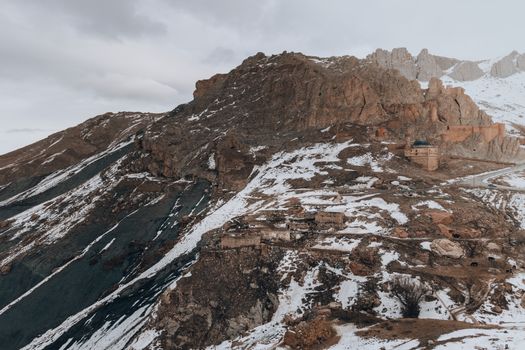
I stepped off the local passenger van into the blistering midday heat of Erbil, and my senses were instantly slammed by a wave of crushed cardamom, roasted lamb fat, and diesel exhaust. Above me, perched on an ancient earthen mound that has stood for over 6,000 years, the brick ramparts of the Erbil Citadel glowed like molten copper under the Iraqi sun.
A decade ago, this region made global headlines for all the wrong reasons. But as I sat on a low plastic stool in the Grand Bazaar, accepting a second glass of scalding tea from an elderly Kurdish man with a sun-cured smile and a sky-blue turban, the tension vanished. The only conflict here today is deciding whether to order a second plate of Kurdish Kleicha pastries.
The travel landscape has fundamentally shifted. Destinations once strictly blacklisted by foreign ministries are now open, secure, and eager to welcome curious travelers. August 2026 marks a tipping point: infrastructure projects have matured, local communities are driving eco-tourism initiatives, and safety indices in these resilient zones rival those of Western European capitals.
If you are seeking untamed landscapes, raw hospitality, and zero tourist crowds, these five former war zones belong at the top of your August 2026 bucket list.
---
1. Iraqi Kurdistan: The Sovereign Oasis of the Middle East
While much of the regional narrative remains complex, the autonomous Kurdistan Region of Iraq (KRI) stands as a monument to peace and fierce hospitality. Independent from federal Iraq’s security apparatus, Kurdistan operates its own borders, military (the Peshmerga), and visa regime. By August, the high mountain passes offer a cool refuge from the low desert heat.
```
[ Erbil Citadel ]
│
┌────────────────┴────────────────┐
▼ ▼
[ Rawanduz Gorge ] [ Amadiya Village ]
(Canyon Hiking) (Historic Fortress)
```
What Transformed
Following years of regional instability, KRI built ironclad security networks and invested heavily in modern infrastructure. The region now boasts international airport hubs, slick highways, and zero recorded tourist security incidents over the last several years.
What to Experience
Start at the Erbil Citadel, a UNESCO World Heritage site considered the oldest continuously inhabited settlement on Earth. Modern life thrums below in the Shar Park fountains, where elders play backgammon under dusty palms.
From Erbil, hire a private taxi up the dramatic Hamilton Road to the Rawanduz Gorge. This 1,000-meter-deep canyon cuts through the Zagros Mountains, offering alpine microclimates, cold springs, and breathtaking ridge treks that resemble the American Southwest—minus the tour buses.
- Local Dish to Try: Yaprakh (vine leaves, onions, and zucchini stuffed with spiced rice and minced lamb, slow-cooked in sour plum broth).
- Pro-Tip: Skip the main entrance to the Erbil Souk. Walk around to the eastern perimeter behind the yellow-brick textile market; look for a unmarked wooden door leading down to the 200-year-old Mam Khalil Tea House. Order the cardamom tea (Chai Seyb) and ask to see his vintage photo archive.
---
2. San José del Guaviare, Colombia: The Amazonian Frontier
For over four decades, the dense jungle surrounding San José del Guaviare was the undisputed stronghold of the FARC guerrilla movement. Tourists were non-existent. Today, thanks to historic peace accords and community-led conservation, this transition zone between the Andes, Orinoco, and Amazon basins has emerged as South America’s premier eco-adventure frontier.
What Transformed
Former combatants have laid down arms and retrained as wilderness guides, botanical experts, and park rangers. Their intimate knowledge of the terrain now protects the delicate ecosystems they once hid within.
```
[ San José del Guaviare ]
│
┌──────────────┴──────────────┐
▼ ▼
[ Cerro Azul ] [ Caño Sabana ]
(Rock Art) (Red Water River)
```
What to Experience
August falls right in the middle of the wet season, which is crucial for visiting Caño Sabana and Tranquilandia. Much like its famous sibling Caño Cristales, the riverbed here bursts into vibrant shades of fuchsia and crimson as the aquatic plant Macarenia clavigera blooms under shallow, rushing water.
Equally mind-blowing is Cerro Azul. Deep in the jungle, massive sheer limestone walls are covered in thousands of 12,000-year-old red ochre paintings depicting extinct Ice Age megafauna, sloths, and early hunter-gatherers.
- Local Dish to Try: Sancocho de Gallina cooked over an open wood fire, served with fried plantains and wild jungle coriander (Culantro).
- Pro-Tip: The rock paintings at Cerro Azul get heavy morning humidity that creates a hazy sheen over the ochre. Hike up precisely at 1:30 PM; as the afternoon sun hits the limestone face at a 45-degree angle, the ancient red pigments pop with striking clarity for photography.
---
3. Jaffna & The Northern Province, Sri Lanka: The Tamil Heartland
The brutal 26-year Sri Lankan civil war came to an end in 2009, with its epicenter located in the far northern Jaffna Peninsula. For decades, the north was cut off from the south by heavy military checkpoints and destroyed rail lines. In 2026, the Northern Province is fully integrated, exceptionally safe, and offers a stark, fascinating cultural contrast to the palm-fringed beaches of Down South.
```
[ Jaffna Town ]
│
┌────────────────┴────────────────┐
▼ ▼
[ Nallur Kovil ] [ Delft Island ]
(Golden Temple) (Wild Dutch Horses)
```
What Transformed
Demining efforts across the peninsula are complete, the historic Yal Devi express train line was fully rebuilt, and Tamil heritage sites have been meticulously restored.
What to Experience
Jaffna is defined by its deep Hindu traditions, arid landscapes, and distinct southern-Indian-influenced cuisine. Visit the staggering Nallur Kandaswamy Kovil, a massive Hindu temple complex with golden towers (gopurams). In August, the temple hosts the Nallur Festival, a 25-day sensory extravaganza of drumming, chanting, high-energy processions, and vivid silks.
Take a daily ferry across the pale blue waters of the Palk Strait to Delft Island (Neduntheevu). Here, wild horses descended from Dutch colonial livestock roam among coral-stone walls, baobab trees, and abandoned Portuguese fortresses.
- Local Dish to Try: Jaffna Crab Curry, cooked with roasted dark curry powder, fresh coconut milk, and fiery dried red chillies, thickened with Odiyal (palmyra root flour).
- Pro-Tip: When visiting Delft Island, skip the crowded public ferry passenger deck. Request a spot on the open rear deck near the engine housing. Bring a lightweight sarong to shield yourself from sea spray; you'll dodge the interior heat and catch sight of flying fish along the path.
---
4. The Una River Valley, Bosnia & Herzegovina: Alpine Purity
The Bosnian War of the 1990s left deep scars across the Balkans, with cities like Sarajevo and Mostar enduring prolonged sieges. While those cities recovered long ago, adventurous travelers in 2026 are pushing further west to the Una River Valley near Bihać—a region that has converted its rugged, contested mountain terrain into Europe's cleanest water sanctuary.
What Transformed
International conservation funding and strict environmental protections established the Una National Park, turning former frontline mountain passes into world-class hiking, kayaking, and fly-fishing corridors.
```
[ Bihać Hub ]
│
┌──────────────┴──────────────┐
▼ ▼
[ Štrbački Buk ] [ Kulen Vakuf ]
(Cascading Waterfalls) (Ottoman Fortress)
```
What to Experience
The Una River is impossibly green, fed by subterranean karst springs that keep the water crystal-clear and freezing cold—even during August heatwaves. The crown jewel is Štrbački Buk, a 24-meter-high series of cascading travertine waterfalls surrounded by dense beech forests.
Spend your days whitewater kayaking down Class III rapids, exploring the ruins of the 14th-century Ostrožac Castle, or hiking up to the Ostrovica Fortress above Kulen Vakuf for panoramic views of the alpine valley.
- Local Dish to Try: Real Bosnian Burek—flaky, hand-rolled phyllo pastry stuffed with spiced minced beef, baked in round metal pans under a charcoal dome (Sač).
- Pro-Tip: The official entrance to Štrbački Buk gets busy by noon. Rent a mountain bike in Kulen Vakuf and take the unpaved forest track along the left bank of the river at 7:30 AM. You will have the entire waterfall viewing platform to yourself before the day-trippers arrive from Croatia.
---
5. Musanze & The Northern Corridor, Rwanda: Eco-Restoration
The 1994 genocide left Rwanda devastated. Today, through vision, strict anti-corruption laws, and community development models, Rwanda is celebrated as one of the safest nations on Earth—outranking many Western destinations in global safety indices. While gorilla trekking in Volcanoes National Park is well-known, the surrounding Northern Corridor around Musanze offers rich post-conflict cultural immersion.
What Transformed
Rwanda’s commitment to reconciliation created a safe country where national identity supersedes historical divisions. Former poachers and displaced villagers now run community-owned lodges, coffee cooperatives, and conservation networks.
```
[ Musanze Center ]
│
┌────────────────┴────────────────┐
▼ ▼
[ Musanze Caves ] [ Lake Burera ]
(2km Lava Tubes) (Twin Lakes Kayaking)
```
What to Experience
Base yourself in Musanze at the foot of the Virunga Volcanoes. Explore the Musanze Caves, a 2-kilometer-long underground lava tube system that served as an emergency shelter during historical conflicts, now safely accessible with expert local guides and lit trails.
Hike to the crater lake of Mount Bisoke or spend a quiet afternoon kayaking across the glassy waters of the Twin Lakes (Lake Burera and Lake Ruhondo), where terraced green hills drop straight into deep blue water against a backdrop of five towering volcanoes.
- Local Dish to Try: Brochettes (goat or beef skewers marinated in garlic, chili, and oil, grilled over open charcoal) served with Ibirayi (seasoned, fried Rwandan mountain potatoes).
- Pro-Tip: Skip the overpriced resort coffee tours. Head to the Kinigi Artisans Cooperative near the park headquarters at 8:00 AM on a Tuesday. Ask for Jean-Paul; he will take you directly to his family’s shade-grown Arabica plot, where you can hand-roast your own beans over clay coals for a fraction of the cost.
---
Logistics, Budgets & Quick Facts (August 2026)
Planning a trip to a recently recovered region requires sharp logistics. Here is how these five destinations stack up for August 2026:
| Destination | Estimated Daily Budget ($ USD) | Visa Difficulty | Best Arrival Airport | Safety Index Score (out of 100) |
| :--- | :--- | :--- | :--- | :--- |
| Iraqi Kurdistan | $45 - $80 (Mid-Range) | Easy (eVisa / VOA for 50+ nations) | Erbil International (EBL) | 88 / 100 |
| San José del Guaviare, Colombia | $35 - $60 (Budget/Mid) | Easy (90-day visa-free for most) | Bogotá (BOG) + 45-min local flight | 82 / 100 |
| Jaffna, Sri Lanka | $25 - $50 (Budget) | Easy (ETA Online) | Colombo (CMB) + 6-hr Express Train | 91 / 100 |
| Una Valley, Bosnia | $50 - $90 (Mid-Range) | Easy (90-day visa-free for most) | Zagreb (ZAG) or Sarajevo (SJJ) | 94 / 100 |
| Musanze, Rwanda | $70 - $140 (Mid/High) | Easy (eVisa / VOA for all) | Kigali International (KGL) | 96 / 100 |
---
Essential Safety Protocols for Post-Conflict Travel
While these regions are safe for mainstream travelers in August 2026, traveling responsibly requires situational awareness and cultural respect:
- Respect Photography Boundaries: Never photograph military personnel, police checkpoints, or government border posts—even if the region feels completely calm.
- Hire Local Guides: Beyond providing context, local guides ensure your money goes straight into the community economy. In places like Guaviare or Kurdistan, local guides know exact landowner boundaries and current trail conditions.
- Stick to Marked Trails in Rural Zones: Demining operations are complete in all tourist zones listed above. However, if you venture deep off-trail into unpopulated, unmapped wilderness, always go with a local expert.
- Carry Cash: Card infrastructure in places like Jaffna or rural Bosnia can be spotty. Keep fresh crisp bills in local currencies (Iraqi Dinar, Colombian Pesos, Sri Lankan Rupees, BAM, Rwandan Francs).
By choosing to visit these resilient destinations, you aren't just taking an unforgettable trip—you are directly funding peace, economic independence, and sustainable recovery for communities that have fought hard to welcome the world back.
---