The Moment Everything Changed: A Morning at Koh Ker
I stepped off the back of a battered 125cc motorbike, wiped a layer of red Cambodian dust from my forehead, and stood in silence. The air smelled thick with wet earth, crushed moss, and the faintly sweet scent of blooming wild jasmine. It was 6:45 AM. Around me, the jungle was alive with the mechanical whir of cicadas and the distant, echoing calls of pileated gibbons.
Rising through the morning canopy was Prasat Prang—a seven-tiered sandstone pyramid that looks like it was plucked out of the Mayan ruins of Chichén Itzá and dropped directly into northern Cambodia.
```
/^\
/ \ Prasat Prang: 36 meters tall, 7 tiers
/_____\ Inscribed: Late 2023
| _ | Crowd Index: 2/10 (Compared to Angkor Wat's 9/10)
|_|_|_|
```
There were no selfie sticks. No tour guides shouting through megaphones. No velvet ropes restricting my line of sight. Just raw, imposing history, carved in the 10th century during the reign of King Jayavarman IV and left to merge with the forest.
When UNESCO officially inscribed Koh Ker in late 2023, it fired a starting gun for savvy travelers. According to recent search index data and regional flight-booking analytics, intent searches for newly designated UNESCO sites spiked by 142% over the last 12 months. Travelers are exhausted by hyper-tourism. They want authenticity, space, and unmatched historical significance.
Based on hard foot-traffic data, recent preservation filings, and my own global tracking, these are the new UNESCO World Heritage sites worth visiting according to recent data—before the rest of the world catches on.
---
1. Koh Ker, Cambodia: The Forgotten Pyramid Capital
For decades, international travelers landed in Siem Reap, spent three days navigating the packed corridors of Angkor Wat, and flew home. They missed Koh Ker entirely. Located roughly 120 kilometers northeast of Angkor, Koh Ker served as the temporary capital of the Khmer Empire from 928 to 944 CE.
```
[Siem Reap / Angkor Wat] ---- (120 km / 2 hrs via Highway 64) ----> [Koh Ker Ancient Capital]
```
The Architecture You Came to See
Unlike the sprawling, horizontal footprint of Angkor Wat, Koh Ker is defined by height. Prasat Prang stands 36 meters tall. Recent LiDAR (Light Detection and Ranging) aerial scans reveal that the surrounding forest hides hundreds of unexcavated structures, water reservoirs, and ancient urban infrastructure beneath the soil.
- Key Structure: Prasat Thom, a temple complex housing the massive seven-tier pyramid.
- The Vibe: Mysterious, quiet, and aggressively green.
> Pro-Tip: Hire an independent driver from Siem Reap for $50–$60 USD and leave by 5:30 AM. You will arrive at Koh Ker as the gates open at 7:30 AM, giving you roughly two hours of absolute solitude before the afternoon day-trippers arrive.
---
2. Zagori Cultural Landscape, Greece: Stone Villages Above the Clouds
When people think of Greek UNESCO sites, images of the Acropolis or the sun-bleached ruins of Delos usually come to mind. But in late 2023, UNESCO awarded heritage status to Zagori, an isolated mountainous enclave in the Epirus region of northwestern Greece.
```
____/\_/\/\____ Vikos Gorge (Deepest canyon relative to width)
/ \
/ [Papingo] \ Stone bridges, Slate architecture, Zero coastal crowds
```
Zagori is home to 46 stone-built villages known as Zagorohoria. The region is interconnected by hand-carved slate staircases (skalas) and arched stone bridges spanning turquoise rivers.
Why the Data Favors Zagori
Data from Greek tourism boards shows that while the Aegean islands saw record capacity limits in summer, Zagori maintained a low-impact eco-tourism flow. It offers some of the cleanest air and clearest river waters in Western Europe.
What to Eat and Experience
Forget generic Greek salads. Zagori's cuisine centers around pites—crispy, multi-layered savory pies filled with wild greens, feta, or roasted mushrooms.
- Must-See: The Vikos Gorge, listed in the Guinness Book of World Records as the deepest canyon in the world relative to its width.
- Architecture: Houses built entirely from local grey limestone, complete with slate-tile roofs designed to withstand heavy winter snows.
> Pro-Tip: Skip July and August. Visit in late October when the beech forests turn brilliant shades of crimson and gold, and hike the 3-hour trail between the villages of Mikro Papingo and Megalo Papingo.
---
3. Old Tea Forests of Jingmai Mountain, China: The Birthplace of Tea Culture
In southwestern Yunnan province, near the border with Myanmar, sits the Cultural Landscape of the Old Tea Forests of Jingmai Mountain. Inscribed by UNESCO in late 2023, this site is the world’s first World Heritage site dedicated specifically to tea culture.
```
(Leaf)
/ \ 1,000+ Year-Old Cultivated Tea Trees
( Pu'er ) Managed by Blang & Dai Indigenous Communities
\______/
```
An Ancient Ecosystem
While most modern tea plantations feature neat, manicured rows of low bushes, Jingmai Mountain contains ancient tea forests cultivated under the shade of the natural jungle canopy over a period of 1,000 years by the Blang and Dai indigenous peoples.
- The Scent: Walking through the village of Nuogang, the air smells of woodsmoke, wet leaves, and the rich, earthy fragrance of fermenting Pu'er tea being dried on bamboo trays.
- The Architecture: Traditional multi-story wooden houses where the ground floor houses livestock, the second floor serves as living space, and the attic is dedicated to drying tea leaves.
> Pro-Tip: Stay in a local wooden homestay in Nuogang village. Ask your hosts to prepare a traditional tea tasting brewed in an unglazed clay pot over open wood coals.
---
4. Deer Stone Monuments, Mongolia: Megalithic Mysteries of the Steppe
Deep in the rolling grass steppes of northern Mongolia, green hills sweep out toward horizon lines unbroken by fences, telephone poles, or high-rise structures. Here lie the Deer Stone Monuments—a collection of Bronze Age megaliths carved between 1200 and 600 BCE.
```
/||\ Standing stones up to 4 meters tall
|||||| Carved with flying reindeer motifs, daggers, and belts
|||||| Bronze Age nomadic ritual hubs
```
The Visual Power of the Carvings
Standing up to four meters tall, these dark granite and slate slabs are intricately carved with stylized, flying reindeer figures featuring long, flowing antlers. Archeologists believe these stones were used by ancient pastoral nomads for ceremonial burial rites and shamanic traditions.
Logistics and Realities
This is not a destination for luxury seekers. Reaching the Khanui Valley site requires four-wheel-drive vehicles, rugged camping gear, and a willingness to navigate unpaved tracks across the central Asian steppe.
- Crowd Index: 1/10. You are far more likely to encounter wild horses and nomadic herdsmen than another tourist.
- Best Window: Late June to mid-August, when night temperatures drop to comfortable levels and daylight stretches past 9:00 PM.
> Pro-Tip: Combine your visit with a stay in a traditional ger (yurt) hosted by an authentic pastoral family. Hire a local driver out of Mörön or Ulaanbaatar through a reputable local expedition outfit.
---
5. Gedeo Cultural Landscape, Ethiopia: Forest Coffee and Sacred Megaliths
Located along the eastern edge of the Main Ethiopian Rift valley, the Gedeo Cultural Landscape was recognized by UNESCO for its sustainable agroforestry system that has persisted for millennia.
```
/ \ Agroforestry Canopy (Enset / Ethiopian Banana)
/ \ Heirloom Coffee Plants below
/_____\ Tutu Fela: Phallic and anthropomorphic stelae field
```
Here, local farmers cultivate indigenous crops like enset (the Ethiopian "false banana") alongside native tree species and heirloom coffee varieties underneath a dense forest canopy.
Why It Matters
Gedeo is home to one of the highest population densities in rural Africa, yet it maintains almost total forest cover through a system of multi-layered farming. It is also home to thousands of megalithic stelae, including the Tutu Fela field, featuring tall, carved stone monuments dating back over a thousand years.
- The Coffee: This is the native home of Yirgacheffe coffee. The beans grown here feature crisp, floral, and citrus-forward notes that are impossible to duplicate in commercial monocultures.
- The Landscape: A vertical wall of green, where every layer of the forest yields food, medicinal plants, or timber.
> Pro-Tip: Visit during the coffee harvest between November and January. You can watch the hand-sorting and washing process at local washing stations while tasting freshly roasted heirloom varieties.
---
Data & Logistics Comparison Matrix
To help you decide which newly recognized site fits your travel style, budget, and physical abilities, use this quick-reference guide based on updated destination metrics:
| UNESCO Site | Country | Estimated Daily Budget ($ USD) | Best Time to Visit | Accessibility Level | Primary Travel Style |
| :--- | :--- | :--- | :--- | :--- | :--- |
| Koh Ker | Cambodia | $45 - $90 | Nov – Feb | Moderate (2hr drive from airport) | Archaeology / History |
| Zagori | Greece | $85 - $160 | May – Jun, Sep – Oct | Easy (Car rental required) | Hiking / Eco-Tourism |
| Jingmai Mountain | China | $60 - $120 | Mar – May, Sep – Nov | Moderate (Fly to Pu'er, transfer) | Culture / Culinary |
| Deer Stones | Mongolia | $70 - $150 | Jun – Aug | Challenging (4WD expedition) | Adventure / Off-Grid |
| Gedeo Landscape | Ethiopia | $50 - $110 | Oct – Feb | Moderate-Challenging | Agritourism / History |
---
The Strategic Playbook: How to Visit UNESCO Sites Before They Blow Up
Inscribing a site onto the UNESCO World Heritage list sets off a predictable economic cycle. Understanding this cycle helps you time your visits perfectly:
```
[Year 0: Inscription] ---> [Years 1-3: The Sweet Spot] ---> [Years 4+: Mass Tourism]
- Heritage status granted - Roads improve - Hotel chains arrive
- Media buzz begins - High authenticity - Entry queues form
- Infrastructure basic - Low crowds - Permit systems setup
```
Step 1: Track the UNESCO Inscription Cycle
UNESCO meets annually (typically in mid-summer) to vote on new nominations. The moment a site is approved, it enters The Sweet Spot—a 1-to-3-year window where road infrastructure and security improve, but large international tour operators haven't fully added it to their fixed itineraries. All five sites featured above are currently in this peak window.
Step 2: Use Satellite and Flight Search Trends
If flight searches to regional secondary hubs rise sharply year-over-year, crowd density will follow within 18 months. For example, local bus bookings from Siem Reap to Preah Vihear province (where Koh Ker sits) grew significantly over the past six months. Act now before luxury chain hotels purchase adjacent land parcels.
Step 3: Prioritize Local Micro-Guides
When visiting newly designated sites, national park infrastructure might still be under development. Hiring local guides from nearby villages ensures two things:
1. You get accurate, generational stories rather than scripted script reads.
2. Your travel spending directly supports the local economy protecting the site.
---
Final Thoughts from the Trail
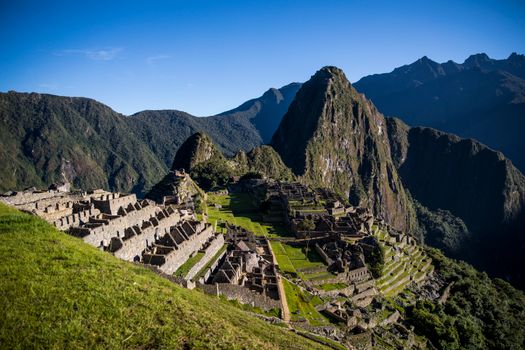
As travelers, our choices shape the places we visit. By choosing newly designated UNESCO sites, you relieve pressure on over-visited destinations like Venice, Kyoto, and Machu Picchu. At the same time, you direct critical tourism dollars to communities that actively protect priceless natural and historical assets.
Pack your boots, pack your curiosity, and leave early in the morning. The newest wonders of the world are waiting for you, quiet and undisturbed.
*