Beyond the Aesthetic: Zero-Waste Travel Secrets Instagram Influencers Don't Want You To Know
Remember that dreamy shot of an influencer sipping a coconut on a pristine beach, perfectly styled with a bamboo straw? Looks idyllic, right? What you don't often see is the mountain of single-use plastic bottles just out of frame, the discarded toiletries from their hotel, or the plastic bags used to carry their "sustainable" market finds. I’ve been there, scrolling through feeds, feeling a pang of guilt about my own travel habits, while simultaneously wondering if their picture-perfect eco-travel was even real.
My own wake-up call came during a backpacking trip through Southeast Asia. I was standing on a beautiful beach in the Philippines, the kind you see on postcards, but my eyes kept drifting to the tide line. It wasn't just shells and seaweed; it was plastic – bottle caps, wrappers, flip-flops, all washed ashore, a stark contrast to the stunning turquoise water. That moment hit me hard. I’d considered myself a conscious traveler, but my impact felt negligible against the sheer volume of waste. That's when I decided to get serious about zero-waste travel, not just for the 'gram, but for real.
This isn't about shaming anyone. It's about empowering you with practical, actionable strategies that go beyond the 'aesthetic' and get to the heart of truly responsible travel. Instagram influencers might show you the pretty bamboo cutlery, but they often gloss over the gritty, money-saving, planet-saving secrets that make zero-waste travel not just possible, but genuinely transformative. Let's peel back the filter and dive into the essentials that will change how you pack, how you travel, and how you see the world.
The Illusion of Eco-Chic: What Influencers Actually Pack (and Hide)
The "zero-waste" movement on social media often feels like another trend, focused on aesthetically pleasing products and curated minimalist vibes. While many influencers genuinely advocate for sustainability, the pressure to maintain a certain image can sometimes overshadow the practicalities. You might see a beautiful, branded reusable water bottle, but what about the plastic film it arrived in? Or the countless miniature hotel toiletries they still use when no one's looking?
The truth is, true zero-waste travel is less about buying new aesthetically pleasing items and more about rethinking what you already own, refusing what you don't need, and choosing functionality over fleeting trends. I once fell into the trap, buying a 'sustainable' travel kit that arrived in a mountain of plastic packaging. It taught me a valuable lesson: sustainability starts before the purchase. It's about conscious consumption, not just conscious display. My goal here is to equip you with the knowledge to make genuinely impactful choices, not just Instagram-worthy ones.
Your Unsung Heroes: Reusables That Actually Work (and Save You Big Bucks)
Forget the single-use mentality. These are the workhorses of my zero-waste travel kit, tried and tested across continents, from bustling Moroccan souks to serene Icelandic campsites. They might not always be the most 'glamorous' items, but they are undeniably essential.
- The Mighty Water Bottle & Filter: This is your #1 MVP. Forget buying plastic bottles daily – that's a quick way to accumulate waste and drain your wallet.
- My Go-To: A durable stainless steel bottle (like a Hydro Flask or Klean Kanteen). It keeps water cold in the desert and coffee hot in the mountains.
- The Game-Changer: A filtered water bottle. This is the secret weapon for travelers heading to places where tap water isn't potable. I swear by my Grayl GeoPress (around $90-$100 USD). It filters viruses, bacteria, and protozoa, turning questionable tap water (or even murky river water in a pinch!) into safe drinking water in seconds. This thing has saved me countless dollars and an untold number of plastic bottles in places like Vietnam, Peru, and rural India. It's an investment, but it pays for itself in less than a week of not buying bottled water.
- Tip: Always carry it empty through airport security and fill up at a water fountain on the other side. Many airports, especially in Europe and North America, have refill stations.
- The Humble Coffee Cup: For the caffeine addicts among us, this is a lifesaver.
- My Go-To: A collapsible silicone cup (like a Stojo, around $15-20 USD) or a lightweight insulated mug.
- Why it Rocks: Not only do you avoid single-use cups, but many cafes now offer discounts for bringing your own cup! In Berlin, I saved 20-50 cents on every coffee. Over a week, that adds up! Plus, it doubles as a convenient container for snacks or even a ramen cup in a pinch.
- The Indispensable Utensil Set: Street food is a huge part of travel, but so is the plastic cutlery that often comes with it.
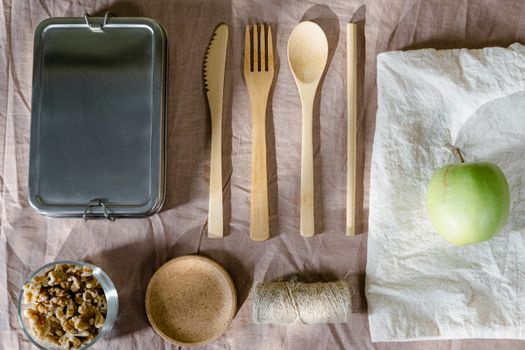
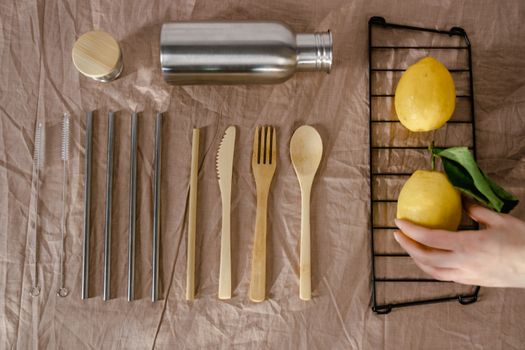
- My Go-To: A lightweight bamboo or stainless steel cutlery set (fork, spoon, knife, chopsticks) in a small cloth pouch. Mine cost about $10 USD online and has lasted years.
- Personal Story: I vividly remember sitting in a vibrant night market in Taipei, enjoying incredible gua bao, and pulling out my own bamboo fork with a quiet sense of satisfaction, while others around me wrestled with flimsy plastic. It felt like a small victory for the planet (and my meal experience!).
- The Multi-Purpose Reusable Bags: You can never have too many.
- My Go-To: A sturdy canvas tote bag (for groceries, souvenirs), a few lightweight mesh produce bags (for fruits and veggies at local markets), and a compact, foldable shopping bag.
- Why they're Awesome: From hauling fresh croissants in Paris to carrying laundry to a hostel washing machine, these bags are constantly in use. They prevent you from accepting plastic bags at shops, and the produce bags are fantastic for keeping small items organized in your backpack.
Bathroom Bliss, Minus the Bottles: Your Liquid-Free Revolution
This is where you truly conquer airport security and reduce your plastic footprint dramatically. Ditch the mini-bottles and embrace solids!
- Solid Toiletries: The TSA-Friendly Dream:
- Shampoo & Conditioner Bars: These are my absolute favorite zero-waste swap. Brands like Lush, Ethique (around $15-20 USD per bar, lasts for months!), or local artisan brands offer fantastic options. They last much longer than liquid versions, save space, and mean no more worrying about liquid limits.
- Solid Soap Bar: A classic for a reason. Choose an unscented or naturally scented bar. It works for body, hands, and can even be used for emergency laundry.
- Solid Deodorant: Many brands now offer plastic-free deodorant sticks or creams in refillable containers.
- Face Cleanser/Moisturizer Bars: Yes, these exist too!
- Personal Story: The sheer joy of breezing through Heathrow security with only solid toiletries in my carry-on, while others frantically repacked their 3-1-1 bags, is unmatched. It’s a small victory, but a satisfying one.
- Dental Care Done Right:
- Bamboo Toothbrush: Biodegradable handle, usually compostable.
- Toothpaste Tabs/Powder: Brands like Georganics or Bite offer fluoride-free or fluoride options. Pop a tab in your mouth, chew, brush, and rinse. No tubes!
- Refillable Floss: Silk floss in a refillable glass container is a great option.
- For the Ladies: Reusable Menstrual Products:
- Menstrual Cup (e.g., Diva Cup, Lena Cup): A game-changer. One cup can last for years, eliminating countless single-use pads and tampons. It’s hygienic, comfortable, and incredibly discreet. (Around $25-40 USD).
- Reusable Pads/Period Underwear (e.g., Thinx): Excellent alternatives for comfort and convenience, especially for longer travel days.
- Why it Matters: Beyond the environmental impact, these save you money and the hassle of finding specific products in unfamiliar countries.
Packing Smarter, Not Harder: Beyond the 'Essentials'
Zero-waste isn't just about what you buy, but how you organize and utilize what you have.
- Multi-Purpose Powerhouses:
- Sarong/Travel Towel: This is the ultimate multi-tasker. It’s a towel, a beach blanket, a scarf for conservative areas, a lightweight blanket on a chilly flight, a makeshift curtain, and even a bag to carry extra items.
- Dr. Bronner's Pure-Castile Soap: A concentrated, biodegradable liquid soap that can be used for body, hair, dishes, and even laundry. A small bottle lasts ages.
- Smart Containers & Pouches:
- Silicone Reusable Bags (e.g., Stasher bags): These are fantastic for snacks, leftovers, keeping wet items separate, or even packing small toiletries. They're freezer-safe, microwave-safe, and incredibly durable.
- Cloth Produce Bags: Beyond groceries, these are great for organizing small items in your backpack (socks, underwear, charging cables).
- Travel Laundry Kit:
- Solid Laundry Soap Bar/Strips: Instead of liquid detergent, which often comes in plastic, opt for a solid bar (like a Marseille soap) or concentrated laundry strips.
- Travel Clothesline: A simple elastic clothesline with suction cups or hooks allows you to dry clothes anywhere – in your hostel, hotel, or even between two trees. Saves money on laundry services and ensures you always have clean clothes.
- Digital Decluttering:
- E-tickets, E-books, Offline Maps: Reduce paper waste by keeping everything digital. Download maps (Google Maps, Maps.me), guidebooks, and boarding passes to your phone or tablet. I always download a few books to my Kindle before a long trip – no need for heavy paperbacks!
The Real Zero-Waste Secret: A Mindset Shift
This is the part influencers really don't want you to know, because it's not about buying a product; it's about changing your habits. Zero-waste travel is fundamentally a mindset of conscious consumption and refusal.
- Refuse: This is the most powerful tool.
- Say NO to straws: Always. Politely refuse them when ordering drinks.
- Say NO to plastic bags: Always have your reusable bags ready.
- Say NO to freebies: Those tiny hotel shampoos, pens, or trinkets? You don't need them.
- Personal Anecdote: I was once offered a plastic-wrapped bread roll on a train in Italy. I politely refused, explaining I had my own snack. The attendant looked surprised but understood. It felt a little awkward, but it reinforced my commitment.
- Reduce: Pack less, buy less.
- Capsule Wardrobe: Plan outfits that mix and match. Less clothing means less weight, less laundry, and less temptation to buy new.
- Thoughtful Souvenirs: Instead of plastic trinkets, invest in experiences, local artisanal crafts, or consumable goods (spices, coffee) that support local economies and don't end up in a landfill.
- Reuse: Extend the life of items.
- Repair, Don't Replace: A small sewing kit can fix a torn shirt or a loose button, saving it from the bin.
- Repurpose: An empty snack bag can become a temporary trash bag; a scarf can be a head covering, a blanket, or a makeshift grocery bag.
- Recycle (as a last resort):
- Understand that recycling infrastructure varies wildly. In many developing countries, it's non-existent. Prioritize refusing and reducing.
- If you must recycle, know the local rules. What's recyclable in your home country might not be elsewhere. When in doubt, it's better to avoid generating the waste in the first place.
Budgeting for a Better Planet (and Your Wallet)
The initial investment in some zero-waste items might seem daunting, but let's look at the long-term savings.
- Water Bottle & Filter: A $90 Grayl filter might seem steep, but if you buy two $2 bottles of water daily for a two-week trip, that's $56. Over a year of travel, it's hundreds of dollars saved, not to mention the environmental impact.
- Shampoo Bars: A $15 shampoo bar lasts 2-3 times longer than a liquid bottle, saving you money and the constant repurchase of tiny travel-sized plastics.
- Reusable Coffee Cup: Those 20-50 cent discounts add up, and you avoid the average $3-5 cost of a coffee that often comes in a non-recyclable cup.
- Reusable Menstrual Products: A menstrual cup pays for itself in just a few months compared to monthly purchases of disposable products.
Zero-waste travel isn't just about doing good; it's about being smart with your money. It forces you to think about what you truly need versus what you're conditioned to consume.
Share Your Journey, Inspire Others (The Right Way)
You don't need a perfectly curated feed to inspire others. What truly resonates are authentic stories, real struggles, and practical solutions.
- Be Real: Share the messy parts – the times you forgot your reusable bag, or when refusing a plastic straw felt awkward. Authenticity builds connection.
- Focus on Impact: Instead of just showing what you use, talk about why you use it and the positive impact it has.
- Share Your Wins: Did you go a whole day without using any single-use plastic? Did you find an amazing local refill shop? Share it!
- Ask Questions: Engage your audience by asking for their zero-waste travel tips and challenges. Create a community around shared goals.
- Tag Us! If you're inspired by these tips, share your zero-waste travel moments with #TripsoraZeroWaste and let's build a movement together!
Your Journey Starts Now
Zero-waste travel isn't about perfection; it's about progress. It’s about making conscious choices that align with your values and leave a lighter footprint on the incredible destinations you explore. It might feel like a big shift, but remember that every small step counts. Start with one or two items – your water bottle, your coffee cup – and build from there.
The world is waiting, and it deserves to be explored responsibly. So ditch the plastic, embrace the practicality, and embark on a travel journey that's truly authentic, deeply rewarding, and genuinely sustainable. Your future self, your wallet, and our beautiful planet will thank you.
What's your go-to zero-waste travel essential? Share your tips and tricks in the comments below! Let's inspire each other to travel smarter, not just prettier.
---