The year was 2017. I was in Bali, specifically on Nusa Penida, a small island paradise off its coast. The beaches were breathtaking, the water a mesmerizing turquoise. But as I walked along a seemingly untouched stretch, my heart sank. Plastic. Everywhere. Bottles, bags, flip-flops – a grim tapestry woven into the sand and tangled in the seaweed. It wasn't the picture-perfect postcard I'd imagined, and it certainly wasn't the kind of impact I wanted my travels to contribute to.
That moment was a wake-up call. I’d always considered myself a conscious traveler, but this was different. This was a realization that my small choices, multiplied by millions of travelers, were having a monumental impact. I started researching, digging into the world of zero-waste living, and quickly realized how much of it could be applied to my greatest passion: exploring the globe.
Fast forward to today, and zero-waste travel isn't just a niche movement; it's becoming a global imperative. But here at Tripsora, we don't just follow trends – we set them. We're talking about the essentials that are just on the cusp of mainstream, the smart swaps that will make you an eco-pioneer, a trendsetter, and a true guardian of the planet's most beautiful places. Forget the bulky, single-use plastics of yesteryear. We're packing for the future, right now.
Ready to pack smarter, lighter, and with a conscience that's as clear as the pristine waters you'll soon be exploring? Let's dive into the zero-waste travel packing essentials that will make you say, "Why didn't I think of that?"
Beyond the Basics: Your Toolkit for a Plastic-Free Journey
This is where the revolution begins – replacing the most common single-use items with durable, reusable alternatives. These aren't just eco-friendly; they're often more efficient, cost-effective, and surprisingly stylish.
1. The Unbreakable Hydration Heroes: Reusable Water Bottles & Filters
This is the absolute cornerstone of zero-waste travel. Seriously, if you only take one thing from this list, make it this. Imagine walking through the bustling markets of Marrakech, or hiking the stunning trails of Patagonia, never once having to buy a plastic water bottle. That’s the freedom a good reusable bottle offers.
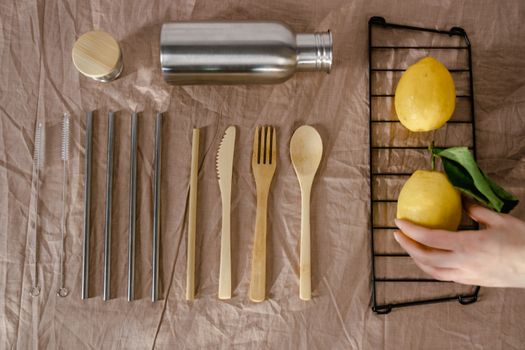
My go-to is a double-walled stainless steel bottle (think Hydro Flask or Klean Kanteen). It keeps water icy cold for hours, even under the scorching Balinese sun, and hot beverages warm during a chilly morning trek in the Swiss Alps. Prices range from $25-$50, a small upfront cost that pays for itself in just a few days of avoiding bottled water, which can cost anywhere from $1-$5 per bottle globally.
But what about places where tap water isn't safe? Enter the portable water filter bottle or a filter straw (like a Lifestraw or Grayl GeoPress). I’ve relied on my Grayl GeoPress countless times, from remote villages in Vietnam to questionable hostel taps in Peru. It filters out viruses, bacteria, and protozoa, making virtually any fresh water source drinkable. It's a game-changer for adventurous souls, costing around $70-$90, but offering peace of mind and access to safe hydration anywhere. This isn't just about zero-waste; it's about self-sufficiency and safety.
- Tripsora Tip: Many airports now have refill stations. Look for them! In Europe, most cafes are happy to refill your bottle for free.
2. Sip Sustainably: Reusable Coffee Cups & Tea Infusers
Picture this: you're strolling through the cobbled streets of Rome, the aroma of freshly brewed espresso filling the air. You pop into a local bar, hand over your sleek reusable cup, and enjoy your morning pick-me-up without a single bit of paper or plastic waste. Many cafes, especially in places like Copenhagen or Vancouver, even offer a small discount for bringing your own cup!
I swear by my collapsible silicone coffee cup (like a Stojo). It packs down flat, taking up minimal space in my daypack, and expands for a perfect latte. It’s ideal for grabbing a quick coffee on the go or even for instant noodles in a pinch. For tea lovers, a small, reusable tea infuser means you can enjoy loose-leaf tea anywhere, avoiding tea bags that often contain microplastics. These cups typically cost $15-$25, and a good infuser is under $10.
3. The Solid Revolution: Refillable & Solid Toiletries
This is where things get really exciting, and often, more luxurious! Liquid toiletries are notorious for leaks, bulky packaging, and TSA restrictions. The zero-waste solution? Solids and refills.
- Shampoo & Conditioner Bars: These look like small soap bars but lather beautifully and last ages. Brands like LUSH or Ethique offer fantastic options for all hair types. I once spent two months traveling through Southeast Asia with just one set of bars – no leaks, no plastic bottles, and my hair felt amazing even after countless dips in the ocean. They cost around $12-$18 per bar but last as long as 2-3 bottles of liquid.
- Toothpaste Tablets or Powder: Forget the plastic tube. These come in small, refillable glass jars. Just pop a tablet in your mouth, chew, and brush! It's incredibly refreshing and convenient. I picked up my first jar of these in a small eco-store in Berlin, and I haven't looked back. A jar usually costs $8-$15.
- Deodorant Sticks (paper packaging) or Cream: Many brands now offer deodorant in compostable paper tubes or as a cream in a reusable tin. These are fantastic for avoiding aerosol cans and plastic applicators.
- Silicone Travel Bottles: For any liquids you do need, invest in high-quality, leak-proof silicone bottles. They're soft, squeezable, and incredibly durable. I use these for my favorite face cleanser and body lotion. A set usually runs $15-$25.
- Tripsora Tip: Pack your solid toiletries in a reusable tin or a breathable mesh bag to allow them to dry between uses.
4. The Versatile Workhorses: Reusable Bags
From grocery runs to laundry, these bags are your unsung heroes.
- Compact Shopping Bags: A lightweight, foldable tote bag is indispensable. I always carry one in my daypack for souvenirs, snacks from local markets, or unexpected purchases. My favorite is made from recycled parachute material – it's incredibly strong and packs down to the size of a fist. ($5-$15)
- Produce Bags: If you love exploring local farmers' markets (and who doesn't?), a few mesh produce bags are a must. They’re perfect for fruits, vegetables, and even bulk snacks, avoiding those flimsy plastic bags. ($10-$20 for a set)
- Wet/Dry Bags: These are fantastic for separating wet swimsuits, dirty laundry, or even toiletries that might leak. They keep everything else in your bag clean and dry. ($10-$25)
Grooming Green: Eco-Luxuries You Won't Travel Without
Elevate your personal care routine with items that are not only earth-friendly but also often provide a superior experience.
1. Smile Brighter, Planet Lighter: Bamboo Toothbrushes & Dental Floss
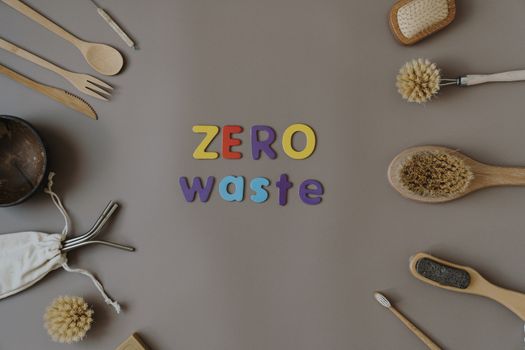
Plastic toothbrushes are a massive source of waste. Switching to a bamboo toothbrush is a no-brainer. They perform just as well, and when your trip (or brush) is over, you can compost the handle. Pair it with silk or corn-based dental floss in a refillable glass dispenser, and your dental hygiene is entirely plastic-free. I love the feeling of knowing my morning routine isn't contributing to landfill, especially when I'm visiting places like the pristine fjords of Norway. Bamboo toothbrushes are typically $5-$8, and floss refills are around $10.
2. The Classic Shave, Reimagined: Safety Razor
This might sound intimidating, but a safety razor offers an incredibly close shave, lasts a lifetime, and only requires replacing inexpensive, recyclable metal blades. The initial investment (around $30-$70 for a good quality razor) is higher than disposable plastic razors, but the long-term savings and environmental benefits are immense. I made the switch a few years ago, and while there's a slight learning curve, the results are fantastic. Plus, it looks incredibly chic on a bathroom counter, even in a rustic Airbnb. Just remember to pack your blades in your checked luggage!
3. Sun Protection & Bug Defense: Solid Bars & Reef-Safe Formulas
Sunscreen and bug spray often come in plastic bottles and can contain chemicals harmful to marine life. Look for solid sunscreen bars or lotions in tins, especially those labeled "reef-safe" if you're heading to coastal destinations like the Great Barrier Reef or the Caribbean. Same goes for solid bug repellent bars. They're compact, leak-proof, and kind to both your skin and the environment. A good reef-safe sunscreen bar might cost $15-$25.
4. Empowering Periods: Menstrual Cups & Reusable Pads
For those who menstruate, this is a significant area for waste reduction. A menstrual cup can be worn for up to 12 hours, is reusable for years, and eliminates countless tampons and pads. It’s incredibly liberating, especially when traveling in remote areas where disposal options might be limited. I started using one before a month-long backpacking trip through South America, and it was a revelation – no need to hunt for supplies, no waste. For those who prefer pads, reusable cloth pads are a comfortable and eco-friendly alternative. Menstrual cups typically cost $25-$40 and can last up to 10 years.
Feast Responsibly: Your Portable Zero-Waste Kitchen
Exploring local cuisine is a highlight of any trip. With these essentials, you can savor every bite without leaving a trail of waste.
1. Dine Anywhere: Reusable Cutlery Set & Chopsticks
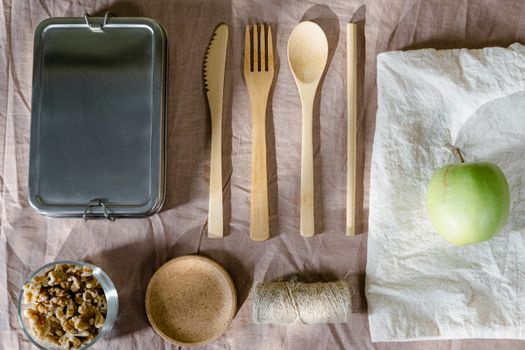
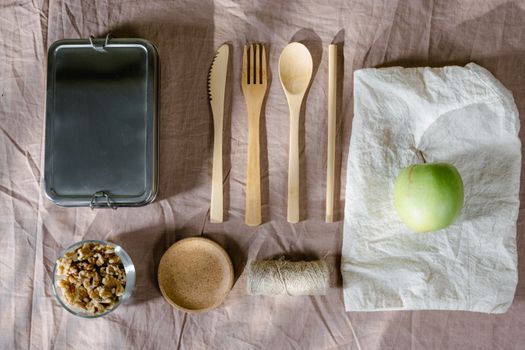
Street food, picnics, takeaways – these are all part of the travel experience. A lightweight reusable cutlery set (bamboo or stainless steel) in a small pouch means you're always prepared. I’ve used mine for everything from fresh fruit from a market in Sicily to a delicious Pad Thai from a street vendor in Bangkok. Add a pair of reusable chopsticks if you're heading to Asia! My bamboo set cost me about $10, and it's been on every trip since.
2. The Smart Container: Collapsible Food Container
This is a game-changer for leftovers, packing snacks for a long travel day, or even getting takeout. A collapsible silicone container folds flat when empty, saving precious space. It’s perfect for bringing your own container to a deli or a restaurant for doggy bags, avoiding styrofoam or plastic. I once used mine to pack an extra croissant for later from a Parisian bakery – pure bliss! These usually cost $15-$30 depending on size.
3. The Elegant Touch: Cloth Napkins
A couple of small, washable cloth napkins might seem old-fashioned, but they're surprisingly useful. They replace disposable paper napkins, add a touch of elegance to a picnic, and can even double as a small towel or wrap in a pinch. Plus, they dry quickly! ($5-$10 for a pack)
Mastering the Art of Mindful Packing: Less is Truly More
Beyond specific items, how you pack can also contribute to a zero-waste ethos. It's about efficiency, longevity, and thoughtful choices.
1. Organize with Purpose: Durable Packing Cubes
While not strictly "zero-waste" in themselves, durable, well-made packing cubes help organize your belongings, reduce wrinkles, and extend the life of your clothes by minimizing wear and tear from rummaging. Opt for ones made from recycled materials or natural fabrics if possible. Good quality cubes (like those from Eagle Creek or Patagonia) last for years, avoiding the need for constant replacements. A set can range from $30-$60.
2. The Smart Wardrobe: Multi-Purpose Clothing
Less is more when it comes to clothing. Invest in high-quality, versatile pieces that can be mixed and matched, worn multiple times, and dry quickly. Merino wool is a favorite among travelers because it's naturally odor-resistant, temperature-regulating, and can be worn for days without needing a wash. Quick-dry synthetic fabrics are also excellent. By packing fewer items that serve multiple purposes, you reduce your laundry footprint and the overall weight of your bag. This means less energy consumed for washing and drying, and a lighter load for you!
3. Digital Over Paper: Embrace Technology
In this digital age, there’s little need for physical maps, guidebooks, or boarding passes. Load up your phone or e-reader with offline maps, digital guides, and all your tickets and reservations. This not only saves paper but also reduces bulk and weight in your bag. I remember years ago lugging around heavy guidebooks; now, my entire library fits in my pocket. Ensure your devices are fully charged or carry a portable power bank.
- Tripsora Tip: Take screenshots of important documents and maps as a backup in case you lose signal or power.
The True Essential: Cultivating a Zero-Waste Traveler's Mindset
While the gear is important, the most powerful zero-waste essential you can pack is a mindful attitude. It’s about making conscious choices throughout your journey.
1. Research Your Destination:
Before you go, look into local recycling facilities, tap water safety, and eco-friendly businesses. Some cities, like Ljubljana, Slovenia, are incredibly green and make zero-waste easy. Others might require more effort. Knowing beforehand helps you prepare.
2. Learn to Say No (Politically):
Politely decline plastic bags, straws, and unnecessary packaging. A simple "no straw, please" or "no bag, thank you" can make a huge difference. In many cultures, this is easily understood and respected.
3. Support Local & Sustainable:
Choose accommodations, restaurants, and tour operators that demonstrate a commitment to sustainability. Look for certifications, ask questions, and spend your money where it aligns with your values. In places like Costa Rica, eco-tourism is a huge industry, making it easier to find responsible options.
4. Leave No Trace:
This fundamental principle of outdoor ethics applies to all travel. Pack out everything you pack in. If you bring it with you, take it home. This includes food wrappers, fruit peels (which don't decompose quickly in all environments), and any other waste.
5. Share Your Journey:
Talk about your zero-waste efforts with friends, family, and fellow travelers. Share your tips on social media. Inspire others to make small changes. Every conversation plants a seed for a more sustainable future.
The Future is Now: Your Invitation to Pioneer Sustainable Travel
Zero-waste travel isn't just a trend; it's a movement towards more authentic, respectful, and fulfilling adventures. By embracing these essentials now, you're not just reducing your environmental footprint; you're becoming a more prepared, self-sufficient, and mindful explorer. You're saving money, experiencing local cultures more deeply, and carrying a lighter load – both literally and figuratively.
Imagine the stories you'll tell – not just of breathtaking landscapes, but of the conscious choices you made to preserve them. Imagine the pride of knowing you’re part of a vanguard, paving the way for a new era of travel.
So, what are your secret zero-waste travel essentials? Have you discovered a game-changing product or a clever hack? Share them in the comments below – let's inspire each other! And if you're ready to make the switch, pick just one item from this list and start your zero-waste journey today. The world is waiting, and it's counting on you.
---