The Secret Garden: Spring Blooms Instagram Influencers Don't Want You To Know
Remember that feeling of scrolling through your feed, seeing the same perfectly posed influencer amidst a sea of cherry blossoms, and thinking, "Is that it? Is that all spring has to offer?" I've been there. My first spring trip to Japan was incredible, don't get me wrong, but after the initial awe, a nagging thought persisted: was I just chasing someone else's curated dream? Was there something more out there?
It was during a spontaneous detour through a lesser-known corner of the British countryside that I stumbled upon my answer. We were driving through a dense, ancient woodland, the kind with gnarled trees that look like they hold centuries of secrets. The sun, dappling through the canopy, suddenly illuminated a carpet of iridescent, violet-blue flowers stretching as far as the eye could see. It was like stepping into a fairy tale. No crowds, no selfie sticks, just the hum of bees and the intoxicating scent of wild hyacinths. That day, I realized something profound: the most breathtaking spring blooms aren't always the ones plastered across social media. They're the ones you have to seek out, the fleeting wonders that bloom only once a year, often in unexpected places, offering an experience so authentic, so profoundly beautiful, that it feels like your secret.
This isn't about shaming anyone's travel choices. It's about empowering you to discover the truly unique, the genuinely awe-inspiring, and the moments that will fill your soul far more than any perfectly filtered photo ever could. So, if you're ready to trade the mainstream for the magnificent, the curated for the colossal, and the crowded for the captivating, then buckle up. We're going on a journey to uncover spring's best-kept floral secrets.
Why These Blooms Are Different: Beyond the Blossom Hype
What makes these particular spring blooms so special, so secret, you ask? It's a combination of rarity, timing, and often, location. Unlike the ubiquitous cherry blossoms or tulips that bloom reliably in urban parks and manicured gardens, many of the world's most spectacular floral displays are wild, untamed, and utterly dependent on nature's whims.
They often require specific environmental conditions – just the right amount of winter rain, a precise temperature window, or undisturbed ecosystems – to burst forth in their full glory. This makes their appearance unpredictable and their window of beauty agonizingly short, sometimes just a few weeks or even days. This ephemerality is precisely what makes them so precious. You can't just book a trip months in advance and guarantee a show; you have to be flexible, a bit adventurous, and willing to chase nature's fleeting masterpieces.
The "influencer problem" isn't that they share beautiful places; it's that their content often simplifies the experience, turning a complex natural phenomenon into a static backdrop for a pose. These hidden blooms, however, demand more. They demand respect for their fragile habitats, an understanding of their brief existence, and a willingness to immerse yourself in the moment rather than just capturing it. This isn't about getting the perfect shot for your grid; it's about witnessing something truly extraordinary, something that connects you directly to the raw, untamed power of the natural world. And trust me, those memories are far more viral-worthy for your soul than any number of likes.
The Elusive Desert Superbloom: A Kaleidoscope in the Arid Lands
Imagine a desert, a place synonymous with barren landscapes and stark beauty, suddenly transforming into a vibrant tapestry of color. This is the magic of a desert superbloom, an event so rare and spectacular that it can only happen after exceptionally heavy, well-timed winter rains. When conditions align perfectly, millions of dormant wildflower seeds germinate simultaneously, painting vast stretches of arid land in hues of orange, purple, yellow, and white.
Where to Find It:
The most famous superblooms occur in the American Southwest, particularly in California's Anza-Borrego Desert State Park, Death Valley National Park, and the Carrizo Plain National Monument. Parts of Arizona, like the Sonoran Desert, can also experience incredible displays. Namaqualand in South Africa (more on that later) offers another breathtaking desert bloom.
My Experience:
My first superbloom chase took me to Anza-Borrego. We'd been tracking bloom reports for weeks, obsessively checking park websites and local wildflower forums. When the news finally broke – "It's happening!" – we packed our bags and drove straight into the heart of the desert. The drive itself was a suspenseful build-up, the landscape gradually shifting from dusty browns to a faint hint of green. Then, suddenly, as we rounded a bend, it hit us: a vibrant, living carpet of desert primroses, poppies, and verbena stretching to the horizon. It was overwhelming, almost surreal. We spent hours just walking, listening to the buzzing of countless bees, the air thick with the scent of nectar. It was quiet, save for nature's symphony, and profoundly humbling.
Practical Tips:
* Timing is Everything: Superblooms are unpredictable. They typically occur in late winter to early spring (February-April) after significant rainfall. Follow official park websites, wildflower hotlines, and local news for bloom updates.
* Be Prepared: Desert environments can be harsh. Bring plenty of water (more than you think you need!), sun protection (hat, sunscreen), sturdy hiking shoes, and layers of clothing as temperatures can fluctuate wildly.
* Leave No Trace: This is crucial. Stay on designated trails to avoid trampling delicate flowers and disturbing fragile ecosystems. Do not pick flowers. Pack out everything you pack in.
* Accommodation: Book well in advance! Small desert towns near bloom sites (e.g., Borrego Springs) get booked solid. Consider camping in designated areas if permitted.
* Costs: National Park entrance fees range from $20-$35 per vehicle. Gas will be a significant cost as you'll be driving long distances. Accommodation can range from $100-$300+ per night depending on location and demand.
The Secret Alpine Wildflowers: Jewels of the High Mountains
While many think of spring blooms as a lowland phenomenon, some of the most spectacular displays unfold high in the mountains, often after the last vestiges of winter snow have melted. These alpine wildflowers are hardy survivors, bursting with vibrant color in the brief, intense summer months, transforming rugged slopes into floral paradises.
Where to Find It:
The Rocky Mountains (especially Crested Butte, Colorado, famously known as the "Wildflower Capital of Colorado"), the Swiss Alps, the Dolomites in Italy, and the Pyrenees are prime locations.
My Experience:
I remember a hike in Crested Butte, ascending a trail that was still patchy with snow in early July. The air was crisp, thin, and invigorating. We’d been told the wildflowers were "good," but nothing prepared me for what awaited us above the tree line. As we emerged onto an open meadow, it was as if someone had flung handfuls of jewels across the landscape. Fields of sky-blue delphiniums, fiery Indian paintbrushes, sunny arnica, and delicate columbines stretched for miles. The sheer density and variety were mind-boggling. We sat for ages, simply absorbing the view, the silence broken only by the chirping of marmots and the distant rush of a glacial stream. It felt like we'd stumbled upon a secret garden at the top of the world.
Practical Tips:
* Timing: Alpine blooms typically peak from late June to early August, depending on elevation and snowmelt.
* Altitude Sickness: Be aware of the risks. Acclimatize slowly, stay hydrated, and recognize symptoms.
* Dress in Layers: Mountain weather is notoriously fickle. Be prepared for sun, rain, and cold, even on the same day.
* Trail Maps and Guides: Stick to marked trails. Consider hiring a local guide, especially if you're venturing into less-trafficked areas; they can also point out specific species.
* Respect Fragile Ecosystems: Alpine plants grow slowly and are easily damaged. Stay on trails, do not pick flowers, and pack out all trash.
* Costs: Gondola or chairlift rides (e.g., to reach higher trailheads) can cost $30-$60. Guided hikes might be $50-$150 per person. Accommodation in mountain towns varies widely but expect to pay $150-$400+ per night for hotels or chalets.
The Ephemeral Forest Floor: Bluebell Carpets and Woodland Wonders
Some of the most enchanting spring displays happen right beneath our feet, in the dappled light of ancient woodlands. These shy forest flowers often bloom before the tree canopy fully leafs out, taking advantage of the brief window of sunlight that reaches the forest floor.
Where to Find It:
The Hallerbos Forest in Belgium (famous for its bluebells), ancient woodlands across the UK (e.g., Worcestershire, Peak District, parts of Scotland and Wales), and specific national parks in North America (like the Great Smoky Mountains National Park for trilliums and other spring ephemerals) are incredible.
My Experience:
The Hallerbos, or "Blue Forest," had been on my bucket list for years. I finally made it one spring, driving from Brussels early in the morning to beat any potential crowds. The moment I stepped out of the car, I was enveloped in the sweet, earthy scent of the forest, mingled with something distinctly floral. And then I saw them: a seemingly endless carpet of vibrant bluebells, stretching between the tall, straight trees, creating an otherworldly, almost mystical atmosphere. The light filtering through the budding leaves cast ethereal shadows, making the bluebells appear to glow. It was a sensory overload in the best possible way – the scent, the sight, the sound of birdsong. It felt truly magical, a scene straight out of a fantasy novel.
Practical Tips:
* Timing: Bluebells in Europe typically peak from mid-April to mid-May. North American forest ephemerals can bloom from March to early May.
* Best Light: Early morning or late afternoon light creates the most dramatic and photographic conditions, with dappled sunbeams illuminating the flowers.
* Stay on Paths: Forest floors are incredibly delicate. Walking off designated paths can crush plants and compact soil, damaging the ecosystem for years.
* Check Local Trusts/Parks: Many national trusts and park services provide up-to-date bloom reports and specific locations. For Hallerbos, check the official tourism website for Belgium.
* Ethical Photography: Avoid staging photos that involve disturbing the flowers. Appreciate them from the path.
* Costs: Most forest trails are free to access. Parking fees might apply at popular spots (e.g., £5-£10 in the UK). Public transport might be an option for some locations.
The Coastal Spectacle: Namaqualand's Wildflower Wonderland
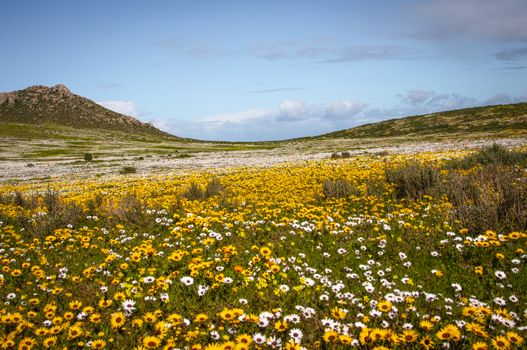
Imagine a coastline, typically rugged and windswept, suddenly bursting into an explosion of color so vast it redefines the horizon. This is the phenomenon of the Namaqualand wildflowers in South Africa, a truly epic display that follows the winter rains.
Where to Find It:
Namaqualand in the Northern Cape province of South Africa, particularly within the West Coast National Park (especially the Postberg Flower Reserve, which is only open during bloom season), and areas around towns like Kamieskroon and Springbok.
My Experience:
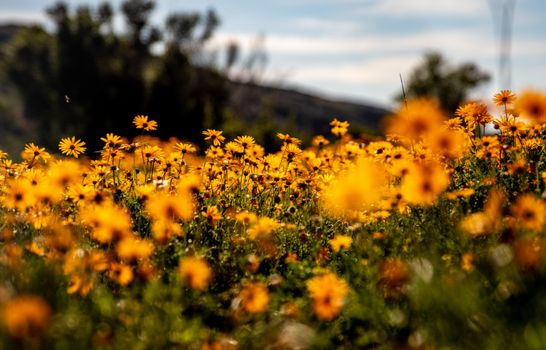
My journey through Namaqualand was a road trip of a lifetime. We rented a car in Cape Town and drove north, the landscape slowly transforming from fynbos to more arid scrub. Then, as we ventured deeper into Namaqualand, the first splashes of orange appeared, then yellow, then white, until entire fields were ablaze with millions of daisies, sporries, and other unique Namaqua flora. Driving through the Postberg Flower Reserve was like entering a painting. The vibrant colors stretched from the road to the cliffs overlooking the turquoise Atlantic, creating an almost unbelievable contrast. We pulled over countless times, simply to stand amidst the flowers, the salty air carrying the sweet scent of blossoms. It was an experience of pure, unadulterated joy and wonder.
Practical Tips:
* Timing: The Namaqualand bloom typically occurs from late July to late September, peaking in August. This is highly dependent on winter rainfall.
* Rent a Car: A car is essential for exploring Namaqualand, as the bloom areas are vast and spread out. A 4x4 isn't strictly necessary but can be useful for some unpaved roads.
* Book Accommodation Early: Towns like Springbok, Kamieskroon, and Garies are small and get fully booked during bloom season. Plan months in advance!
* Flower Routes: Follow designated "flower routes" (e.g., the N7 highway and various regional roads) which are often signposted. Local tourism offices provide maps and updates.
* Respect Private Land: Much of Namaqualand is private farmland. Stick to public roads and park entrances.
* Costs: West Coast National Park entry is typically R100-R200 ($6-$12 USD) per person. Car rental can be R300-R800 ($20-$50 USD) per day. Accommodation can range from R800-R2500 ($50-$150 USD) per night.
Your Responsible Bloom Chasing Guide: Beyond the 'Gram
Chasing these hidden blooms is an incredible privilege, and with that comes a responsibility to protect these fragile natural wonders. Remember, the goal isn't just to get a stunning photo; it's to have a profound, respectful encounter with nature.
- Check Bloom Reports Religiously: This is your #1 tool. Local park services, botanical gardens, university extensions, and dedicated wildflower websites (e.g., California Wildflower Report, UK National Trust) are invaluable. Call ahead if possible.
- Leave No Trace: This cannot be stressed enough. Stay on marked trails. Do not pick or disturb flowers. Pack out all trash, including organic waste like fruit peels. Leave the area exactly as you found it, or better.
- Respect Wildlife: You're in their home. Maintain a safe distance, don't feed animals, and avoid disturbing nesting or breeding areas.
- Be Prepared for Anything: Weather can change rapidly, especially in mountains and deserts. Carry enough water, appropriate clothing, first-aid supplies, and navigation tools. Inform someone of your itinerary.
- Support Local Communities: Stay in local guesthouses, eat at local restaurants, and buy from local businesses. Your tourism directly benefits the people who live near these natural treasures.
- Prioritize the Experience: Put the camera down sometimes. Take a deep breath. Listen to the sounds. Smell the air. Let the beauty wash over you. These are the moments that truly stick, far more than any perfectly framed selfie.
Embrace the Adventure, Discover Your Own Secret
The world is full of incredible, ephemeral beauty that waits patiently for the right conditions to reveal itself. These once-a-year spring blooms are more than just pretty flowers; they are a testament to nature's resilience, its intricate timing, and its boundless capacity for wonder. They offer a chance to step off the beaten path, away from the curated feeds and crowded hotspots, and into a truly authentic, unforgettable adventure.
So, this spring, ask yourself: are you ready to chase a different kind of beauty? Are you ready to discover a secret that Instagram influencers haven't quite caught onto yet? The effort, the planning, the willingness to embrace the unpredictable – it's all part of the magic. And when you finally stand amidst a field of rare, vibrant blossoms, knowing you sought it out, knowing you earned that moment, the reward will be immeasurable.
Which hidden bloom will you chase first? Share your discoveries, your tips, and your awe-inspiring photos (ethically, of course!) with us on social media using #TripsoraSecretBlooms. Let's inspire each other to explore the authentic, wild heart of spring!
---