From Couch to Conqueror: Trending Winter Sports You Can Master in a Weekend!
The first snowflake falls, and for many, it signals the start of hibernation season. Netflix queues get longer, cozy blankets become permanent fixtures, and the great outdoors seems a distant, frozen memory. I used to be one of those people. My winter routine was a predictable cycle of hot cocoa, holiday movies, and a wistful gaze out the window at the pristine, untouched snow, wishing I had a "reason" to be out there.
Then, a few winters ago, a friend dared me. "Let's try something new this weekend," she said, practically dragging me off the sofa. I was skeptical. I pictured endless lessons, expensive gear, and the inevitable face-plant into a snowdrift. But what happened next completely changed my winter narrative. In just two glorious days, I discovered the sheer joy of gliding across a frozen lake, the invigorating burn of a snowy uphill climb, and the thrill of a gentle descent on skis. My winter blues vanished, replaced by an insatiable hunger for snowy adventures.
That weekend proved to me that you don't need to be an Olympian or commit to a month-long training camp to embrace winter sports. Many of the most trending, exciting activities are surprisingly accessible and can be enjoyed by beginners after just a few hours of instruction. So, if you're ready to trade your fuzzy slippers for some serious winter fun, join me as we explore five fantastic winter sports you can realistically learn and love in a single weekend!
1. Snowshoeing: The Winter Wanderer's Delight
Imagine strapping on what look like oversized tennis rackets and floating effortlessly over deep snow, exploring silent, snow-draped forests that would otherwise be impassable. That's snowshoeing, and it's experiencing a massive resurgence for a good reason: it’s incredibly accessible, offers a fantastic low-impact workout, and opens up a world of serene winter beauty.
Why it's trending:
Snowshoeing requires minimal skill, making it perfect for all ages and fitness levels. It's an affordable way to get into the backcountry without needing complex avalanche training (though always be aware of conditions!). Plus, the feeling of solitude amidst a pristine winter landscape is pure magic. It's also incredibly dog-friendly, making it a favorite for pet owners!
What you can learn in a weekend:
Honestly, you can learn the basics of snowshoeing in about 15 minutes! The first few steps feel a bit clumsy, but you quickly adapt to the wider gait. A weekend will allow you to:
* Master basic walking: Uphill, downhill, and traversing slopes.
* Learn how to use poles effectively: For balance and propulsion.
* Understand trail etiquette and safety basics: What to bring, how to stay warm, reading trail markers.
* Explore multiple trails: From gentle, rolling paths to more challenging, scenic ascents.
Gear needed:
* Snowshoes: Most outdoor gear shops and ski resorts offer rentals (expect $15-30/day). If you love it, a decent beginner pair can be bought for $100-200.
* Trekking poles: Highly recommended for balance, especially on uneven terrain. Often included with rentals.
* Waterproof hiking boots: Essential for warmth and dryness.
* Layered clothing: Moisture-wicking base, insulating mid-layer, waterproof/windproof outer shell.
* Hat, gloves, sunglasses/goggles.
Estimated costs:
Beyond rentals, many state parks and national forests offer free snowshoeing trails. Some resorts might charge a small trail fee ($5-20). The main cost will be your travel and possibly a guide if you opt for a guided tour (highly recommended for your first time in unfamiliar terrain, typically $50-100 for a half-day).
My anecdote:
My first snowshoeing trip was in Vermont's Green Mountains. I remember feeling a bit silly at first, like a giant duck waddling through the snow. But then we reached a clearing, and the view of snow-covered peaks under a brilliant blue sky took my breath away. The silence was profound, broken only by the crunch of our snowshoes and the occasional chirping of a bird. It was meditative, invigorating, and utterly unforgettable. Plus, the hot chocolate never tasted better after that!
Instagram-worthy moments:
* Your snowshoes making perfect imprints in fresh powder.
* Panoramic views from a snowy summit.
* Close-ups of frosted branches and icicles.
* A selfie with rosy cheeks and a giant smile, surrounded by winter wonderland.
2. Cross-Country Skiing: Glide into Nordic Nirvana
Often overshadowed by its downhill cousin, cross-country (or Nordic) skiing offers a completely different, yet equally exhilarating, winter experience. It's a full-body workout that's easy on the joints, incredibly graceful, and allows you to cover significant distances through stunning natural landscapes.
Why it's trending:
Cross-country skiing has seen a surge in popularity due to its accessibility, health benefits, and the peaceful, immersive experience it provides. It's generally less expensive than downhill skiing and the learning curve for basic techniques is surprisingly gentle. It’s also a fantastic way to explore wilderness areas without the crowds of a typical ski resort.
What you can learn in a weekend:
* Basic glide and kick-and-glide technique: How to propel yourself forward on flats.
* Turning and stopping (snowplow/wedge): Essential for control and safety.
* Uphill climbing techniques: Herringbone and side-stepping.
* Downhill control: Managing speed on gentle slopes.
* Trail etiquette: How to navigate shared trails.
Gear needed:
* Cross-country skis, boots, and poles: Rental packages are readily available at Nordic centers and some outdoor shops (typically $25-45/day).
* Layered athletic clothing: You'll warm up quickly, so avoid bulky ski jackets. Think breathable, moisture-wicking layers.
* Hat, gloves, sunglasses/goggles.
Estimated costs:
* Trail passes (if at a Nordic center): $15-30/day. Many state parks have free trails.
* Lessons: A 1-2 hour beginner group lesson is highly recommended and usually runs $40-70. Private lessons are more, but can accelerate your learning.
* Rentals: As above.
My anecdote:
My first cross-country lesson was a hilarious series of flails and near-tumbles. My instructor, a patient woman named Ingrid, kept repeating, "Think of it as walking, but with a glide!" It clicked when she had me practice on a perfectly flat, groomed trail. The feeling of the skis effortlessly gliding over the snow, the rhythmic swish, swish, swish – it was pure poetry in motion. By the end of the weekend, I wasn't graceful, but I could navigate a gentle 5km loop with a huge grin on my face.
Instagram-worthy moments:
* Long, straight trail shots disappearing into a snowy forest.
* Close-up of your skis gliding in fresh tracks.
* A scenic break with a thermos of hot tea.
* Action shots (if you're brave enough to ask a friend!) of your rhythmic glide.
3. Fat Biking: Conquer the Snow Trails on Two Wheels
If you love cycling and thought winter meant packing away your bike, think again! Fat biking, with its oversized tires and rugged frames, allows you to literally float over snow, sand, and other challenging terrains. It's a unique and thrilling way to experience winter, and it's exploding in popularity.
Why it's trending:
Fat biking offers an adrenaline rush combined with the quiet solitude of winter trails. It's a fantastic workout, and the sheer novelty of riding a bike on snow is incredibly appealing. Many mountain biking trails are now groomed for fat bikes in winter, opening up a whole new season for cyclists.
What you can learn in a weekend:
* Basic handling on snow: How tire pressure affects grip, maintaining balance on slippery surfaces.
* Gear shifting for snow conditions: When to use lower gears for traction.
* Cornering and braking techniques: Adapting your mountain biking skills to snow.
* Reading snow conditions: Understanding what type of snow is rideable and what to avoid.
* Trail etiquette for multi-use winter trails.
Gear needed:
* Fat bike: Rentals are essential for your first time (expect $40-70 for a half-day/full-day). Buying one can be a significant investment ($1000+).
* Helmet: Always!
* Layered clothing: Similar to cross-country skiing – you'll generate a lot of heat. Windproof outer layers are crucial.
* Waterproof gloves and sturdy winter boots.
* Hydration pack: Water bottles can freeze.
Estimated costs:
* Bike rental: As above.
* Trail passes: Some bike parks or Nordic centers might charge a trail fee ($10-25). Many forest service roads and multi-use trails are free.
* Lessons: While less common than skiing, some bike shops or guiding companies offer beginner fat biking clinics (approx. $50-100 for a few hours).
My anecdote:
My first fat bike ride was on a packed snow trail near Bend, Oregon. I was a bit nervous about falling, but the wide tires felt surprisingly stable. The crunch of the snow under the tires, the crisp air in my lungs, and the feeling of effortlessly gliding over what would normally be an impassable landscape was exhilarating. I remember laughing out loud as I powered up a gentle incline, feeling like a kid again. It was pure, unadulterated joy.
Instagram-worthy moments:
* Your fat bike parked dramatically on a snowy trail.
* Action shots of you riding through a snow-covered forest.
* A close-up of those massive, grippy tires.
* A post-ride selfie, bundled up and beaming.
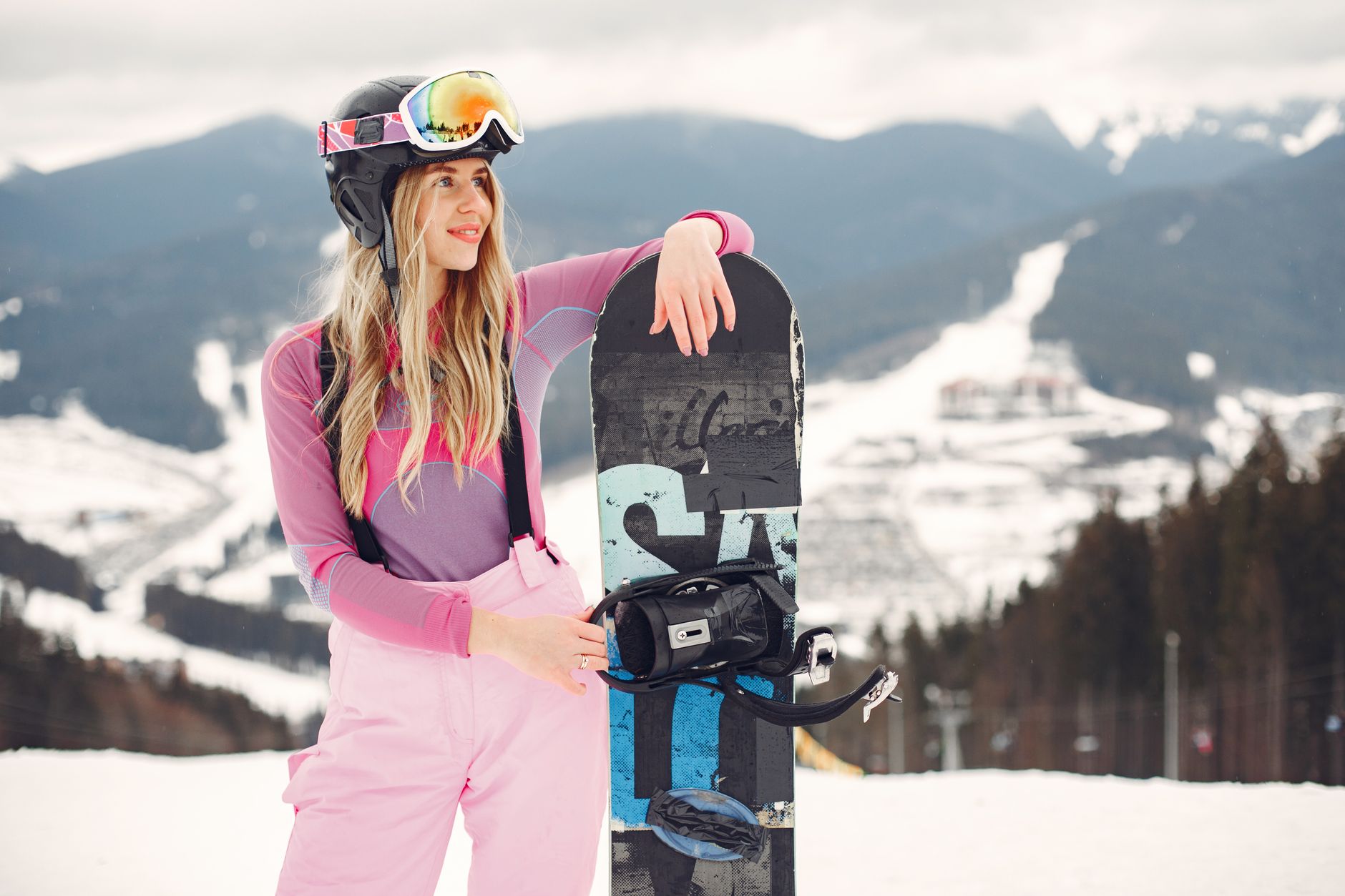
4. Beginner Downhill Skiing/Snowboarding: Slope Success in 48 Hours
The quintessential winter sport, downhill skiing and snowboarding, can seem daunting to beginners. But with structured lessons and a focus on beginner-friendly terrain, you can absolutely get the basics down and enjoy green runs in a single weekend.
Why it's trending:
Skiing and snowboarding continue to be immensely popular, offering a blend of adrenaline, speed, and breathtaking mountain views. Resorts are increasingly investing in dedicated learning zones and innovative teaching methods, making the sport more approachable than ever. Plus, the social aspect of hitting the slopes with friends is hard to beat!
What you can learn in a weekend:
* Skiing: Basic stance, gliding, stopping (snowplow/wedge), making controlled turns, riding a magic carpet and possibly a beginner chairlift.
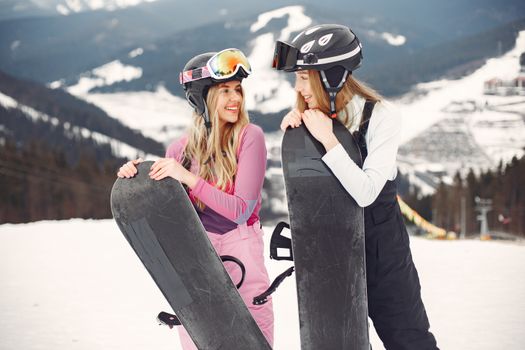
* Snowboarding: Basic stance, falling leaf (sliding downhill on your heel or toe edge), linking C-turns, riding a magic carpet and possibly a beginner chairlift.
* Safety rules and resort etiquette.
Gear needed:
* Skis/Snowboard, boots, bindings, poles (for skiing): Rent from the resort or a local shop (packages typically $40-70/day).
* Helmet: Non-negotiable for safety. Often included with rentals or can be rented separately ($10-15/day).
* Waterproof ski jacket and pants: Essential for staying dry and warm.
* Goggles, warm gloves, hat/balaclava.
Estimated costs:
This is generally the most expensive option, but worth it for the experience.
* Lift tickets: Beginner-specific tickets can be cheaper, but expect $50-100+ for a full day, depending on the resort. Often included with lesson packages.
* Group lessons: Highly recommended! A 2-3 hour group lesson typically costs $70-150. Many resorts offer multi-day beginner packages that combine lessons, rentals, and lift tickets for better value (e.g., $200-400 for a two-day package).
* Rentals: As above.
My anecdote:
My first snowboarding lesson was at a small resort in Colorado. I spent the first hour mostly on my backside, but my instructor, a super chill guy named Mike, kept me laughing. He broke down the "falling leaf" technique into simple steps, and slowly, painstakingly, I started to get it. The moment I linked two C-turns without falling felt like a monumental achievement. By the end of the second day, I was confidently (if slowly) navigating a green run, and the feeling of carving through the snow was pure exhilaration.
Instagram-worthy moments:
* Your shiny new rental gear lined up at the base.
* A victorious selfie on the magic carpet or at the top of a green run.
* Capturing the vibrant colors and energy of the ski resort.
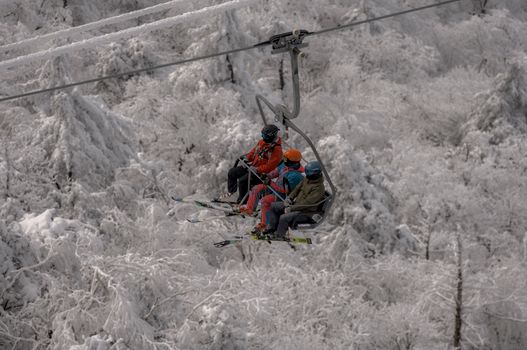
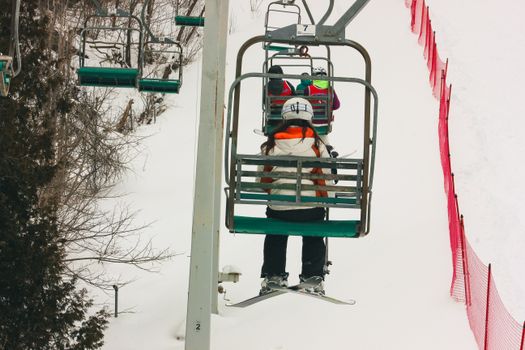
* A shot of the mountain views from the chairlift (carefully!).
5. Ice Skating: Twirl Under the Winter Sky
While ice skating might seem like a childhood pastime, embracing it as a "learn in a weekend" sport, especially at one of the many stunning outdoor rinks that pop up in winter, offers a romantic and joyful experience. It’s a classic for a reason, blending grace, balance, and a touch of nostalgia.
Why it's trending:
Outdoor ice rinks, often set against iconic cityscapes or nestled in picturesque natural settings, have become popular winter destinations. They offer a social, festive atmosphere, often with music, hot drinks, and twinkling lights. It's a beautiful way to be active and enjoy the crisp winter air.
What you can learn in a weekend:
* Basic forward glide: Pushing off and coasting.
* Stopping (snowplow stop): Essential for control and safety.
* Basic turns: How to shift weight and pivot.
* Skating backward (optional, but fun to try!): The fundamentals of pushing off.
* Maintaining balance and confidence on the ice.
Gear needed:
* Ice skates: Rentals are widely available at rinks (typically $5-15/session). If you get serious, a good pair of recreational skates can be $50-150.
* Warm, comfortable clothing: Layers are good, but you don't need heavy waterproof gear unless it's snowing.
* Warm gloves: Crucial for protecting hands if you fall.
* Hat/earmuffs.
Estimated costs:
* Rink admission: $10-25 per session, depending on the location.
* Skate rental: As above.
* Lessons: Many rinks offer beginner group lessons or clinics (e.g., $20-40 for a 30-60 minute session).
My anecdote:
I hadn't skated since I was a kid, and the idea of flailing around an outdoor rink full of graceful skaters was intimidating. But my friend convinced me to try the iconic rink at Rockefeller Center one holiday season. The sheer energy, the dazzling lights, and the feeling of gliding (okay, wobbling gracefully) around the ice with the majestic tree towering above was pure magic. I wasn't doing any triple axels, but I was moving, laughing, and soaking in the festive atmosphere. It reminded me that sometimes, the simplest pleasures are the most profound.
Instagram-worthy moments:
* A wide shot of the bustling outdoor rink with city lights or snowy trees in the background.
* A close-up of your skates on the ice.
* A candid shot of you (or a friend) laughing after a near-tumble.
* A post-skate hot cocoa selfie.
Essential Tips for Your Weekend Winter Adventure
No matter which winter sport you choose, a little preparation goes a long way to ensure a safe and enjoyable experience.
- Layer Up, Buttercup! This is the golden rule of winter sports. Start with a moisture-wicking base layer (no cotton!), add an insulating mid-layer (fleece or down), and finish with a waterproof and windproof outer shell. You can always shed layers if you get too warm.
- Book Ahead: Especially for lessons and rentals at popular resorts, book well in advance. Weekends fill up quickly!
- Start Small, Dream Big: Don't expect to be an expert after one weekend. Focus on mastering the basics, having fun, and enjoying the process. The goal is to get comfortable and ignite a passion, not to win a gold medal.
- Stay Hydrated and Fuelled: Cold weather can be deceivingly dehydrating. Drink plenty of water and bring snacks like energy bars, nuts, or fruit to keep your energy levels up.
- Protect Your Eyes and Skin: The sun's glare off the snow can be intense. Wear sunglasses or goggles with UV protection, and don't forget sunscreen on any exposed skin, even on cloudy days.
- Safety First: Understand the risks associated with your chosen activity. Stick to marked trails, know your limits, and consider taking a beginner lesson. If you're heading into the backcountry, know the avalanche risks and go with experienced guides.
- Embrace the Falls: You will fall. It's part of the learning process! Laugh it off, get back up, and learn from it. A good sense of humor is your best winter accessory.
- Capture the Memories: Bring your phone or camera (ensure it's protected from the cold and moisture!) and snap away. These moments are worth remembering and sharing!
Ready to Roll (or Glide, or Pedal, or Skate)?
Winter doesn't have to mean being cooped up indoors. It's a season of incredible beauty, exhilarating challenges, and unique opportunities for adventure. With a little planning and an open mind, you can transform your winter weekends from mundane to magnificent.
Whether you choose the peaceful solitude of snowshoeing, the graceful glide of cross-country skiing, the adventurous spirit of fat biking, the thrill of downhill slopes, or the festive charm of ice skating, you're not just learning a new sport – you're unlocking a whole new appreciation for the coldest, most beautiful season. So, what are you waiting for? The snow is calling, and your next great adventure is just a weekend away!
Which trending winter sport will you conquer first? Share your plans and tips in the comments below, and don't forget to tag #TripsoraWinterAdventures on your social posts!
---