Weekend Warriors: Conquer the Snow and Ice with 6 Winter Sports You Can Master in a Weekend!
The crisp air nips at your nose, the world is hushed under a blanket of pristine white, and a sense of exhilarating possibility hangs in the air. Winter. For some, it’s a time to hunker down. For me? It’s an open invitation to adventure. I still remember my first time strapping on skis, feeling like a newborn deer on roller skates, convinced I'd spend the entire weekend face-planting. And guess what? I did. A lot. But by Sunday afternoon, I was linking turns, albeit slowly, and a spark ignited. That spark has since fueled countless winter escapades, proving one thing: you can learn an incredible winter sport in a weekend.
Forget the myth that it takes years to get good. We’re not talking Olympic gold here. We’re talking about unlocking a new passion, experiencing the thrill, and gaining enough confidence to enjoy yourself immensely. So, if you’ve ever dreamed of gliding across fresh powder, carving down a mountain, or scaling a wall of ice, consider this your official Tripsora challenge. Grab your warmest layers, because we’re about to dive into six unforgettable winter sports you need to experience before you die – and you can start this weekend!
---
1. Downhill Skiing: The Classic Carve and the Joy of the "Pizza Wedge"
Let’s start with the granddaddy of winter sports: downhill skiing. It's iconic, exhilarating, and surprisingly accessible for beginners. My first lesson was a hilarious mix of terror and triumph. The instructor, a patient saint named Sarah, taught me the "pizza wedge" (or "snowplow") technique – bringing the tips of your skis together to control speed. It felt awkward at first, like trying to walk in clown shoes, but the moment I successfully slowed myself down, a huge grin spread across my face. Then came the "french fries" (parallel skis) and the glorious feeling of a controlled turn.
Why it’s weekend-learnable:
Modern ski equipment is incredibly forgiving. Shorter, shaped skis make turning easier, and beginner slopes (bunny hills) are gentle gradients designed for exactly this purpose. Most resorts offer excellent beginner packages that combine rentals, a lift ticket for the magic carpet/bunny hill, and a group lesson.
My Weekend Wisdom:
* Get a Lesson (Non-Negotiable!): Seriously, don't try to teach yourself or rely on a well-meaning friend. A certified instructor will teach you proper technique, safety, and confidence in a structured way. A 2-hour group lesson on Saturday morning is all you need to get the basics.
* Rent Your Gear: Don't invest in skis, boots, and poles until you know you love it. Rental shops are efficient and will set you up correctly.
* Dress in Layers: You'll sweat, then you'll get cold. A waterproof outer shell, insulating mid-layer (fleece), and a moisture-wicking base layer are key. Don't forget waterproof gloves/mittens, a helmet (often included with rentals, always wear one!), and goggles.
* Start Small: Stick to the bunny hill and the magic carpet/chairlift for beginners. Don't be tempted by the green runs until you feel truly comfortable stopping and turning.
Where to Go & What to Expect:
Almost every major ski resort has fantastic beginner terrain.
* North America: Breckenridge, CO (Peak 8 has great beginner areas); Whistler Blackcomb, BC (Olympic Station for beginners); Killington, VT (Snowshed Base Area).
* Europe: Les Gets, France; Mayrhofen, Austria (Penken Park area).
* Typical Costs: A full-day beginner package (lift ticket, rentals, group lesson) can range from $150-$300 USD, depending on the resort and time of year.
Instagram Moment:
A triumphant pose at the top of the bunny hill, skis forming a perfect pizza wedge, with majestic snow-capped peaks in the background. Or, a candid shot of you laughing after a graceful (or not-so-graceful) fall!
---
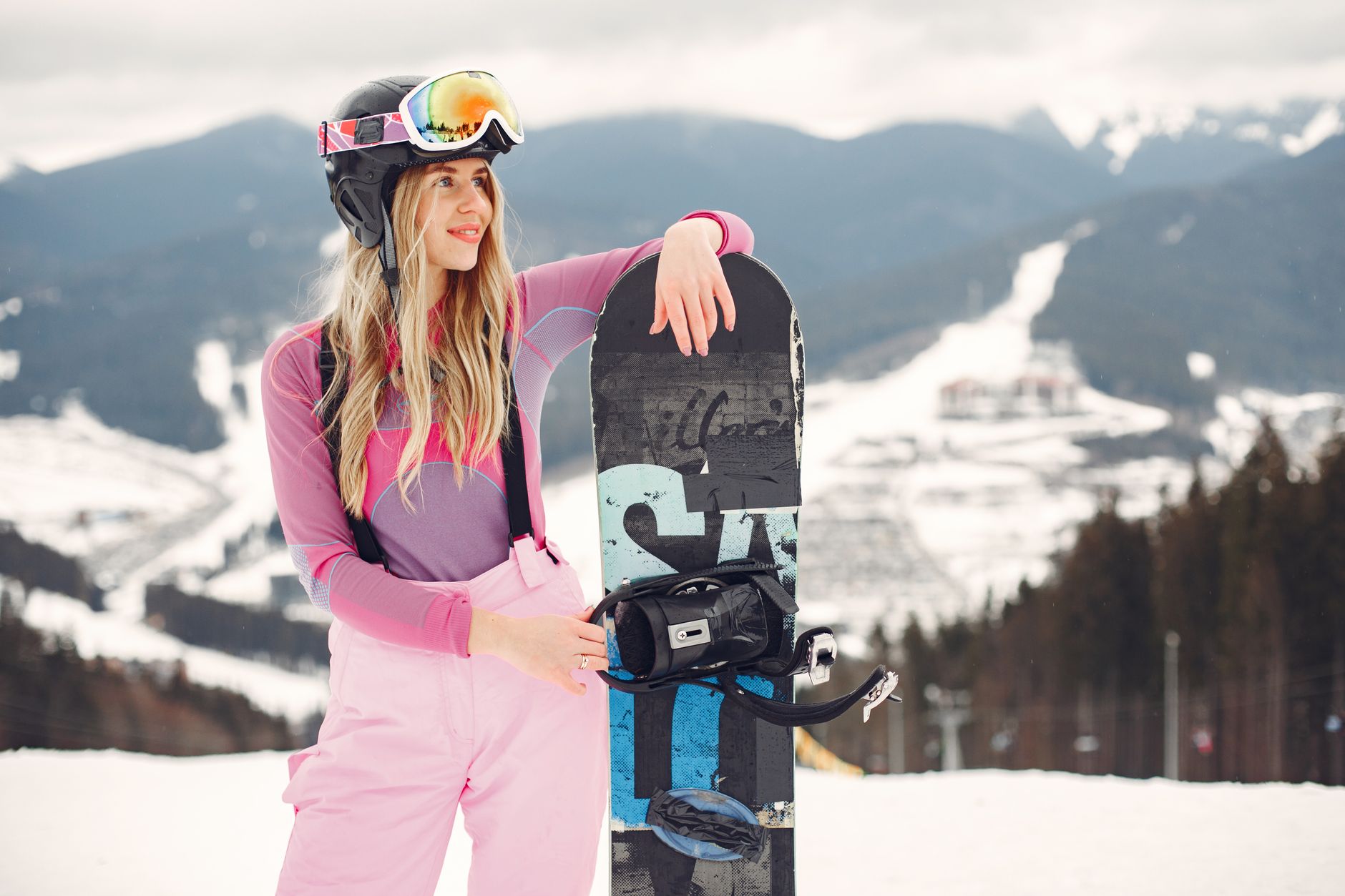
2. Snowboarding: Riding the White Wave and Finding Your Flow
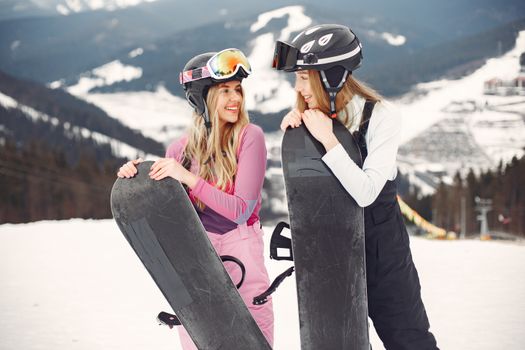
If skiing is the classic ballet of the slopes, snowboarding is the cool, free-flowing dance. I picked up snowboarding a few years after skiing, and it felt like learning to ride a skateboard on ice – challenging, frustrating, and incredibly rewarding. The initial hours involved a lot of sitting in the snow, trying to figure out how to stand up without immediately face-planting. But then, it clicked. That moment when you link your first heel-side and toe-side turns, feeling the board glide effortlessly beneath your feet, is pure magic.
Why it’s weekend-learnable:
Like skiing, modern boards are designed to be forgiving for beginners. The learning curve can feel steeper at first (more falling!), but once you get the hang of balancing and turning, many find it feels more natural than skiing.
My Weekend Wisdom:
* Patience is Your Best Friend (and so are butt pads!): You will fall, especially on your backside. Invest in some padded shorts – your tailbone will thank you.
* Focus on the Basics: Master the "falling leaf" (gliding sideways down the hill) and then practice heel-side and toe-side turns on a gentle slope. Don't try to go fast too soon.
* Lean into Your Edges: Snowboarding is all about using your edges. Trust the board to grip the snow.
* Warmth is Key: Your hands and feet will get cold from sitting in the snow. Good waterproof gloves/mittens and warm socks are essential.
Where to Go & What to Expect:
Most ski resorts are also snowboard-friendly. Look for wide, gentle slopes.
* North America: Mammoth Mountain, CA (Chair 7 is great for beginners); Park City, UT (Canyons Village for easy access); Big White, BC (Plaza Chair area).
* Europe: Livigno, Italy; Saalbach-Hinterglemm, Austria.
* Typical Costs: Similar to skiing, a beginner package including rental, lift ticket, and group lesson usually runs $150-$300 USD.
Instagram Moment:
A dynamic shot of you mid-turn, snow spraying, or a cool pose with your board on a scenic overlook. Bonus points for a "before and after" of your falls vs. your first successful turns!
---
3. Cross-Country Skiing: Serenity, Scenery, and a Stellar Workout
If the idea of zooming down a crowded mountain gives you pause, cross-country (or Nordic) skiing might be your winter calling. My first time cross-country skiing was on a quiet, snow-covered golf course near my hometown. It was utterly peaceful – just the swish of my skis, the crisp winter air, and the occasional chirping bird. It’s a full-body workout that feels more like a glide through a winter wonderland than a high-octane sport.
Why it’s weekend-learnable:
The technique is relatively straightforward: a gliding motion, pushing off with your poles. You're typically on flat or gently rolling terrain, so speed and gravity aren't the primary concerns. You can pick up the basics of striding and gliding in a single afternoon.
My Weekend Wisdom:
* Lighter Gear: Cross-country skis are narrower, lighter, and your boots attach only at the toe, allowing for heel lift. The poles are also longer.
* Dress Lighter: You'll generate a lot of body heat! Layer up, but be prepared to shed layers. Avoid bulky ski jackets.
* Find Groomed Trails: Look for dedicated Nordic centers or parks that groom their trails. This makes learning much easier.
* Balance & Rhythm: Focus on a smooth, rhythmic glide. It's more about endurance and flow than speed.
Where to Go & What to Expect:
* North America: Royal Gorge Cross Country, CA (largest in North America); Gatineau Park, QC, Canada (extensive trail network); local state parks or golf courses that convert in winter.
* Europe: Black Forest, Germany; Dolomites, Italy (Val di Fiemme).
* Typical Costs: Trail pass ($15-$30 USD), rentals ($25-$45 USD for a day). Lessons are often cheaper than downhill skiing, around $50-$80 USD for a private hour.
Instagram Moment:
A serene shot of you gliding through a snow-laden forest, sun filtering through the trees, creating a magical atmosphere. Capture the peace and quiet!
---
4. Fat Biking: Winter's Two-Wheeled Thrill Ride
Imagine cycling through a snowy landscape, tires churning through fresh powder, the crunch of snow under wide treads. That's fat biking! I first tried it on a groomed trail in Vermont, skeptical that a bike could handle deep snow. But the oversized, low-pressure tires provide incredible traction, making it feel surprisingly stable and incredibly fun. It’s a unique way to explore winter trails and gets your heart pumping.
Why it’s weekend-learnable:
If you can ride a bike, you can fat bike. The learning curve is minimal, primarily adjusting to the feel of the fatter tires and slightly different steering in snow. The main challenge is finding your balance on slippery surfaces and maintaining momentum.
My Weekend Wisdom:
* Tire Pressure is Key: Lower tire pressure (often 5-10 PSI) allows the tires to "float" over snow. Rental shops will set this for you.
* Momentum is Your Friend: It's easier to keep going than to restart in deep snow.
* Dress for Cycling: Layer up, but remember you'll be working hard. Windproof and waterproof outer layers are good. Helmets are a must.
* Find Groomed Trails: Many ski resorts or dedicated bike parks groom specific trails for fat biking, offering the best experience.
Where to Go & What to Expect:
* North America: Kingdom Trails, VT (extensive network); CAMBA Trails, WI (pioneers of fat biking); Grand Targhee Resort, WY.
* Europe: Try regions in the Alps or Scandinavia that embrace winter cycling.
* Typical Costs: Fat bike rentals typically run $40-$80 USD for a half-day or full-day. Trail passes, if required, are usually $10-$20 USD.
Instagram Moment:
A dynamic shot of you kicking up snow on your fat bike, helmeted and grinning, with a stunning winter backdrop. Or, your fat bike resting against a snowdrift, ready for adventure.
---
5. Outdoor Ice Skating: Gliding Under the Sky
There's something undeniably magical about ice skating outdoors. Whether it's a bustling city rink adorned with twinkling lights or a serene, natural frozen lake (only when officially deemed safe!), it's an experience that evokes childhood wonder. My fondest memories are of skating on a local pond, bundled up, sipping hot chocolate, and feeling the crisp air on my cheeks. It’s accessible, affordable, and incredibly joyful.
Why it’s weekend-learnable:
Most people can stand up on skates and push off within minutes. Getting comfortable with gliding, stopping, and turning takes a bit more practice, but you'll be able to enjoy yourself significantly after just an hour or two on the ice.
My Weekend Wisdom:
* Skate Fit is Crucial: Ensure your skates fit snugly but not painfully. Ankle support is key. Don't be afraid to ask for different sizes or styles at the rental counter.
* Bend Your Knees: This is the golden rule for balance. Keep a slight bend in your knees and lean slightly forward.
* Look Up, Not Down: Focus on where you're going, not your feet.
* Start with the Wall: Use the rink barrier for support until you feel steady.
Where to Go & What to Expect:
* North America: Rockefeller Center, NYC (iconic, but busy!); Rideau Canal Skateway, Ottawa, Canada (world's largest natural rink); Maggie Daley Park, Chicago.
* Europe: Vienna Ice Dream, Austria; Somerset House, London, UK; various smaller town squares.
* Typical Costs: Skate rental typically $10-$20 USD. Rink admission can range from free (natural rinks) to $20-$30 USD for popular city rinks.
Instagram Moment:
A graceful (or comically ungraceful) pose on the ice, surrounded by twinkling lights or a stunning natural landscape. A warm beverage in hand adds to the cozy vibe.
---
6. Introductory Ice Climbing (Top-Rope): Vertical Ice Adventure
Okay, this one might sound intense, but hear me out: an introductory ice climbing session, typically on top-rope with a certified guide, is absolutely a weekend-learnable thrill and a truly "before you die" experience. I remember looking up at the frozen waterfall, axes glinting in the sun, heart pounding. My guide, a seasoned climber named Maya, patiently showed me how to swing the ice axe, kick in my crampons, and trust the ropes. The feeling of pulling myself up, axe biting into the ice, and reaching the top was an adrenaline rush unlike any other.
Why it’s weekend-learnable:
With a professional guide and a top-rope setup (where the rope is already anchored at the top, making falls safe and controlled), you can learn the basic techniques of axe placement, footwork with crampons, and body positioning in a single half-day or full-day session. You won't be free soloing Everest, but you will ascend a wall of ice.
My Weekend Wisdom:
* Go with a Certified Guide/Outfitter: This is non-negotiable for safety. They provide all the specialized gear (axes, crampons, harness, helmet).
* Trust Your Gear: It feels counter-intuitive to trust tiny points of metal in ice, but modern equipment is incredibly secure.
* Listen to Your Guide: They are the experts. Follow their instructions precisely.
* Dress Warmly, but Not Bulky: Layers are essential. You'll be active, but also exposed to the cold. Good waterproof gloves are crucial.
Where to Go & What to Expect:
* North America: Ouray Ice Park, CO (a man-made ice climbing park with guides); Smugglers' Notch, VT; Lake Louise, AB, Canada. Many outdoor adventure companies offer guided trips.
* Europe: Chamonix, France; Val di Cogne, Italy.
* Typical Costs: This is the most expensive option. A half-day or full-day guided introductory course can range from $200-$500+ USD per person, often including all gear.
Instagram Moment:
A dramatic shot of you mid-climb, axe planted, crampons dug in, looking up at the icy expanse. Or a victorious shot from the top, helmeted and harnessed, with a breathtaking winter vista.
---
Practical Advice for Your Winter Weekend Adventure:
Embarking on any winter sport requires a bit of planning, but it's well worth the effort. Here are some universal tips to make your weekend unforgettable:
- Layer Up, Layer Down: The key to staying comfortable in winter is layering. Start with a moisture-wicking base layer, add an insulating mid-layer (fleece or down), and finish with a waterproof and windproof outer shell. You can add or remove layers as your activity level and the temperature change.
- Protect Your Extremities: Good quality, waterproof gloves or mittens are essential. Warm, moisture-wicking socks (avoid cotton!) are crucial for happy feet. A warm hat and neck gaiter will also make a huge difference.
- Sunscreen and Goggles/Sunglasses: Even on cloudy days, snow reflects UV rays, leading to severe sunburn. Apply high-SPF sunscreen. Goggles protect your eyes from sun, wind, and snow.
- Stay Hydrated and Fuelled: Winter sports burn a lot of calories. Bring water (insulated bottles prevent freezing) and high-energy snacks like granola bars, nuts, or fruit.
- Book Ahead: Especially for popular resorts or guided tours, lessons, and rentals can sell out. Book well in advance to secure your spot.
- Listen to Your Body: Don't push yourself too hard, especially on your first day. Take breaks, stay warm, and know when to call it a day.
- Embrace the Falls: Falling is part of learning. Laugh it off, get back up, and learn from each tumble.
- Travel Insurance: For more adventurous sports like ice climbing or even just skiing/snowboarding, consider travel insurance that covers winter sports activities.
---
Your Winter Adventure Awaits!
There you have it – six incredible winter sports that prove you don't need years of practice to unlock the magic of a snowy adventure. From the serene glide of cross-country skiing to the vertical thrill of ice climbing, each offers a unique way to connect with the winter landscape and challenge yourself in exhilarating new ways.
So, what are you waiting for? Stop scrolling, start planning! This winter, trade your Netflix binge for an epic weekend on the snow. Book that lesson, rent that gear, and prepare to discover a new passion. The mountains, forests, and frozen lakes are calling, and your next unforgettable "before you die" experience is just a weekend away.
Which winter sport will YOU try first? Share your plans and tag us on social media with #TripsoraWinterWeekend! We can't wait to see your adventures!
---