From Couch Potato to Snow Pro: Epic Winter Sports You Can Master in a Weekend!
The crisp air bites, the landscape transforms into a glittering wonderland, and a hush falls over the world. Winter. For years, I viewed it through a window, admiring the snow from the cozy confines of my living room. Skiing and snowboarding seemed like an exclusive club, requiring years of dedication, expensive gear, and a level of athletic prowess I simply didn't possess. I was convinced winter sports were for "other people"—the fearless, the coordinated, the ones who didn't fear a spectacular face-plant in front of strangers.
Then, a particularly dreary February hit. Cabin fever was real, and my usual Netflix binge just wasn't cutting it. A friend, a seasoned outdoors enthusiast, challenged my perception. "You can learn more than you think in a single weekend," she declared, eyes sparkling with the promise of adventure. Sceptical but desperate for a change, I agreed to an experiment: a weekend dedicated to trying out a "beginner-friendly" winter sport.
What followed wasn't just a weekend; it was a revelation. I discovered a whole new world of accessible, exhilarating activities that didn't demand Olympic-level skills or a lifetime commitment. In fact, many of them were surprisingly easy to pick up, incredibly fun, and offered some of the most breathtaking views I'd ever witnessed.
So, if you're like the "old me"—dreaming of winter wonder but intimidated by the perceived learning curve—this post is for you. I've scoured the snow-covered trails and frozen rinks to bring you the ultimate guide to winter sports you can genuinely learn and enjoy in a single weekend. Get ready to trade your slippers for snow boots and blow your mind with what you can accomplish!
1. Snowshoeing: Your First Steps into a Winter Wonderland
If you can walk, you can snowshoe. Seriously. This is the ultimate gateway drug to winter adventure, and it’s where my own weekend warrior journey began. The first time I strapped on a pair of snowshoes, I felt a bit like a clumsy astronaut, but within minutes, I was confidently crunching through fresh powder, leaving a satisfying trail behind me.
Why it's mind-blowing:
The sheer accessibility is incredible. It opens up pristine, untouched landscapes that would be impassable in regular boots. Imagine hiking through a silent forest, branches heavy with snow, sunlight filtering through the canopy, and the only sound is the rhythmic crunch-crunch of your steps. My first snowshoe trek took me to a frozen waterfall, a sight I'd only ever seen in summer. Seeing it encased in ice, sparkling like a diamond, was absolutely magical. It felt like I'd stumbled into a secret Narnia.
How you learn in a weekend:
You basically just walk! The snowshoes distribute your weight, allowing you to float on top of the snow instead of sinking. Most rental shops will give you a quick 5-minute rundown on how to strap them on and tackle slight inclines or declines. By the end of day one, you'll be navigating trails like a pro.
Tripsora Tips & Details:
* Gear: Renting a pair of snowshoes and poles typically costs $20-35 for a full day. Wear waterproof boots and dress in layers.
* Where to go: National parks, state parks, and many ski resorts have designated snowshoe trails. Look for groomed trails if you want an easier start, or venture into backcountry for a more adventurous experience (always check conditions and tell someone your plans!).
* Instagram Moment: Find a spot with panoramic mountain views or a snow-covered bridge. Capture the serene beauty of untouched snow.
* Cost: Low to moderate. Besides rentals, trail access might require a park pass or small fee.
* Personal Anecdote: I remember one particularly deep section of powder where I actually fell forward. Instead of pain, I just sank into the softest, coldest pillow imaginable. It was so fluffy, I actually lay there for a minute, laughing, making a snow angel before getting back up. Pure joy!
2. Cross-Country Skiing: Glide into Serenity
Cross-country skiing (or Nordic skiing) might look daunting, but it’s surprisingly beginner-friendly, especially on groomed trails. It’s an incredible full-body workout that feels less like exercise and more like graceful gliding through a winter wonderland.
Why it's mind-blowing:
The sensation of gliding effortlessly over the snow, propelled by your own strength, is incredibly liberating. It’s quieter than downhill skiing, often leading you through peaceful forests and open meadows. My first time, after a few wobbly starts, I found a rhythm and felt like I was flying. The sheer peace of moving through nature, hearing only the whisper of my skis, was profoundly calming.
How you learn in a weekend:
Start with a beginner lesson (often 1-2 hours for $50-100). You'll learn the "classic" technique: shuffling forward, kicking and gliding. Most people can master the basic stride, stopping, and turning on flat or gently rolling terrain in just a few hours. Day two is for practicing and building confidence on longer trails.
Tripsora Tips & Details:
* Gear: Cross-country ski rentals (skis, boots, poles) are usually $30-50/day. Opt for "classic" gear for beginners.
* Where to go: Many ski resorts have dedicated Nordic centers. State parks and golf courses often convert into groomed cross-country trails in winter. Look for beginner-friendly loops marked "green."
* Instagram Moment: Capture the long, clean lines of groomed trails stretching into the distance, or a selfie with snow-dusted evergreens.
* Cost: Moderate. Rentals, trail passes (often $15-25/day), and a potential lesson.
* Personal Anecdote: My biggest challenge was getting up after falling, especially when my skis crossed! But the instructors were so patient, and the camaraderie with other beginners was fantastic. We'd all laugh at our tumbles, then help each other up, sharing tips and encouragement. By the end of the first afternoon, I managed a 5km loop without falling once – a huge victory!
3. Fat Biking: Roll Over the Snow with Ease
If you love cycling but dread putting your bike away for winter, fat biking is your answer! These bikes, with their oversized tires inflated to very low pressure, are designed to float over snow, sand, and other soft terrain. If you can ride a regular bike, you can fat bike.
Why it's mind-blowing:
The feeling of effortlessly rolling over snow-covered trails is incredibly unique. It's surprisingly stable, and the grip the tires provide is astounding. It transforms familiar summer trails into entirely new landscapes. My first fat bike ride was on a packed snow trail near a frozen lake, and the feeling of freedom, combined with the stunning winter scenery, was exhilarating. It felt like I was riding on a cloud!
How you learn in a weekend:
The learning curve is minimal. The main adjustment is getting used to the slightly different feel of the wider tires and the added resistance of snow. Most people are comfortable within an hour. Day one can be spent exploring groomed trails, and day two can involve tackling slightly more challenging terrain or longer distances.
Tripsora Tips & Details:
* Gear: Fat bike rentals typically range from $40-70 for a half-day or full-day. Wear warm, waterproof cycling gear.
* Where to go: Many ski resorts and dedicated trail systems now offer fat biking. Look for groomed or packed snow trails. Some areas even have "fat bike specific" trails.
* Instagram Moment: A dynamic shot of you riding through a snowy forest, kicking up a bit of powder. Or your bike parked against a backdrop of glistening trees.
* Cost: Moderate. Rental costs are the main expense. Trail access might be included with a resort pass or a small fee.
* Personal Anecdote: I was initially worried about slipping, but those huge tires are incredibly grippy. I remember going over a patch of what looked like solid ice, and the bike just rolled right over it. The biggest surprise was how much fun it was to "plow" through small drifts of fresh powder – it felt like being a kid again, making snow angels with my bike!
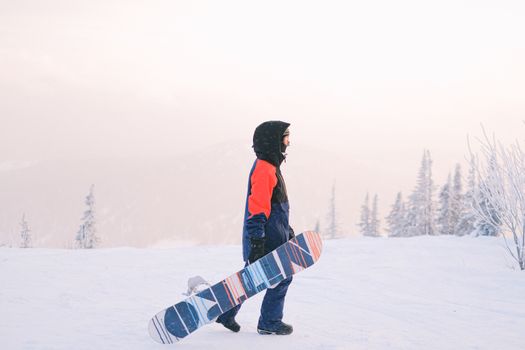
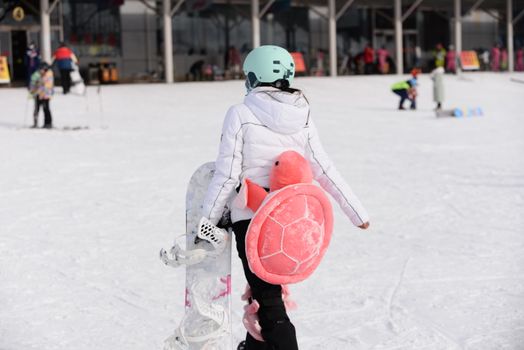
4. Beginner Downhill Skiing/Snowboarding: Your First Taste of the Slopes
Okay, let's manage expectations: you won't be hitting black diamonds in a weekend. But you can absolutely learn the basics of downhill skiing or snowboarding, link a few turns, and experience the thrill of gliding down a gentle slope. This is where professional instruction is invaluable.
Why it's mind-blowing:
The feeling of accomplishment as you make your first controlled turns down a bunny hill is immense. The crisp mountain air, the panoramic views, and the sheer joy of movement are addictive. My first successful "pizza" stop on skis felt like winning an Olympic medal! And the view from even the lowest chairlift is often breathtaking.
How you learn in a weekend:
* Day 1 (Skiing): Start with a beginner lesson (2-3 hours, $100-200). You'll learn how to put on your skis, walk in them, glide on flat terrain, and most importantly, how to stop (the "pizza" or snowplow). You'll likely spend time on a "magic carpet" (a conveyor belt lift) or a very gentle bunny slope.
* Day 1 (Snowboarding): Lessons focus on balancing, falling safely, using your edges, and doing "leaf turns" (heel edge and toe edge slides). Expect to spend a lot of time on your backside!
* Day 2: Practice, practice, practice! With a few more hours of instruction or just dedicated practice on the bunny hill, you'll start to link basic turns and gain confidence. The goal is to feel comfortable and in control on beginner terrain.
Tripsora Tips & Details:
* Gear: Renting skis/snowboard, boots, and poles/helmet costs about $40-70/day. Helmets are non-negotiable for beginners.
* Where to go: Virtually every ski resort offers beginner packages that include rentals, a lesson, and a bunny hill lift ticket. Look for resorts known for their excellent ski schools and gentle beginner terrain.
* Instagram Moment: A proud selfie with your skis/board on the bunny hill, or a shot from the chairlift with stunning mountain backdrops.
* Cost: High. Beginner packages can range from $150-300 for a full day including lesson, rentals, and lift ticket. Multi-day packages can offer better value.
* Personal Anecdote (Skiing): My first time on skis, I spent more time on my butt than on my feet. But the instructor was a saint, patiently guiding me. The moment I finally linked two turns without falling, it was like a lightbulb went off. The wind in my hair, the snow rushing past – it was pure, unadulterated fun, and I immediately understood the obsession.
5. Ice Skating: Elegance on Ice, Indoors or Out
Ice skating is a classic winter pastime that many people have tried, but truly learning to skate with confidence and grace can be a weekend project. And if you've only ever skated indoors, trying an outdoor rink under the stars or surrounded by festive lights is a whole new level of magic.
Why it's mind-blowing:
The feeling of gliding effortlessly across the ice, the subtle balance, and the freedom of movement are captivating. Outdoor rinks, especially, offer an incredible atmosphere. Imagine skating hand-in-hand with friends or a partner, surrounded by twinkling lights, festive music, and the crisp winter air. It's a truly romantic and joyful experience.
How you learn in a weekend:
If you're a complete beginner, start by holding onto the boards. Focus on marching in place, then pushing off with one foot and gliding on the other. A short lesson (30-60 mins, $30-60) can teach you basic stopping and turning. By the end of day one, you'll be able to move independently. Day two is for refining your balance, trying some simple turns, and just enjoying the glide.
Tripsora Tips & Details:
* Gear: Skate rentals are usually $10-20. Wear thick socks and warm, comfortable clothes. Helmets are a good idea for beginners, especially kids.
* Where to go: Public outdoor rinks are popping up in city centers everywhere during winter (e.g., Rockefeller Center in NYC, Nathan Phillips Square in Toronto). Indoor rinks are also plentiful. Look for rinks with a festive atmosphere.
* Instagram Moment: A shot of you gracefully (or comically!) gliding on an outdoor rink, surrounded by city lights or a snowy park. A close-up of your skates on the ice with a blurred festive background.
* Cost: Low. Entry fees range from $5-20, plus skate rentals.
* Personal Anecdote: I grew up skating on an indoor rink, but the first time I tried an outdoor rink in a charming mountain town, it was a game-changer. The smell of woodsmoke from nearby fire pits, the sound of carols, and the snowflakes gently falling as I circled the ice – it felt like being inside a holiday movie. I even managed a wobbly spin!
6. Winter Disc Golf: A Chilly Twist on a Familiar Game
For something a little different and incredibly accessible, consider winter disc golf. If you've played frisbee or regular golf, you'll pick this up instantly. It's a fantastic way to stay active, social, and enjoy the winter landscape without needing specialized equipment or steep learning curves.
Why it's mind-blowing:
It's the unexpected joy of playing a familiar game in an entirely new, beautiful setting. The quiet of the snowy course, the challenge of throwing through crisp air, and the satisfaction of watching a bright-colored disc sail against a white backdrop are truly unique. My first winter round, the discs would sometimes 'stick' in the snow right where they landed, making it easier to find them – a bonus!
How you learn in a weekend:
If you've never played disc golf, you can learn the basics of throwing a disc for distance and accuracy in an hour. The rules are simple: throw from a tee, follow your disc, and get it into the basket in as few throws as possible. A weekend gives you plenty of time to play multiple rounds and get a feel for different types of throws.
Tripsora Tips & Details:
* Gear: A starter set of disc golf discs (driver, midrange, putter) costs around $20-30. Many courses have loaner discs. Wear warm, waterproof boots and layers.
* Where to go: Most public disc golf courses that are open in summer remain open in winter. Check local park and recreation websites. Some courses even have dedicated "winter leagues."
* Instagram Moment: A vibrant shot of a brightly colored disc mid-flight against a snowy forest, or a group shot of friends bundled up, laughing on the course.
* Cost: Very low. Most public disc golf courses are free to play.
* Personal Anecdote: My friends and I decided to try this on a whim. We bought some neon-colored discs (essential for finding them in the snow!) and headed to our local park. We spent hours laughing, slipping, and marveling at how different the course felt. One friend even managed a 'snowman ace' – hitting the basket from the tee, with a satisfying clink that echoed through the quiet, snowy park. It was such a fun, low-pressure way to enjoy the winter outdoors.
Embrace the Chill: Your Weekend Winter Adventure Awaits!
There you have it! Six incredible winter sports that prove you don't need to be an expert or commit years to conquer the snow. From the serene solitude of snowshoeing to the exhilarating glide of cross-country skiing, the unique thrill of fat biking, the foundational joy of beginner skiing/snowboarding, the festive magic of ice skating, or the quirky fun of winter disc golf – there's a frosty adventure waiting for you.
My own journey from winter-wary to winter-warrior was a testament to the fact that trying something new, even for just a weekend, can open up a world of possibilities. It transformed my perception of winter from a season to endure into a season to embrace, full of active fun and breathtaking beauty.
So, what are you waiting for? Pick one, gather your adventurous spirit, and book that rental or lesson. This winter, don't just watch the snow fall—go out and play in it! You might just blow your own mind with what you can learn and achieve.
Which winter sport will you conquer this weekend? Share your plans and tag us @TripsoraOfficial!
---