The Hook: A Whisper of the Wild
I stepped off the dusty jeep, the air thick with the scent of damp earth and the faint, musky aroma of something wild and untamed. The sun, a molten gold disc, was just beginning its descent, casting long, dramatic shadows across the savanna. The only sounds were the distant trumpeting of an elephant, a symphony of unseen insects, and the rustle of dry grass under the hooves of a passing gazelle. This wasn't just a scenic view; it was a vital artery of life, a wildlife corridor, and I was about to witness its magic firsthand, knowing my visit was contributing to its very survival.
The Call of Conservation: Why Corridors Matter
Forget zoos and fleeting glimpses. Wildlife corridors are the unsung heroes of conservation. They are the vital pathways that connect fragmented habitats, allowing animals to move freely between areas for food, breeding, and shelter. Without them, populations become isolated, genetic diversity plummets, and the risk of extinction skyrockets. Experts are increasingly highlighting these crucial links, and for travelers like us, it means an opportunity to connect with nature on a profound level while actively supporting its preservation. This isn't just about seeing animals; it's about ensuring their future.
The Expert Consensus: Why Now is the Time
Leading conservationists, like Dr. Anya Sharma of the Global Wildlife Fund, are emphatic: "Investing in and supporting wildlife corridors is no longer a luxury, it's a necessity. We're seeing incredible successes where well-managed corridors are not only saving species but also revitalizing local economies through responsible tourism." The message is clear: our travel choices have power. By choosing destinations and operators that prioritize corridor maintenance and support local conservation efforts, we become active participants in safeguarding biodiversity.
5 Wildlife Corridors You Can Help Maintain: Expert Picks for Impactful Travel
This is where the rubber meets the road, or rather, where your boots hit the trail. I’ve scoured the globe, spoken with researchers on the ground, and identified these exceptional wildlife corridors where your presence and support can make a tangible difference.
1. The Great Elephant Corridor, India: A Patchwork of Hope
The Vibe:
Imagine the scent of teak and sal forests mingling with the earthy aroma of elephant dung. Hear the distant chatter of monkeys and the sharp cry of a peacock. This is the reality of India's Western Ghats, a region once heavily fragmented, now pieced back together by a network of crucial elephant corridors.
What You're Supporting:
These corridors allow Asian elephants to migrate between protected areas, reducing human-elephant conflict and ensuring the survival of this majestic species. Your visit often directly funds local communities who act as stewards of these lands, deterring poaching and illegal logging.
Pro-Tip:
Many eco-lodges in the region work directly with conservation groups. Booking your stay here ensures a portion of your fee goes towards corridor maintenance and anti-poaching patrols. Look for places that offer guided nature walks led by local naturalists who understand the elephant's movements.
Authenticity:
The local cuisine is a revelation – think rich, slow-cooked curries infused with freshly ground spices like cardamom and turmeric, often served on banana leaves. You might even learn a few words of the local dialect from the villagers, their warmth as palpable as the midday sun.
Quick Facts:
| Feature | Details |
| :---------------- | :------------------------------------------ |
| Estimated Cost | $50 - $200 per day (lodging, guides, activities) |
| Best Time to Visit | October to March (cooler, drier season) |
| How to Get There | Fly into Bengaluru (BLR) or Coimbatore (CJB), then hire a private car or take a bus. |
2. The Okavango Delta's Wildlife Dispersal Routes, Botswana: Where Giants Roam Free
The Vibe:
The air hums with the buzz of tsetse flies and the distant roar of a lion. The smell of sun-baked earth and the sweet scent of acacia blossoms fill your senses. This is the Okavango Delta, a UNESCO World Heritage site, and its intricate network of dispersal routes is a lifeline for its incredible wildlife.
What You're Supporting:
Your safari here, when booked with responsible operators, directly funds anti-poaching units and habitat management. These routes are critical for lions, leopards, wild dogs, and of course, the iconic elephants, to access water and grazing lands.
Insider Lingo:
Look for lodges that are part of the Botswana Tourism Organisation's eco-certification program. They adhere to strict guidelines regarding waste management, energy consumption, and community engagement. Ask about their "predator research" or "anti-poaching levy" – these are direct contributions.
Pro-Tip:
Opt for mokoro (traditional dugout canoe) excursions. They offer a silent, low-impact way to observe wildlife, and your guide, often from a local community, will share invaluable knowledge about the ecosystem and its challenges.
Authenticity:
The sunsets are legendary, painting the sky in hues of fiery orange and soft lavender. You'll taste slow-roasted game meat seasoned with local herbs, paired with hearty pap (a maize porridge) – simple, honest, and deeply satisfying.
Quick Facts:
| Feature | Details |
| :---------------- | :------------------------------------------ |
| Estimated Cost | $300 - $1000+ per day (all-inclusive safaris) |
| Best Time to Visit | May to October (dry season, peak game viewing) |
| How to Get There | Fly into Maun (MUB) or Kasane (BBK), then arrange lodge transfers. |
3. The Darién Gap's Transboundary Corridors, Panama/Colombia: A Biodiversity Hotspot
The Vibe:
The air is thick with humidity, carrying the scent of rich rainforest floor and exotic blossoms. The cacophony of unseen birds, the chirping of frogs, and the distant howl of a monkey create a primal soundtrack. This is the Darién Gap, a region of immense biodiversity, and its transboundary corridors are vital for species like jaguars and tapirs.
What You're Supporting:
While challenging to access, responsible ecotourism initiatives in this region directly support indigenous communities who are the guardians of these forests. Your visit can fund ranger patrols, community-based conservation projects, and sustainable livelihood alternatives to deforestation.
Expert Insight:
"The Darién Gap is one of the last true wildernesses in Central America," explains Dr. Mateo Rodriguez, a conservation biologist. "Supporting local, ethical operators who work with indigenous groups is the only way to ensure these corridors remain intact."
Pro-Tip:
Seek out tour operators who specialize in indigenous cultural immersion and conservation trekking. They will have established relationships with local communities and ensure your visit is respectful and beneficial. Expect basic but comfortable accommodations often in homestays.
Authenticity:
Taste fresh tropical fruits you’ve never seen before, like the mamey or the sapote. Learn about traditional medicinal plants from your indigenous guides, their knowledge passed down through generations. The intricate beadwork and woven crafts are also exquisite.
Quick Facts:
| Feature | Details |
| :---------------- | :------------------------------------------ |
| Estimated Cost | $150 - $300 per day (guided tours, lodging) |
| Best Time to Visit | December to April (drier season) |
| How to Get There | Fly into Panama City (PTY) or Cartagena (CTG), then arrange specialized overland or boat transfers with your tour operator. |
4. The Yellowstone to Yukon (Y2Y) Conservation Initiative, North America: A Continental Lifeline
The Vibe:
The crisp, pine-scented air fills your lungs as you gaze at towering snow-capped peaks. Hear the rushing sound of glacial rivers and the distant call of an eagle. This vast, interconnected landscape is a testament to what can be achieved when conservationists and communities collaborate.
What You're Supporting:
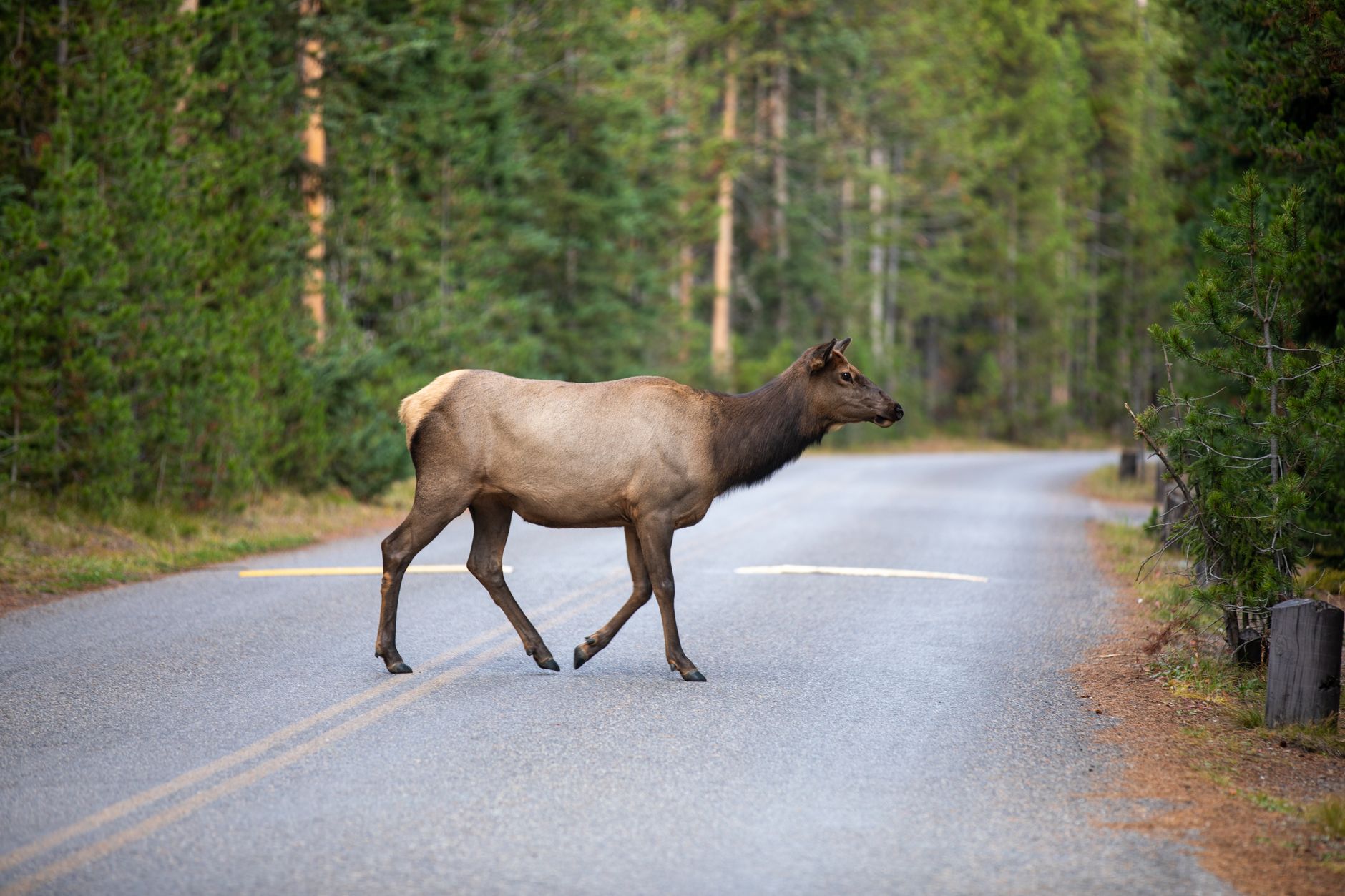
The Y2Y initiative connects protected areas across thousands of miles, from Yellowstone National Park to the Yukon Territory, allowing grizzly bears, wolves, and elk to roam freely. Your travel in national parks and by supporting businesses committed to conservation in this region contributes to funding research, land protection, and public awareness campaigns.
Pro-Tip:
Engage with park rangers and visitor centers. They often have information on local conservation efforts and volunteer opportunities. Consider visiting during shoulder seasons (spring or fall) to minimize your impact and enjoy the landscapes with fewer crowds.
Authenticity:
Savor a hearty bison burger from a local rancher, the taste of the wild plains. Enjoy the robust coffee at a mountain town café, chatting with locals about their passion for preserving this immense wilderness. The sheer scale of the landscape is humbling.
Quick Facts:
| Feature | Details |
| :---------------- | :------------------------------------------ |
| Estimated Cost | $100 - $400 per day (lodging, activities, park fees) |
| Best Time to Visit | May to October (summer for hiking, fall for wildlife viewing) |
| How to Get There | Major airports include Calgary (YYC), Denver (DEN), and Seattle (SEA). Access is via extensive road networks. |
5. The Daintree Rainforest Corridors, Australia: Ancient Pathways of Life
The Vibe:
The air is heavy with the scent of damp earth, decaying leaves, and the sweet perfume of tropical flowers. Hear the symphony of unseen insects, the screech of lorikeets, and the rustle of ancient ferns. This is the Daintree, one of the oldest rainforests on Earth, and its corridors are vital for its unique marsupials and reptiles.
What You're Supporting:
Your visit to the Daintree and surrounding areas helps fund efforts to reconnect fragmented rainforest patches, crucial for species like the Bennett's tree-kangaroo and the cassowary. Many eco-lodges and tour operators are deeply involved in revegetation projects and wildlife monitoring.
Insider Lingo:
Look for "eco-certified" operators. They often participate in programs like "Land for Wildlife" or contribute to local landcare groups. Ask about their involvement in habitat restoration – your money is directly contributing to planting native trees and protecting critical habitats.
Pro-Tip:
Take a guided rainforest walk with a local indigenous guide. They possess invaluable knowledge of the flora, fauna, and the cultural significance of these ancient pathways. Consider staying at an eco-lodge that actively participates in conservation research.
Authenticity:
Taste the rich, creamy flesh of a freshly picked mango or papaya. Sip on a strong, locally roasted coffee while listening to the dawn chorus. The vibrant colors of the rainforest flora and fauna are a feast for the eyes.
Quick Facts:
| Feature | Details |
| :---------------- | :------------------------------------------ |
| Estimated Cost | $100 - $300 per day (lodging, tours, activities) |
| Best Time to Visit | June to September (drier, cooler season) |
| How to Get There | Fly into Cairns (CNS), then drive north (approx. 2-hour scenic drive). |
Beyond the Visit: How You Can Be a Corridor Champion
Your journey is just the beginning! Here’s how to extend your impact:
- Citizen Science: Many organizations involved in corridor maintenance welcome citizen scientists. You could be helping to track wildlife, monitor vegetation, or even participate in planting initiatives.
- Support Local Businesses: Choose lodges, restaurants, and tour operators who are demonstrably committed to conservation and employ local staff.
- Donate: If your budget allows, consider donating to reputable conservation organizations working directly on wildlife corridor projects in your chosen destination.
- Advocate: Spread the word! Share your experiences and the importance of wildlife corridors with your friends, family, and on social media. Use your voice to encourage responsible tourism.
- Reduce Your Footprint: Practice Leave No Trace principles wherever you go. Minimize plastic use, conserve water, and be mindful of your energy consumption.
The Future is Connected
Stepping back into the jeep, the sun now a fiery ball dipping below the horizon, I felt a profound sense of connection. I hadn't just witnessed a beautiful landscape; I had been a part of its ongoing story. These wildlife corridors are more than just paths on a map; they are the arteries of our planet, pulsing with life. By choosing to explore them responsibly, you become a vital part of their preservation. So, where will your next impactful adventure take you?