My Journey from Tourist to Advocate: Wildlife Experiences That Actually Help Animals (And Changed My Life Forever)
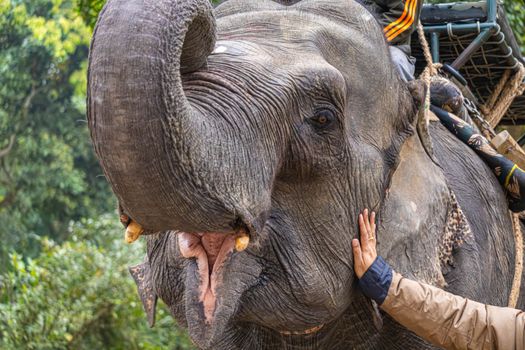
I remember it like it was yesterday: the thrill of my first "exotic" animal encounter. A young, wide-eyed traveler, desperate for that perfect Instagram shot, I eagerly lined up for an elephant ride in Southeast Asia. The sheer size of the animal, the sway of its back, the novelty of it all… it felt like a dream. But as the day wore on, a gnawing unease began to settle in. The bullhook clutched by the mahout, the vacant look in the elephant’s eyes, the chain around its ankle when it wasn't working. That dream quickly morphed into a stark reality: this wasn't an experience of connection; it was one of exploitation.
That day was a turning point. It was the moment I realized that many of the "bucket list" wildlife encounters I'd been chasing were, in fact, contributing to animal suffering. I felt a profound sense of shame, but also a fierce determination to change how I traveled. I wanted to connect with animals, yes, but not at their expense. I wanted my travel dollars to be a force for good, not harm.
What followed was a journey of discovery – a quest to find genuine wildlife experiences that truly help animals. And let me tell you, it wasn't just the animals that were helped; it was me, too. These encounters changed my perspective, deepened my empathy, and ignited a passion that continues to fuel every trip I take. If you’re yearning for travel that leaves a positive mark, both on your soul and on the planet, then buckle up. I’m about to share some of the most impactful, life-changing wildlife experiences that I’ve been privileged to witness and support.
The Gentle Giants of Hope: A Day with Rescued Elephants in Northern Thailand
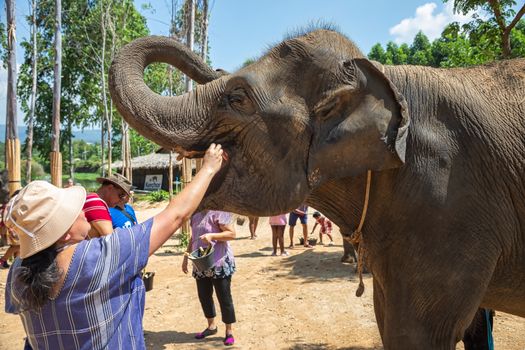
My first foray into ethical wildlife tourism took me back to Thailand, but this time, with a very different intention. I’d researched extensively and booked a day trip to a highly-regarded elephant sanctuary near Chiang Mai. The difference was palpable from the moment we arrived. There were no chains, no saddles, no performances. Just vast, open enclosures where elephants roamed freely, bathed in muddy rivers, and foraged naturally.
I spent the day observing these magnificent creatures, many of whom bore the scars of a past life in logging or tourism. One elderly matriarch, her ear torn, slowly ambled towards us, her eyes gentle and curious. We helped prepare their food – huge baskets of bananas, watermelon, and sticky rice balls – and then watched as they happily munched away, their trunks delicately plucking treats from our hands. The highlight was undoubtedly joining them for a mud bath, not as a spectacle, but as an opportunity to help clean them and cool them down, all while respecting their space.
Why it changed me:
Witnessing the elephants' natural behaviors, their complex social structures, and the immense dedication of their caretakers was incredibly moving. It was a stark contrast to my previous experience, a powerful lesson in empathy and the resilience of these animals when given a second chance. My heart swelled with hope, knowing my visit was directly funding their rescue, rehabilitation, and a life free from abuse. It wasn't just seeing elephants; it was witnessing healing, both theirs and, in a way, my own.
Practical Tips & Details:
* Look for: Sanctuaries that explicitly state "no riding," "no chains," "no performances." They should prioritize the elephants' well-being above human entertainment.
* Ask about: Where the elephants came from, their rehabilitation process, and how your money is used.
* What to expect: Lots of walking, potentially getting muddy, and observing from a respectful distance. You might help prepare food or participate in a gentle bathing session.
* Location/Price Example: Many reputable sanctuaries exist around Chiang Mai, Thailand. A full-day experience, including transfers, lunch, and interaction opportunities, typically ranges from $80-$120 USD. Book well in advance!
* Instagram-worthy moment: A candid shot of you gently feeding a banana to an elephant, or a sweeping panorama of elephants enjoying a mud bath in a lush valley. #EthicalElephants #ThailandConservation
Diving Deep with Purpose: Marine Conservation in the Philippines
My love for the ocean runs deep, but I wanted more than just pretty coral and colorful fish. I wanted to understand, and to contribute. That led me to a marine conservation program in the Philippines, specifically focusing on coral reef restoration and giant clam propagation.
Every morning, after a quick breakfast overlooking the turquoise waters, I’d don my wetsuit and dive gear. My "job" wasn't just to admire the reef; it was to actively participate in its recovery. I learned how to identify different coral species, monitor their health, and even help transplant coral fragments onto damaged areas. We'd spend hours underwater, meticulously collecting data, removing invasive species, and carefully tending to giant clam nurseries. One unforgettable afternoon, while monitoring a particularly vibrant section of the reef, a majestic manta ray glided past, its massive wings seeming to acknowledge our presence. It was a moment of pure magic, a silent acknowledgment of the interconnectedness of all life in the ocean.
Why it changed me:
This wasn't just a dive trip; it was a hands-on education in marine biology and conservation. I saw firsthand the devastating impact of climate change and unsustainable fishing practices, but also the incredible resilience of nature when given a helping hand. Knowing that my efforts, however small, were contributing to the health of this vital ecosystem filled me with a profound sense of purpose. It taught me that true beauty lies not just in observation, but in active stewardship.
Practical Tips & Details:
* Look for: Dive centers or NGOs that offer conservation dives, citizen science projects, or marine volunteer programs.
* Certification: Ensure the dive operator is PADI Green Star or equivalent certified, indicating environmental responsibility.
* What to expect: Expect varying levels of physical activity, from snorkeling to advanced diving. Be prepared for scientific briefings and data collection.
* Location/Price Example: Various organizations in the Philippines (e.g., Apo Island, Malapascua), Indonesia (Gili Islands), or Australia (Great Barrier Reef) offer such programs. A week-long volunteer program can range from $500-$1500 USD, often including accommodation and food, depending on the organization. Day trips for conservation dives are also available.
* Instagram-worthy moment: A vibrant underwater shot of you carefully observing a coral nursery, or a photo of a majestic marine creature (like a sea turtle or manta ray) from a respectful distance. #MarineConservation #DiveWithPurpose
Forest Guardians: Witnessing Orangutan Rehabilitation in Borneo
The plight of orangutans, threatened by habitat loss due to palm oil plantations, had always weighed heavily on my mind. So, when I planned a trip to Borneo, visiting an orangutan rehabilitation center was at the top of my list. I chose a center that focused on rescuing orphaned and displaced orangutans, rehabilitating them, and eventually releasing them back into protected forests.
I spent a few days observing the incredible work being done. From the viewing platforms, I watched as young orangutans, still learning essential survival skills, swung through the trees, their ginger fur a vivid contrast against the emerald canopy. During feeding times, the older, more independent individuals would descend from the forest, gracefully accepting their fruit rations before retreating back into the wild. The guides shared heartbreaking stories of how these intelligent primates had lost their mothers, but also inspiring tales of their journey back to health and independence.
Why it changed me:
It was a powerful and emotional experience. Seeing the orangutans, so human-like in their expressions and movements, brought home the devastating impact of human actions. Yet, the hope embodied by the dedicated staff, tirelessly working to give these animals a future, was equally profound. It solidified my commitment to making conscious consumer choices, particularly regarding palm oil, and advocating for sustainable practices. It’s a humbling reminder that we are all interconnected, and our choices have global consequences.
Practical Tips & Details:
* Look for: Rehabilitation centers focused on release programs, not tourist entertainment. Avoid places that allow direct physical interaction with orangutans, as this can habituate them and spread disease.
* Learn about: The center's long-term goals, their success rates for reintroduction, and how they protect released animals.
* What to expect: Observation from designated platforms, learning about orangutan biology and conservation challenges.
* Location/Price Example: Sepilok Orangutan Rehabilitation Centre in Sandakan, Sabah, Malaysian Borneo, is a well-known example. Entrance fee is typically around RM 30 (approx. $7-8 USD). Combine with a visit to the adjacent Bornean Sun Bear Conservation Centre for a full day of impactful wildlife viewing.
* Instagram-worthy moment: A respectful, zoomed-in shot of an orangutan gracefully swinging through the trees, or a wider shot of the lush forest canopy. #OrangutanRescue #BorneoConservation
Roaming Wild: Ethical Safaris & Anti-Poaching Efforts in South Africa
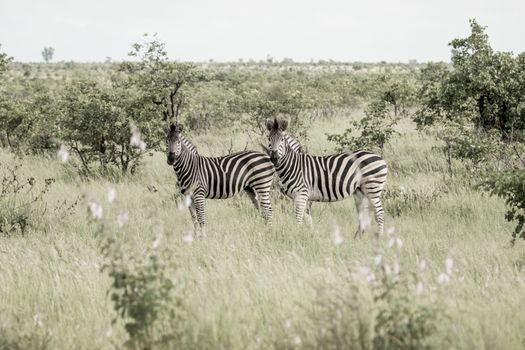
For many, a safari is the ultimate wildlife dream. But as I learned, not all safaris are created equal. My goal was to find an experience that genuinely contributed to conservation. I chose a lodge bordering Kruger National Park in South Africa that actively supported anti-poaching units and local community development.
Our days began before dawn, tracking animals with an experienced ranger and a local tracker. We didn't just drive around; we learned to read the bush – understanding paw prints, broken branches, and bird calls. We saw the "Big Five" (lion, leopard, elephant, rhino, buffalo), but it was the deep dive into conservation that truly resonated. One afternoon, we met a member of the anti-poaching unit, hearing harrowing stories of their daily fight against illegal wildlife trade. Later, we learned about the lodge's efforts to educate local communities on the value of wildlife, creating alternative income streams to discourage poaching.
Why it changed me:
This safari was an awakening to the harsh realities of conservation. It wasn't just about beautiful animals; it was about protecting them against immense threats. I saw the dedication of those on the front lines, risking their lives for these creatures. It transformed my understanding of what a "wildlife experience" could be – not just a viewing, but a tangible contribution to the survival of endangered species. The sheer power and vulnerability of the animals, combined with the human struggle to protect them, was profoundly moving.
Practical Tips & Details:
* Look for: Lodges and tour operators that are transparent about their conservation initiatives, community involvement, and anti-poaching support.
* Ask about: Their land management practices, wildlife monitoring programs, and how tourist revenue directly benefits conservation.
* What to expect: Early morning and late afternoon game drives, walking safaris (where safe), knowledgeable guides, and often opportunities to learn about local culture.
* Location/Price Example: Kruger National Park area in South Africa, or Maasai Mara in Kenya. Ethical safari lodges can range from $300-$1000+ per person per night, depending on luxury level and inclusivity, but many offer robust conservation programs. Consider smaller, private reserves for a more intimate and often more impactful experience.
* Instagram-worthy moment: A breathtaking sunset shot over the savanna with silhouettes of giraffes or elephants, or a close-up of a tracker explaining animal signs. #SafariForConservation #ProtectTheWild
Beyond the Brochure: Community-Led Conservation in the Amazon Basin
My final transformative experience took me deep into the Amazon basin, living for a few days with an indigenous community whose way of life is intrinsically linked to the forest and its inhabitants. This wasn't a "zoo" experience; it was an immersion into a culture that understands and respects the delicate balance of nature.
Guided by community members, we trekked through the dense rainforest, learning about medicinal plants, tracking elusive wildlife, and understanding the intricate ecosystem. We learned how their traditional knowledge helps them monitor animal populations and protect their ancestral lands from illegal logging and mining. We saw monkeys, vibrant birds, and countless insects, but the real lesson was in the philosophy of coexistence. During evening discussions around a fire, community elders shared stories and explained how the health of the forest directly impacts their well-being, reinforcing their role as its guardians.
Why it changed me:
This experience shattered any lingering preconceived notions about conservation. It showed me that often, the best protectors of wildlife are the people who have lived alongside them for generations. It highlighted the critical link between human rights, cultural preservation, and environmental conservation. My small financial contribution directly supported their livelihoods, enabling them to continue their vital work as stewards of one of the planet's most biodiverse regions. It was a powerful reminder that true conservation is holistic, encompassing both nature and humanity.
Practical Tips & Details:
* Look for: Tour operators that partner directly with indigenous communities, ensuring fair wages and genuine cultural exchange.
* Research: The community's specific conservation goals and how your visit contributes to them.
* What to expect: Simple accommodations (often homestays or basic lodges), authentic cultural experiences, guided nature walks, and a deep dive into traditional ecological knowledge.
* Location/Price Example: Various communities in the Amazon basin (Ecuador, Peru, Brazil) or other remote, biodiverse regions (e.g., Costa Rican indigenous reserves). Multi-day tours can range from $300-$800 USD, often including transport, food, and activities.
* Instagram-worthy moment: A candid shot of you learning from a local guide, or a stunning landscape photo of the untouched rainforest canopy. #IndigenousConservation #AmazonAdventures
Your Turn: Practical Tips for Ethical Wildlife Tourism
Ready to embark on your own life-changing, animal-helping adventures? Here’s how to ensure your travel makes a positive impact:
- Research, Research, Research: This is your most powerful tool. Before booking any wildlife experience, dig deep.
- Check reviews: Look beyond star ratings for comments on animal welfare.
- Consult reputable organizations: World Animal Protection, WWF, and other conservation groups often have guidelines or lists of ethical operators.
- Look for transparency: Does the organization clearly state its mission, how funds are used, and its conservation impact?
- Observe, Don't Interact (Usually): A good rule of thumb is that if you can touch, feed, ride, or take a selfie with a wild animal, it’s likely unethical. True sanctuaries prioritize the animals' well-being and natural behavior, which means minimal human intervention. Be wary of places that offer "orphanages" where direct contact is encouraged, as these can sometimes be fronts for illegal animal trade.
- Choose Certified & Accredited Operators: Look for eco-tourism certifications (e.g., Ecotourism Australia, Green Globe) or endorsements from recognized conservation bodies. These indicate a commitment to environmental and ethical standards.
- Ask the Hard Questions: Don't be afraid to inquire directly:
- "Where do your animals come from?"
- "What is your long-term plan for the animals?"
- "How does my money directly support animal welfare/conservation?"
- "What are your policies on animal handling?"
- Support Local Communities: When communities benefit financially from wildlife, they become its most ardent protectors. Choose tours and lodges that employ local staff, source local goods, and invest in community development projects.
- Minimize Your Footprint: Beyond the animals, consider your overall impact. Reduce plastic waste, conserve water and energy, and choose eco-friendly accommodations.
- Speak Up & Share Responsibly: If you witness unethical practices, report them to local authorities or relevant NGOs. When sharing your ethical experiences online, use hashtags like #EthicalWildlifeTravel and #ResponsibleTourism to inspire others and spread awareness. Avoid geotagging sensitive locations if it could put animals at risk.
The Everlasting Impact: Travel That Transforms
My journey from a naive tourist to a passionate advocate for ethical wildlife travel has been nothing short of transformative. It’s taught me that travel can be so much more than just ticking off a bucket list. It can be a powerful force for good, a way to connect deeply with the natural world, and a catalyst for personal growth.
These experiences didn't just show me animals; they showed me resilience, dedication, and the profound beauty of a world where humans and wildlife can coexist respectfully. They changed my life forever, instilling a sense of purpose in every adventure I undertake.
Are you ready to embark on your own life-changing journey? Ready to travel with your heart and your conscience? Start planning your ethical wildlife adventure today. The animals, and your future self, will thank you.
Share your ethical wildlife encounters with us! Use #TripsoraEthicalWildlife and inspire our community to travel with purpose.
---