War-Torn Regions Now Safe for Tourism: The Ultimate Guide by Your Trusted Travel Insider
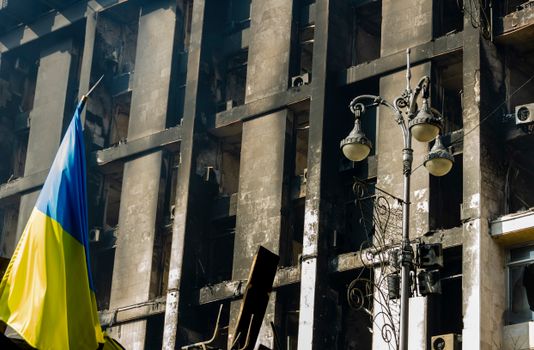
I stepped off the train in Sarajevo, and the air, surprisingly, was thick with the aroma of roasting ćevapi and the distant chime of church bells mingling with the call to prayer. It wasn't the echo of conflict I'd half-expected, but a vibrant symphony of everyday life. The scars of war were etched into the city's architecture – bullet holes still visible on facades, the 'Sarajevo Roses' – mortar shell craters filled with red resin – a poignant, beautiful reminder. But beneath this resilient surface, a palpable energy pulsed. This is the new reality for many places once defined by struggle, and as a travel journalist and SEO strategist for Tripsora, I'm here to tell you: these destinations are not only safe, but they are some of the most profoundly rewarding places you can explore right now.
Why Embrace the 'Post-Conflict' Journey?
Let's be clear: traveling to regions that have experienced conflict isn't about 'dark tourism' or seeking out danger. It's about witnessing resilience, supporting vital rebuilding efforts, and experiencing cultures that have emerged stronger and more welcoming than ever before. Travel advisors are increasingly recommending these destinations for their unique historical narratives, untouched beauty, and the genuine warmth of their people. When you choose to visit, your tourism dollars directly contribute to local economies, fostering stability and creating opportunities. It's travel with a purpose, and trust me, it’s incredibly enriching.
1. Sarajevo, Bosnia and Herzegovina: The Phoenix City
Sarajevo is a masterclass in resilience. This city, besieged for nearly four years, now buzzes with a youthful energy, a testament to its indomitable spirit. The Old Town, Baščaršija, is a labyrinth of cobblestone streets where coppersmiths hammer away, the scent of strong Bosnian coffee wafts from every cafe, and traditional pastries like baklava are piled high.
- The Vibe: A captivating blend of Ottoman, Austro-Hungarian, and modern influences. You can feel the history whispering from every corner.
- Must-See: The War Tunnel Museum is a sobering but essential visit. Walking through a reconstructed section of the tunnel used to bring supplies into the city during the siege is a powerful experience.
- Insider Tip: Don't miss the Yellow Fortress (Žuta Tabija) at sunset. The panoramic views of the city, bathed in golden light, are breathtaking. It’s the perfect spot to reflect on Sarajevo’s journey.
- Foodie Heaven: Beyond ćevapi, try burek (savory pastry) and klepe (Bosnian dumplings). Local restaurants often have incredible value.
Quick Facts: Sarajevo
| Category | Details | Estimated Cost ($USD) |
| :-------------- | :------------------------------------------ | :-------------------- |
| Best Time | Spring (April-May) & Autumn (Sept-Oct) | $50 - $100 per day |
| How to Get There | Fly into Sarajevo International Airport (SJJ) | Flights vary widely |
| Visa | Many nationalities visa-free for 90 days | N/A |
2. Beirut, Lebanon: The Paris of the Middle East Reimagined
Beirut has always had an unparalleled zest for life, and despite its tumultuous past, that spirit is stronger than ever. The city is a vibrant tapestry of ancient history and contemporary cool. From the Roman ruins in the city center to the chic rooftop bars overlooking the Mediterranean, Beirut is a city that knows how to live.
- The Vibe: Cosmopolitan, energetic, and incredibly resilient. Beirutians are renowned for their hospitality.
- Must-See: Wander through the Beirut Souks, a modern reconstruction of the ancient markets, offering a mix of high-end brands and local crafts. Visit the National Museum of Beirut to delve into Lebanon's rich history.
- Pro-Tip: Explore the Mar Mikhael and Gemmayzeh districts in the evening. They are packed with buzzing restaurants, trendy bars, and art galleries, showcasing Beirut's vibrant nightlife and creative scene.
- Authentic Flavors: Indulge in mezze – a delightful spread of small dishes like hummus, mutabbal, and tabouleh. Don't leave without trying knafeh for dessert.
Quick Facts: Beirut
| Category | Details | Estimated Cost ($USD) |
| :-------------- | :------------------------------------------------------- | :-------------------- |
| Best Time | Spring (March-May) & Autumn (Sept-Nov) | $70 - $150 per day |
| How to Get There | Fly into Beirut–Rafic Hariri International Airport (BEY) | Flights vary widely |
| Visa | Varies by nationality; many can get visa on arrival | N/A |
3. Medellín, Colombia: The City of Eternal Spring Ascendant
Once known for its notoriety, Medellín has undergone a remarkable transformation. It's now a hub of innovation, culture, and stunning natural beauty, nestled in a lush valley. The locals, Paisas, are incredibly warm and proud of their city's rebirth.
- The Vibe: Innovative, artistic, and incredibly welcoming. Medellín has embraced its past while forging a bright future.
- Must-See: Take the Metrocable up to Comuna 13. What was once a no-go zone is now a vibrant outdoor art gallery, alive with graffiti murals and street performers, telling the story of its transformation. The Botero Plaza, adorned with the voluptuous sculptures of Fernando Botero, is another highlight.
- Insider Scoop: Visit the Jardín Botánico (Botanical Garden) for a tranquil escape. It's a haven of biodiversity right in the city.
- Taste of Colombia: Sample Bandeja Paisa, the region's hearty national dish. And of course, the coffee here is world-class – seek out local artisanal roasters.
Quick Facts: Medellín
| Category | Details | Estimated Cost ($USD) |
| :-------------- | :----------------------------------------------------- | :-------------------- |
| Best Time | Dry Season (December-March & July-August) | $60 - $120 per day |
| How to Get There | Fly into José María Córdova International Airport (MDE) | Flights vary widely |
| Visa | Many nationalities visa-free for 90 days | N/A |
4. Kigali, Rwanda: A Beacon of Progress and Peace
Rwanda's journey from the horrific genocide of 1994 to becoming one of Africa's safest and cleanest countries is nothing short of miraculous. Kigali, the capital, is a testament to this progress – a gleaming, organized, and incredibly welcoming city.
- The Vibe: Orderly, clean, and forward-thinking. The spirit of reconciliation and progress is palpable.
- Must-See: The Kigali Genocide Memorial is a deeply moving and essential experience. It honors the victims and educates visitors about the events of 1994. For a different perspective, explore the Inema Arts Center to see vibrant contemporary Rwandan art.
- Pro-Tip: If you're interested in gorilla trekking, Rwanda is one of the premier destinations. Plan this experience well in advance, as permits are limited and highly sought after.
- Local Delights: Enjoy fresh tilapia from Lake Kivu or try Isambaza (small fried fish). The local markets are also a great place to sample fresh fruits and vegetables.
Quick Facts: Kigali
| Category | Details | Estimated Cost ($USD) |
| :-------------- | :------------------------------------------------------- | :-------------------- |
| Best Time | Dry Seasons (June-August & December-February) | $80 - $200+ per day (trekking adds significantly) |
| How to Get There | Fly into Kigali International Airport (KGL) | Flights vary widely |
| Visa | E-Visa available for many nationalities; visa-on-arrival for some | N/A |
5. Siem Reap, Cambodia: Ancient Wonders and a Resilient People
While Cambodia's tragic past under the Khmer Rouge is well-documented, Siem Reap, the gateway to the magnificent Angkor Wat, offers a profound encounter with ancient history and the enduring spirit of the Cambodian people. The atmosphere is tranquil, and the locals are incredibly warm and eager to share their culture.
- The Vibe: Spiritual, serene, and deeply historical. Siem Reap invites introspection and awe.
- Must-See: Angkor Wat at sunrise is an absolute must – a truly iconic experience. Explore the enigmatic faces of Bayon Temple and the jungle-clad ruins of Ta Prohm (the 'Tomb Raider' temple).
- Insider Tip: Hire a local tuk-tuk driver for the day. They have invaluable knowledge of the temples and can take you to less crowded spots. Look for drivers who are part of a reputable cooperative for fair wages.
- Culinary Adventures: Try Amok Trei (fish curry steamed in banana leaves) or Lok Lak (stir-fried beef). Don't miss the vibrant night markets for street food and souvenirs.
Quick Facts: Siem Reap
| Category | Details | Estimated Cost ($USD) |
| :-------------- | :------------------------------------------------------- | :-------------------- |
| Best Time | Dry Season (November-March) | $40 - $80 per day |
| How to Get There | Fly into Siem Reap International Airport (REP) | Flights vary widely |
| Visa | Visa-on-arrival for most nationalities | $30 - $35 |
Navigating the Nuances: Responsible Travel in Post-Conflict Zones
Traveling to these regions requires a mindful approach. Here are some Pro-Tips from seasoned travelers and advisors:
- Do Your Research: Understand the current political and social climate. Check government travel advisories, but also read independent blogs and forums.
- Be Respectful: You are a guest. Dress modestly, especially when visiting religious sites. Ask permission before taking photos of people.
- Support Local Businesses: Eat at local restaurants, buy from local artisans, and hire local guides. This ensures your money directly benefits the community.
- Engage Authentically: Be open to conversations. Locals are often eager to share their stories and perspectives. Listen with empathy.
- Avoid Sensationalism: Your goal is to learn and appreciate, not to gawk or sensationalize the past.
- Travel Insurance is Crucial: Always have comprehensive travel insurance that covers medical emergencies and trip cancellations.
The Future is Welcoming: Your Next Unforgettable Journey Awaits
These war-torn regions, now safe for tourism, are not just destinations; they are living testaments to the human spirit's capacity for healing and rebirth. They offer an unparalleled opportunity for travelers seeking depth, authenticity, and a connection to the world that goes beyond the superficial. As travel advisors, we see these places as the future of meaningful travel. They challenge us, inspire us, and ultimately, leave us with a profound sense of hope. So, pack your bags with an open mind and a curious heart. Your next extraordinary adventure is calling.